


Small Mahogany Chiffonier
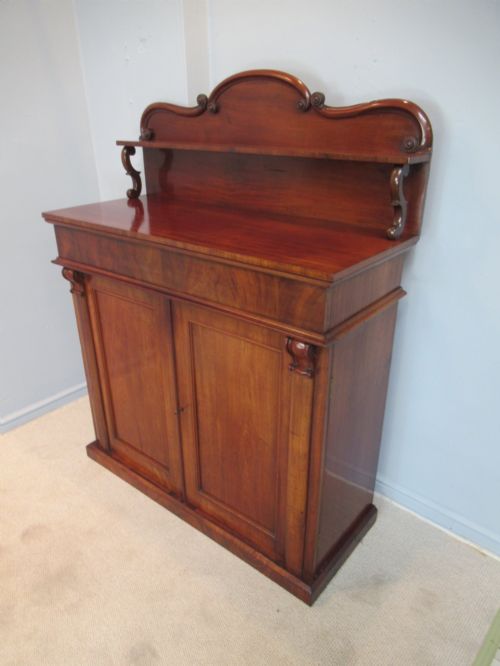
A small mahogany chiffonier brings compact elegance to a dining room or parlour, offering concealed storage and display space without crowding the floor.
Small Mahogany Chiffonier
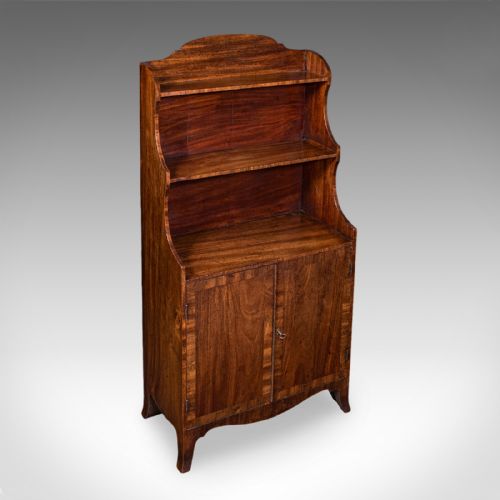
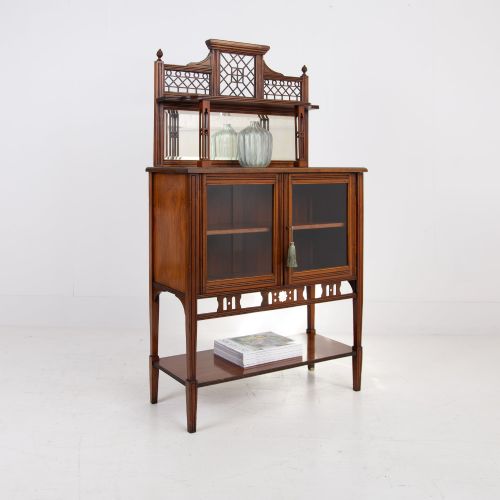
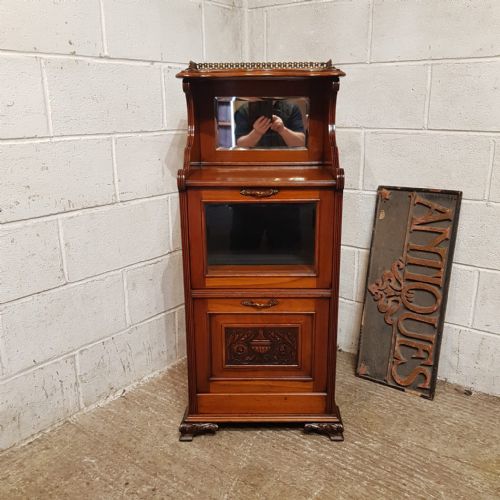
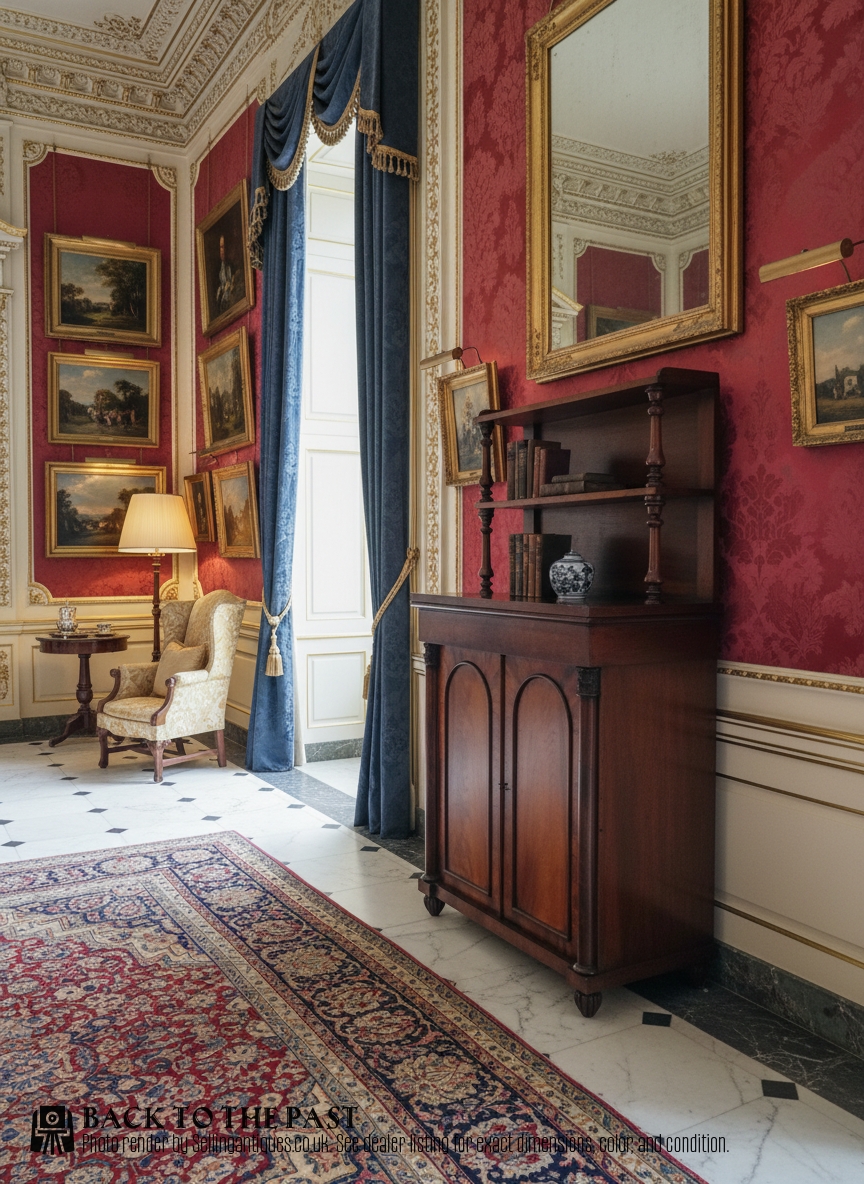
A small mahogany chiffonier is a low sideboard or side cabinet designed primarily for the nineteenth-century home, bridging the gap between utilitarian storage and formal display. These pieces typically combine a lower enclosed cupboard with an upper section featuring shelves, a gallery, or glazed doors.
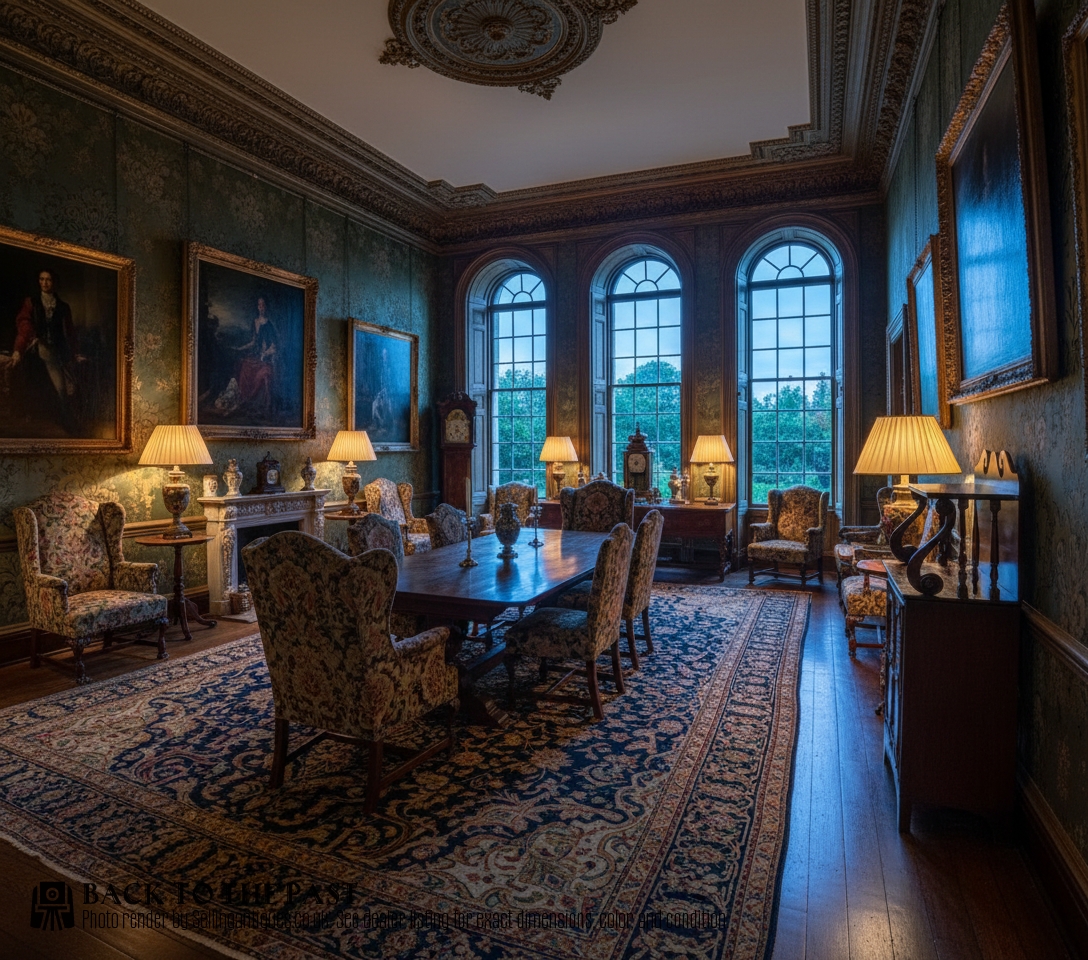
The selections available here span the Georgian, Regency, William IV, and Victorian periods, showcasing how proportions evolved from the architectural restraint of the early nineteenth century to the ornate detailing of the late Victorian era. Cabinetmakers constructed these compact units specifically for smaller rooms where a standard sideboard would overwhelm the space.
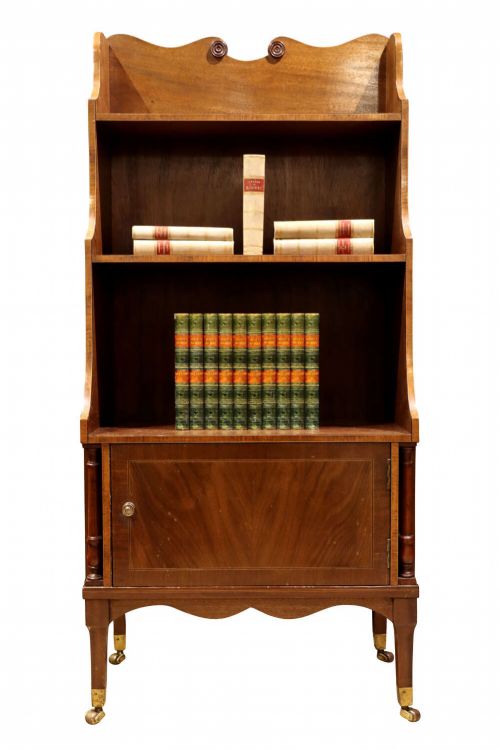
Most examples rely on solid timber carcases paired with finely matched veneers, often resting on turned feet or low plinths. Variations in the upper superstructure distinguish simpler cupboard forms from elaborate waterfall bookcases and shelved chiffoniers.
How they were made
Cabinetmakers utilised dense native and imported timbers, selecting mahogany for its structural stability and rich reddish-brown tone. Flame mahogany veneer frequently faces the principal doors and drawer fronts, displaying dramatic figuring that catches the light.
Secondary structural elements incorporate brass for hinges, castors, and decorative galleries, while glass panels occasionally protect the upper bookcase compartments. Traditional joinery techniques, including dovetail drawers and panelled carcases, ensure the enduring integrity of these small cabinets.
Small Mahogany Chiffonier Retail Price Guide 2026
Typical asking prices for small mahogany chiffonier among the pieces listed under this phrase on Sellingantiques today, from the lower quarter to the upper quarter. They describe what is for sale here now, not the wider market.
Listings feature pieces spanning the Georgian, Regency, William IV, and Victorian periods, constructed primarily in mahogany with brass and glass accents.
What varies in quality
The distinction between ordinary and exceptional pieces rests upon the quality of the timber selection and the precision of the cabinetmaker's finish. Superior examples display mirrored flame veneer matching across doors and drawer fronts, creating a cohesive visual harmony.
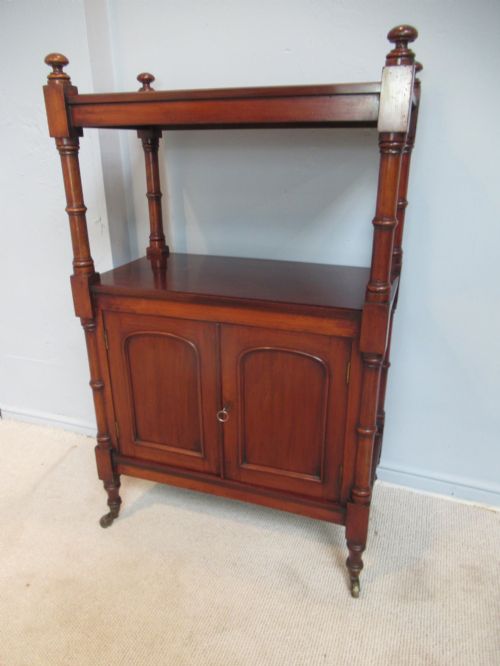
Refinement in secondary details, such as turned columns, finely cast brass mounts, and well-executed interior shelving, separates standard utility furniture from pieces commissioned for wealthier households.
Gillows
The Small Mahogany Chiffonier Glossary
- Chiffonier
- A low sideboard or cabinet featuring a cupboard base, often surmounted by one or more display shelves. This versatile form developed during the Regency period and remained popular throughout the Victorian age.
- Flame Mahogany
- A wood veneer cut from the branch junction of the mahogany tree, displaying a distinctive flamed or feather-like grain pattern. Cabinetmakers reserved this decorative timber for prominent exterior surfaces.
- Regency
- An architectural and decorative style spanning the early nineteenth century, characterised by classical restraint, elegant proportions, and occasional Egyptian or Greek revival motifs. Furniture from this era often incorporates fine brass inlay and reeded columns.
- Waterfall Bookcase
- A stepped shelving unit where each tier recedes from the one below it, resembling a cascading waterfall. This form occasionally tops a small chiffonier base.
- Castors
- Small wheel attachments fitted to the feet of heavy furniture to ease movement across carpets and floorboards. Brass cup castors frequently appear on nineteenth-century cabinets.
Small Mahogany Chiffonier: Frequently Asked Questions
What is a small mahogany chiffonier used for?
These cabinets served historically in dining rooms and parlours for storing glassware, cutlery, and linens while providing an upper surface or shelf for displaying decorative ceramics and books.
Today, they function brilliantly in modern interiors as hallway consoles, media storage units, or compact sideboards in sitting rooms where space is at a premium.
How do I date a small mahogany chiffonier?
Dating relies on examining structural characteristics, timber choice, and decorative hardware. Earlier Georgian and Regency examples often feature cleaner architectural lines, rosewood linings, or delicate brass galleries.
Victorian pieces tend to show heavier proportions, arched panel doors, and more elaborate carved corbels or applied mouldings as the century progressed.
Are these chiffoniers made of solid mahogany?
Most nineteenth-century chiffoniers utilise a sturdy secondary timber framework, such as pine or oak, faced with thick mahogany veneers on the exterior surfaces. Solid mahogany is commonly found on structural elements like turned columns, feet, and structural frames.
The use of veneer allowed cabinetmakers to showcase dramatic flame and figured grain patterns that would be unstable if carved from a single solid board.
How do I care for antique mahogany furniture?
Maintain the finish by keeping the timber away from direct heat sources and strong sunlight, which can dry out the wood and fade the rich reddish tones. Regular dusting with a soft, dry cloth and occasional application of appropriate beeswax helps preserve the lustre of the polish.
Avoid commercial silicone sprays, as they build up over time and attract dust to the carved details and veneer surfaces.