
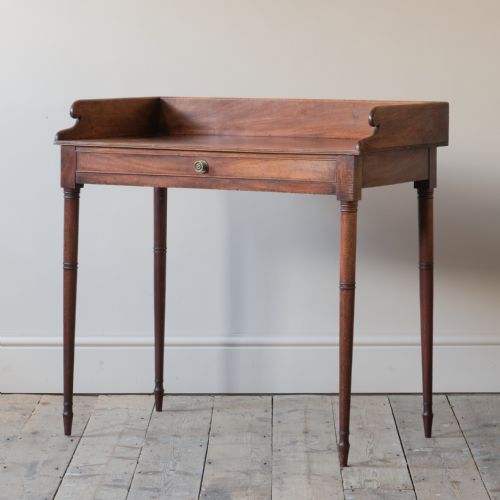


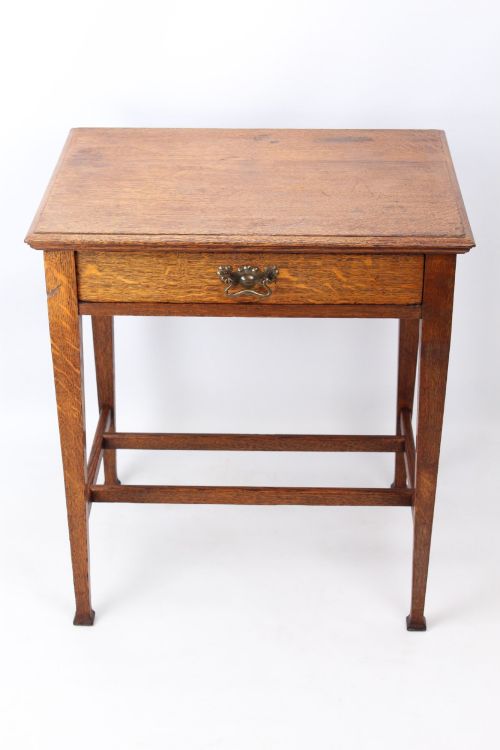
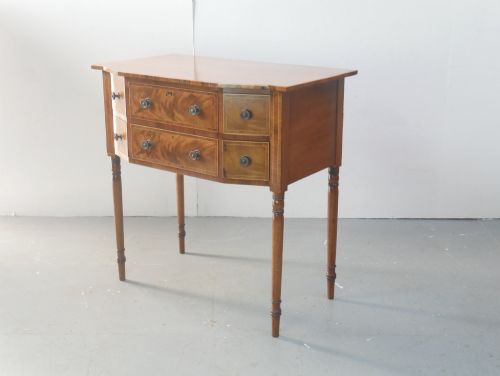
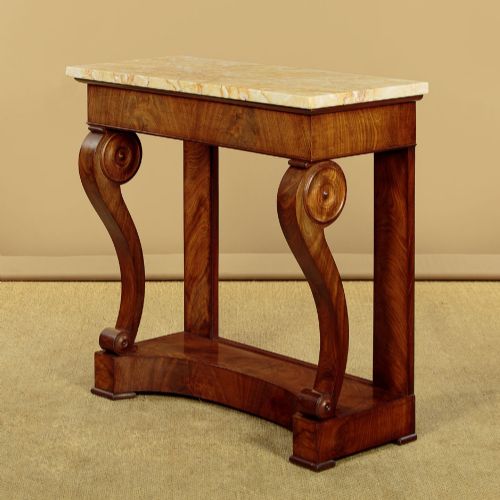
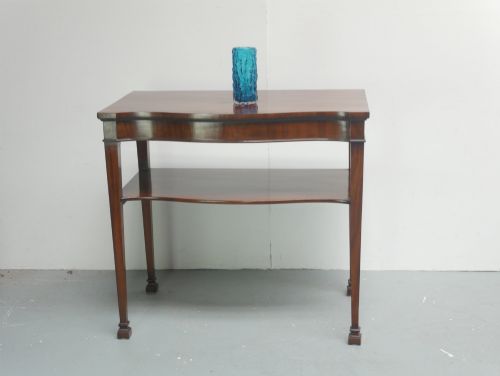
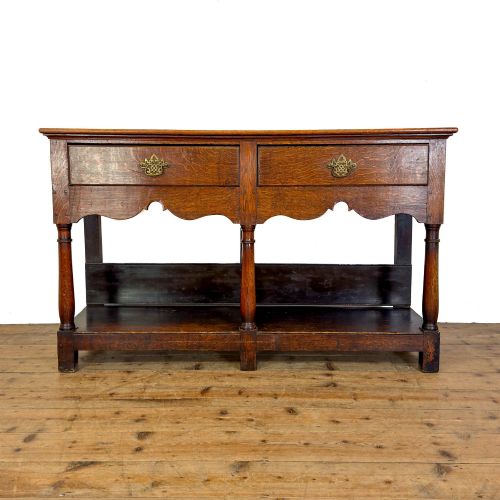
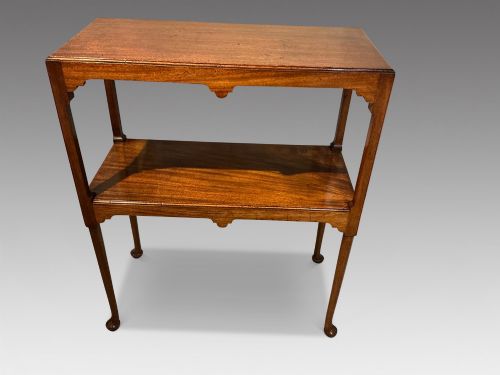
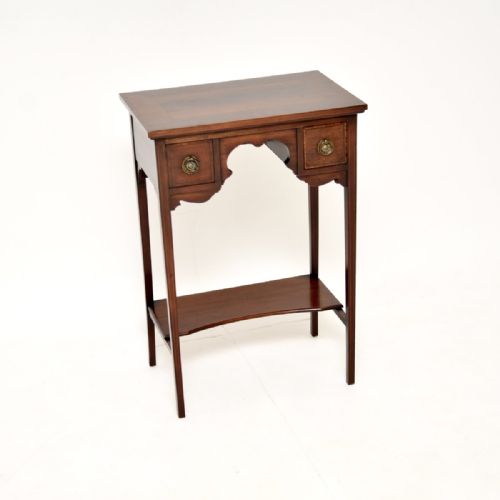
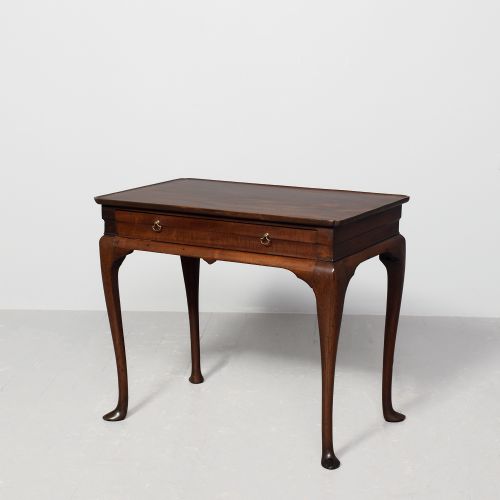
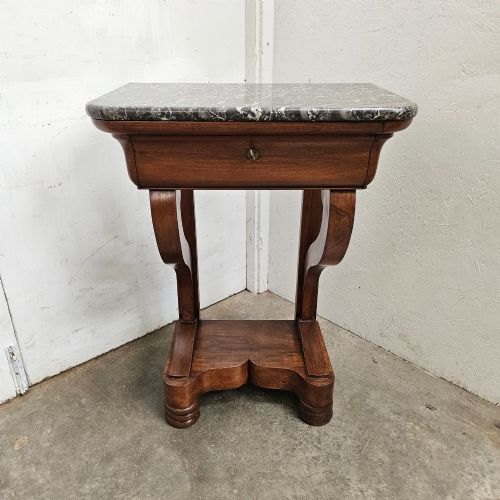
Small Hall Console Table
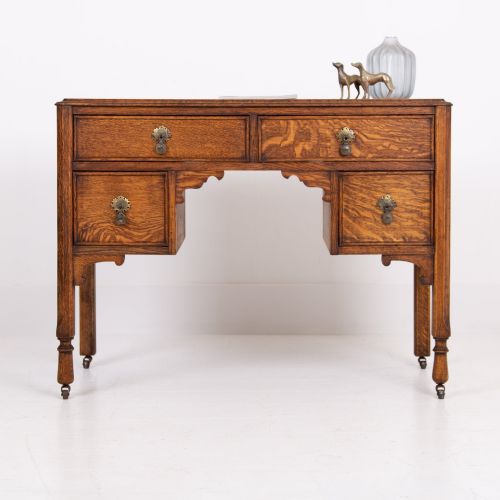
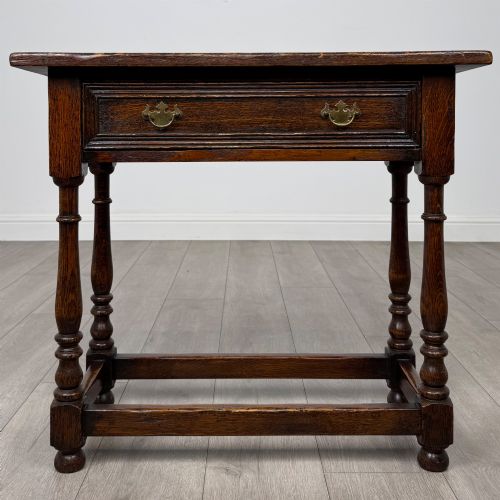
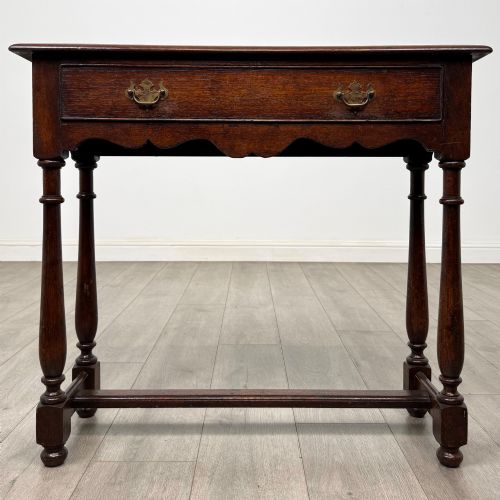
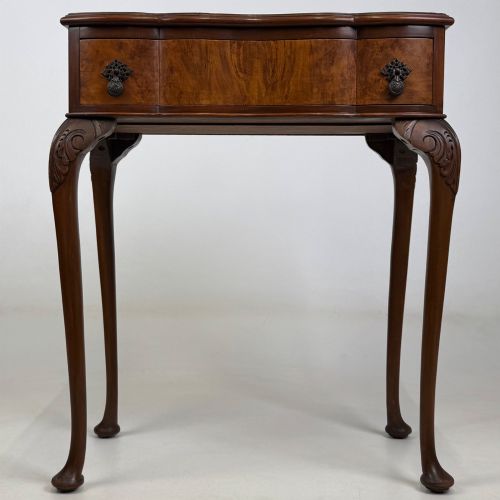
A small hall console table brings practical surface space to narrow spaces, appearing in oak, mahogany, and walnut across Georgian to Edwardian periods.
Small Hall Console Table
A small hall console table serves as a neat surface for tight entranceways, corridors, and reception rooms. When searching for a small hall console table, buyers encounter formats spanning compact side tables, lowboys, and demi-lune console tables.
The selections originate from diverse eras, ranging from eighteenth-century George III pieces to Edwardian and nineteen-twenties oak or mahogany examples. These tables frequently feature single drawers or two-tier designs suited for limited floor space.
How They Were Made
Cabinetmakers constructed these tables using timbers such as mahogany, oak, and walnut, occasionally incorporating burr walnut or satin walnut for decorative grain patterns. Many pieces utilise sturdy mortise and tenon joints for structural longevity.
Surface finishes include polished wood alongside contrasting materials like inset marble tops and brass handles or fittings. Decorative elements incorporate inlay work, carved details, and spade feet depending on the period and style.
Materials span timber, marble, brass, and leather across various side tables and desks.
What Varies in Quality
Quality rests upon the selection of timber and the precision of the construction, where figured veneers and solid oak or mahogany distinguish finer examples from standard utility pieces. Cabinetwork refinement shows in the tight fit of drawer joints and the crispness of carved mouldings.
The integration of secondary materials such as white marble tops or delicate marquetry inlay elevates a piece from a simple utilitarian table to a decorative reception furnishing. Original brass hardware and well-preserved structural integrity maintain the distinction of higher grade items.
Druce and Co
The Small Hall Console Table Glossary
- Lowboy
- A small eighteenth-century dressing or side table featuring one or more rows of drawers beneath the flat top. They typically stand on slender cabriole or straight legs.
- Demi-lune
- A half-moon shaped table designed to sit flush against a wall in narrow hallways. These console tables often feature drop leaves or folding tops.
- Dresser base
- A lower sideboard or cabinet section originally used in kitchens or dining rooms for storage. They provide sturdy timber construction and useful surface depth.
- Washstand
- A wooden table traditionally made to hold a wash basin and pitcher, adapted today as a narrow console or side table with a lower shelf or drawer.
- Inlay
- A decorative technique where contrasting pieces of wood, such as lighter mahogany or boxwood, are inserted into the primary timber surface to create patterns.
Small Hall Console Table: Frequently Asked Questions
Where should I place a small hall console table?
These narrow tables suit entrance halls, narrow corridors, and landings where floor space is limited. Their shallow depth allows them to sit against walls without obstructing pathways.
They function well as a surface for keys, post, or a small lamp while adding period character to transitional spaces in the home.
How do I identify a Georgian console table?
Georgian tables typically feature dense mahogany timber, hand-cut dovetail joints inside the drawers, and restrained classical proportions. Details like brass drop handles and straight or cabriole legs are common.
Later Victorian and Edwardian revivals often incorporate lighter construction methods, satin walnut, or decorative marquetry inlay that distinguishes them from eighteenth-century originals.
Are these tables suitable for daily use?
Solid timber construction in oak, mahogany, and walnut provides the durability required for everyday placement in busy hallways. Regular dusting and occasional wax polishing keep the wooden surfaces protected.
Care should be taken with marble-topped variants to avoid staining from acidic liquids, utilising coasters or protective mats where necessary.
What is the difference between a console and a side table?
Console tables historically sat against a wall, sometimes supported by brackets or front legs, and frequently featured decorative demi-lune or rectangular marble tops. Side tables are generally freestanding pieces with four legs designed to stand beside seating or against perimeter walls.
Over time, terminology merged as makers adapted similar small proportions for narrow hallways and reception rooms.