
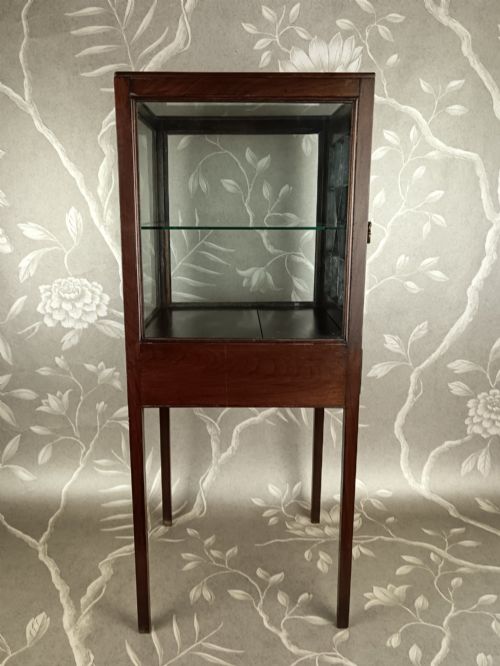
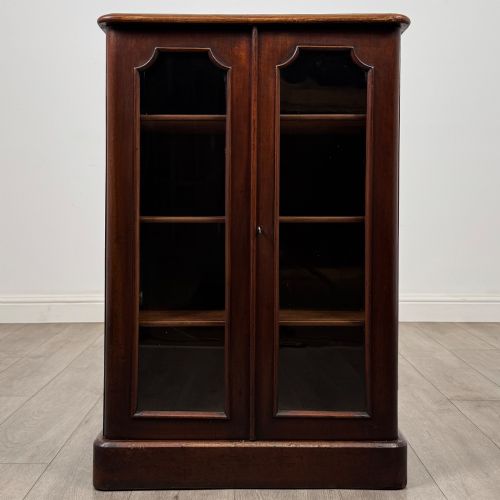
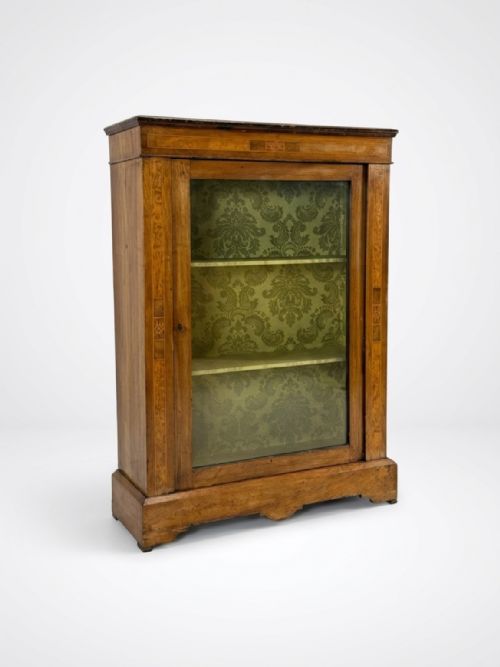
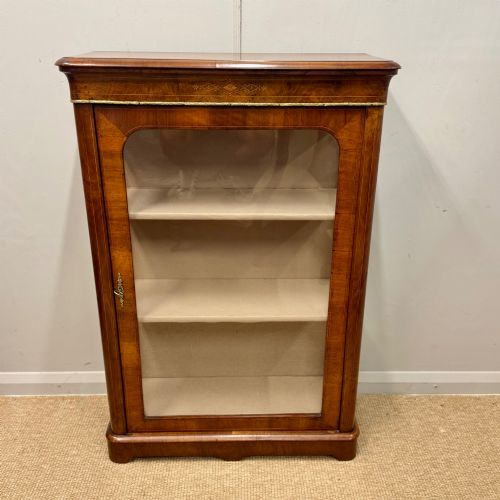
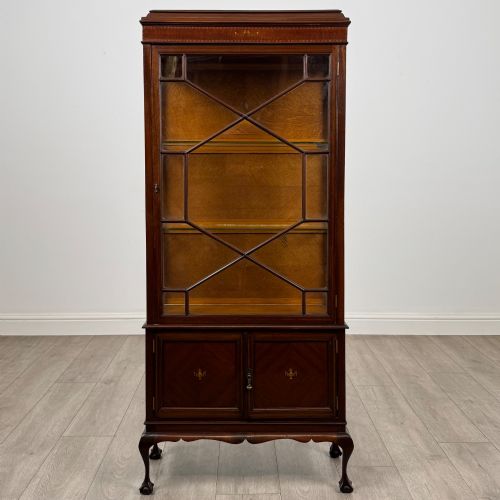
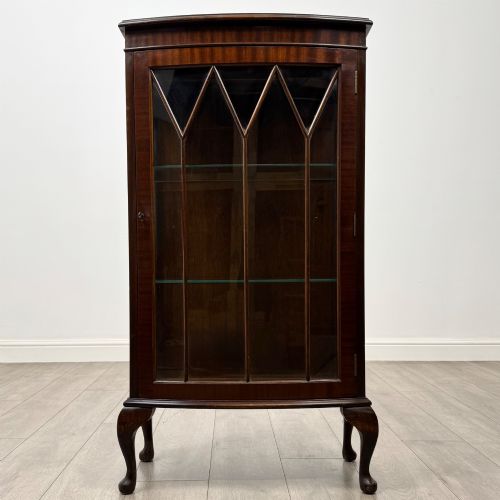
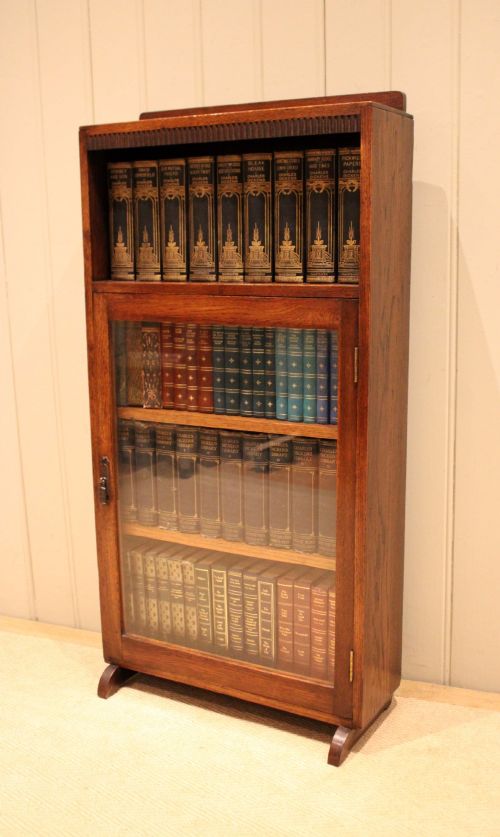
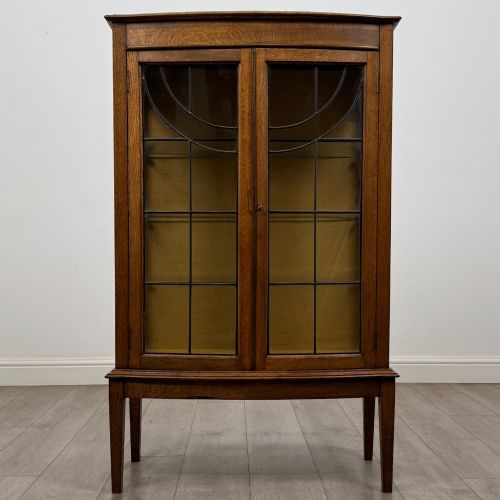
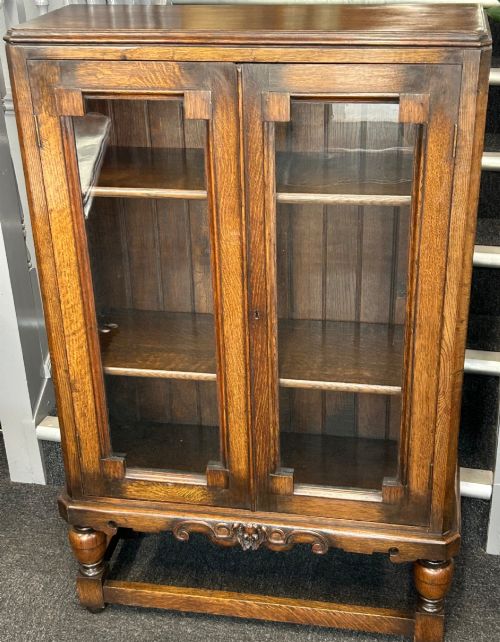
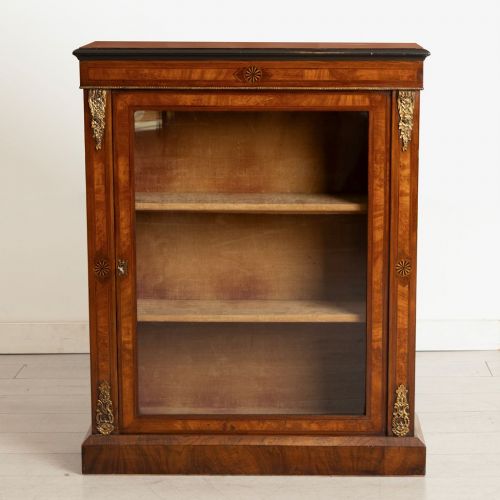
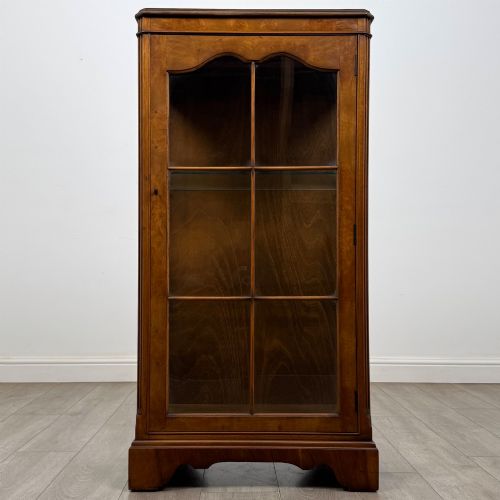
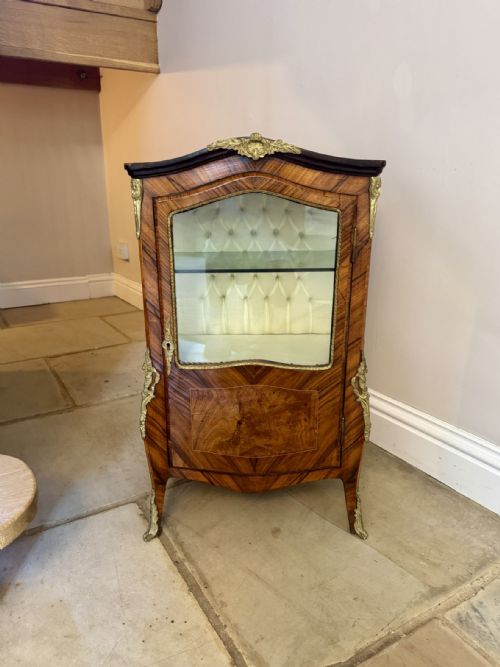
Small Glass Display Cabinet
A small glass display cabinet brings light and order to intimate collections, protecting treasures behind clear panels.
Small Glass Display Cabinet
A small glass display cabinet serves to showcase treasured items while keeping dust at bay. When you search for this phrase, you encounter a variety of compact glazed furniture designed for domestic display.
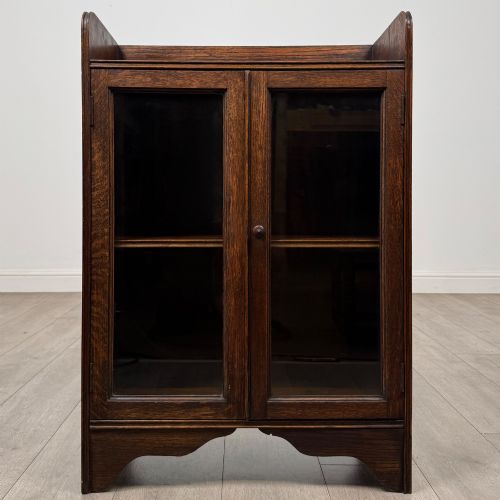
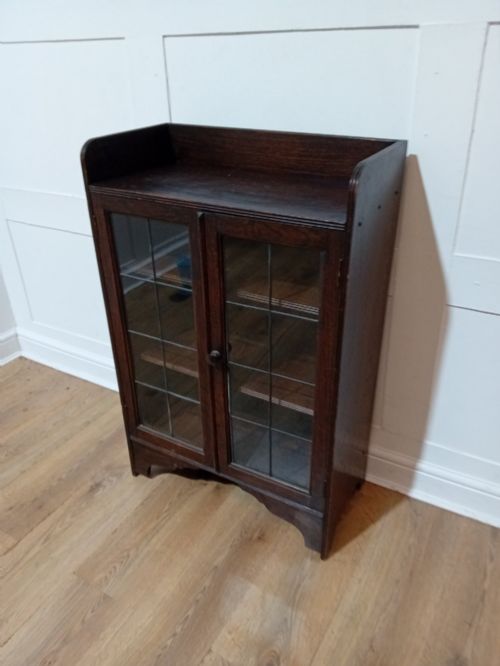
The selections span distinct historical periods, with Edwardian and Victorian examples appearing frequently alongside pieces from the early twentieth century. These small cabinets take forms such as pier cabinets, dwarf bookcases, table top cases, and bijouterie tables.
Makers utilised rich timbers like mahogany, walnut, and oak to frame the transparent display areas. Revivals of Georgian, Queen Anne, and Louis XV styles also shape the designs seen across the inventory.
How they were made
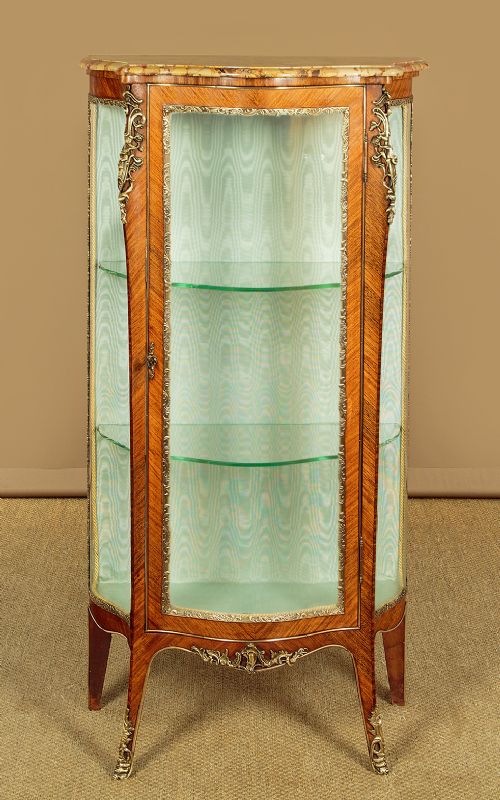
Cabinet makers constructed the foundational carcases using solid timbers and decorative veneers such as burr walnut, kingwood, and satinwood. Glazing bars of varying thickness secure the glass panels that allow light to enter the interior shelves.
Metal mounts in brass and ormolu often accent the corners, hinges, and locks of fine cabinets and vitrines. Fabric linings frequently cover the interior display surfaces to provide a contrasting backdrop for objects placed inside.
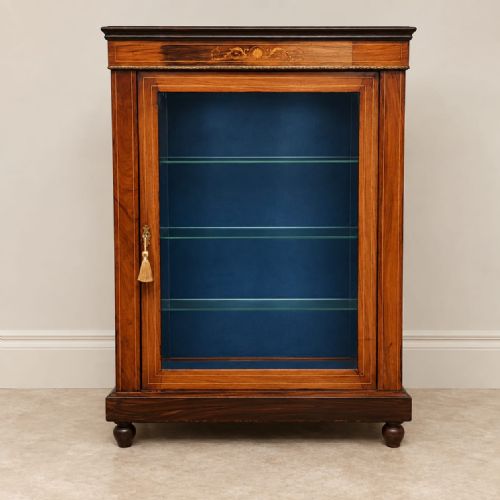
Inlay work utilising rosewood, ebony, and lighter woods decorates the friezes and panels of Victorian and Edwardian examples. Joinery methods relied on traditional cabinet making techniques suited to domestic furniture of the nineteenth and twentieth centuries.
Listings feature oak, mahogany, and walnut cabinets spanning the Victorian, Edwardian, and Arts and Crafts periods.
What varies in quality
The refinement of the timber selection dictates the visual appeal of a small glass display cabinet. Burr walnut and figured mahogany with matched grain patterns sit at the upper end of the scale, offering depth and movement across the surface.
Detailing in the metal mounts and inlay work separates standard utility items from finer parlour pieces. Cast ormolu mounts and precise stringing indicate a higher tier of craftsmanship during the Victorian and Edwardian eras.
Proportion and the handling of glass lights also distinguish cabinet quality. Slimmer framing timbers and carefully fitted curved or straight glass panes demonstrate superior technical skill in construction.
The Small Glass Display Cabinet Glossary
- Vitrine
- A glass-sided cabinet or display case designed specifically for showing porcelain, glassware, or curiosities. These pieces often feature glazed doors on all sides to maximise ambient light.
- Bijouterie table
- A low display table with a glazed top and a shallow compartment beneath for small valuables and specimens. They frequently stand on slender legs and date largely to the Victorian and Edwardian periods.
- Pier cabinet
- An upright display cabinet proportioned to fit the narrow wall space between windows. Victorian examples in walnut and mahogany are particularly common.
- Ormolu
- Gilded bronze mounts applied to the exterior of cabinets and vitrines for decorative effect. The technique adds a metallic contrast to dark hardwood surfaces.
- Stringing
- A narrow inlay of contrasting wood used to outline panels and drawers on cabinet doors. This linear decoration characterises much Edwardian and Georgian revival furniture.
Small Glass Display Cabinet: Frequently Asked Questions
What is a bijouterie table?
A bijouterie table is a low display case with a glazed top designed for holding small ornaments, medals, or jewellery. The hinged or lifted top allows easy access to the felt-lined interior compartment.
These pieces typically date from the Victorian and Edwardian eras when collectors enjoyed exhibiting personal curiosities in drawing rooms.
What woods were used for Edwardian display cases?
Edwardian cabinet makers utilised a range of timbers including mahogany, oak, and walnut. Burr walnut and satinwood veneers also appear on decorative panels.
Inlay work using darker and lighter woods often frames the glazed doors of these lightweight domestic cabinets.
Where should I place a small display cabinet?
A small display cabinet suits rooms where floor space is limited yet vertical storage is useful. Placing the cabinet away from direct sunlight protects both the timber finish and the displayed items.
Sideboards, hallways, and living rooms serve as traditional locations for housing porcelain and glassware safely.