




Timber Glazed Cabinet
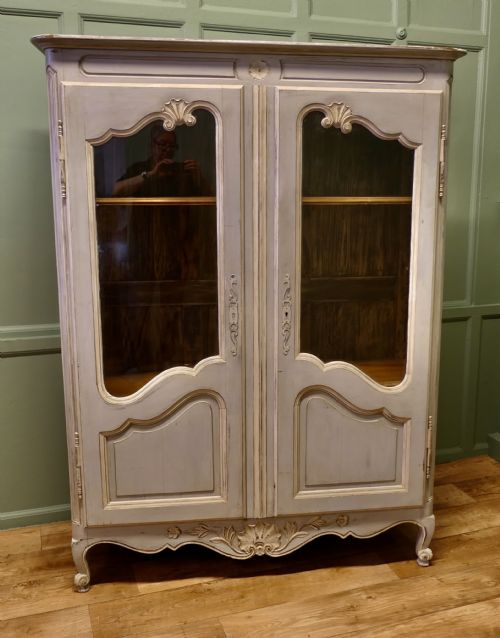
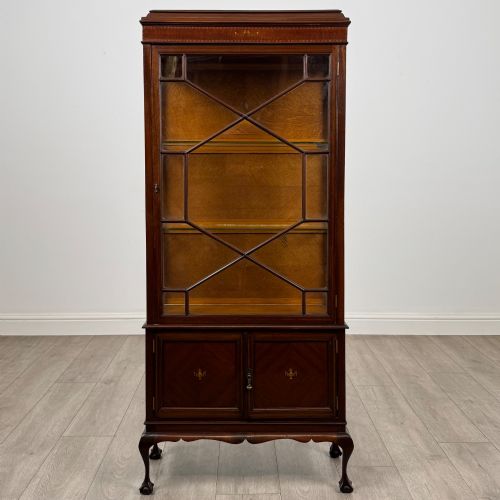
A timber glazed cabinet displays precious possessions behind glass panes while keeping dust at bay.
Timber Glazed Cabinet
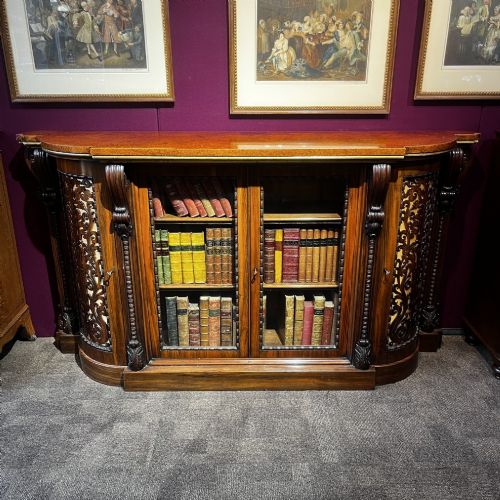
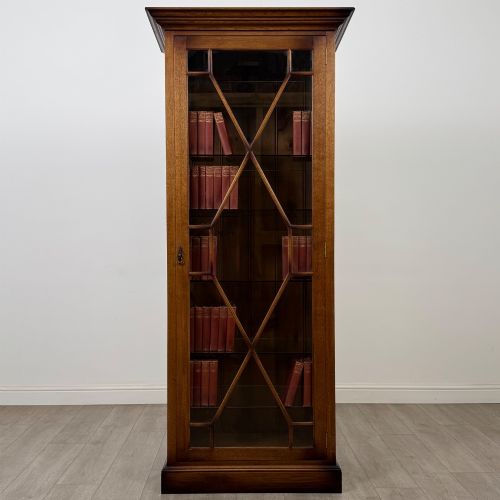
A timber glazed cabinet is a functional piece of furniture designed to house books, ceramics, or curiosities behind transparent doors. These items appear across multiple periods, with Victorian and Edwardian examples forming a significant portion of the selection.
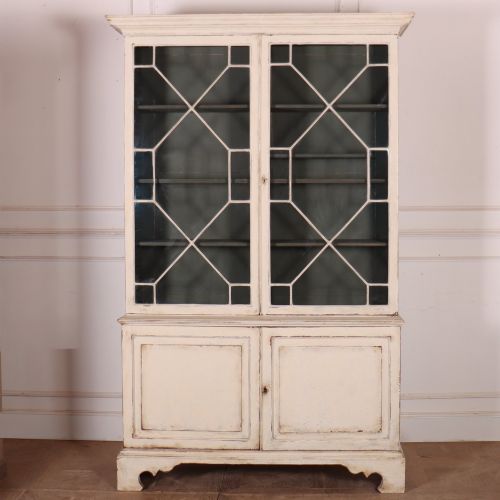
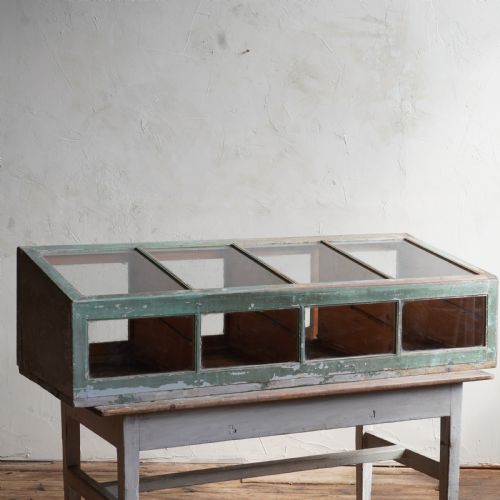
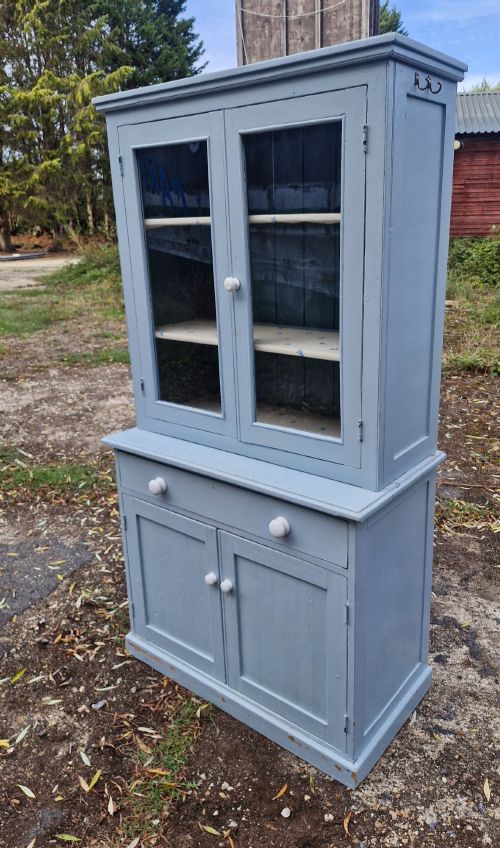
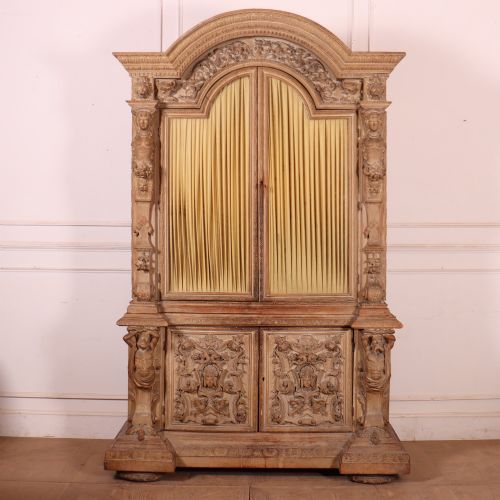
Forms range widely from tall breakfront bookcases and two-part kitchen cupboards to countertop display cases and hanging corner cabinets. Makers utilised various domestic and exotic woods, frequently incorporating glass panels to showcase the contents.
How they were made
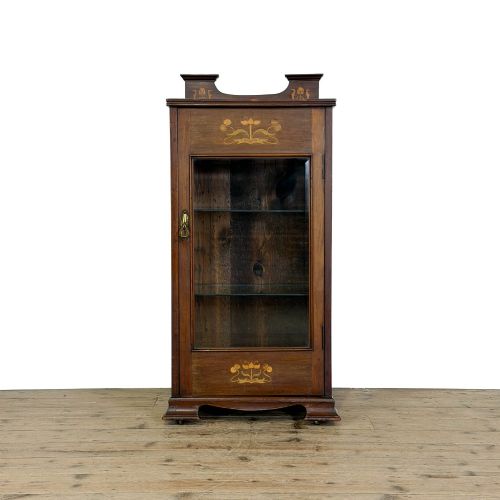
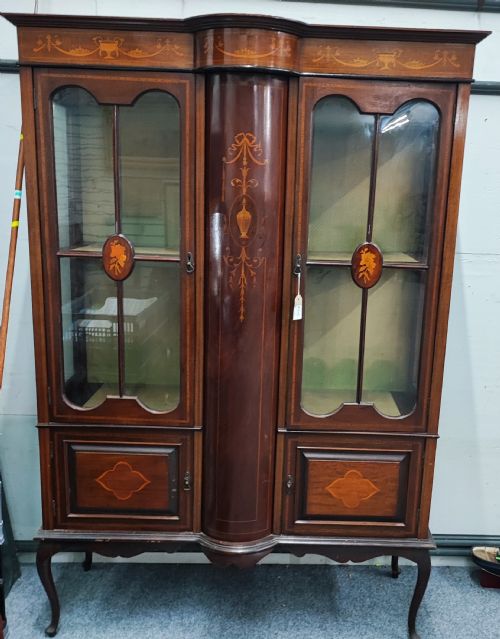
Carpenters constructed these cabinets using solid woods like mahogany, oak, pine, and satinwood, often applying painted finishes, scumble glaze, or decorative inlay. Glass is fitted into wooden doors or frames, sometimes secured with brass hardware.
More elaborate versions employ burr walnut, gonçalo alves, amboyna, and ormolu mounts, reflecting specific periods such as the Georgian era or the Sheraton Revival style.
Listings feature cabinets spanning the eighteenth, nineteenth, and early twentieth centuries, constructed in mahogany, oak, pine, satinwood, and walnut.
What varies in quality
Quality rests primarily in the choice of timber and the precision of the cabinetmaker's joinery. Dense hardwoods and well-figured veneers signify higher execution than utilitarian pine or painted deal.
Finer pieces display thoughtful proportions, original glass panes, and integrated decorative elements such as hand-painted ornamentation or detailed wood carving.
Gillows
The Timber Glazed Cabinet Glossary
- Breakfront
- A large piece of furniture where the central section projects forward from the flanking wings. This architectural arrangement creates depth and visual interest in larger bookcases.
- Vitrine
- A glass-sided cabinet specifically built for displaying porcelain, curiosities, or fine objects. The term originates from the French word for glass.
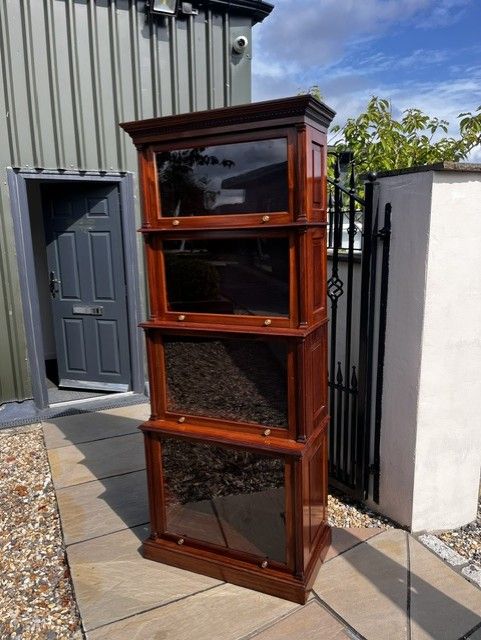
- Barrister bookcase
- A modular bookcase featuring stacking sections with glazed doors that lift and slide inward. These pieces gained popularity in the early twentieth century for office and home libraries.
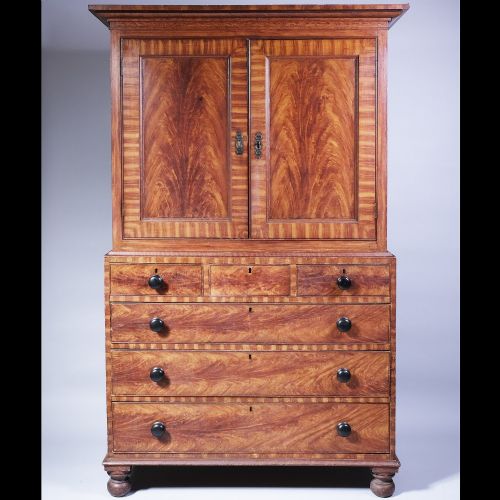
- Scumble paint
- A translucent or opaque glaze applied over a base coat and manipulated with tools to imitate the grain of more expensive woods. This decorative technique appears frequently on nineteenth-century country furniture.
- Corner cabinet
- A space-saving storage unit designed to fit squarely into the corner of a room. Versions range from hanging wall units to tall floor-standing cupboards with glazed upper doors.
Timber Glazed Cabinet: Frequently Asked Questions
What is a timber glazed cabinet used for?
These cabinets serve as secure storage for valuable books, collections, and household objects. The glass doors allow owners to view contents while protecting them from dust and handling.
Historically, larger variations stood in libraries, morning rooms, and shops to exhibit merchandise or private collections. Smaller wall-hung or countertop versions kept delicate items at eye level.
How do I date a timber glazed cabinet?
Dating relies on observing the primary woods, construction techniques, and stylistic details present in the piece. Georgian items often feature clean mahogany lines, whereas Edwardian examples frequently show lighter satinwood or inlaid decoration.
Hardware, glass characteristics, and overall proportions also provide clues to the era of manufacture. Comparing the stylistic markers against known periods helps narrow down the decade.
Where should I place a display cabinet?
Position your cabinet away from direct sunlight to protect vulnerable timber and the objects displayed inside. Rooms with stable humidity levels prevent the wood and glass frames from warping over time.
Consider sightlines and natural light sources to ensure the glass panels catch illumination without creating heavy glare. Corner cabinets make efficient use of otherwise neglected room angles.