





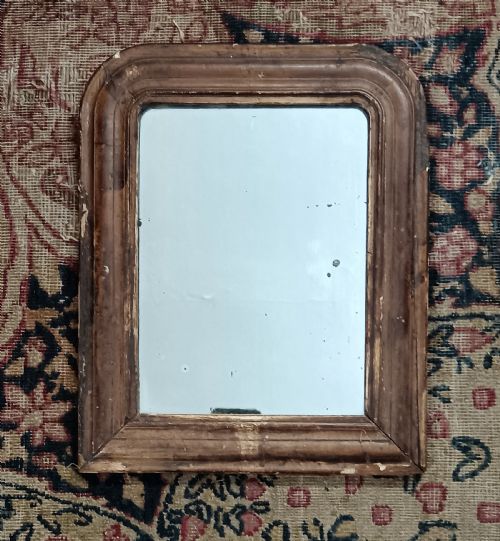
Small French Mirror
A small french mirror brings continental elegance to a compact space through detailed carving and reflective depth.
Small French Mirror
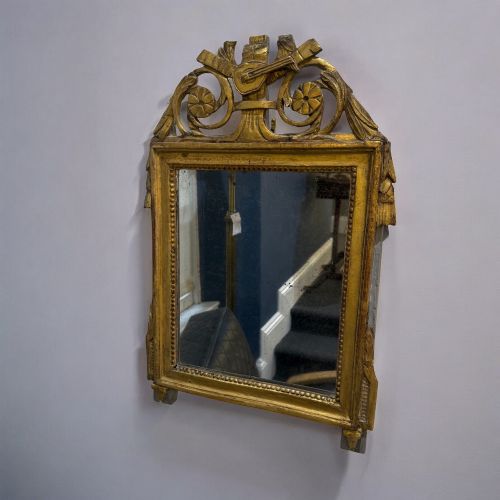
A small french mirror encompasses wall-hanging designs, vanity pieces, and overmantel formats shaped by historic continental styles. When searching for a small french mirror, buyers frequently encounter 19th-century interpretations and early 20th-century revivals.
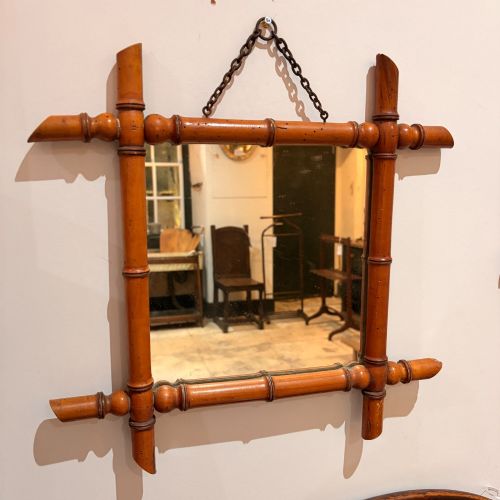
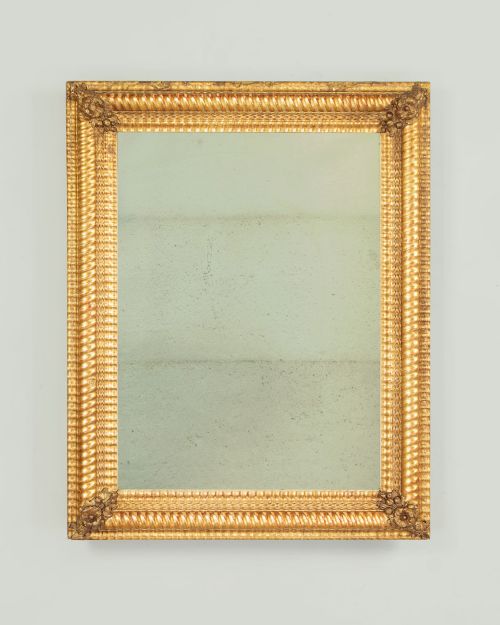
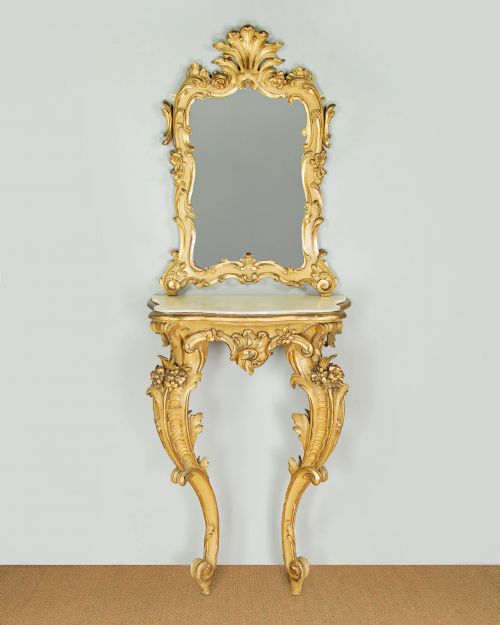
The selection ranges from simple pressed brass and faux bamboo frames to ornate giltwood and gesso pieces decorated with rococo curves. Many examples originate from the 1800s through the early decades of the twentieth century, reflecting enduring regional craftsmanship.
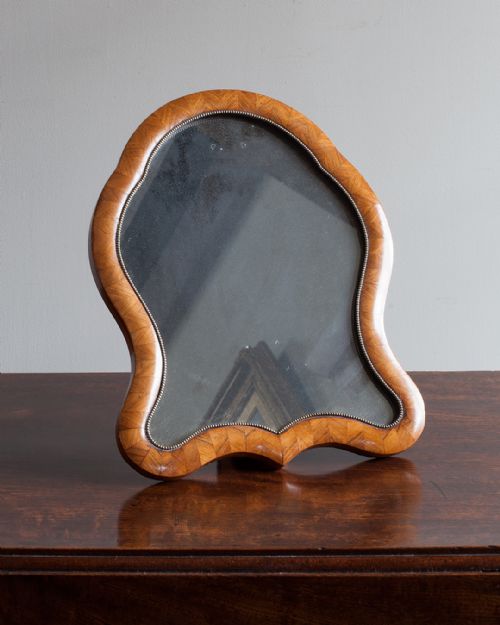
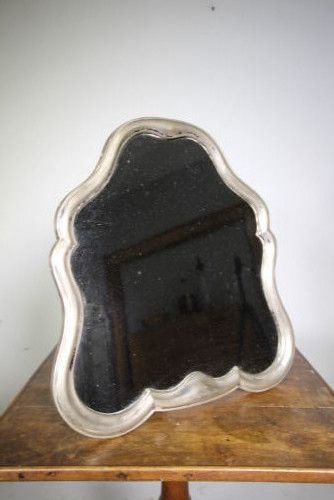
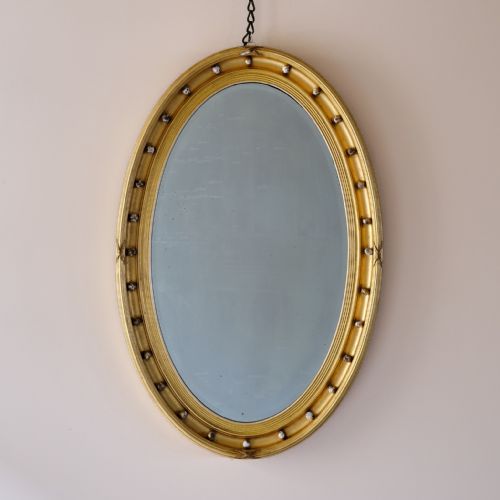
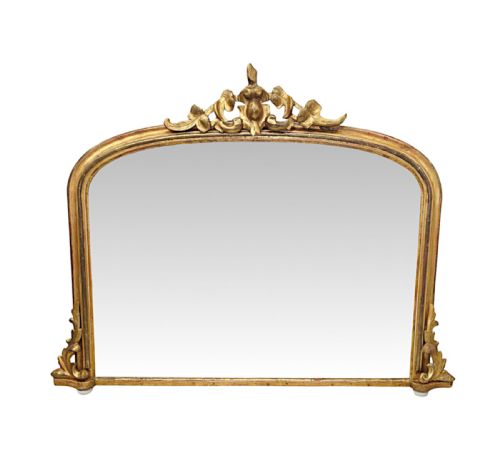
Formats vary from arched top wall mirrors and oval frames to table-top dressing pieces and console pairings. These compact dimensions suit intimate rooms and narrow wall spaces where larger decorative items would overwhelm the interior.
What varies in quality
Quality rests in the crispness of the hand-carved ornamentation and the depth of the gilding applied to the wood and gesso. Superior pieces display finely rendered motifs and well-balanced proportions without clumsy restoration.
The integrity of the original mirror glass and the stability of the joining structure define the upper tier of surviving examples. Secondary woods and backing boards show the age and regional workshop standards of the maker.
Listings feature materials spanning giltwood, gesso, brass, burr walnut, and marble across 18th-, 19th-, and early 20th-century periods.
The Small French Mirror Glossary
- Giltwood
- Timber coated with gold leaf or metallic powder over a prepared gesso base. This finish provides a luminous surface that ages with a warm patina.
- Gesso
- A plaster-like mixture applied to wooden frames before gilding or painting. It creates a smooth, receptive layer for intricate moulded details.
- Louis Philippe
- A mid-nineteenth-century French style characterised by simple arched tops and restrained classical lines. These frames favour understated elegance over heavy ornamentation.
- Rococo Revival
- A nineteenth-century design movement inspired by eighteenth-century asymmetry and natural forms. Pieces feature flowing scrolls, floral motifs, and organic curves.
- Overmantel
- A large or medium mirror designed to sit directly above a fireplace mantel. Neater versions offer similar architectural placement for smaller reception rooms.
Small French Mirror: Frequently Asked Questions
Where should I hang a small french mirror?
These compact mirrors suit entryways, bedrooms, and narrow wall spaces where they bounce natural light around the room. Their scale allows them to fit comfortably above small pieces of furniture like console tables or dressing desks.
Positioning the glass at eye level maximises both its decorative impact and its practical function in daily use.
How do I identify a 19th-century French mirror?
Look for construction details such as hand-cut mirror glass, tongue-and-groove or pegged wooden backboards, and traditional gesso over carved timber. French pieces from this era frequently exhibit distinct regional revival styles like Louis Philippe or Rococo.
Examine the patination on the gilding and the fastenings used to secure the mirror plate within the frame for clues regarding age.
What is faux bamboo furniture?
Faux bamboo involves shaping solid wood to imitate the segmented joints and textures of natural bamboo canes. This technique became particularly popular in nineteenth-century European design for mirrors and dressing cabinets.
Makers painted or lacquered the turned wood to mimic exotic cane varieties, offering an adventurous aesthetic for domestic interiors.
How do I care for antique giltwood?
Protect delicate giltwood and gesso surfaces by keeping them away from direct sunlight and excessive moisture. Dust the carved details gently with a soft, dry brush rather than wiping them with damp cloths.
Avoid commercial cleaning sprays, as harsh chemicals can strip the historic metallic leaf and damage the underlying preparation layers.