



Small Framed Miniature Painting
A small framed miniature painting delivers intimate portraiture and quiet detail, spanning centuries of hand-painted artistry in compact formats.
Small Framed Miniature Painting
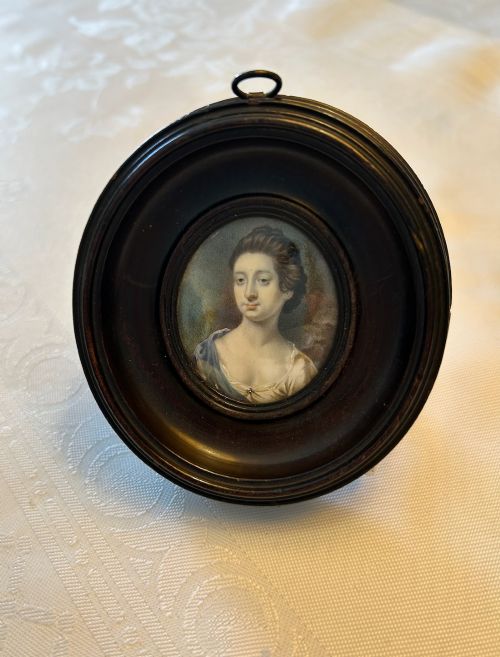
A small framed miniature painting concentrates portraiture and landscape into a hand-held scale, often executed with astonishing precision. Buyers seeking this phrase encounter works ranging from seventeenth-century oils on copper to nineteenth-century watercolours on paper and ivory.
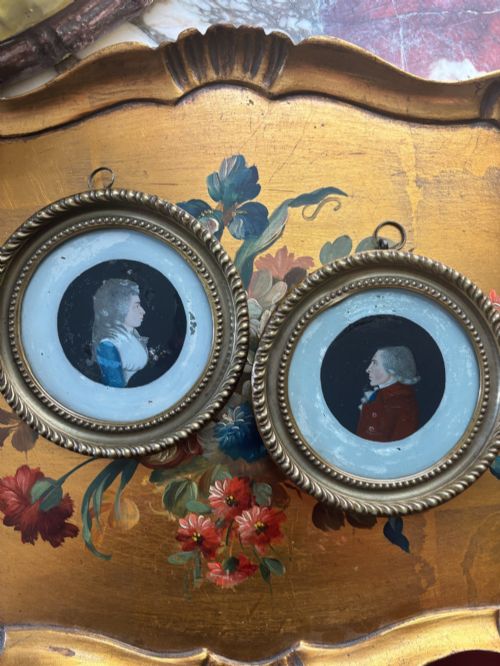
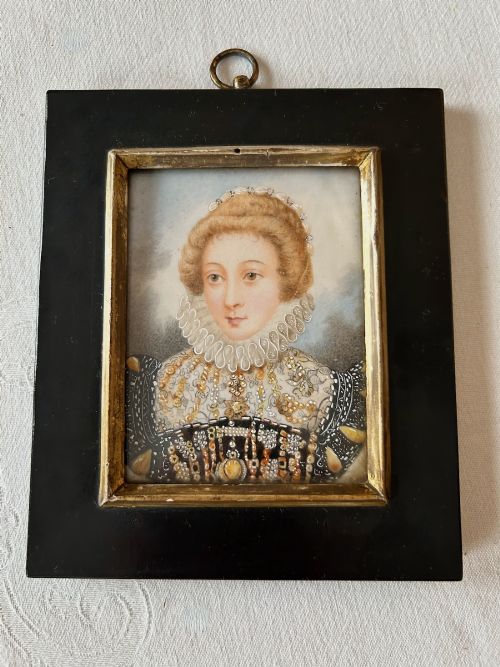
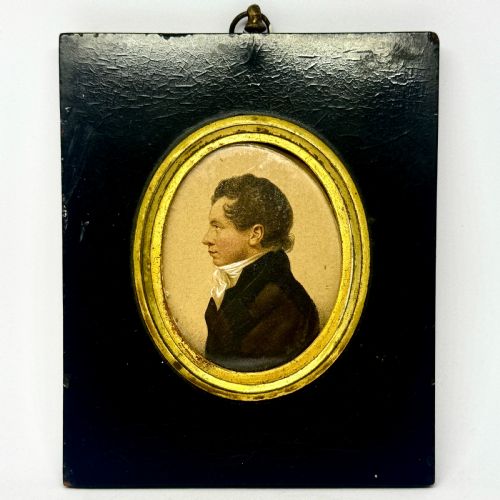
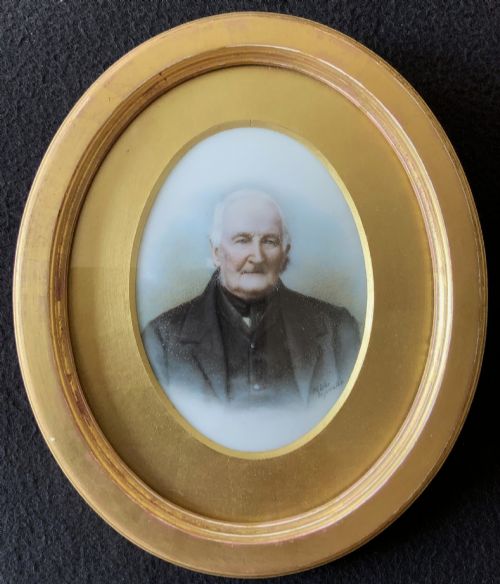
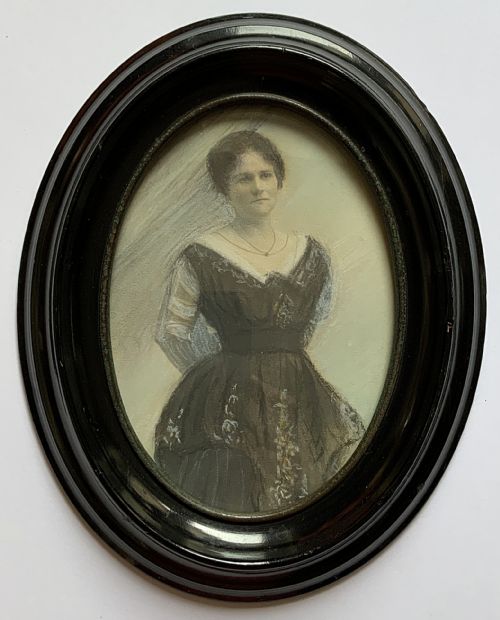
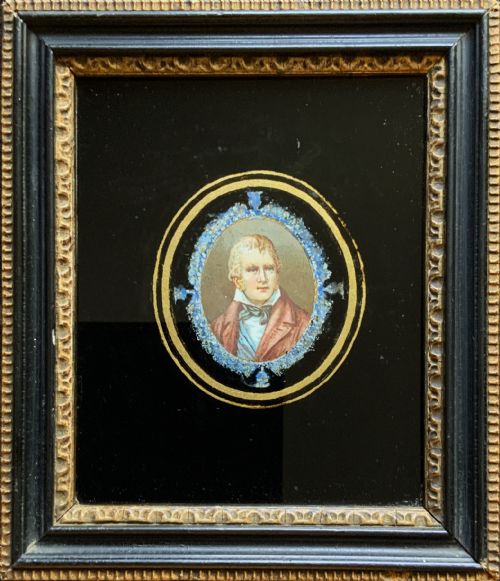
The selections on this page lean heavily towards the nineteenth century and the Georgian and Regency periods. Portrait miniatures dominate the available forms, depicting sitters from nobility to children, alongside occasional floral still lifes and river landscapes.
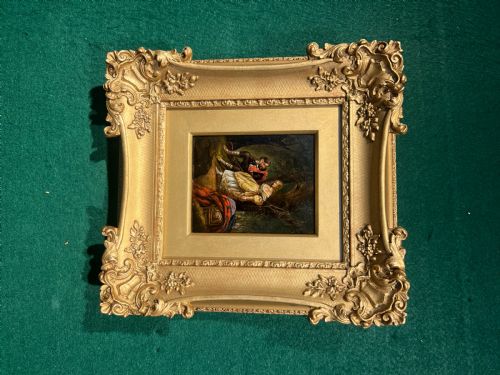
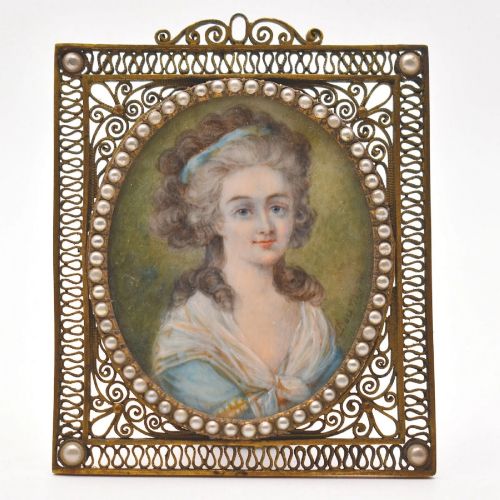
Framing is integral to these pieces, with survivors presented in period ebonised wood, gilt metal, brass, and Hogarth frames. Buyers meet both single studies and paired companion portraits intended for domestic display.
Materials and methods
Artists painted these works using watercolour, gouache, pastel, or oil upon supports such as paper, prepared card, ivory, glass, and copper. The delicate nature of the medium required fine brushes and steady hands to achieve minute facial expressions and detailed dress.
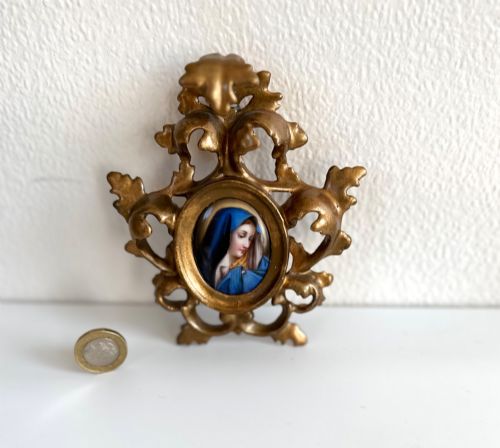
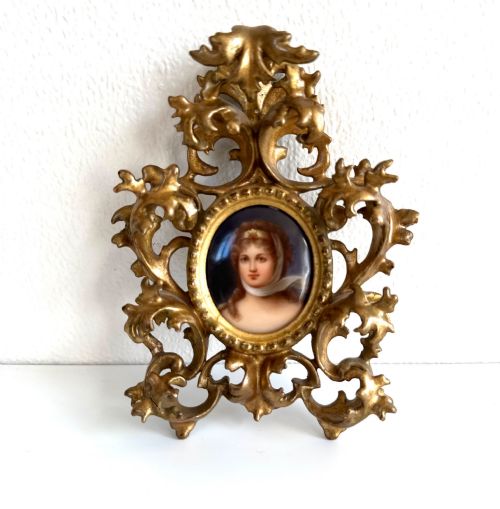
Protective glazing with glass preserved the vulnerable painted surfaces from dust and atmospheric damage. Frames utilised cast brass, gilded metal, and polished ebonised wood, often fitted with hanging loops or small stands for tabletop placement.
Several portraits preserve the intense gaze of subjects linked to tea trade history and romantic poetry.
Distinctions in quality
Quality rests upon the skill of the brushwork and the psychological depth captured in the sitter's expression. Superior examples display precise anatomical rendering and delicate handling of light in hair and textiles.
The integrity of the original housing also influences the piece, as period frames matching the exact decade of the painting preserve the intended aesthetic context. Signed works by documented artists command particular attention from collectors.
Henri Fradelle·Richard Cosway·Dumont·Emma Kendrick·George Hargreaves·Isaac Wane Slater·John Scougall
The Small Framed Miniature Painting Glossary
- Portrait miniature
- A small-scale painting depicting a person, executed with high detail and intimacy. These works were frequently exchanged as tokens of affection or worn as jewellery.
- Ebonised wood
- Timber treated to resemble ebony, providing a dark, contrasting border popular in Georgian and Victorian framing. This finish highlighted the luminous colours of the painting within.
- Gilt metal
- Base metal treated with a thin layer of gold or gold-coloured wash to give a metallic sheen. It appears frequently in nineteenth-century frames and desk stands.
- Gouache
- An opaque water-based paint that provides solid, flat areas of colour and dense highlights. Miniature painters utilised it alongside watercolour for added depth.
Small Framed Miniature Painting: Frequently Asked Questions
What subjects appear in these paintings?
Portraits of gentlemen, ladies, children, and historical figures form the core of the selection. Landscapes and floral still lifes also appear.
Faces are rendered with notable precision, reflecting the fashion and social status of their eras.
How were these paintings displayed originally?
Owners hung them closely grouped on walls or placed them upon desks and mantelpieces using small metal stands. Some were designed to be carried personally or worn.
Their compact size allowed intimate viewing within domestic spaces.
How do I identify the period of a frame?
Ebonised wood frames with shallow profiles typically point to the Georgian and Regency eras. Ornate brass and gilded metal mounts often signify Victorian production.
Construction methods and backings offer further clues to age.
Are these works signed by the artists?
Some pieces bear signatures, monograms, or inscriptions on the front or reverse by the hand of the painter. Others remain unattributed, assigned instead to broader British or continental schools.
Documentation on the back often names the sitter or records a date.