


Victorian Lady Portrait Miniature
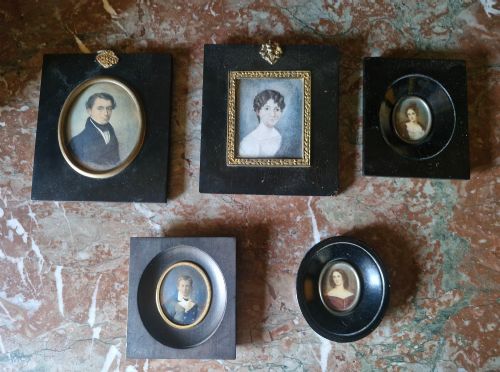
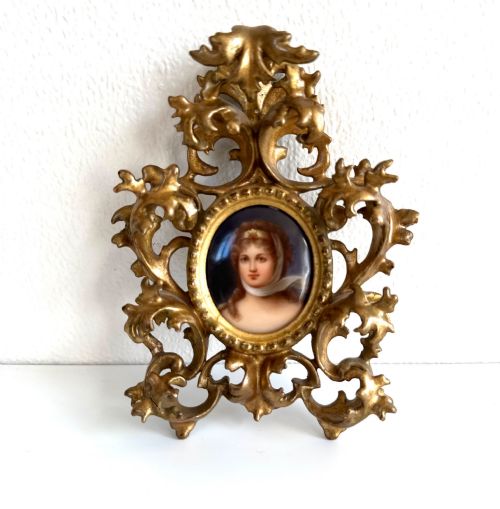
These Victorian lady portrait miniature pieces are intimate hand-painted likenesses framed in wood, brass, and gilt metal, prized for their delicate detail and personal scale.
Victorian Lady Portrait Miniature
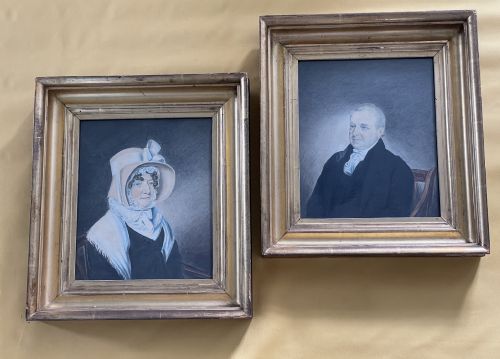
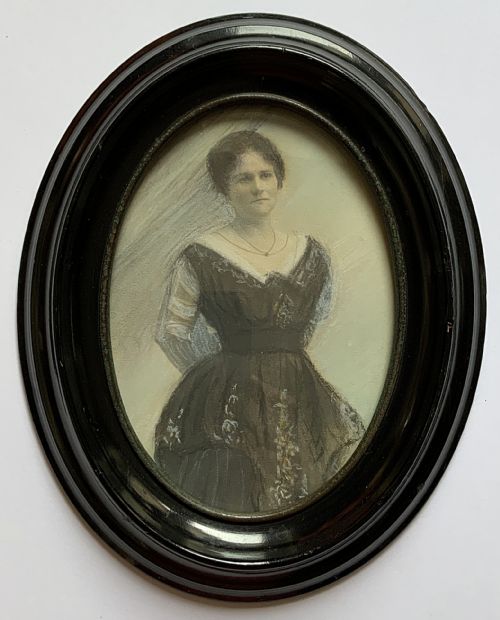
A victorian lady portrait miniature is a small-scale painting capturing the likeness of a woman, typically executed during the nineteenth century. These works appear in forms such as oval watercolours, pastels, gouache, and oil paintings on paper, card, or panel. Buyers encounter framed paintings, silhouettes, and jewellery items like stick pins containing these likenesses.
The objects span periods from the Georgian and Regency eras through the mid-nineteenth century and into the year 1900. Styles range from Rococo Revival frames to early Victorian and Victorian execution. Subjects include young ladies in profile, head and shoulder studies, and seated figures wearing lace caps and black dresses.
How they were made
Makers housed these small paintings in protective surrounds including ebonised wood frames, birds eye maple, brass, gilt metal, and paper mache frames, often under glass. Stick pins integrated miniature portraits into gold jewellery mounts for personal wear.
Periods represented in the archive and current listings span the Georgian, Regency, and Victorian eras, up to the year 1900.
What varies in quality
The refinement of the brushwork and the precision of the facial likeness distinguish finer examples from simpler works. Artists who captured subtle expressions, textures of hair, and details of lace and dress produced more compelling portraits.
The quality of the housing also elevates a piece, with heavy gilt metal surrounds, fine ebonised wood, birds eye maple frames, and original cased mountings commanding greater attention than plain settings.
Edward Smyth·G Marshall Mather
The Victorian Lady Portrait Miniature Glossary
- Profile
- A side-view portrait showing the head and face from the side. This format was common in early nineteenth-century miniatures and silhouettes.
- Ebonised wood
- Timber stained or treated to imitate ebony. This dark finish provided a stark contrast to highlight the light tones of the miniature portrait.
- Gouache
- An opaque watercolour paint used by artists to achieve solid areas of colour and fine detail. It appears frequently in nineteenth-century miniature paintings.
- Silhouette
- A dark outline or profile portrait filled in with a solid colour, often hand painted on glass or paper. These works capture figures in strict monochrome.
- Stick pin
- A long pin with a decorative head used to secure a necktie or lapel. Some miniature portraits were mounted onto gold stick pins as wearable art.
Victorian Lady Portrait Miniature: Frequently Asked Questions
How were these miniature portraits displayed?
Owners hung these small paintings on walls in tight clusters or placed them on mantelpieces and desks where their intimate scale could be appreciated up close.
Some pieces were designed as personal jewellery, such as gold stick pins, allowing the wearer to keep a likeness close to them throughout the day.
What materials are used in these frames?
Frames and enclosures incorporate ebonised wood, birds eye maple, brass, gilt metal, and paper mache. Glass is used across the front to protect the delicate paint surfaces.
Some pieces are presented in dedicated fitted cases lined with fabric to preserve the oil or watercolour painting inside.
How do I identify a Georgian piece?
Georgian and Regency pieces often feature specific clothing styles, simpler framing, and profile compositions executed in watercolour or silhouette.
These earlier works predate the heavier ornamentation associated with later nineteenth-century Rococo Revival frames.
Are these paintings signed by artists?
Certain pieces bear artist signatures or inscriptions on the reverse or front, while many nineteenth-century miniatures remain anonymous.
Recorded makers include portraitists such as Edward Smyth and G Marshall Mather.