
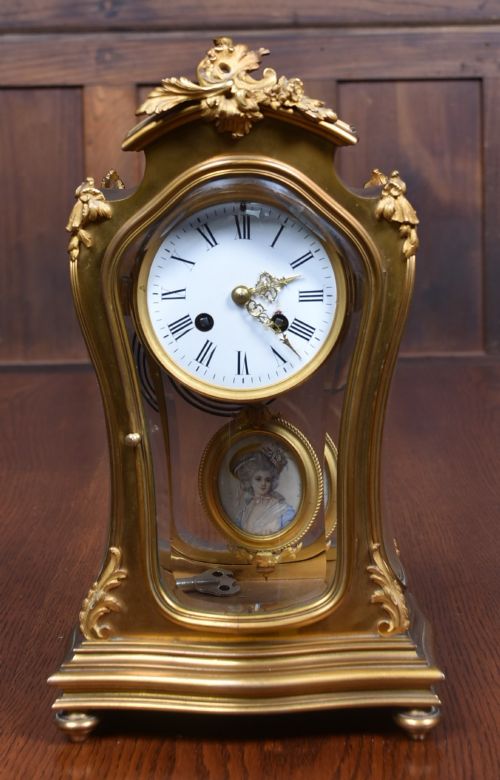


Gilt Bronze Miniature Portrait
These gilt bronze miniature portrait pieces combine delicate painted likenesses with ornate metal framing, offering a tangible glimpse into past centuries that collectors prize for their intricate craftsmanship.
Gilt Bronze Miniature Portrait
When you search for gilt bronze miniature portrait items, you encounter a specialised category encompassing framed likenesses, decorative caskets, and timepieces adorned with small depictions. These works span the eighteenth and nineteenth centuries, capturing the likenesses of gentlemen, ladies, and musicians through varied artistic mediums.
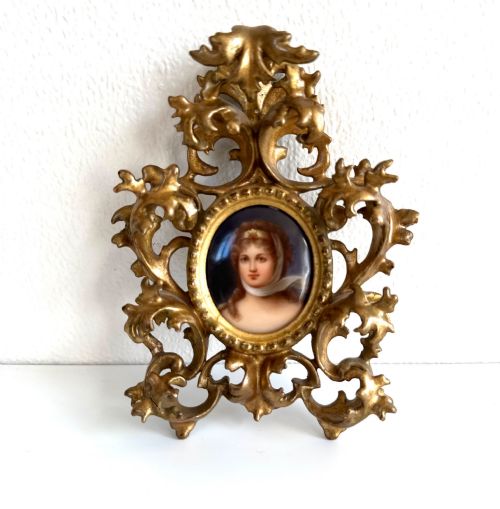
The objects on this page most frequently take the form of French Rococo Revival frames, jewellery caskets, and mantel clocks housing hand-painted or silhouetted figures. You will also find table mirrors and wall art pieces that integrate metalwork with portraiture.
Origins stretch across Georgian, Regency, and Victorian periods, with notable French influences appearing through Limoges enamel and ormolu mounts. Each piece bridges decorative metalwork and intimate portrait painting in a compact format.
Materials and construction methods
Maker construction relies heavily on gilt bronze, brass, and gilt metal to build robust frames, caskets, and clock mounts. These metals are often chased or cast in ornate styles such as French Rococo Revival.
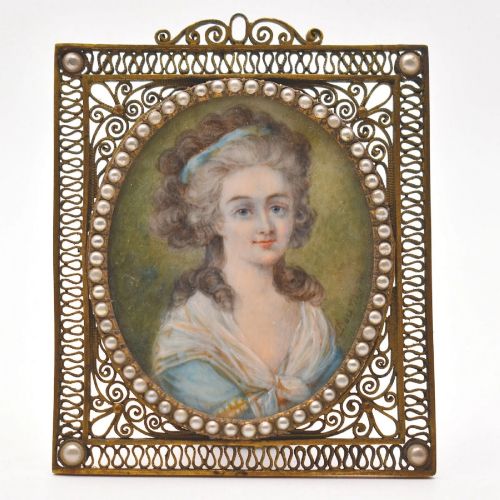
Portraits themselves appear on paper, wood, and glass surfaces, utilising ink, enamel, and paint to render fine facial details. Some examples incorporate seed pearls or specialised Limoges techniques to enhance the visual depth of the miniature.
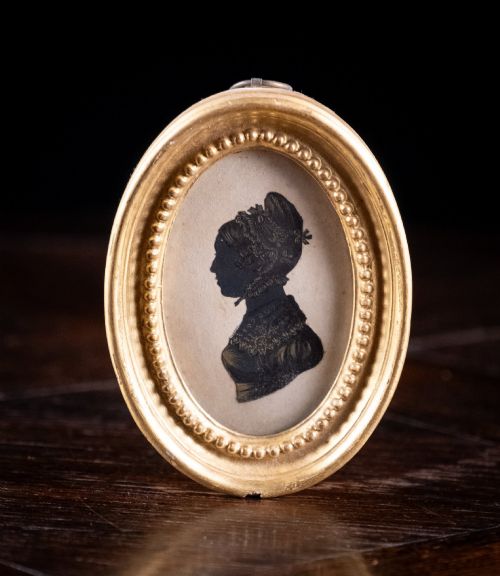
Protective glass fronts commonly cover the paper or painted surfaces, safeguarding delicate silhouettes and miniature paintings from dust and physical damage over the centuries.
Gentlemen and musicians gaze eternally from tiny wooden panels, perfectly content to live inside velvet-lined caskets.
Distinctions in quality and execution
Quality separates through the finesse of the metal chasing and the precision of the portrait painting itself. Superior examples display crisp casting in the gilt bronze mount and delicate, expressive brushwork on the miniature.
The integration between the metal housing and the artwork dictates overall refinement, where master artists and skilled metalworkers collaborated. Signed works by artists such as Dumont, Rodier, or N Millett indicate a higher tier of artistic provenance.
Dumont·Rodier·N Millett·F Bienvue
The Gilt Bronze Miniature Portrait Glossary
- Gilt bronze
- Metal cast and finished with a layer of gold, providing a durable and luminous surface for frames and caskets. This material is frequently associated with nineteenth-century decorative arts.
- Miniature painting
- A detailed artwork executed on a small scale, often housed within a protective metal or wooden frame. These works demand exceptional brush control.
- Silhouette
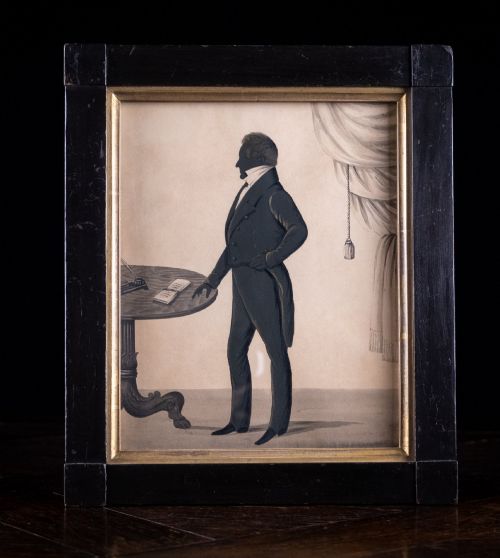
- A portrait represented as a solid shape of a single colour, usually black on a pale background, cut from paper or painted. Early nineteenth-century examples often depict standing gentlemen and ladies.
- Limoges enamel
- Glassy material fused to a metal substrate through firing, originating from the French city of Limoges. This technique yields rich colour and smooth finishes on decorative items.
- Ormolu
- Finely chopped gold applied to a bronze base using a mercury amalgamation process, popular in French furniture and clock mounts. The term denotes high-status decorative metalwork.
Gilt Bronze Miniature Portrait: Frequently Asked Questions
How are miniature portraits cleaned safely?
Dust metal frames gently with a dry, soft brush to protect the delicate gilt surfaces. Avoid liquid cleaners on painted miniatures and glass to prevent moisture seeping underneath.
Keep these objects away from direct sunlight and damp environments. Stable indoor temperatures preserve both the metalwork and the organic materials used in the portraits.
What periods do these pieces span?
The selection covers the eighteenth and nineteenth centuries, encompassing Georgian, Regency, and Victorian eras. French Rococo Revival styles feature prominently among the surviving objects.
Earlier pieces often showcase silhouettes, while later Victorian examples frequently incorporate Limoges enamel and jewellery caskets. Examining the mount style and painting medium helps narrow down the production era.
Were these portraits meant for travel?
Many miniature portraits were designed as personal tokens to be carried or kept close in pockets and travel cases. Jewellery caskets and folding frames served this portable function.
Other items, such as mantel clocks and table mirrors, remained static interior furnishings. Their dual purpose as timepieces or looking glasses made them centrepieces for dressing tables and mantelpieces.
How do I identify signed miniatures?
Signatures typically appear in the lower corners of the painted surface or along the edge of the enamel. Artists inscribed their names in fine ink or paint during creation.
Consulting maker records and comparing handwriting styles helps authenticate these signatures. Signed pieces by recorded artists often carry higher collectible interest.