


Small Dark Mahogany Table
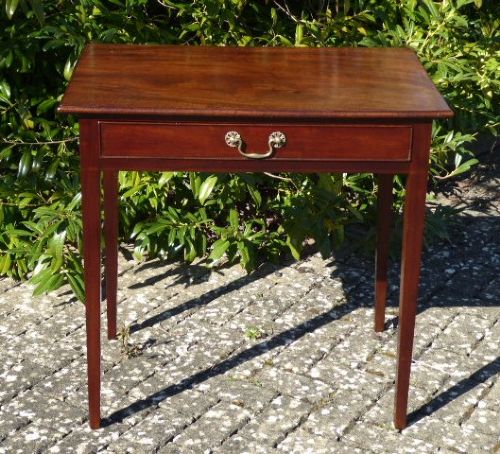
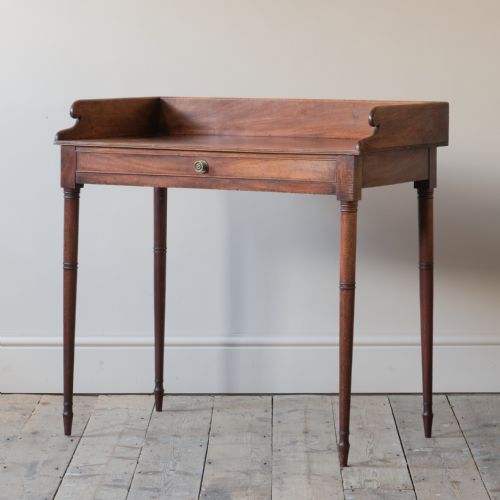
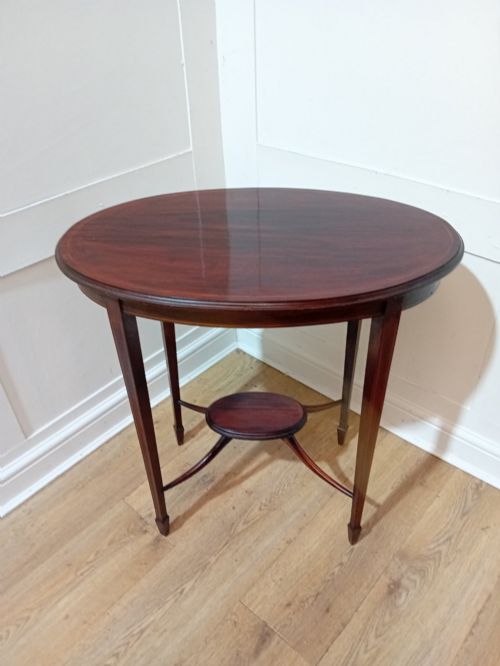
A small dark mahogany table brings rich grain and practical surface area to corners where larger furniture simply will not fit.
Small Dark Mahogany Table
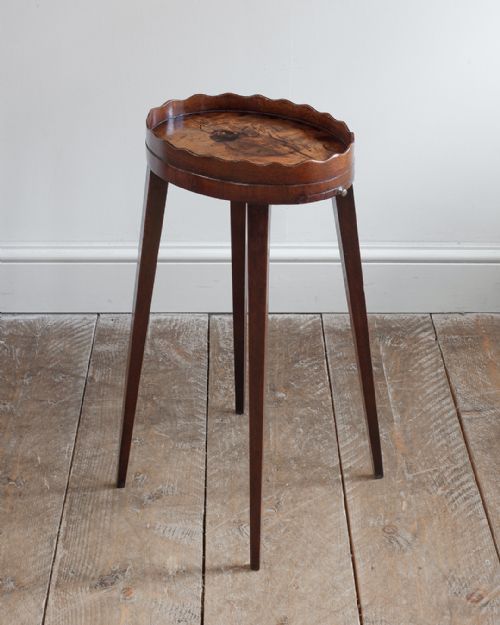
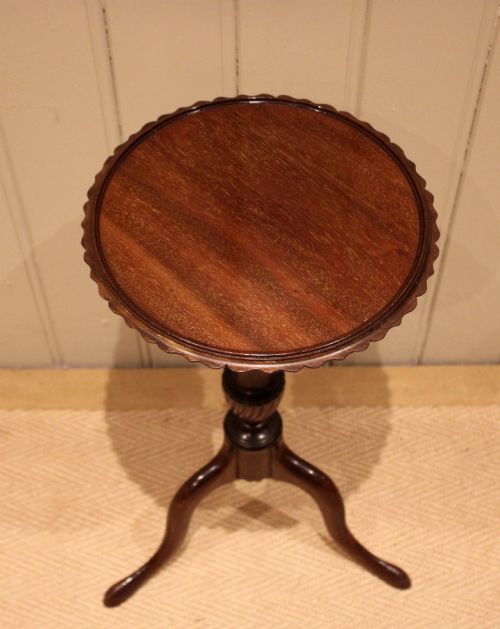
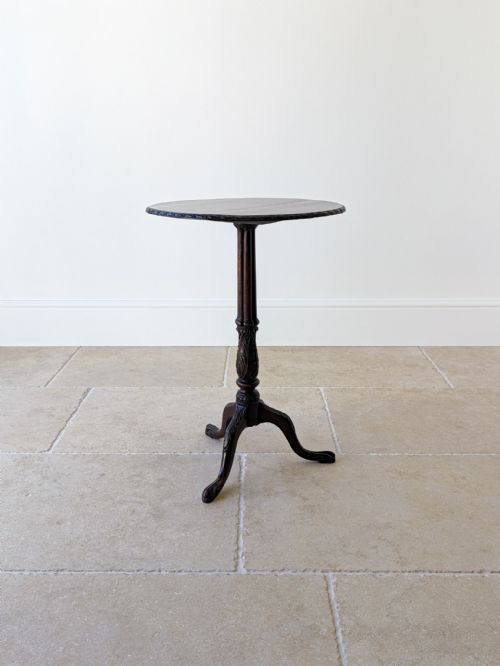
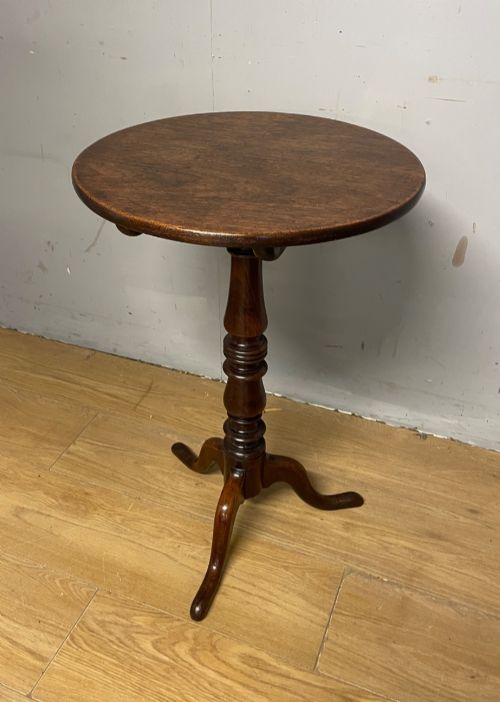
A small dark mahogany table serves primarily as an occasional, wine, or side table designed to sit quietly beside a chair or in a tight space. You will frequently encounter compact nineteenth-century and Edwardian examples that prioritise utility without sacrificing presence.
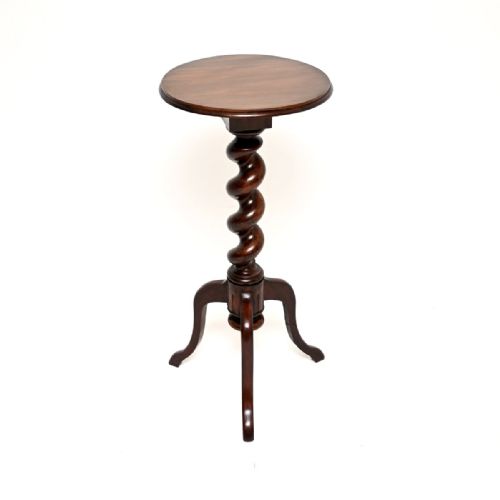
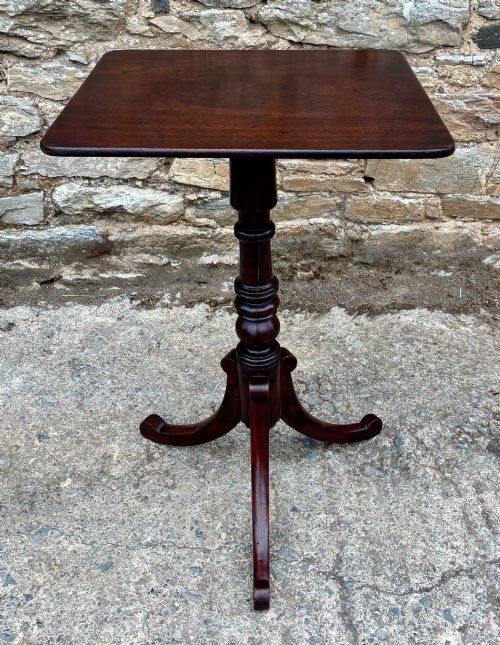
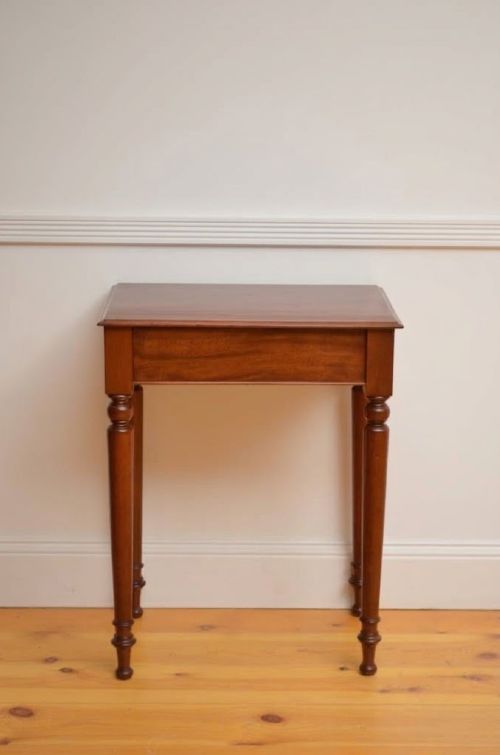
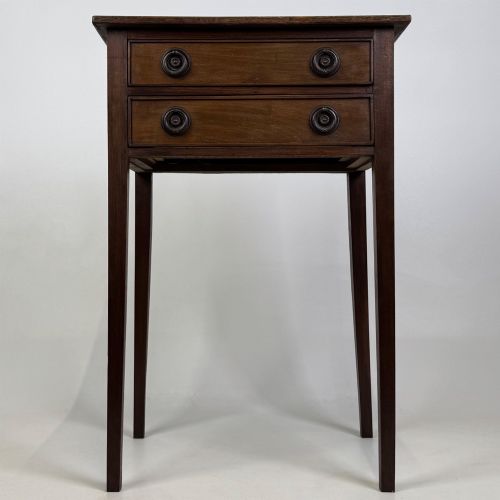
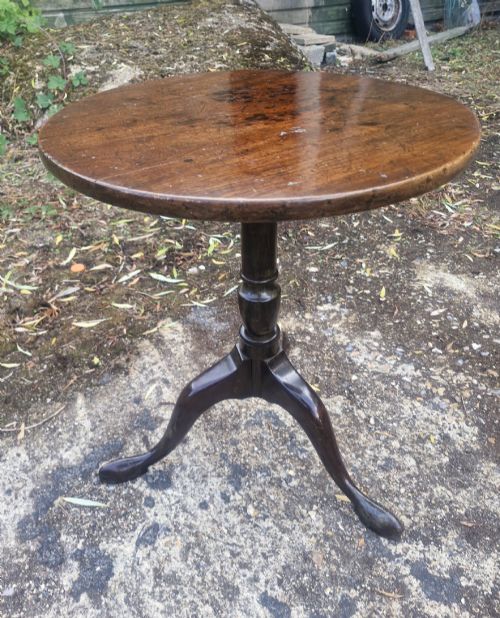
The form spans straightforward circular tripod wine tables, small Pembroke tables with drop leaves, and low lamp tables with single drawers. These pieces reflect domestic needs across the Georgian, Victorian, and Edwardian eras, scaled down for mobility and convenience.
Makers adapted the timber to various specific rooms, producing bedside cabinets, washstands, and revolving bookcases alongside traditional tripod stands. Each variation maintains the core identity of a small dark mahogany table through its timber and compact footprint.
Materials and Construction
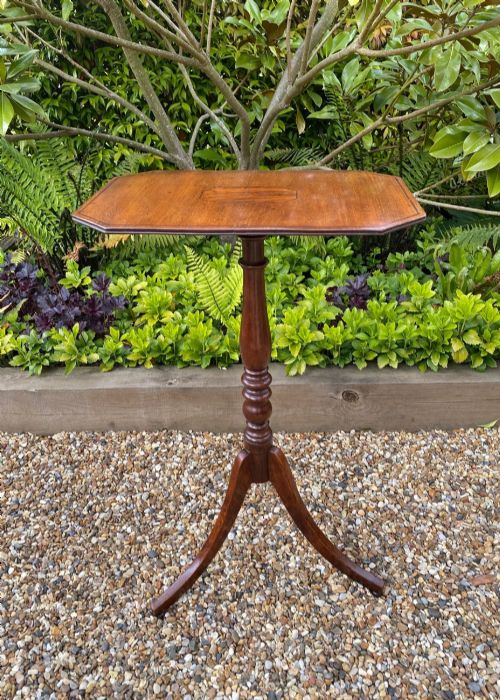
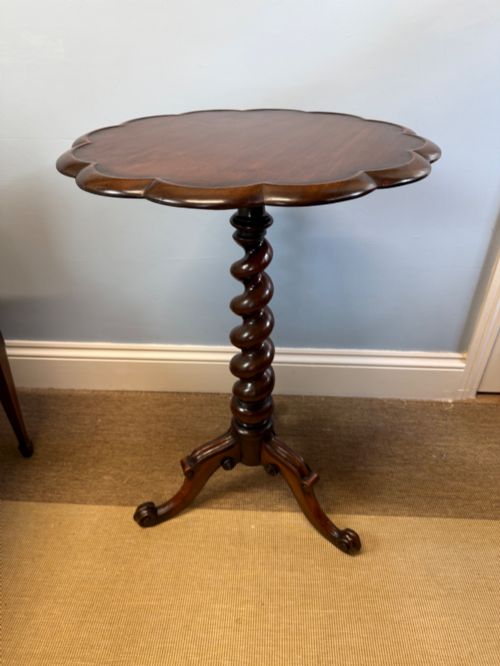
Makers utilised solid mahogany and applied veneer over secondary woods, often balancing the dark timber with brass hardware or contrasting satinwood and wood inlay. Tripod bases frequently feature turned pedestals supporting tilt tops or fixed circular tops.
Joinery techniques included mortise and tenon joints for frames alongside dovetailing for small drawers in side tables and nightstands. Surface finishing relied on polish that enhanced the deep red-brown natural grain of the timber over decades of use.
Several wine tables feature detachable tops, reminding us that nineteenth-century hosts liked to pack away the port and clear the floor.
Distinctions in Quality
Quality rests in the selection of the mahogany timber itself, where dense grain and rich colour outshine flat or plainly figured surfaces. The crispness of carved details on tripod legs and the subtlety of inlaid wood distinguish finer workshop output.
Structural integrity, such as a stable pedestal base that does not wobble and smooth drawer movement, separates better-made pieces from standard utility items. Original brass fittings and well-preserved turnings further elevate a piece above ordinary production.
The Small Dark Mahogany Table Glossary
- Tripod table
- A small table supported by a central pillar and three spreading legs. This design became popular in the eighteenth century for its stability on uneven floors.
- Tilt top
- A table top hinged to the pedestal so it can pivot vertically when not in use. This allowed tables to be stored flat against a wall.
- Wine table
- A small occasional table designed to hold a glass and bottle near a seating area. They frequently feature circular tops and central pedestals.
- Pembroke table
- A small rectangular table with hinged drop leaves on two opposing sides. It often includes one or two small drawers.
- Veneer
- A thin layer of superior wood applied over a base of cheaper timber. This technique allowed cabinet makers to display striking grain patterns without wasting solid stock.
Small Dark Mahogany Table: Frequently Asked Questions
Where should I place a small dark mahogany table?
These compact tables fit comfortably beside armchairs, in narrow hallways, or as bedside stands where surface space is limited.
Their dark timber tones anchor light-coloured rooms and complement traditional or eclectic interiors alike.
How do I care for mahogany furniture?
Keep the wood away from direct sunlight and strong heat sources to prevent the polish from drying or cracking.
Dust regularly with a dry cloth and apply occasional wax polish to maintain the rich lustre of the grain.
How can I tell a Georgian table from a Victorian one?
Georgian tables generally display restrained proportions and simpler, classical lines reflecting eighteenth-century design ideals.
Victorian and revival pieces often incorporate heavier proportions, more elaborate turning, or Revival stylistic influences like Chippendale or Sheraton motifs.