

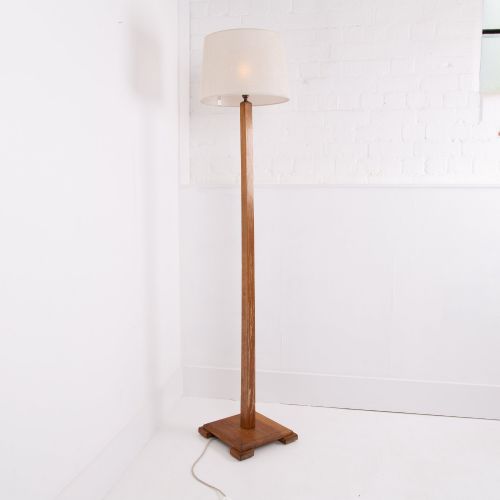
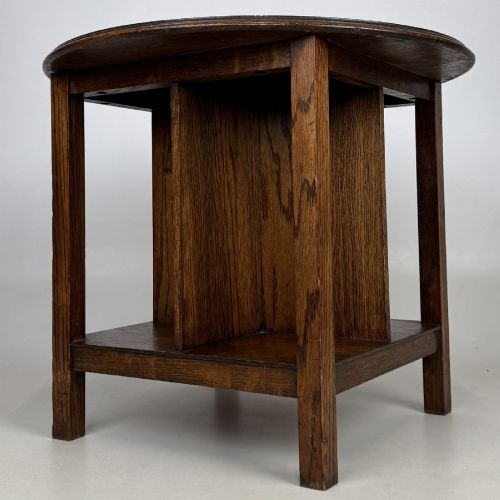
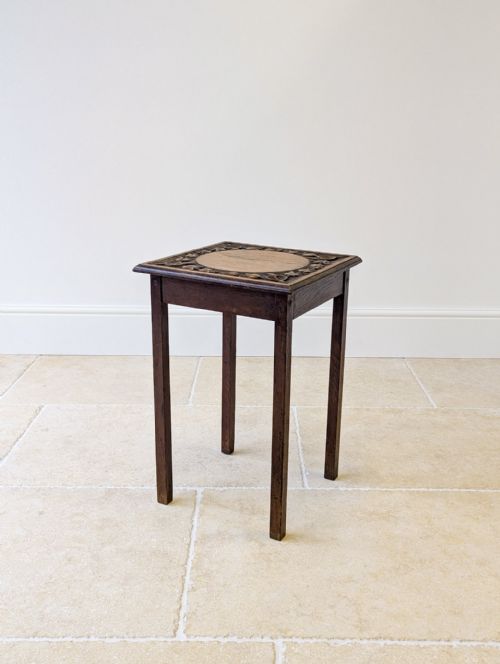
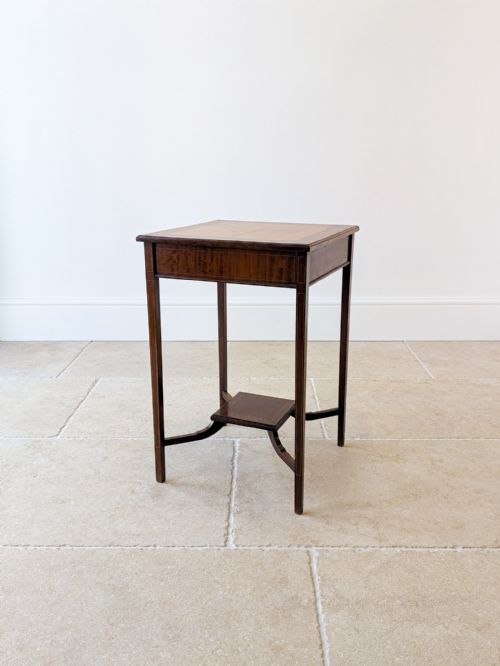

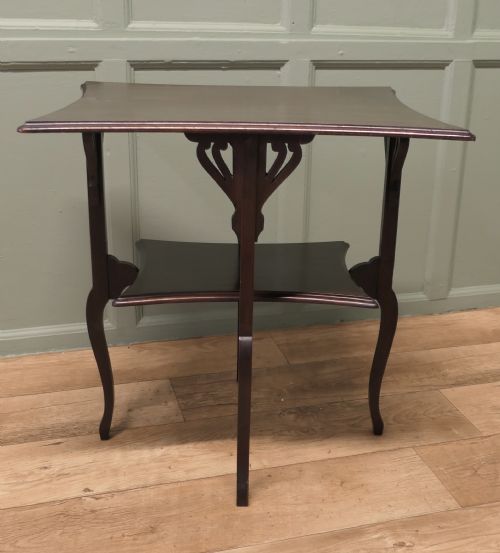
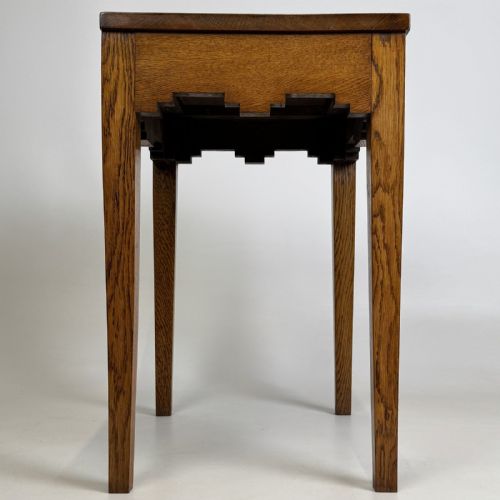
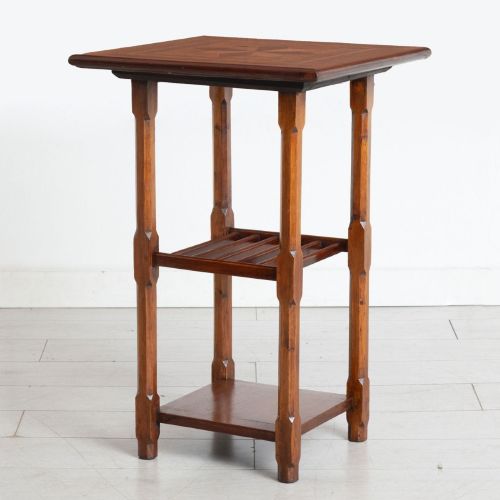
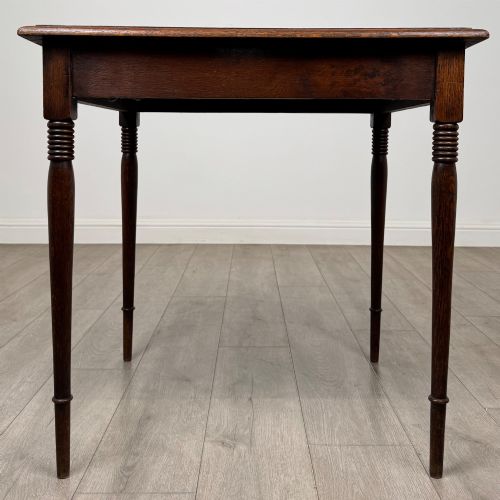

Antique Square Lamp Stand
An antique square lamp stand provides a sturdy surface for lighting, typically taking the form of an occasional, side, or wine table.
Antique Square Lamp Stand
An antique square lamp stand primarily serves as a compact surface to hold illumination, appearing across periods from Georgian and Regency through to Victorian, Edwardian, and the 1920s. Buyers searching for an antique square lamp stand will most frequently encounter side tables, occasional tables, and wine tables adapted for this purpose.
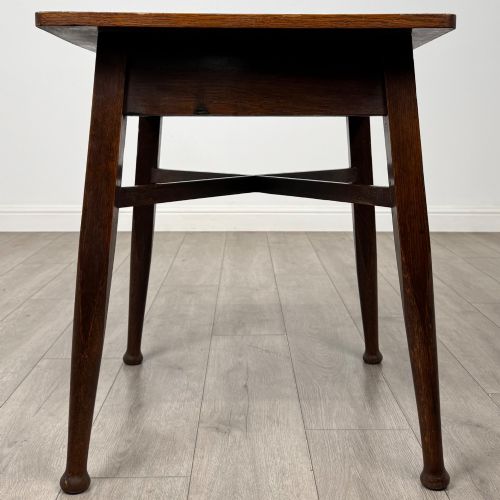
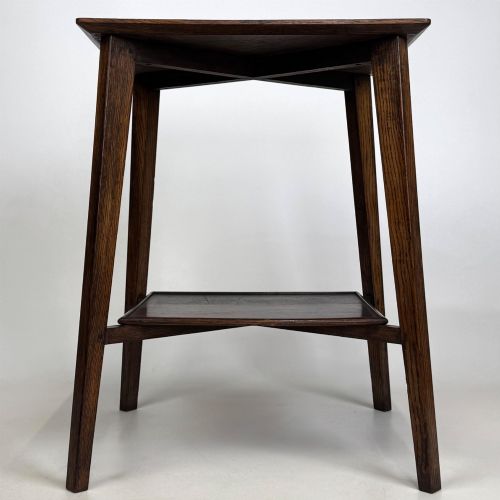
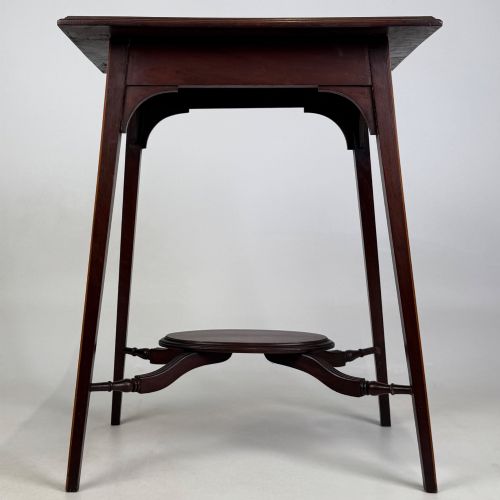
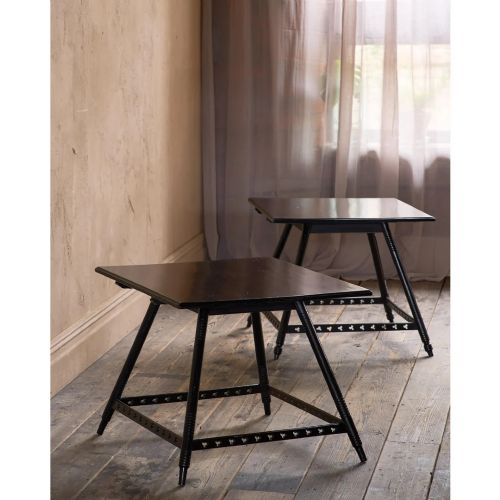
The forms span simple oak pieces with tapered or barley twist legs to refined mahogany and satinwood tables featuring marquetry inlay. Many examples originate from the Arts and Crafts and Sheraton Revival styles, demonstrating how versatile small furniture pieces were utilised across different eras.
Materials and construction
Cabinet makers utilised dense hardwoods such as mahogany, oak, walnut, and rosewood to build stable lamp stands that could support heavy oil lamps or early electric fixtures. Secondary timbers like boxwood and fruitwood frequently appear alongside satinwood inlay or bone decoration to add surface contrast.
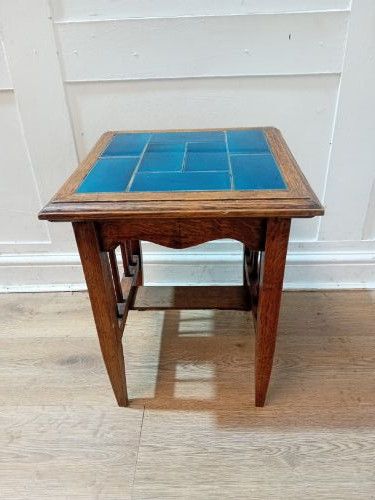
Joinery methods varied from traditional turned legs and tripod bases to hand-carved details and tile tops seen in Arts and Crafts designs. Craftsmen shaped these tables using hand tools, resulting in sturdy structures with lower shelves or tilting tops.
Antique Square Lamp Stand Retail Price Guide 2026
Typical asking prices for square lamp stand among the pieces listed under this phrase on Sellingantiques today, from the lower quarter to the upper quarter. They describe what is for sale here now, not the wider market.
Object types span side tables, occasional tables, wine tables, and bedside tables.
Distinctions in quality
The refinement of timber selection and the precision of inlay work largely determine the standing of an individual piece. Finer examples display meticulous marquetry, choice mahogany or rosewood grains, and crisply carved legs rather than plain, utilitarian construction.
Structural integrity and the retention of original surfaces also separate standard utility tables from exceptional decorative pieces. Pieces bearing maker attribution or specific stylistic movements like Arts and Crafts or Sheraton Revival often show superior joinery and attention to detail.
Liberty of London·Baillie Scott
The Antique Square Lamp Stand Glossary
- Occasional table
- A small, portable table designed to be moved and used as needed around a room. These form the majority of small stands used for lamps.
- Tripod table
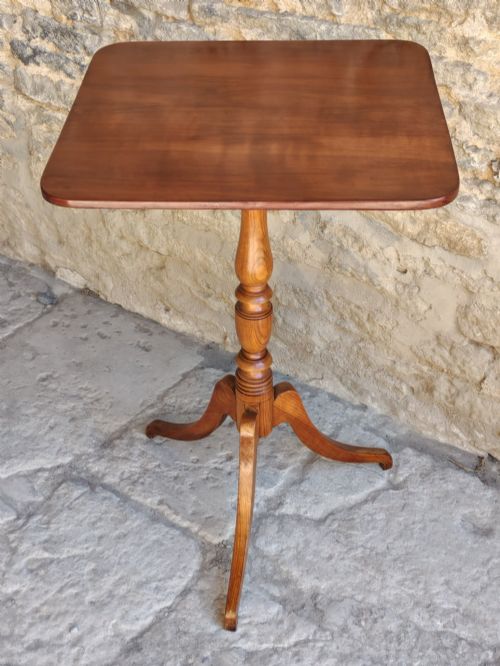
- A small standalone table supported by a pillar above three legs. Many Georgian and Regency examples utilise this format.
- Barley twist
- A type of turning shaped like a spiral rope, popular on oak furniture from the late nineteenth and early twentieth centuries.
- Tile top
- A tabletop inset with ceramic tiles, commonly found on Arts and Crafts oak tables to provide a heat-resistant surface for lamps or kettles.
Antique Square Lamp Stand: Frequently Asked Questions
What is an antique square lamp stand?
An antique square lamp stand is a small occasional, side, or wine table historically used to support lighting devices in domestic interiors. These pieces combine compact proportions with sturdy construction.
They appear in various historic styles, ranging from Georgian tripod designs to Edwardian inlaid mahogany tables and Arts and Crafts oak pieces.
How were these tables used originally?
These tables served primarily to hold portable lighting such as oil lamps, candlesticks, or early electric lamps within reach of seating areas. Their small surface area made them easy to position beside chairs or beds.
Beyond lighting, they functioned as general utility surfaces for holding books, drinks, or decorative items in reception rooms.
How do I live with an antique lamp stand?
Living with an antique lamp stand involves placing it where its compact footprint and stable surface can be utilised for modern lighting or decorative objects. Regular dusting and avoiding placement near direct heat sources will help preserve the timber.
Their versatile sizes allow them to fit easily beside modern sofas, armchairs, or in hallways without dominating the room.
How do I tell periods apart?
Differentiating periods relies on examining timber choices, hardware, and decorative motifs such as inlay or turning styles. Georgian and Regency pieces often feature simpler mahogany tripod frames, while Edwardian examples frequently showcase marquetry and satinwood.
Arts and Crafts tables generally emphasise solid oak construction, sometimes incorporating exposed joinery or decorative tiles, whereas later 1920s pieces may display Art Deco influences.