


Arts Crafts Tea Table
An arts crafts tea table brings robust timber and tactile metal inserts into a room, offering a sturdy surface for daily use.
Arts Crafts Tea Table
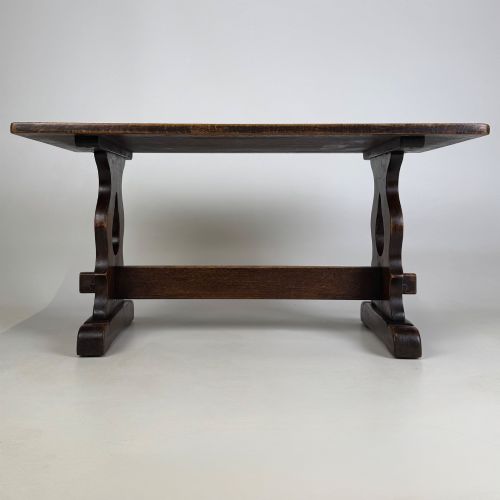
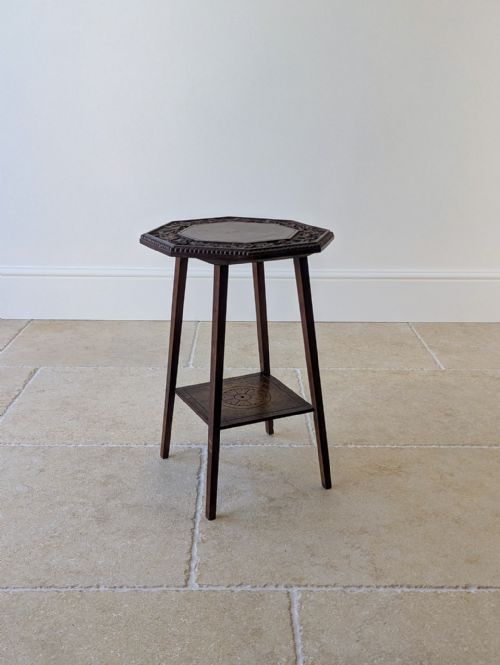
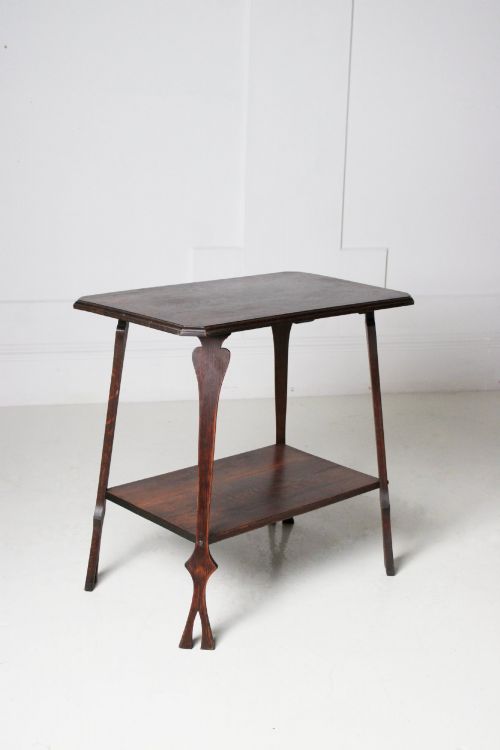
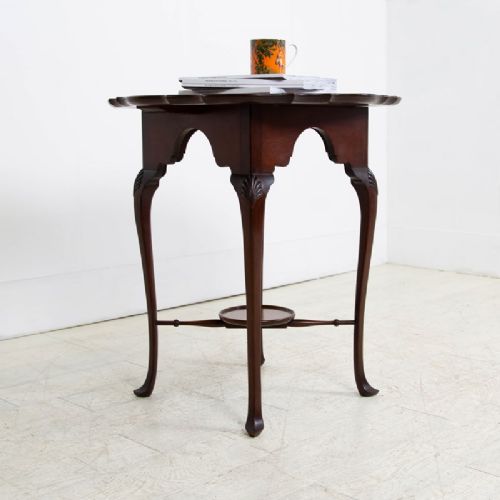
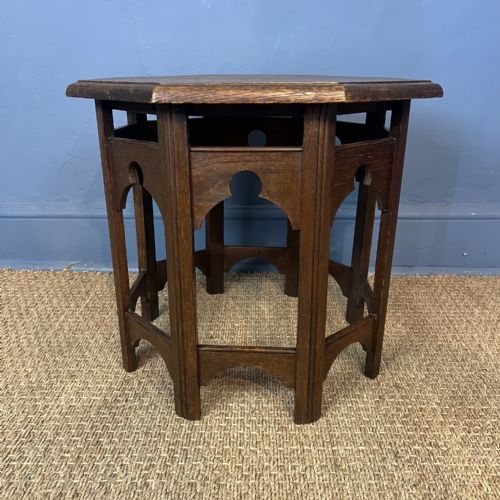
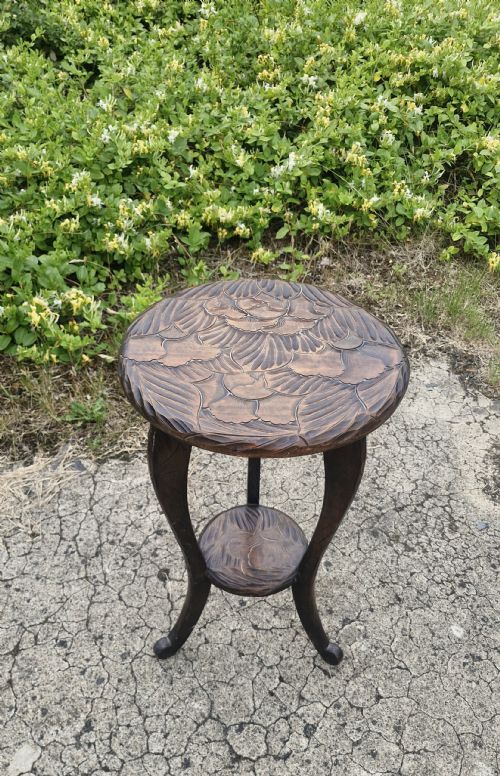
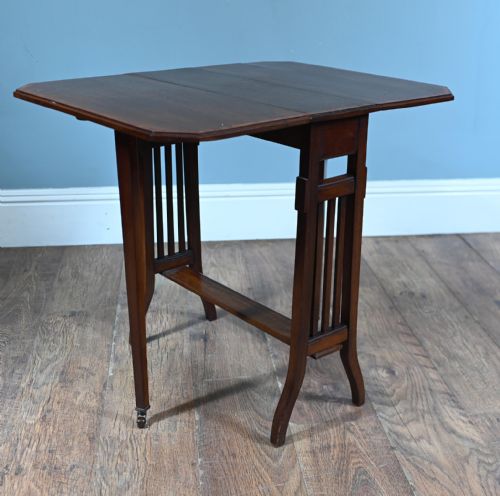
An arts crafts tea table is a functional domestic piece built primarily during the late nineteenth and early twentieth centuries. These tables appear in forms such as occasional, side, coffee, and card tables, as well as specialised copper tray tables and spirit kettle stands.
The materials span oak, mahogany, walnut, and teak, frequently supplemented by brass, copper, and decorative ceramic tiles. You will most commonly encounter oak examples featuring geometric or floral motifs aligned with the movement's focus on honest construction.
Materials and construction methods
Makers utilised solid native timbers, notably oak and walnut, alongside imported mahogany and teak. Joinery methods often emphasised visible construction, such as pegged joints and framed panels, rather than hidden fasteners.
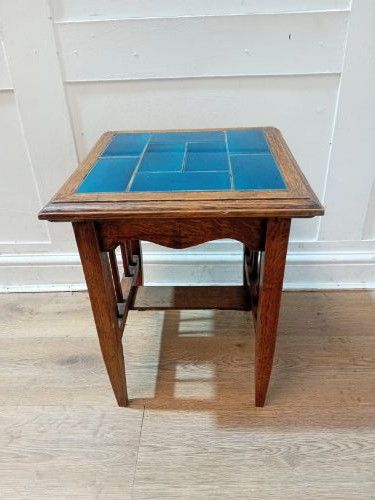
Metalwork played a central role, with hammered copper and brass used for trays, hanging kettles, and structural accents. Inset ceramic tiles introduced colour and texture to table surfaces, reflecting contemporary design interests.
Listings feature pieces spanning from the 1880s through the 1920s, encompassing Victorian, Edwardian, and Art Nouveau stylistic influences.
Assessing craftsmanship and design
Quality rests in the selection of timber and the precision of the joinery. Tables featuring figured golden oak or carefully matched grain demonstrate a higher standard of workshop output.
Design integration separates standard production from superior pieces, particularly where metal inserts, hand-carved details, and tile work fit seamlessly into the wooden frame.
Shapland and Petter·Liberty and Co·William Soutter and Sons
The Arts Crafts Tea Table Glossary
- Occasional table
- A small, movable table designed for a specific, transient purpose in a reception room. These pieces provide flexible surface space without dominating a room layout.
- Tile top
- A tabletop surface inset with glazed ceramic tiles, protecting the wood from heat and moisture. These tiles often display floral or geometric art nouveau patterns.
- Drop leaf
- A hinged table leaf that can be folded down to reduce the footprint or raised to expand the surface. This mechanism allows the table to adapt to changing spatial needs.
- Spirit kettle
- A water kettle mounted on a metal stand with an integrated burner. These pieces provided hot water for tea service in domestic settings.
- Anglo-Moresque
- A design style combining traditional Moorish geometric patterns with British furniture forms. Mahogany and carved detailing frequently characterise these tables.
Arts Crafts Tea Table: Frequently Asked Questions
What is an arts crafts tea table?
These pieces are small functional tables produced during the late Victorian and Edwardian eras, designed for domestic tea service and general room use. They utilise solid timbers like oak and walnut, often incorporating copper trays or ceramic tiles.
Craftsmen built them to emphasise honest materials and straightforward construction rather than heavy ornamentation. They serve today as sturdy, characterful surfaces for living spaces.
How do I identify the period?
Dating relies on timber selection, hardware, and stylistic details recorded across the movement's timeline from the 1880s onward. Earlier pieces often display Victorian walnut and elaborate carving, while 1910s examples lean towards cleaner oak forms.
Retailer stamps and workshop attribution help narrow the date range further. Examining the construction methods underneath provides additional clues to the era of manufacture.
Where should I place one?
An occasional or side table fits comfortably beside a sofa or armchair to hold lamps, books, or cups. Tiled or copper tray variants work well in spaces where moisture resistance is useful.
Their compact footprints also make them suitable as bedside stands or hallway display surfaces. They mix easily with various interior styles due to their honest wooden tones.
How do I care for the wood and metal?
Maintain the timber surfaces with a traditional beeswax polish to nourish the grain and protect against drying out. Avoid harsh chemical cleaners that can strip the original finish.
For copper or brass elements, gentle dusting preserves the aged patina without removing historical character. Keep tiled surfaces clean with a damp cloth and mild soap.