





Small Circular Mirror
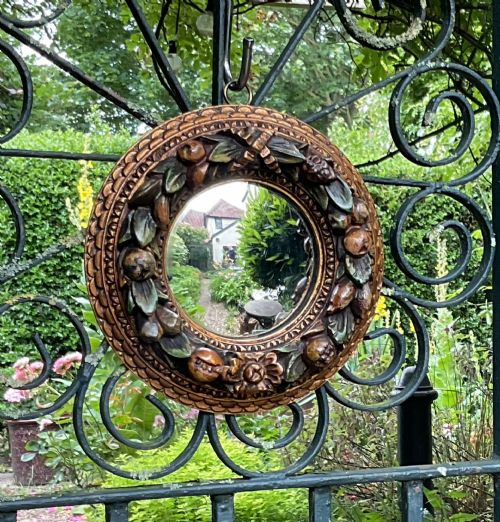
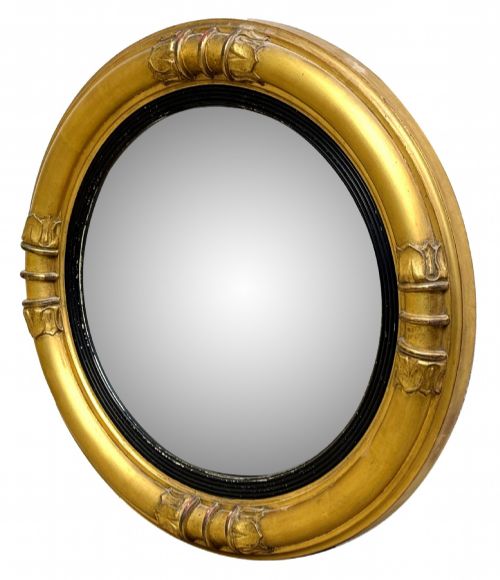
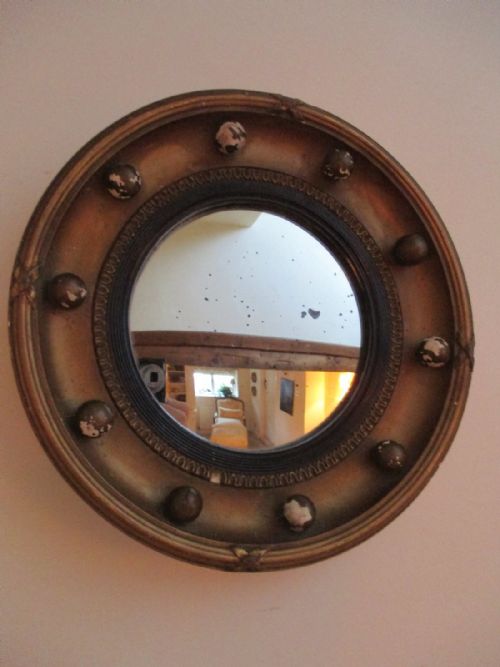
These small circular mirror examples bring period reflection into compact spaces, offering an immediate decorative focal point through convex glass and gilded frames.
Small Circular Mirror
A small circular mirror focuses attention within a room, combining functional reflection with compact decorative presence. The listings here centre predominantly on convex wall mirrors alongside occasional hand mirrors and mirror plateaus.
Most examples hail from the nineteenth century and the Regency period, though later pieces from the nineteen-twenties also appear. Frames take several circular forms, ranging from giltwood and carved wood to ebonised finishes.
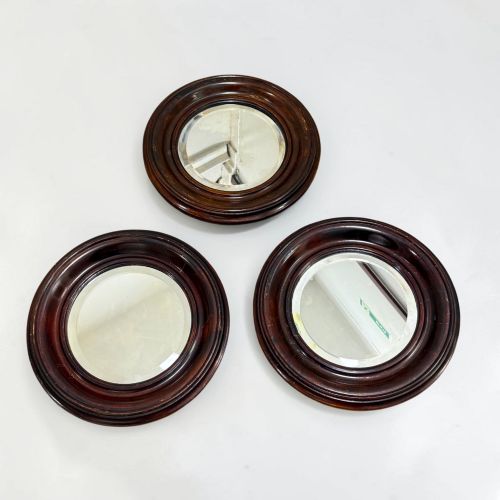
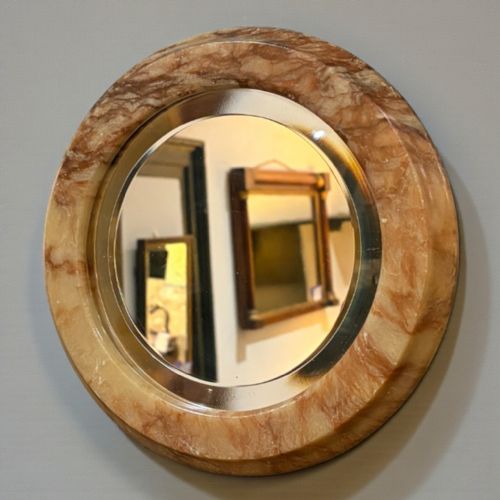
The dominant format on this page is the small convex wall mirror, often featuring gilded surfaces and compact proportions. Buyers also encounter Victorian mahogany frames, alabaster surrounds and unusual silver plated plateau designs.
How they were made
Construction relies heavily on traditional woodworking and carving techniques applied to timber frames. Artisans shaped wood and applied gesso before layering gold leaf or applying ebonised and japanned finishes.
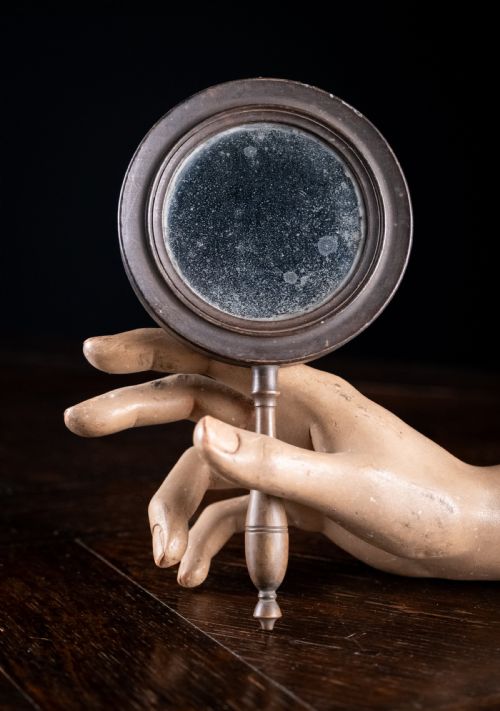
Mirror plates include convex glass, which provides a wide-angled reflection of the interior, alongside foxed plates that show natural ageing. Giltwood and carved wood form the primary structural housings for these circular glasses.
Materials across these listings span giltwood, ebonised wood, gesso, alabaster, silver plate and standard glass.
What varies in quality
Quality rests in the crispness of the carved detail and the depth of the gilding upon the frame. Finer examples retain their original gold leaf surfaces and well-preserved convex glass without heavy distortion to the silvering.
The integrity of the timber structure and the subtlety of decorative flourishes, such as reeded bezels or applied ornamentation, distinguish superior pieces. Secondary materials like alabaster or ebonised wood introduce distinct visual contrast that relies on clean execution.
The Small Circular Mirror Glossary
- Convex mirror
- A curved mirror that reflects a wide, circular view of the surrounding room. These are frequently known as bullseye mirrors.
- Giltwood
- Timber that has been coated with a thin layer of gold leaf or gold paint. This finish creates a bright, reflective surface around the glass.
- Foxed
- A term for mirror glass that has developed spots and discolouration due to age. It indicates original oxidation behind the glass plate.
- Ebonised
- Wood that has been treated to resemble ebony, usually through staining or painting dark. It provides a striking contrast to gilt details.
- Mirror plateau
- A mirrored base or tray traditionally placed on dining tables to hold ornaments or candelabra. They reflect light upward onto the objects displayed upon them.
Small Circular Mirror: Frequently Asked Questions
Where should I hang a convex mirror?
These mirrors suit smaller walls, narrow hallways or above mantelpieces where they capture light and reflect the room. Their curved glass concentrates the view, making them effective in compact spaces.
Because they project outwards from the wall, ensure they hang securely at eye level to fully appreciate the distorted panoramic reflection they produce.
How do I clean an antique mirror plate?
Dust the frame gently with a dry, soft brush to remove surface particles without disturbing the gilding or wood. Avoid harsh commercial cleaning sprays that might damage aged surfaces.
Use a slightly damp microfiber cloth on the glass itself, taking care not to let moisture seep behind the edge of the frame where old backing materials reside.
What is the difference between Regency and Victorian mirrors?
Regency mirrors often feature classical motifs like reeded ebony liners, ball-turned bezels and spherical crests. They lean towards neoclassical elegance and crisp gilded details.
Victorian pieces frequently utilise heavier mahogany frames, diverse woods or alternative materials like alabaster. They reflect the eclectic decorative tastes of the later nineteenth century.
Are all small circular mirrors convex?
While convex glass appears frequently in these listings, flat mirror plates also exist within the selection. Wall mirrors and hand mirrors can feature standard flat glass.
Check the individual description to determine whether the glass curves outward to create the distinctive wide-angled reflection characteristic of bullseye designs.