

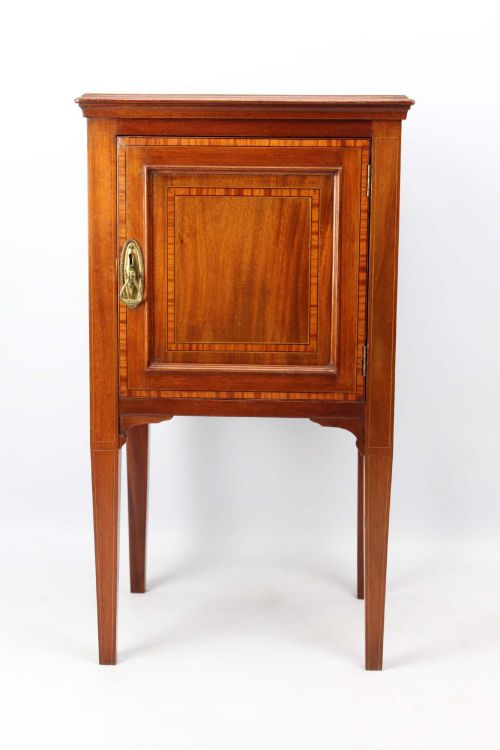
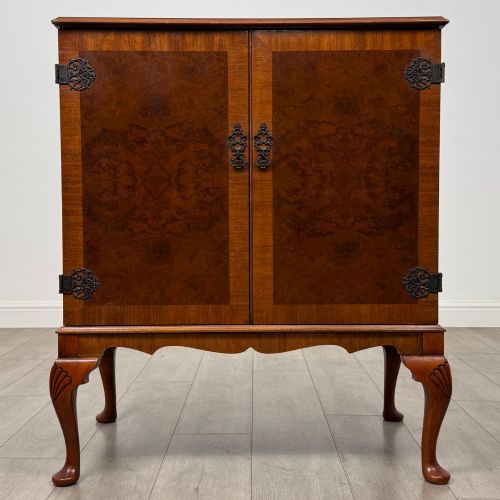
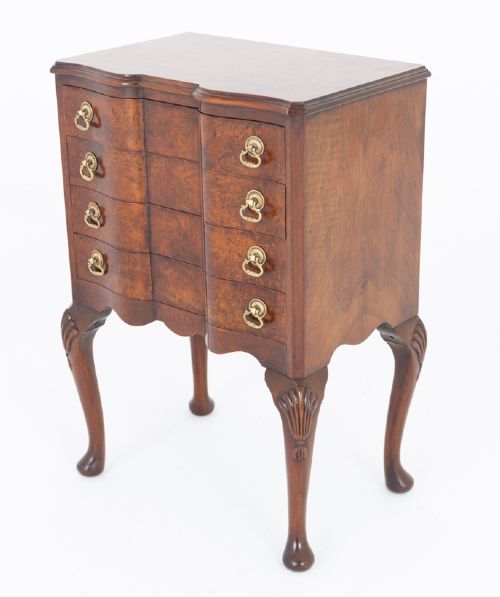
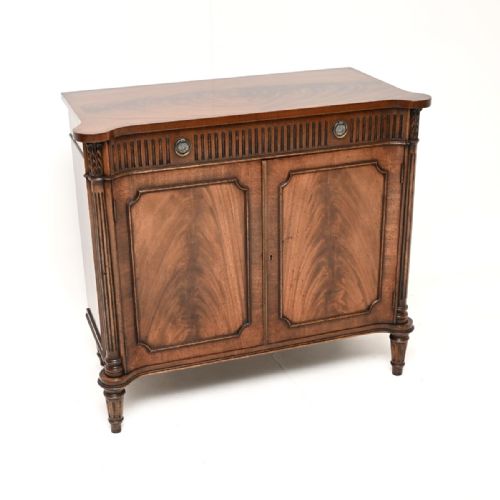
Small Cabinet on Legs
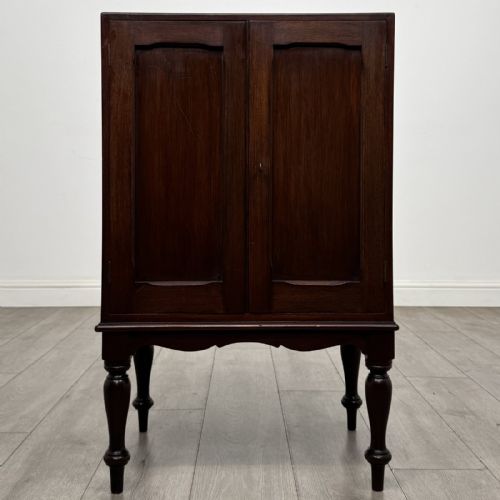
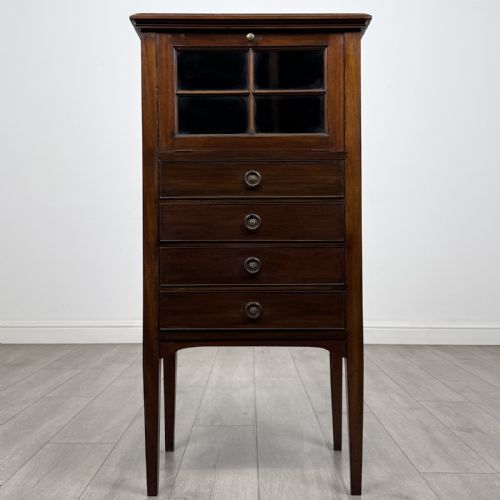
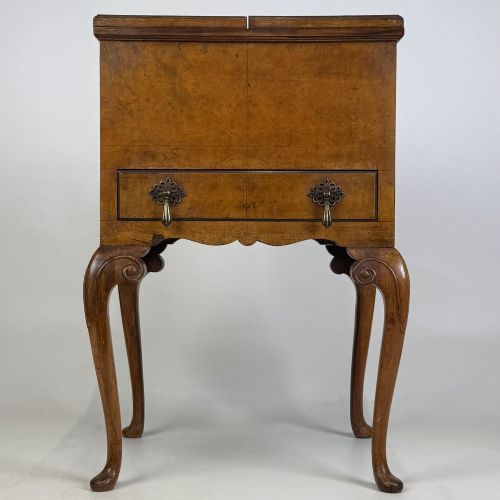
A small cabinet on legs brings compact storage and display into a room, spanning periods from the eighteenth century to the twentieth.
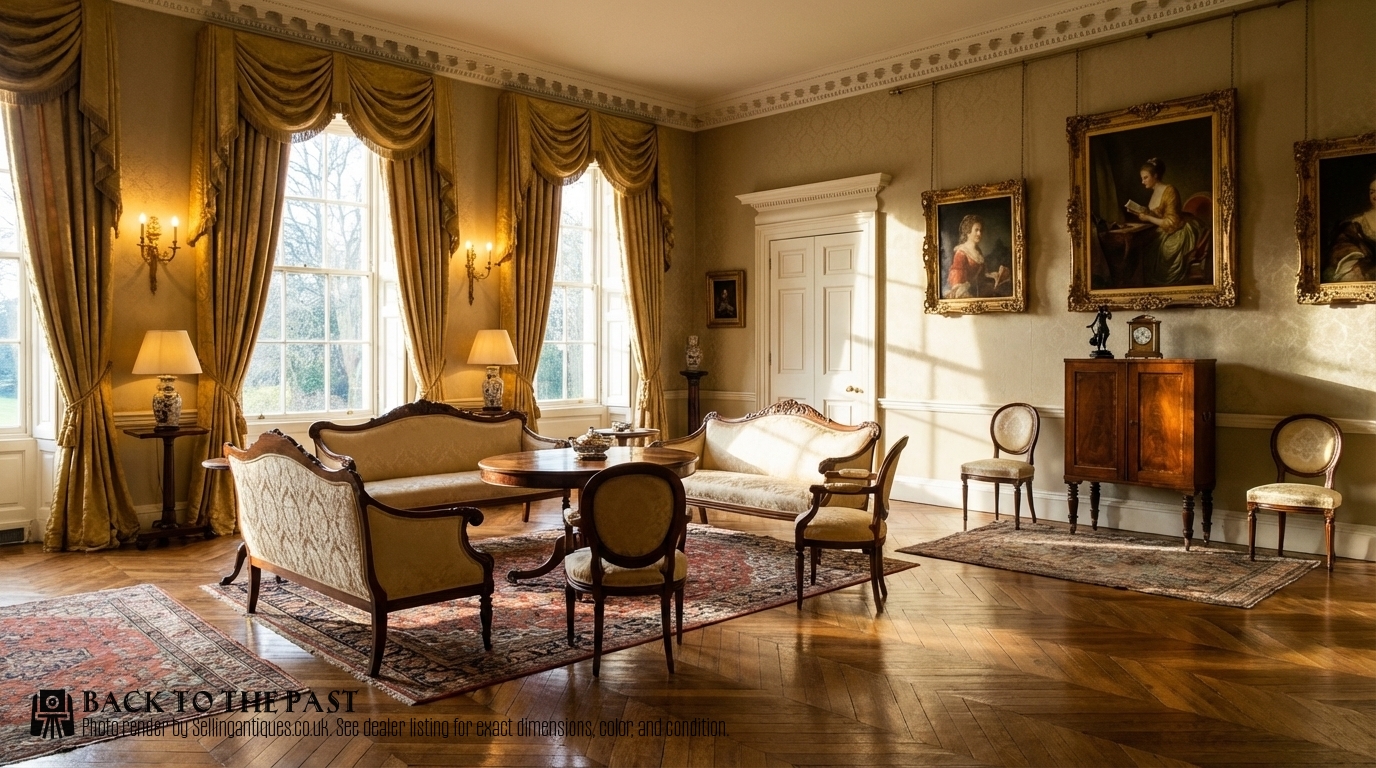
Small Cabinet on Legs
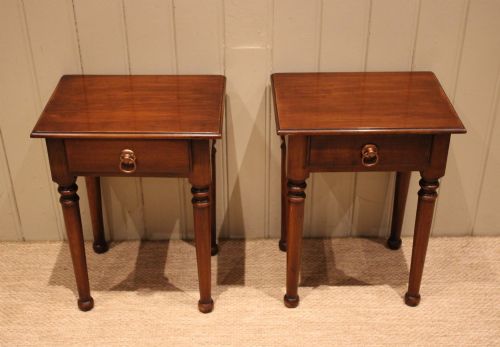
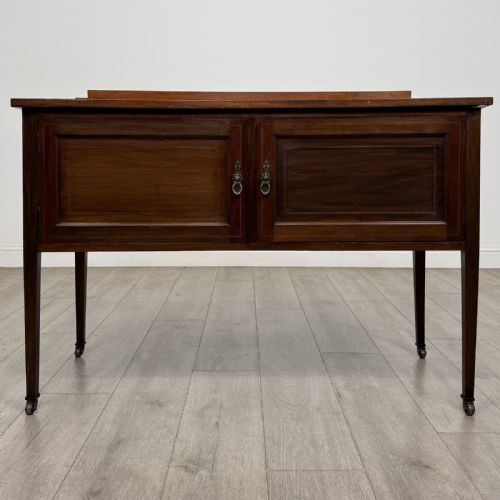
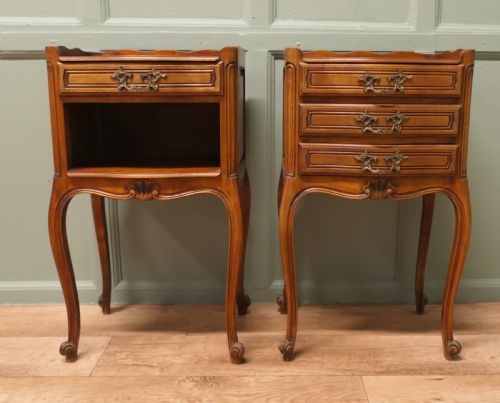
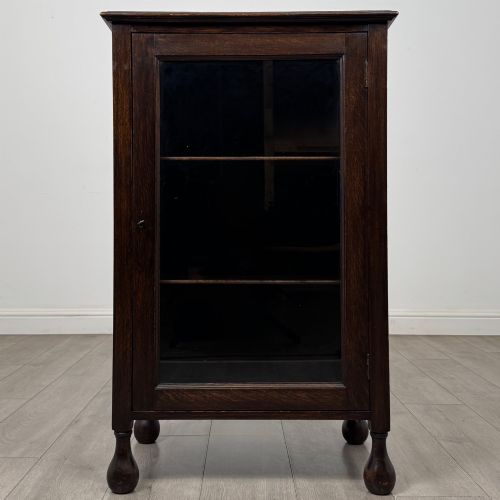
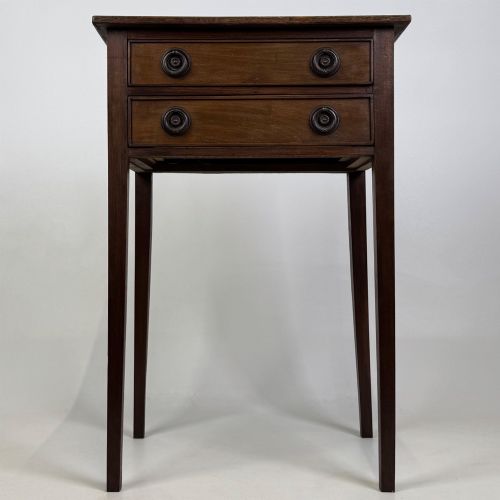
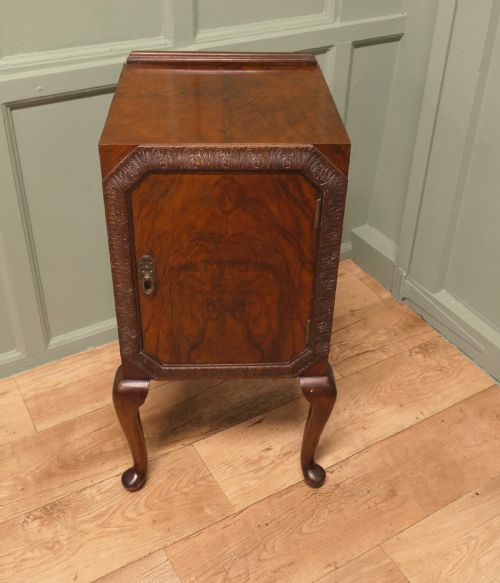
A small cabinet on legs serves multiple functions around the house, appearing as bedside tables, display cases, sideboards, and desks. These pieces occupy distinct periods from the eighteenth century through the Edwardian era and the nineteen-twenties and thirties.
The materials used across these forms include mahogany, burr walnut, oak, and satinwood, often complemented by glass, brass, and ormolu mounts. Makers utilised styles such as Georgian, Victorian, Queen Anne, and French Louis XV.
Bedside cabinets and small side tables represent the most frequent formats encountered in this selection. Buyers also find bookcases, writing tables, and fitted cupboards raised upon various forms of legs.
Construction and materials
Cabinet makers constructed these pieces primarily in solid timbers and selected veneers such as mahogany, walnut, burr walnut, and oak. Grain patterns on drawer fronts and top surfaces received careful matching, particularly in walnut examples.
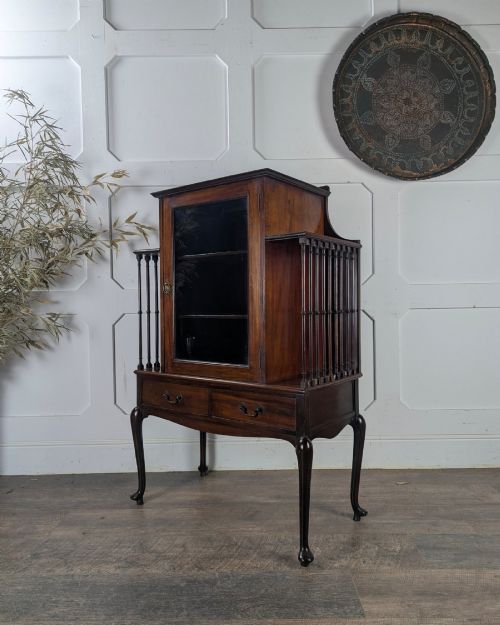
Metal components like brass handles, key escutcheons, and gilt or ormolu mounts added structural and decorative detail. Glass panels featured in display cabinets and bijouterie tables to protect objects held within.
Small Cabinet on Legs Retail Price Guide 2026
Typical asking prices for small cabinet on legs among the pieces listed under this phrase on Sellingantiques today, from the lower quarter to the upper quarter. They describe what is for sale here now, not the wider market.
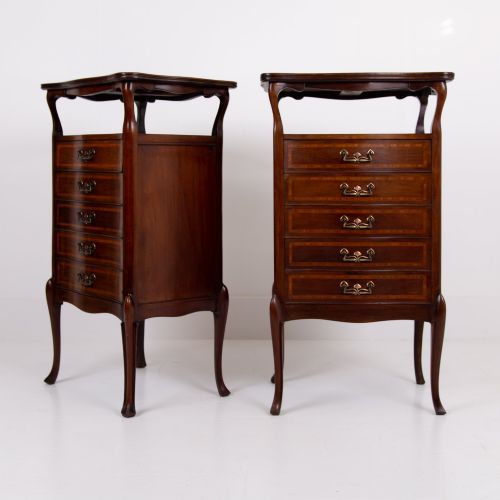
Music cabinets share floor space with bijouterie tables, proving that past generations valued both their sheet tunes and their trinkets.
Distinctions in construction and finish
The refinement of timber selection and the precision of joinery determine the standing of an individual piece. Burr walnut and figured mahogany veneers demand meticulous application around curves and corners.
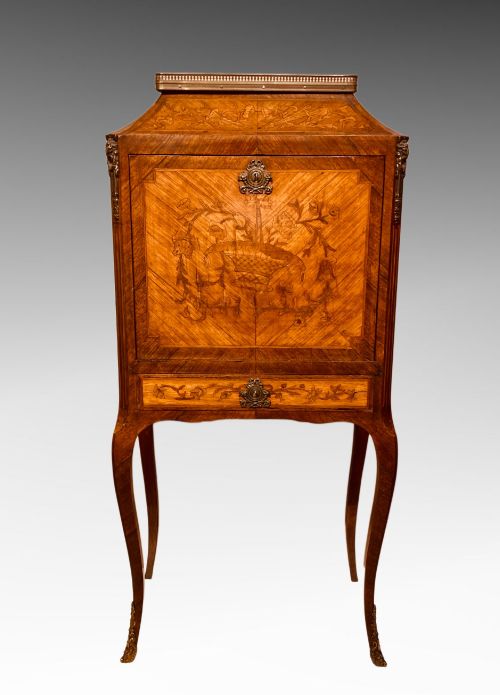
Original hardware, sound drawer construction, and stable leg attachments elevate a piece above simpler utilitarian items. Subtle marquetry, parquetry, and inlaid details indicate higher workshop standards.
The Small Cabinet on Legs Glossary
- Marquetry
- Decorative woodwork where pieces of veneer are fitted into a ground to form floral or geometric patterns. This technique appears on eighteenth-century and later continental furniture.
- Parquetry
- Geometric mosaic woodwork used for flooring and furniture surfaces. It creates a repeating pattern across tabletops and cabinet doors.
- Ormolu
- Gilded bronze applications used as decorative mounts on furniture. It gained favour in French cabinet making during the eighteenth century and subsequent revival periods.
- Bijouterie
- A glass-topped display table or cabinet designed for small valuables. These items became popular during the Edwardian period.
- Commodino
- A small bedside chest or cabinet of Italian origin. They often incorporate inlaid marquetry across walnut surfaces.
Small Cabinet on Legs: Frequently Asked Questions
What rooms suit a small cabinet on legs?
These compact pieces fit easily beside a bed, in a hallway, or within a corner of a living room.
Their elevated bases create a sense of light and space beneath the furniture compared to floor-standing cupboards.
How do I identify a Georgian piece?
Georgian furniture typically relies on mahogany or oak with restrained proportions and clean lines. Details often include bow fronts and understated bracket feet.
Later revival pieces from the twentieth century adopted these forms while incorporating different interior fittings.
What is the difference between a bedside table and a cabinet?
Tables generally provide an open surface or a single drawer for occasional placement of lamps and books. Cabinets enclose space behind doors or multiple drawers to keep items out of sight.
Both formats appear frequently in walnut and mahogany across Edwardian and later twentieth-century listings.
How should I care for burr walnut veneer?
Keep walnut furniture away from direct sunlight and steady heat sources to prevent the timber from drying out. Gentle dusting with a dry cloth maintains the finish.
Avoid silicone polishes which can damage historic surfaces over time.