
Small Burr Walnut Table
A small burr walnut table brings rich, swirling grain patterns and compact warmth to a room, offering practical surface space with distinct character.
Small Burr Walnut Table
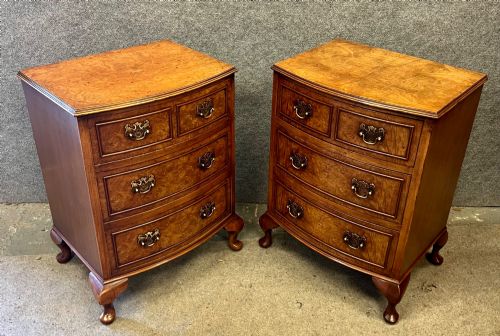
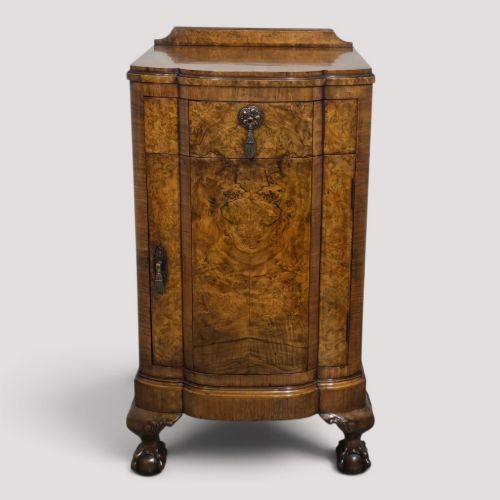
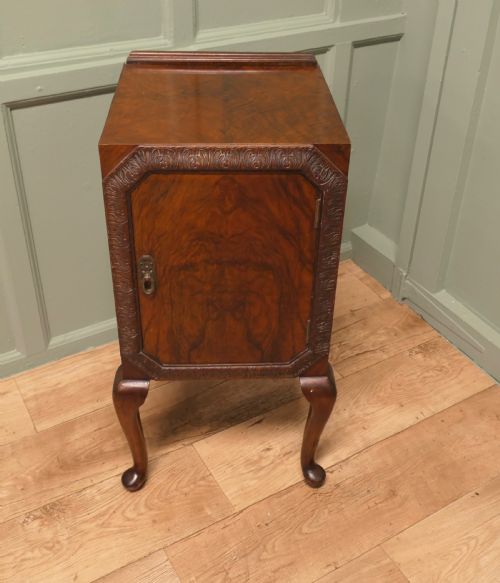
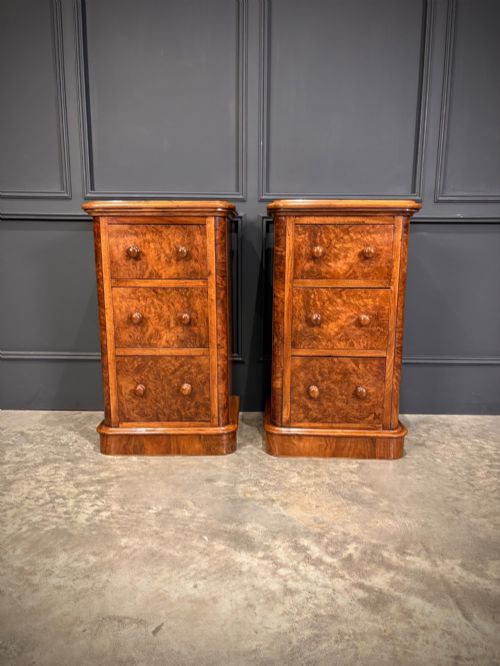
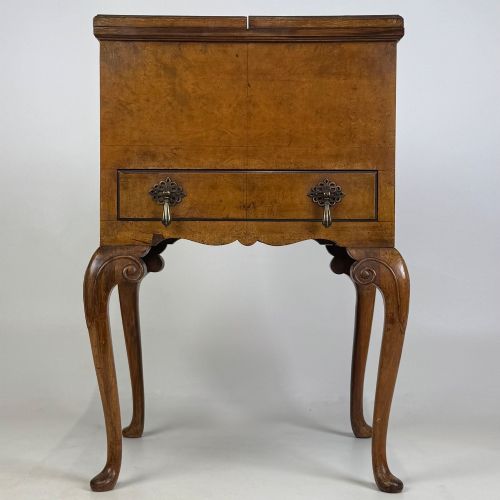
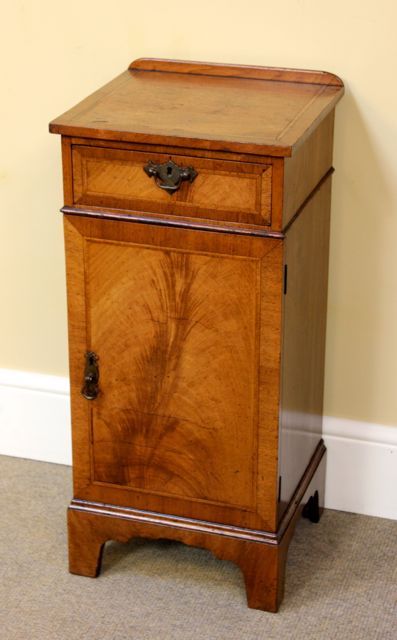
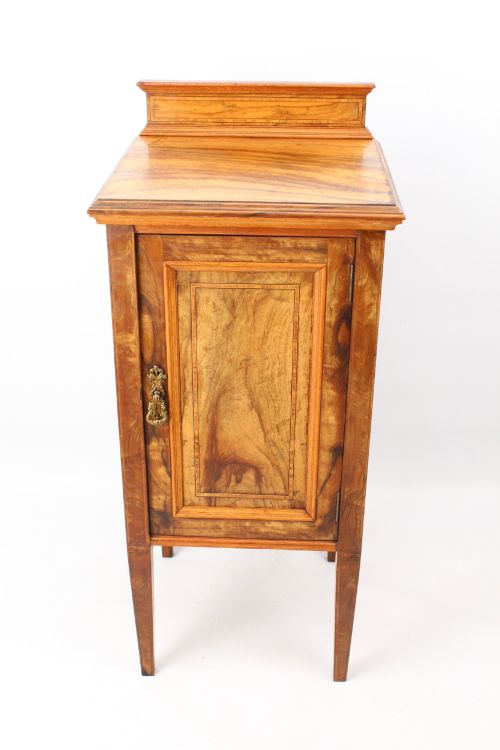
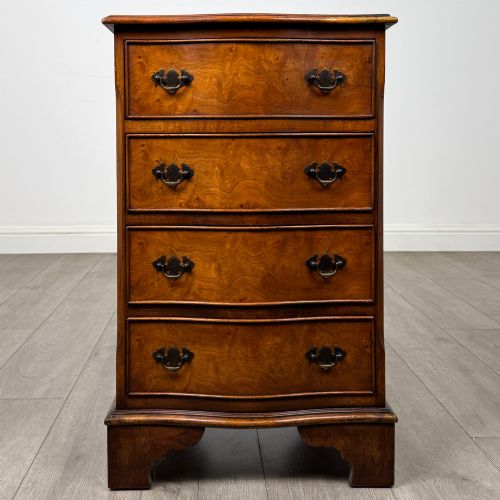
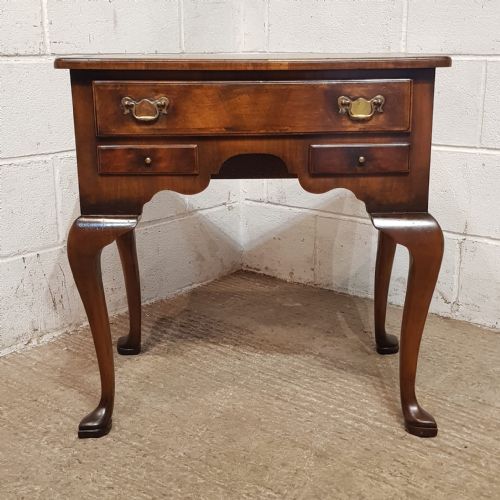
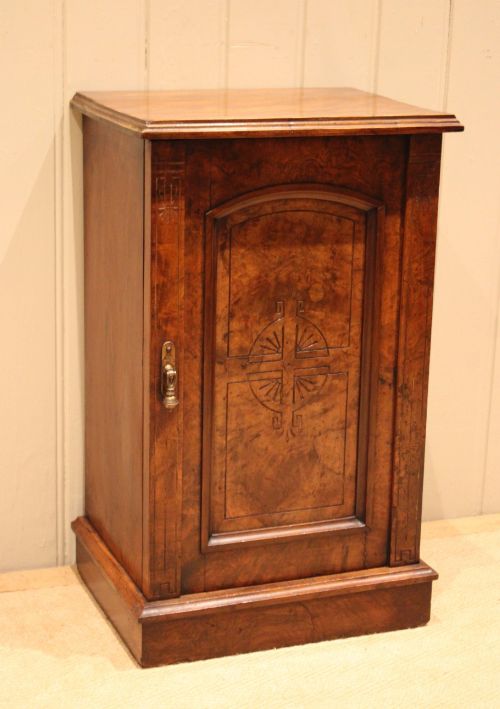
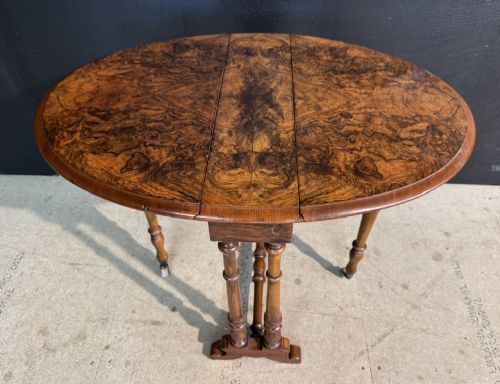
A small burr walnut table encompasses diverse compact forms spanning the Victorian, Edwardian, and Art Deco periods, alongside revival styles. These pieces frequently appear as occasional tables, bedside cabinets, lowboys, and drop-flap sutherland tables.
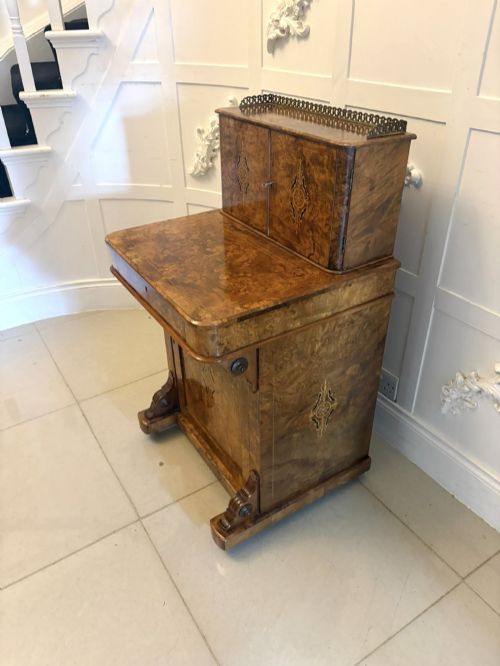
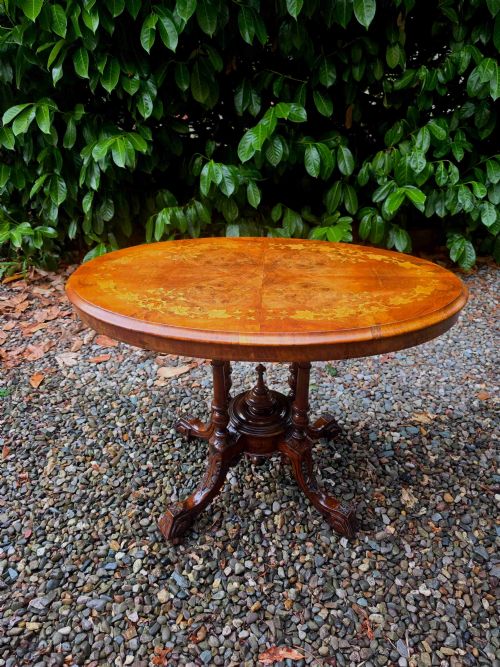
Makers and manufacturers utilised timber harvested from walnut growth excrescences to produce highly decorative surfaces on domestic furniture. The resulting forms range from mid-nineteenth-century lamp and chess tables to early twentieth-century pedestal desks and cocktail units.
Materials and Construction
Craftsmen applied finely figured burr walnut veneer over stable timber substrates to showcase intricate, swirling grain patterns across tabletops and drawer fronts. Cabinetmakers often integrated secondary timbers, brass hardware, glass, and ceramic elements into the structural designs.
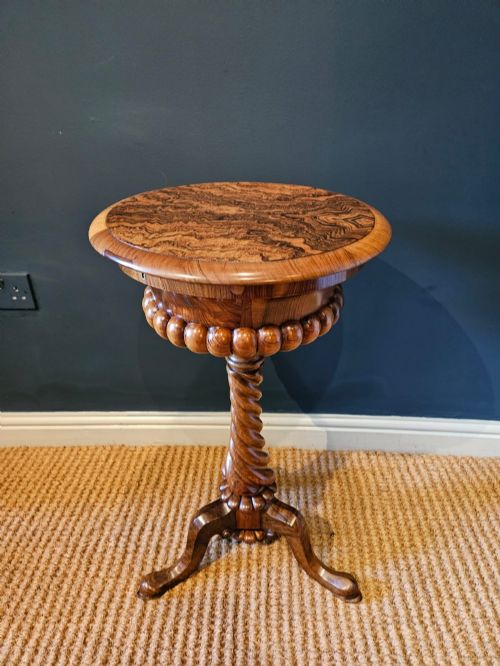
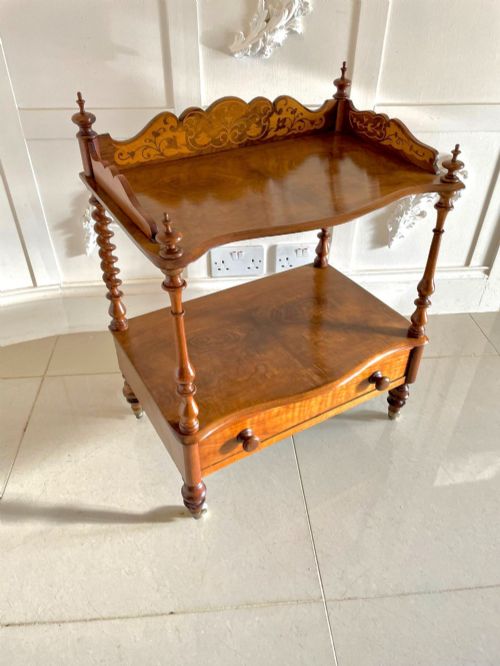
Surface ornamentation included marquetry inlay, ormolu mounts, and polished finishes that highlighted the natural variations of the wood. Drop-leaf actions, folding mechanisms, and turned tripod supports required precise joinery to ensure stability in smaller furniture formats.
Listings feature items spanning the eighteenth century through to the Art Deco period of 1930, utilising walnut, brass, and glass.
Assessing Craftsmanship and Finish
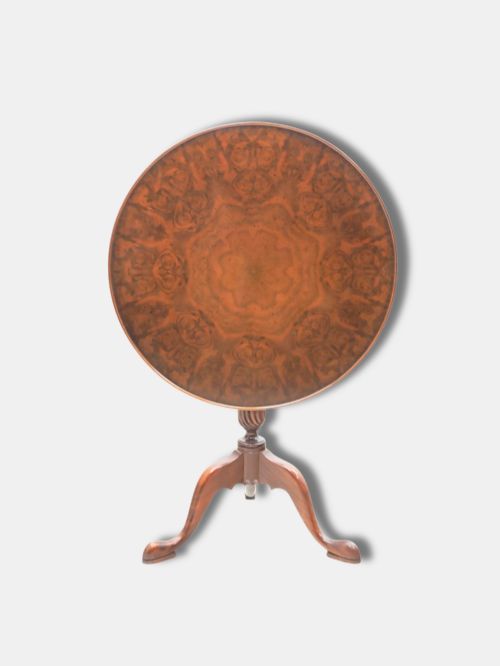
The distinction between standard domestic pieces and finer examples rests upon the selection and matching of the burr walnut veneer. Superior items display continuous, book-matched grain patterns that flow symmetrically across the surface.
Execution of subsidiary details such as inlaid marquetry, crisp mouldings, and robust structural framing defines the upper tier of production. Preservation of the original polished surface finish also influences the integrity of the piece.
Maple and Co
The Small Burr Walnut Table Glossary
- Burr walnut
- A veneer derived from the knotted growth of a walnut tree, prized for its dense, swirling grain patterns. This material forms the primary decorative surface on these tables.
- Sutherland table
- A narrow drop-leaf table featuring hinged flaps that fold down almost vertically. It was designed to occupy minimal floor space when closed.
- Lowboy
- A small kneehole dressing or side table featuring one or more rows of drawers beneath the work surface. These items typically date from the eighteenth century or later revival periods.
- Ormolu
- Gilded bronze ornamentation applied to furniture mounts and decorative accents. It appears on select nineteenth-century occasional and centre tables.
- Marquetry
- Decorative veneer patterns formed by fitting together contrasting pieces of wood or other materials. This technique decorates tabletops and cabinet fronts.
Small Burr Walnut Table: Frequently Asked Questions
What rooms suit a small burr walnut table?
These compact pieces function effectively as bedside cabinets, lamp tables, or side units in living spaces and bedrooms. Their modest proportions allow them to fit into narrow alcoves and beside seating.
The distinct swirling grain adds warmth and texture to both traditional interiors and modern settings. They provide useful surface areas without dominating the surrounding floor space.
How do I identify a Victorian piece?
Victorian examples often feature rich, dark patination, robust turned supports, and occasionally ormolu mounts or inlaid marquetry. Common formats include sutherland tables, chess tops, and occasional lamp tables dating from the mid to late nineteenth century.
Construction methods from this era typically involve solid timber carcases faced with thick walnut veneers. Examining the underside and interior drawer construction helps confirm the period of manufacture.
What is the difference between a lowboy and a side table?
A lowboy is traditionally a low table equipped with one or more tiers of drawers, originating in the eighteenth century and later revived in design. They function primarily as small writing desks or dressing surfaces.
Standard side tables focus on open surfaces with fewer or no drawers, serving as stands for lamps or decorative objects. Both forms utilise burr walnut veneers to achieve a decorative finish.
How should I care for burr walnut furniture?
Maintain the polished finish by dusting regularly with a soft, dry cloth and avoiding direct exposure to strong sunlight. Excessive heat and moisture can cause walnut veneers to lift or crack over time.
Applying specialist wax polish occasionally helps nourish the timber and preserve the depth of the grain. Keep the furniture away from direct heat sources such as radiators.