
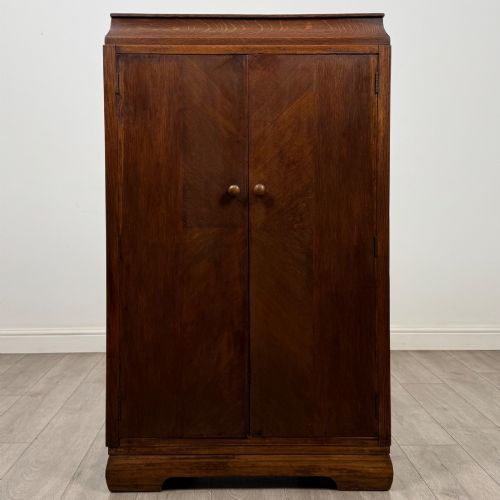
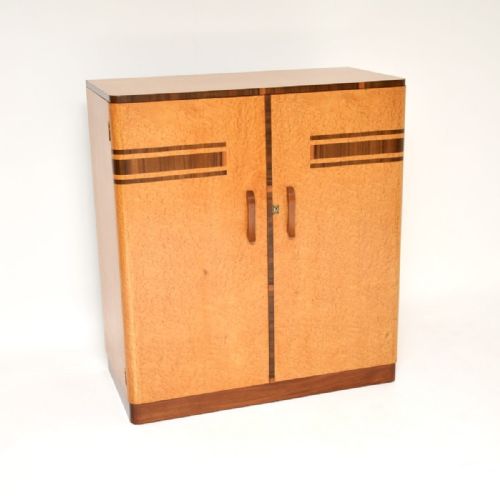
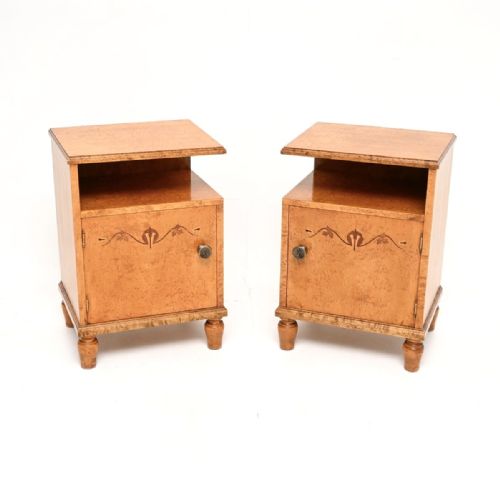
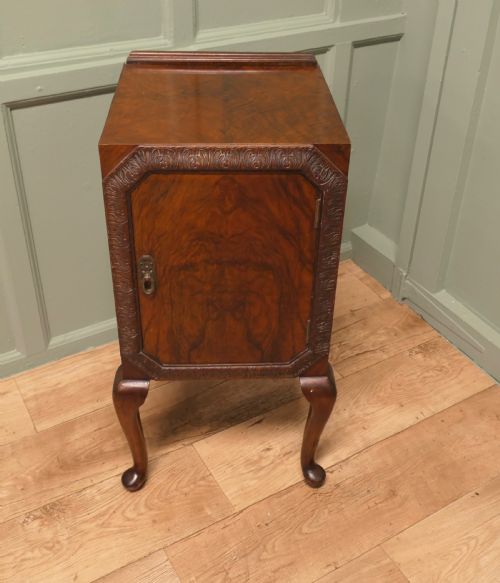



Small Art Deco Cupboard
A small art deco cupboard brings distinct geometric lines and rich timber figuring into modern rooms.
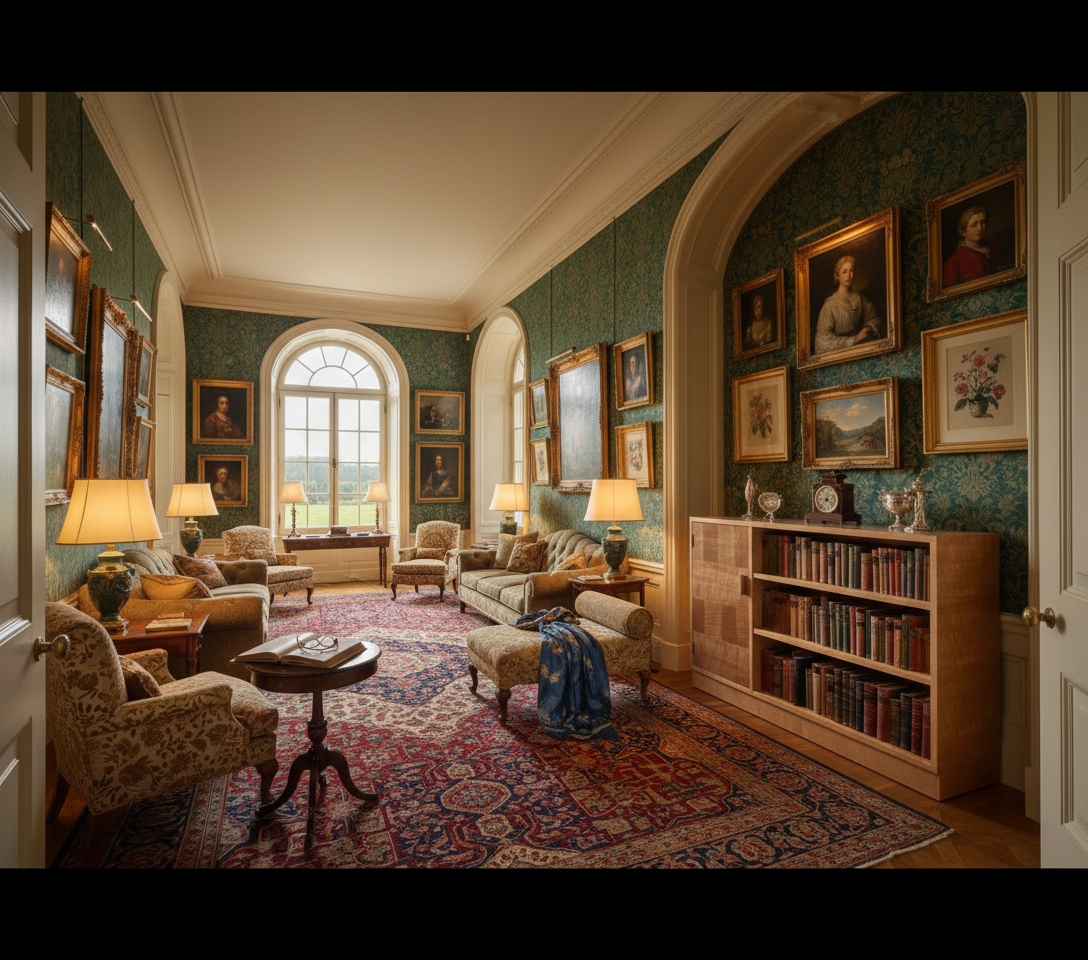
Small Art Deco Cupboard
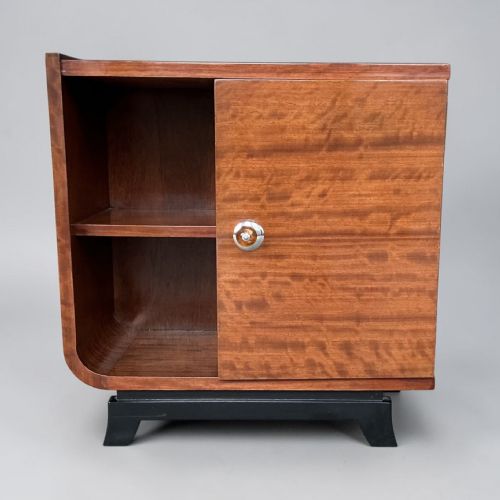
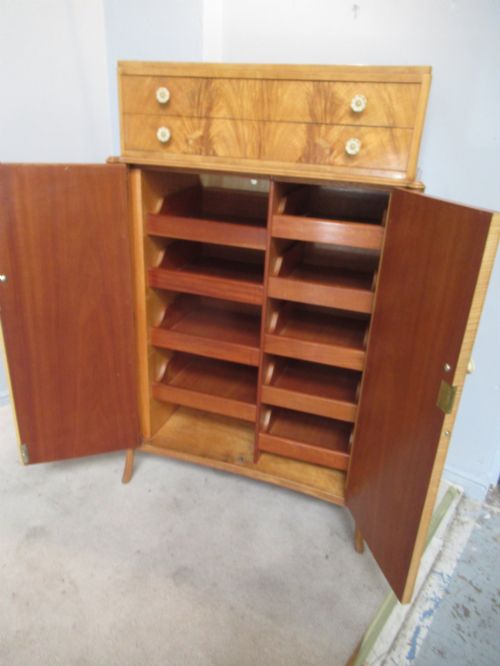
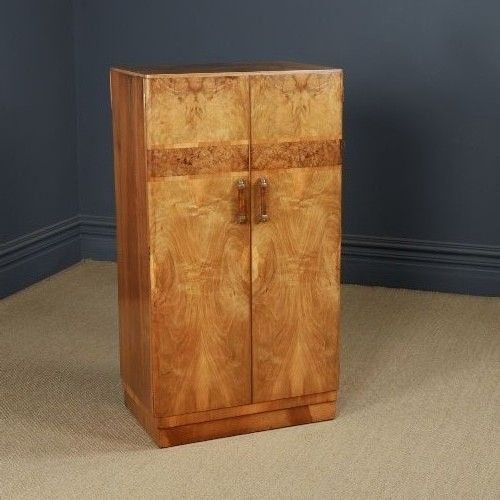
When you search for a small art deco cupboard, you are looking at compact storage furniture predominantly originating from the 1920s and 1930s. These pieces include bedside cabinets, side cabinets, corner cabinets, and small tallboys or compactums designed for domestic use.
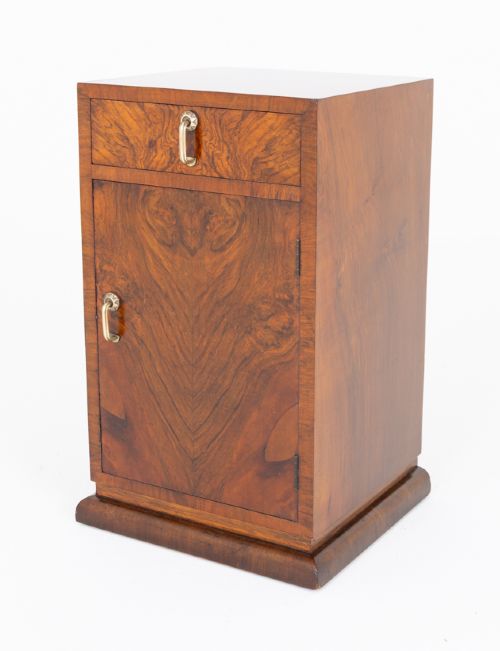
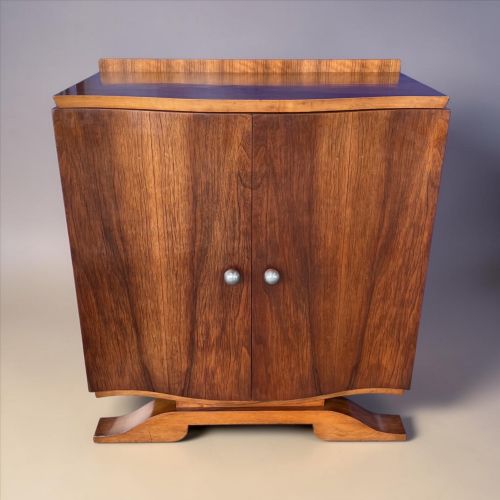
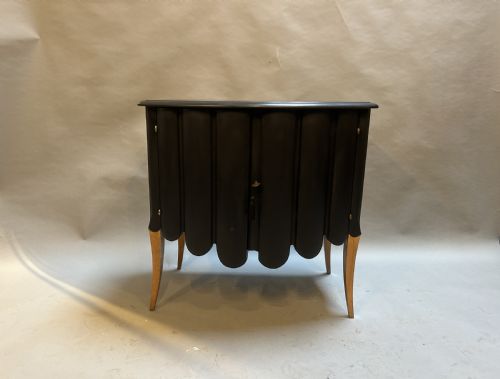
The version you are most likely to meet on this page is walnut or burr walnut, often built with clean architectural forms. Pieces range from English modernist examples to French side cabinets and occasional wall-mounted designs.
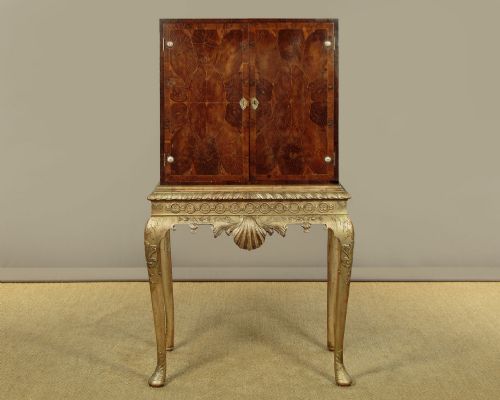
Earlier roots also appear in the selection, including Edwardian iterations that bridge traditional cabinetry with the emerging modernist aesthetic. Their smaller scale makes them adaptable for storage in contemporary hallways, bedrooms, and living spaces.
How they were made
Makers utilised timber veneers such as walnut, burr walnut, pale mahogany, and maple applied over solid wood carcases to create striking surface patterns. Grain matching was central to the aesthetic, aligning natural swirls and figures across doors and drawer fronts.
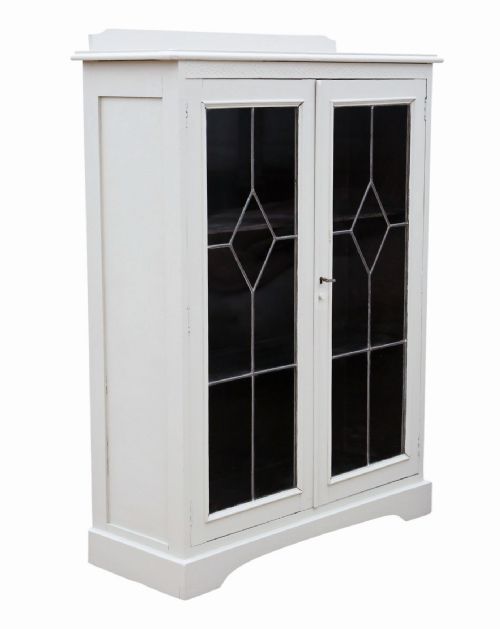
Metal components, including brass handles, hinges, and silver gilt stands, provided functional contrast to the warm timber tones. Glass panels also appeared in display cabinets, book cabinets, and mirrored top surfaces, reflecting light within the compact forms.
Listings feature walnut, oak, mahogany, and metal materials applied across sideboards, bedside cabinets, and tallboys from the 1920s and 1930s.
What varies in quality
The distinction between tiers rests upon the precision of the veneer work and the choice of primary timber. Burr walnut and figured cloud walnut cabinets demonstrate superior decorative ambition compared to plain oak or painted pine alternatives.
Construction details such as the integration of specialised compartments for sheet music, shoes, or books separate standard utility items from commissioned designer pieces. Maker attribution, such as work by Gomme or Heals of London, elevates the standing of individual cabinets.
Gomme·Heals of London
The Small Art Deco Cupboard Glossary
- Tallboy
- A tall storage chest or compactum combining drawer and cupboard space. It provides vertical capacity while maintaining a narrow footprint.
- Burr walnut
- A wood veneer taken from the warted growth on a walnut tree. It yields highly figured, swirling grain patterns prized by cabinet makers.
- Compactum
- A fitted wardrobe or multi-purpose storage cabinet designed to hold various garments efficiently in a restricted space.
- Modernist
- A design style discarding historic ornament in favour of clean geometric forms. It prioritises function and unadorned surfaces.
- Limed oak
- Timber treated with a specialised white-pigmented finish to lighten the grain. This technique gained popularity during the interwar period.
Small Art Deco Cupboard: Frequently Asked Questions
Where should I place a small art deco cupboard?
These compact cabinets suit bedside placement, hallways, or living rooms where floor space is limited. Their modest proportions allow them to function as lamp tables, small sideboards, or display units.
The distinct geometric styling ensures they act as focal points while offering practical storage for books, shoes, or daily items.
How do I care for walnut veneer furniture?
Keep walnut veneer cabinets away from direct sunlight and heat sources to prevent the wood from drying and the veneer from lifting. Dust regularly with a soft, dry cloth and avoid harsh chemical polishes.
Applying a traditional beeswax occasionally helps nourish the wood and maintain the natural lustre of the figured grain.
What is the difference between an art deco and an Edwardian cupboard?
Edwardian cupboards lean towards revival styles like Queen Anne, featuring softer curves and traditional ornamentation. Art deco cupboards embrace modernist geometry, streamlined silhouettes, and striking veneer patterns.
While both offer compact storage, their surface decoration and handle designs reflect distinct shifts in twentieth-century taste.
Can these cabinets be used for media storage?
Many side cabinets and small cupboards feature internal shelving well-suited for modern media accessories. Their enclosed doors keep cables and devices hidden while maintaining a tidy room layout.
Check internal dimensions to ensure your specific equipment fits comfortably within the period housing.