
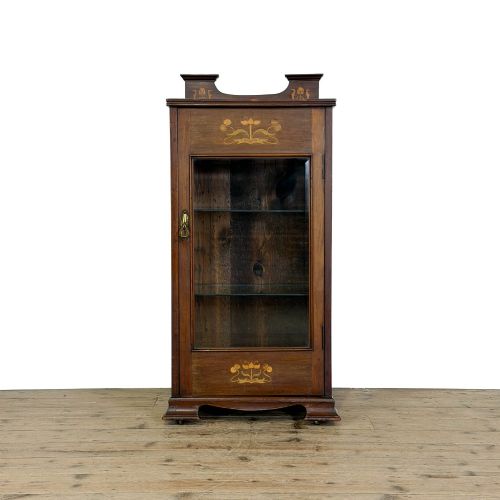
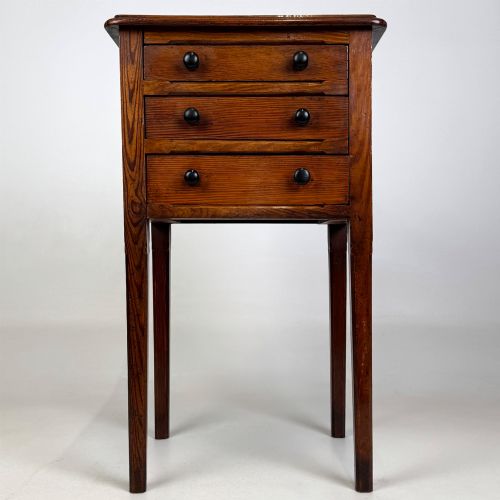
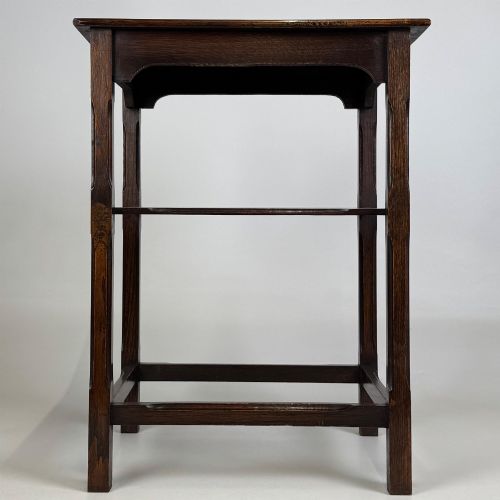
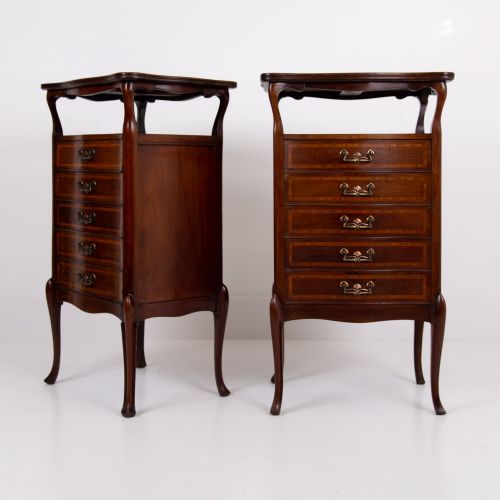
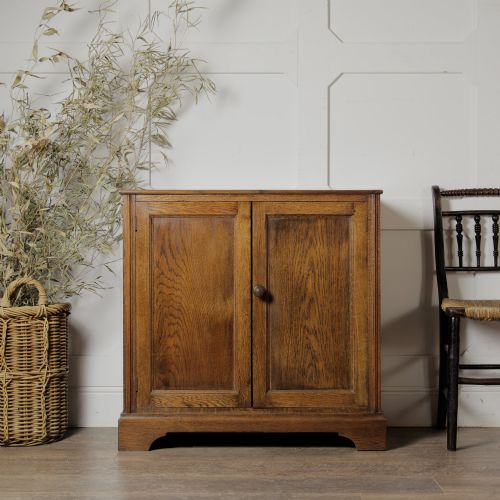
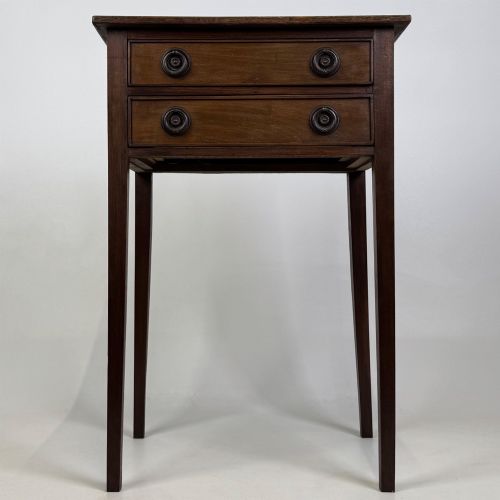
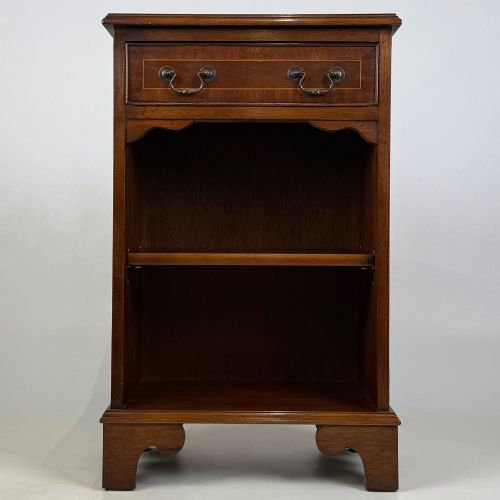
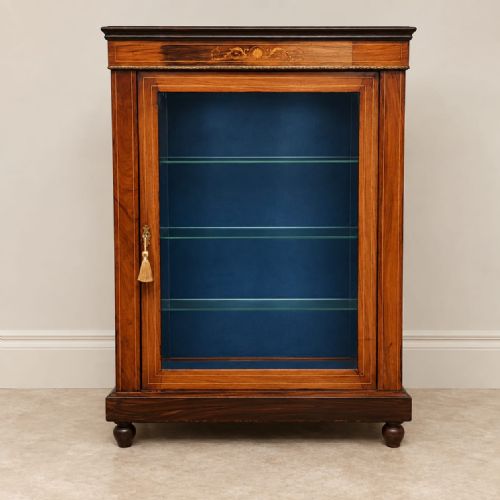
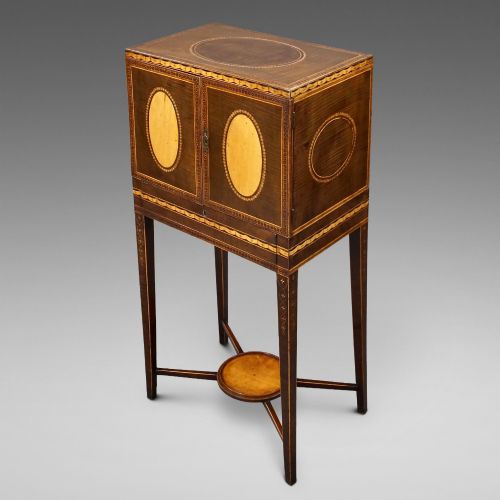
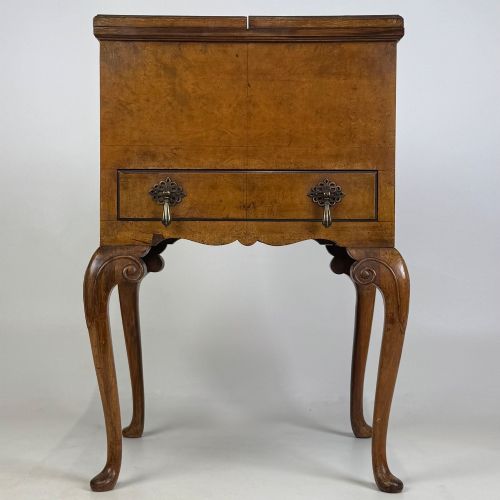
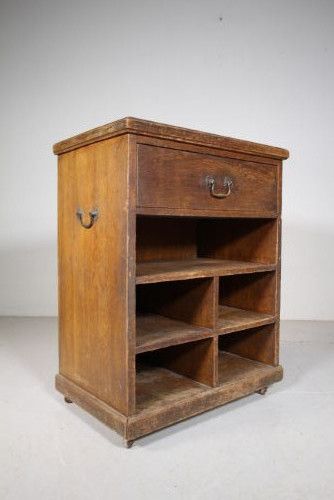
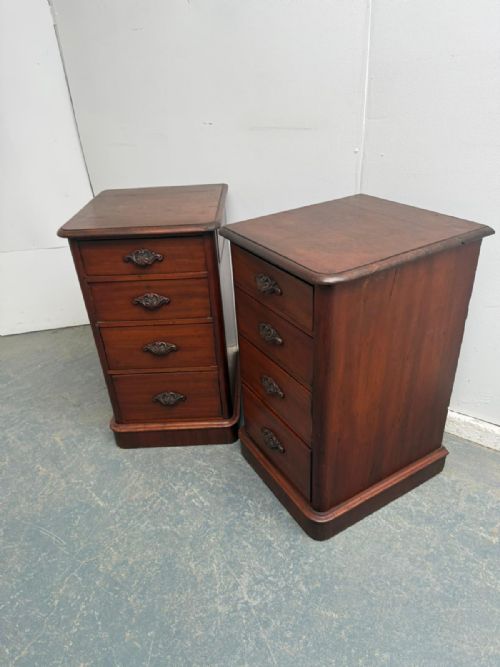
Small Side Cabinet
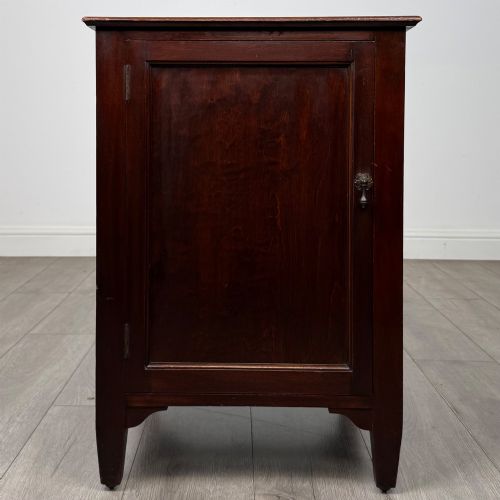
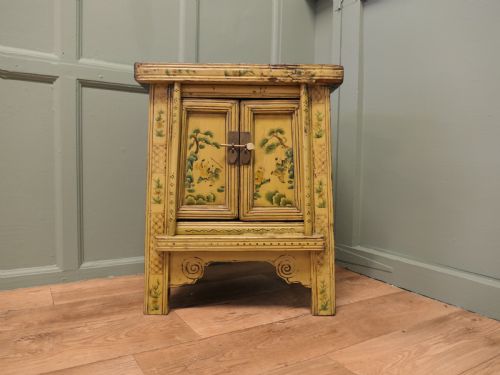
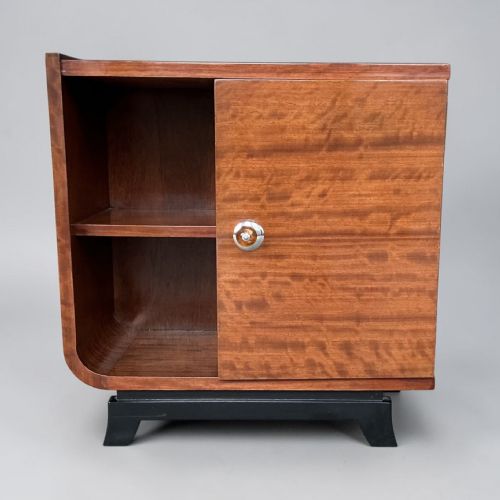
When you search for a small antique side cabinet, you encounter compact timber cupboards and bedside pieces built to serve modest spaces.

Small Side Cabinet
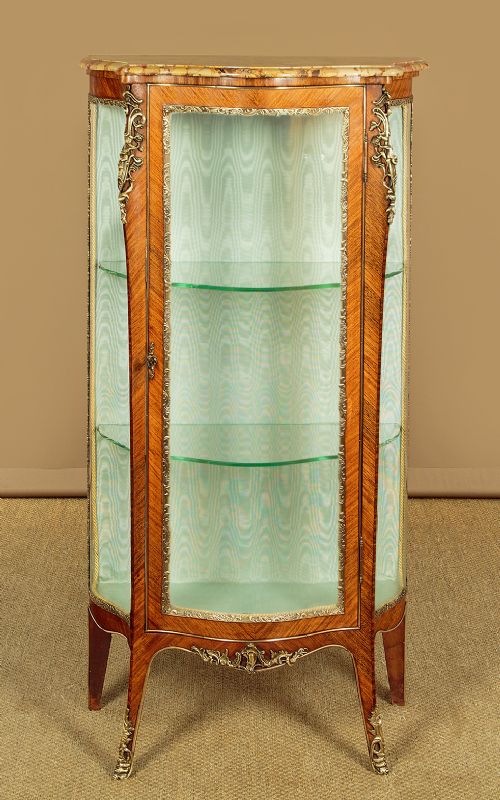
A small antique side cabinet serves as a versatile compact storage piece, appearing across Georgian, Victorian, and Edwardian periods in forms ranging from bedside cupboards to narrow display units.
Buyers most frequently meet mahogany and oak examples from the nineteenth and early twentieth centuries, constructed with single doors, small drawers, or open shelving designed for tight corners.
These items bridge utility and display, functioning historically as nightstands, pot cupboards, and miniature chiffoniers within domestic interiors.
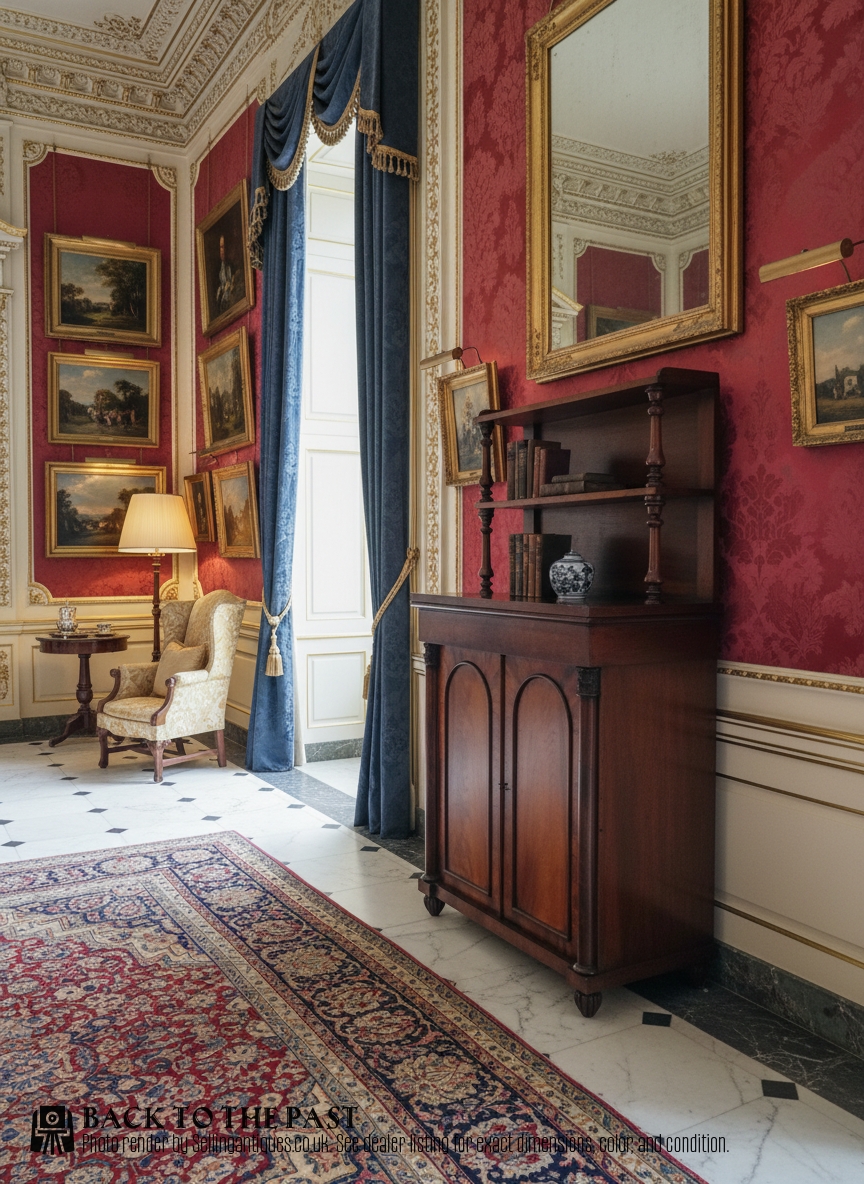
Materials and construction
Cabinet makers relied heavily on native hardwoods like mahogany and oak, supplemented by decorative veneers such as burr walnut, rosewood, and satinwood for visible surfaces.
Construction techniques combined solid timber frames with dovetailed drawer boxes, brass hardware, and occasionally hand-painted or inlaid decorative motifs in satinwood or boxwood.
Surface finishes typically involved traditional wax or French polish, sealing the grain while highlighting the natural figure of the timber.
Several Victorian pot cupboards retain their original porcelain chamber pot interiors, now repurposed for secret storage.
Evaluating craftsmanship and condition
Quality reveals itself in the selection of figured timber veneers and the crispness of inlaid banding, where superior pieces use continuous grain patterns across drawer fronts.
Joinery standards distinguish finer workshops, demonstrated by tight dovetailing, smooth drawer runners, and well-fitted panel doors that retain original brass or ormolu mounts.
The integrity of secondary woods and the presence of original hardware anchor the authenticity and enduring structural stability of each piece.
The Small Side Cabinet Glossary
- Chiffonier
- A low sideboard or cabinet featuring enclosed shelving below, originating in the Regency and Victorian periods.
- Pier cabinet
- A narrow cabinet designed specifically to fit the wall space between windows, often incorporating glass doors or inlaid panels.
- Pot cupboard
- A small bedside cabinet historically built to enclose a chamber pot, usually featuring a single door and a small drawer.
- Ormolu
- Gilded bronze mounts applied to furniture, frequently seen on French-influenced Victorian and Edwardian revival pieces.
- Dovetail
- A traditional interlocking joint used in drawer construction that ensures high tensile strength and longevity.
Small Side Cabinet: Frequently Asked Questions
What rooms suit a small antique side cabinet?
These compact pieces fit easily beside beds, in narrow hallways, or as accent units in living rooms where surface space is limited.
Their enclosed shelving and drawers offer practical storage for books, lamps, and small household items without dominating the room.
How do I distinguish Victorian from Edwardian pieces?
Victorian cabinets generally feature darker, heavier mahogany or walnut timbers with robust proportions and denser ornamentation.
Edwardian examples often display lighter oak or satinwood finishes, simpler lines, and occasional influences from Arts and Crafts or Sheraton revival styles.
Were these cabinets used as bedside tables?
Many side cabinets and pot cupboards served directly beside beds to hold lighting, books, and night-time necessities.
Their enclosed compartments made them ideal for keeping bedrooms tidy while maintaining a decorative presence.
How do I care for polished mahogany surfaces?
Maintain the timber by dusting regularly with a soft, dry cloth and avoiding direct exposure to strong sunlight or heat sources.
Apply a traditional beeswax polish occasionally to nourish the grain and preserve the depth of the vintage finish.