

Small Cabinet Desk
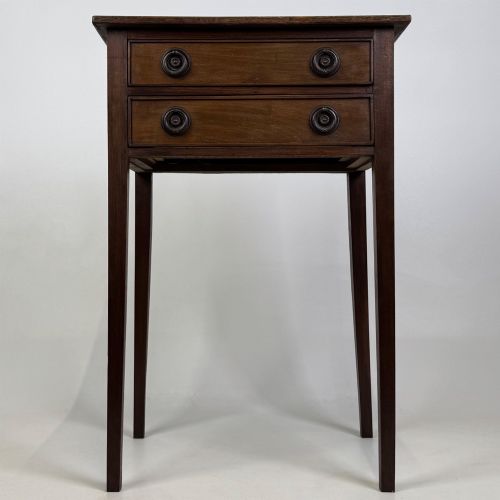
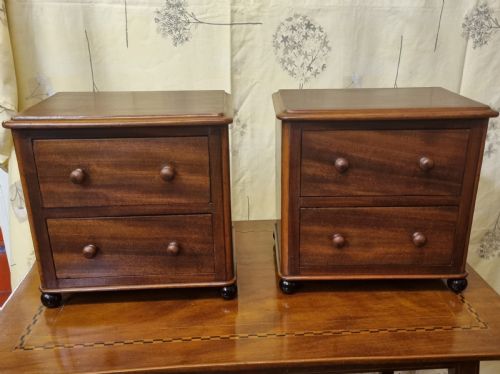
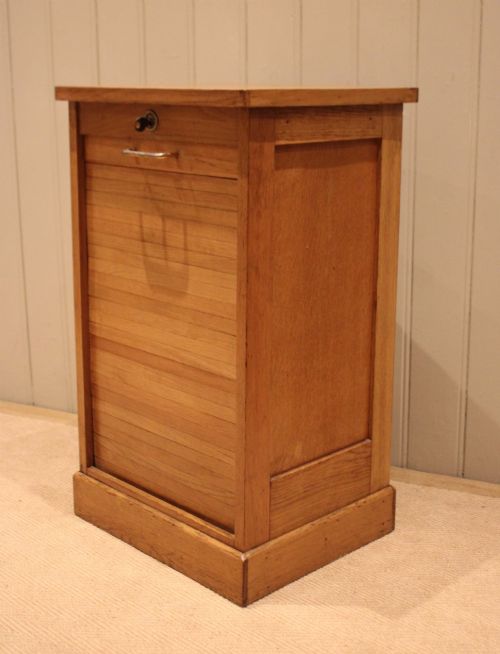
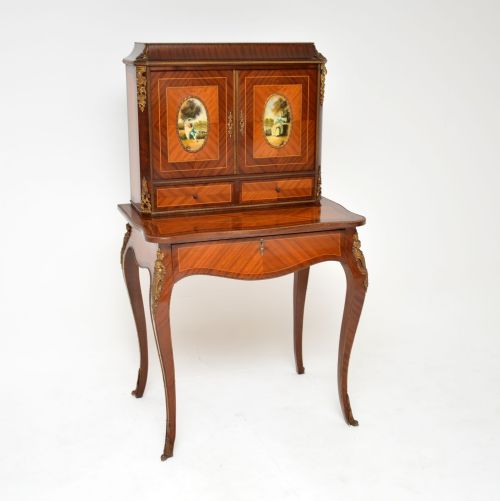
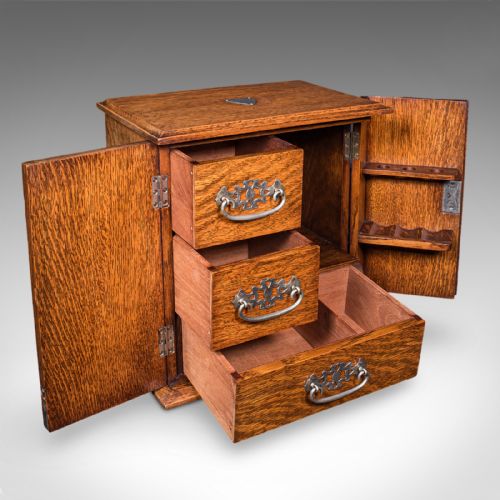
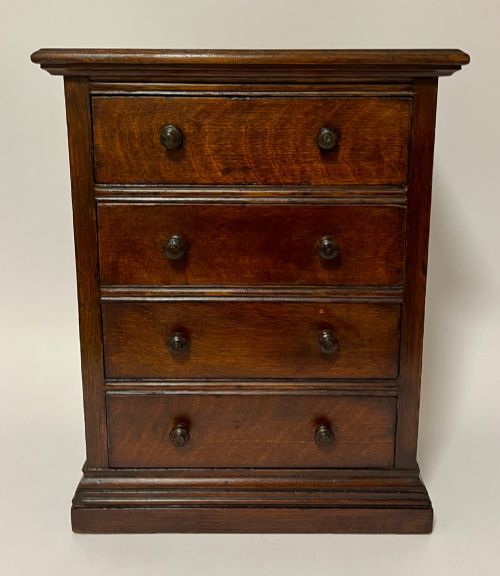
These small antique cabinet desks bring compact workspace and concealed storage together in mahogany, walnut, and oak.
Small Cabinet Desk
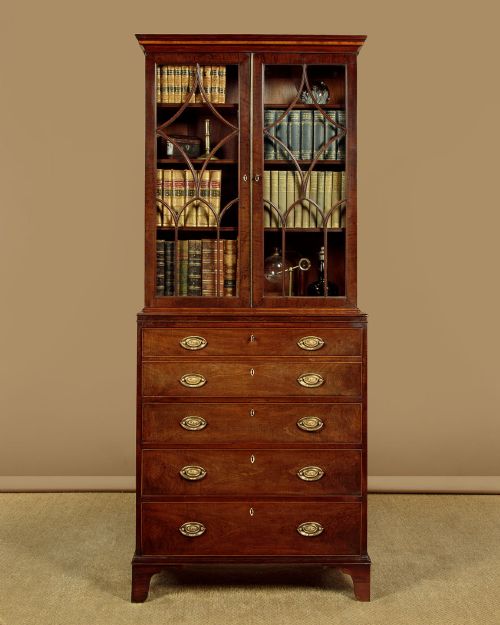
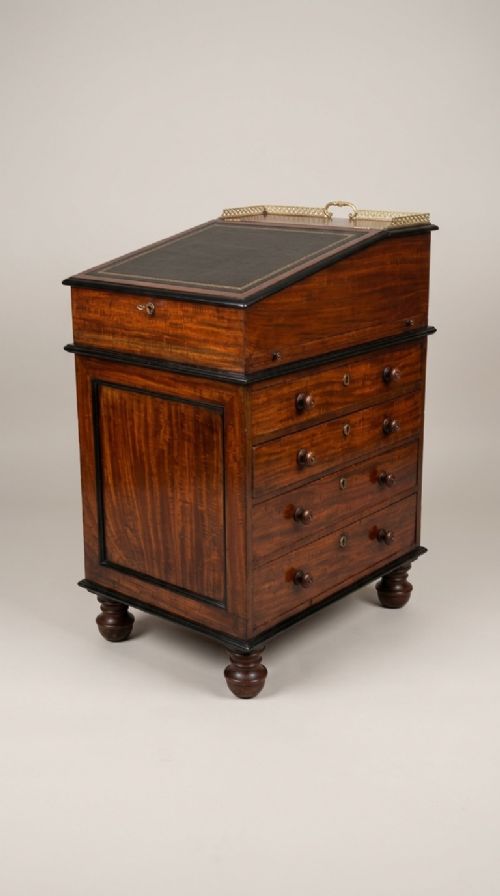
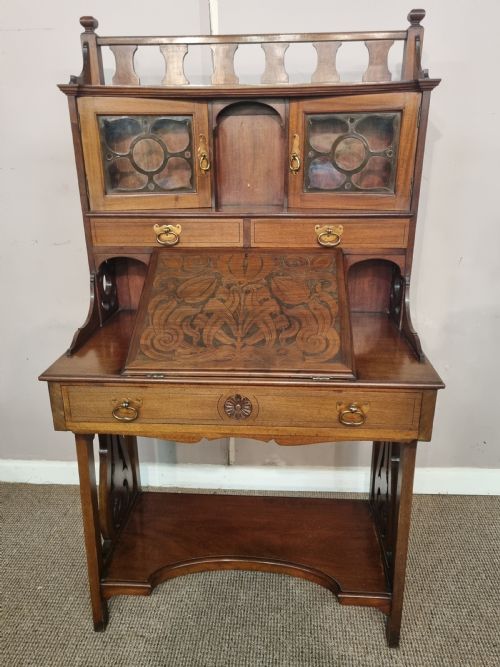
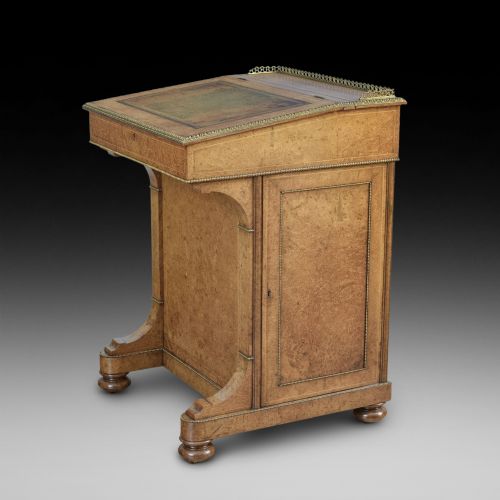
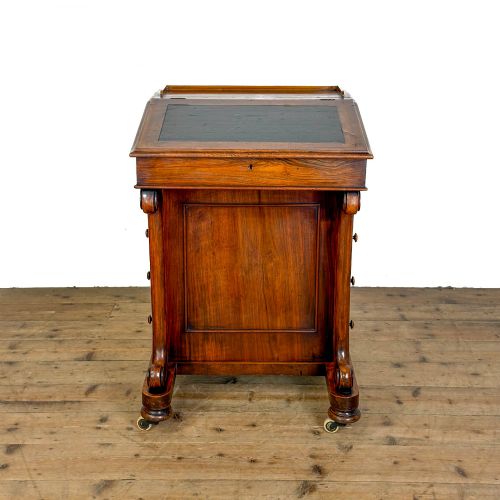
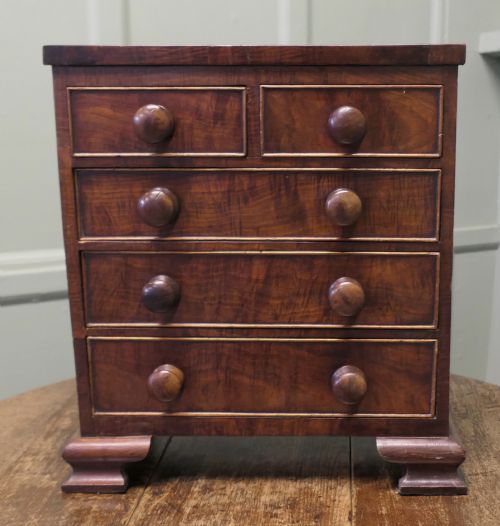
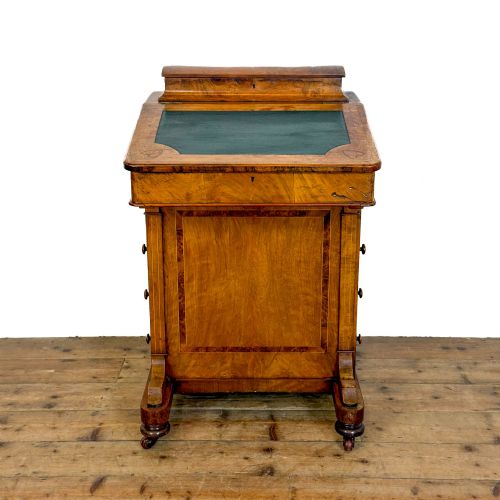
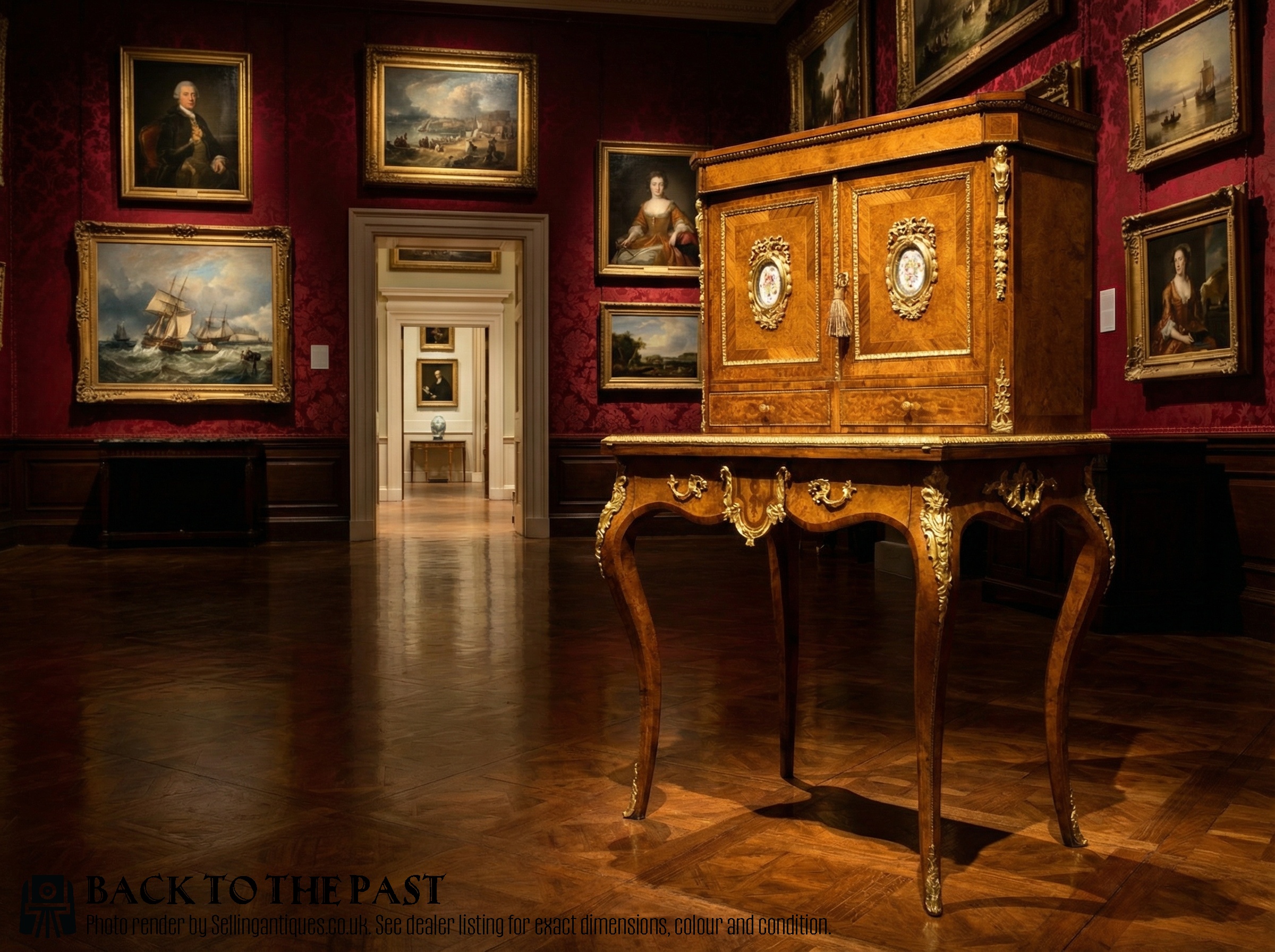
A small antique cabinet desk combines a compact writing surface with enclosed storage, ranging from compact davenports and table cabinets to diminutive bureau bookcases. Buyers searching for a small antique cabinet desk will find pieces spanning the Georgian, Regency, Victorian, and Edwardian periods.
Mahogany and walnut predominate among the forms, complemented by oak, burr walnut, and rosewood. These items take the shape of davenports, secretaire bookcases, and tabletop chests designed for domestic studies and writing rooms.
Originating largely from English and French workshops, the selection includes pieces attributed to makers such as Gillows alongside Arts and Crafts designs.
Materials and Construction
Cabinet makers utilised solid woods and veneers of mahogany, walnut, oak, and rosewood over secondary structural timbers. Brass handles, hinges, and mounts provided functional and decorative accents on drawers and writing compartments.
Surfaces received French polish or traditional wax finishes to protect the wood and enhance the grain. Leather inserts frequently lined writing slopes, whilst interior pigeonholes and small drawers required precise joinery.
Some Victorian davenports feature a secret pop-up mechanism to hide inkwells from wandering hands.
Assessing Quality
Quality rests upon the selection of figured timber veneers, such as burr walnut or satinwood inlay, matched across drawer fronts and writing surfaces. Superior examples demonstrate crisp carving, tight dovetail joints, and well-figured solid secondary woods.
The integrity of original brass hardware, fitted leather surfaces, and working locks distinguishes finer pieces from later replacements. Proportion and balance in miniature and small-scale forms also dictate the standing of an individual desk.
Gillows of Lancaster·Arthur Simpson of Kendal
The Small Cabinet Desk Glossary
- Davenport
- A small pedestal desk featuring a sloping writing top above a set of side drawers. It emerged during the Regency period and remained popular through the Victorian era.
- Secretaire
- A cabinet or desk incorporating a pull-out writing drawer or drop-front flap that conceals pigeonholes and small drawers. This format allows a piece of case furniture to double as a writing desk.
- Bonheur du jour
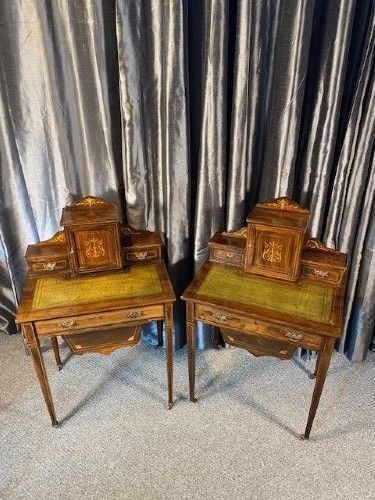
- A light ladies writing table with an enclosed cabinet or set of small drawers upon the top surface. Originating in France, these tables date largely from the eighteenth and nineteenth centuries.
- Pigeonhole
- A small, open compartment fitted inside a desk or cabinet for sorting letters and papers. These compartments are often framed by decorative fretwork or tiny drawers.
Small Cabinet Desk: Frequently Asked Questions
Where were small cabinet desks placed?
These compact desks suited private sitting rooms, bedrooms, and smaller parlours where space was at a premium. Their dual function allowed owners to write correspondence and store papers without dedicating a room to a full-sized library table.
They often stood against walls or beside windows to catch natural light on the leather writing surface. The enclosed upper sections kept stationery and valuables out of sight when not in use.
How do I date a bureau desk?
Dating relies on timber choices, construction methods, and hardware styles across different eras. Georgian pieces often display fine mahogany and satinwood inlay, whilst Victorian examples frequently utilise walnut and heavier brass mounts.
Secondary woods inside drawers and the cut of the dovetails provide further clues to the period. Regency and Victorian designs often incorporate pivoting desk lids and specialised stationery compartments.
Can I use an antique desk daily?
These pieces were built for regular clerical work and withstand everyday use provided the writing surface is treated with care. Leather slopes benefit from gentle cleaning and wax conditioning rather than modern chemical treatments.
Drawers and folding mechanisms should be operated smoothly without forcing ancient timber. Regular maintenance of the wax finish preserves the wood against environmental changes.