


Small Afghan Area Rug
A small afghan area rug brings the rich nomadic weaving traditions of Central Asia directly into a compact domestic space.
Small Afghan Area Rug
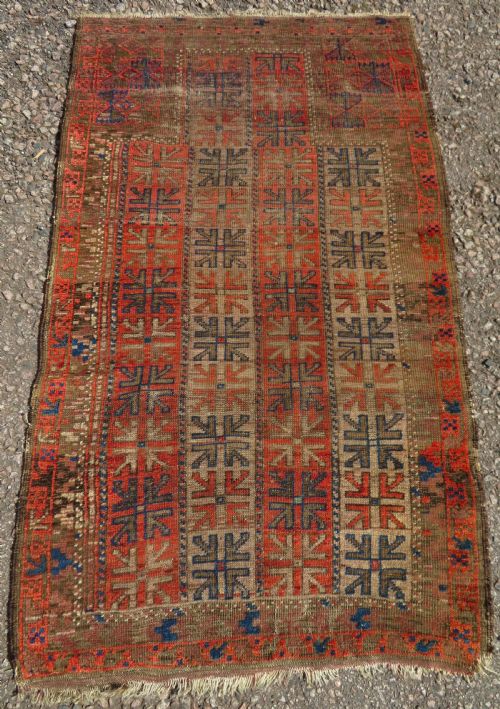
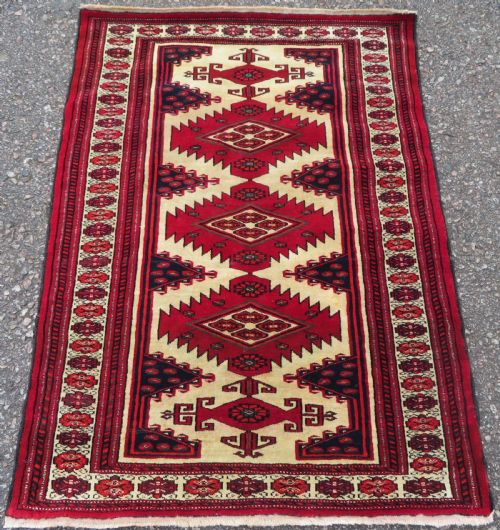
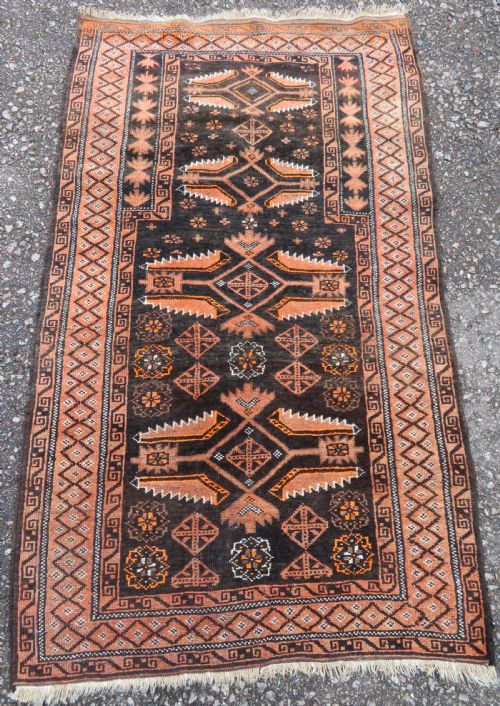
A small afghan area rug is a dense, portable textile created by nomadic and village weavers across Afghanistan and its western borderlands. These pieces range from compact tribal prayer mats to village formats produced between the late nineteenth century and the early twentieth century. When exploring this selection, buyers encounter distinct regional expressions including Baluch, Turkmen, and Taimani traditions.
The formats frequently feature focused layouts such as single or multiple mihrabs, lotus leaf motifs, and lattice patterns designed for personal prayer or domestic use. Weavers from western Afghanistan and northern regions contributed specific regional variations that define the character of these smaller formats. Each rug reflects the practical needs and artistic vocabulary of the makers who knotted them by hand.
Materials and construction
Construction relies heavily on hand-spun wool and camel hair, providing a durable foundation and a soft tactile quality. Artisans utilised natural dyes to achieve deep earthy tones, madder reds, and rich golds that age gracefully over decades. The careful preparation of these animal fibres ensures both resilience and flexibility in daily use.
Knotted entirely by hand on traditional looms, these textiles demonstrate the careful execution characteristic of tribal workshops. The integration of wool warp and weft threads creates a tight structure that supports intricate geometric and floral designs. Natural colour variations within the wool give each surface a subtle depth and movement.
Listings span several decades from the 1870s through the 1930s, showcasing wool and camel hair constructions dyed with natural colours.
Factors of distinction
Quality in these textiles depends upon the tightness of the knotting and the crispness of the secondary design details. Pieces with finely spun wool and well-saturated natural dyes maintain greater clarity in motifs such as the seh mihrab or lattice framework. The handling of secondary borders and the precision of geometric filler ornaments also indicate the skill of the weaver.
Another aspect of distinction lies in the condition of the pile and the integrity of the original selvedges and ends. A balanced, even wear across the surface demonstrates uniform materials and careful original craftsmanship. The depth of the patina achieved through age enhances the visual harmony of the composition.
The Small Afghan Area Rug Glossary
- Mihrab
- A niche design symbolising the direction of prayer, frequently found replicated in multiple arches on prayer rugs. This architectural motif guides the layout of many tribal compositions.
- Seh Mihrab
- A triple-arched prayer niche design often seen in Baluch and Taimani rugs. This layout places three distinct arches across the top of the field.
- Camel Ground
- A foundational field colour created using undyed camel hair ranging from warm golden brown to soft fawn. This natural fibre provides a durable and distinct background tone.
- Dokhtar-e-Qazi
- A specific tribal design attributed to Baluch weavers, featuring geometric lattice patterns and stylised plant motifs. The name links the pattern to traditional weaving lore.
- Patina
- The soft sheen and mellowed colour harmony acquired by natural wool and dyes over decades of gentle use and exposure. This quality develops naturally with age.
Small Afghan Area Rug: Frequently Asked Questions
How were these small rugs used?
These compact rugs served primarily as portable prayer mats or functional floor coverings within nomadic tents and village homes. Their manageable dimensions allowed weavers to transport them easily during seasonal migrations.
In domestic settings, they provided comfortable kneeling surfaces and added warmth to living spaces. Their portable nature made them versatile items for daily nomadic life.
Where were these rugs made?
Production took place across various regions of Afghanistan, particularly in western areas near the border and northern settlements. Different tribal groups, including Baluch, Taimani, and Turkmen communities, developed their own distinct weaving centres.
Local access to specific materials and traditional dyeing knowledge shaped the output of each district. Herat and Aqcha stand out as notable geographical touchpoints within the available evidence.
How do I care for an antique rug?
Maintenance requires gentle vacuuming without a rotating brush to protect the hand-spun wool pile and delicate foundation threads. Keeping the textile away from direct, harsh sunlight prevents the natural dyes from fading prematurely.
Professional cleaning tailored to antique wool textiles helps preserve the integrity of the natural fibres. Allowing the rug to breathe and avoiding excessive moisture ensures long-term stability.
How can I tell the tribal origin?
Attribution relies on identifying specific structural traits, colour palettes, and recurring design motifs associated with particular groups. For instance, Turkmen pieces often display deep red tones and characteristic guls, while Baluch works frequently utilise camel ground fields and mihrab formats.
Examining the handling of border patterns and structural wool types provides further clues to regional manufacture. Comparative study of known tribal pieces helps clarify these distinctions.