


Slope Front Bureau Desk
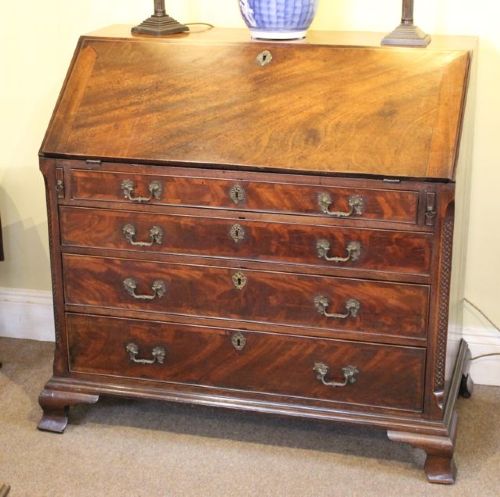
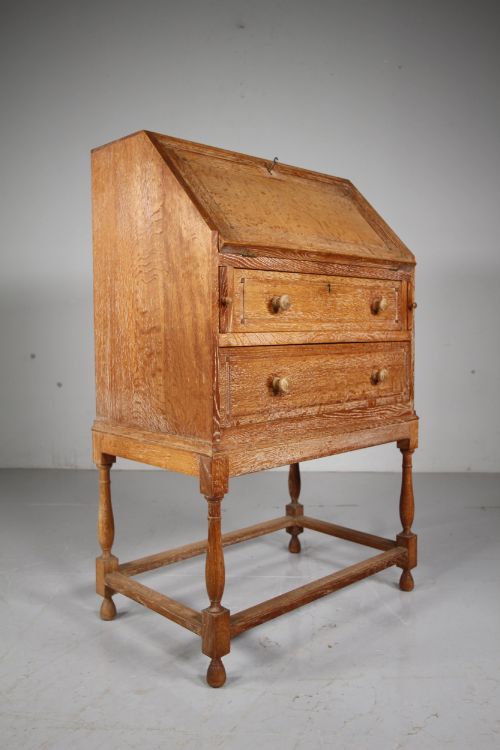
A slope front bureau desk combines a sloping fall-front writing surface with hidden compartments and storage drawers, offering practical writing space and compact storage.
Slope Front Bureau Desk
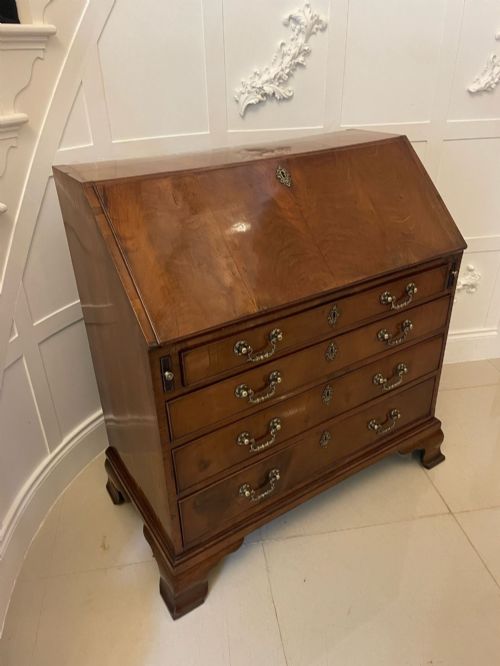
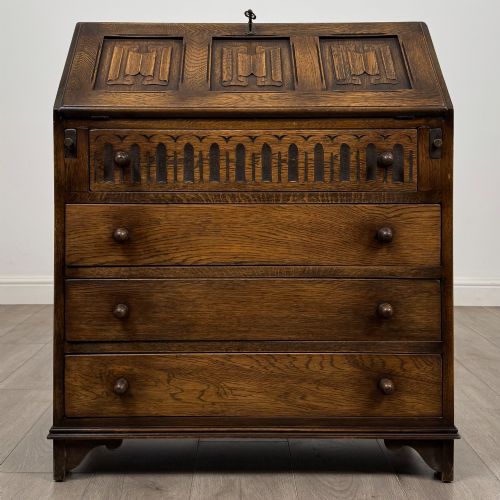
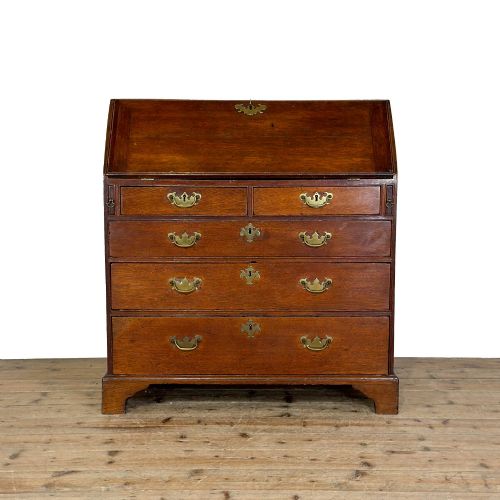
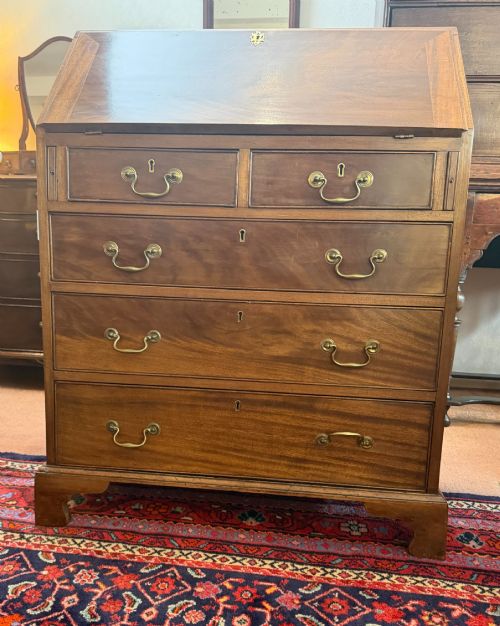
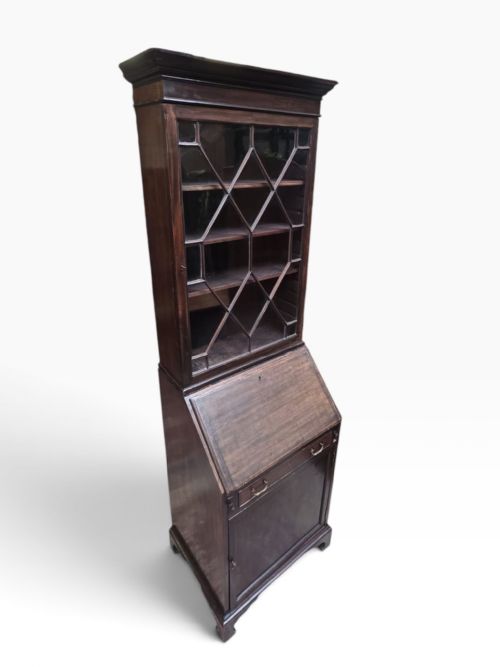
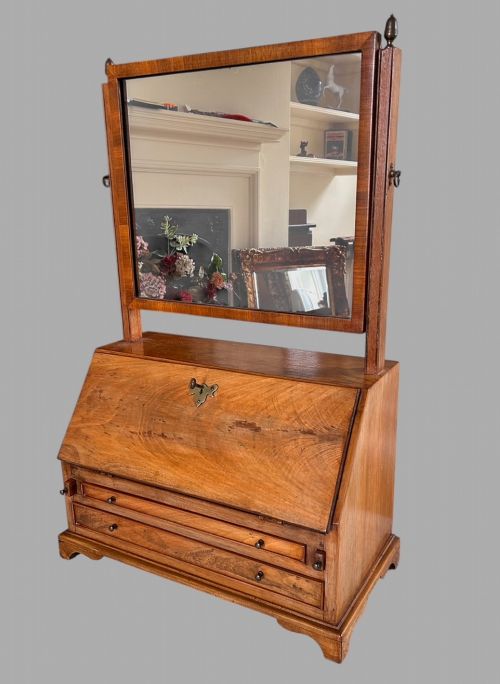
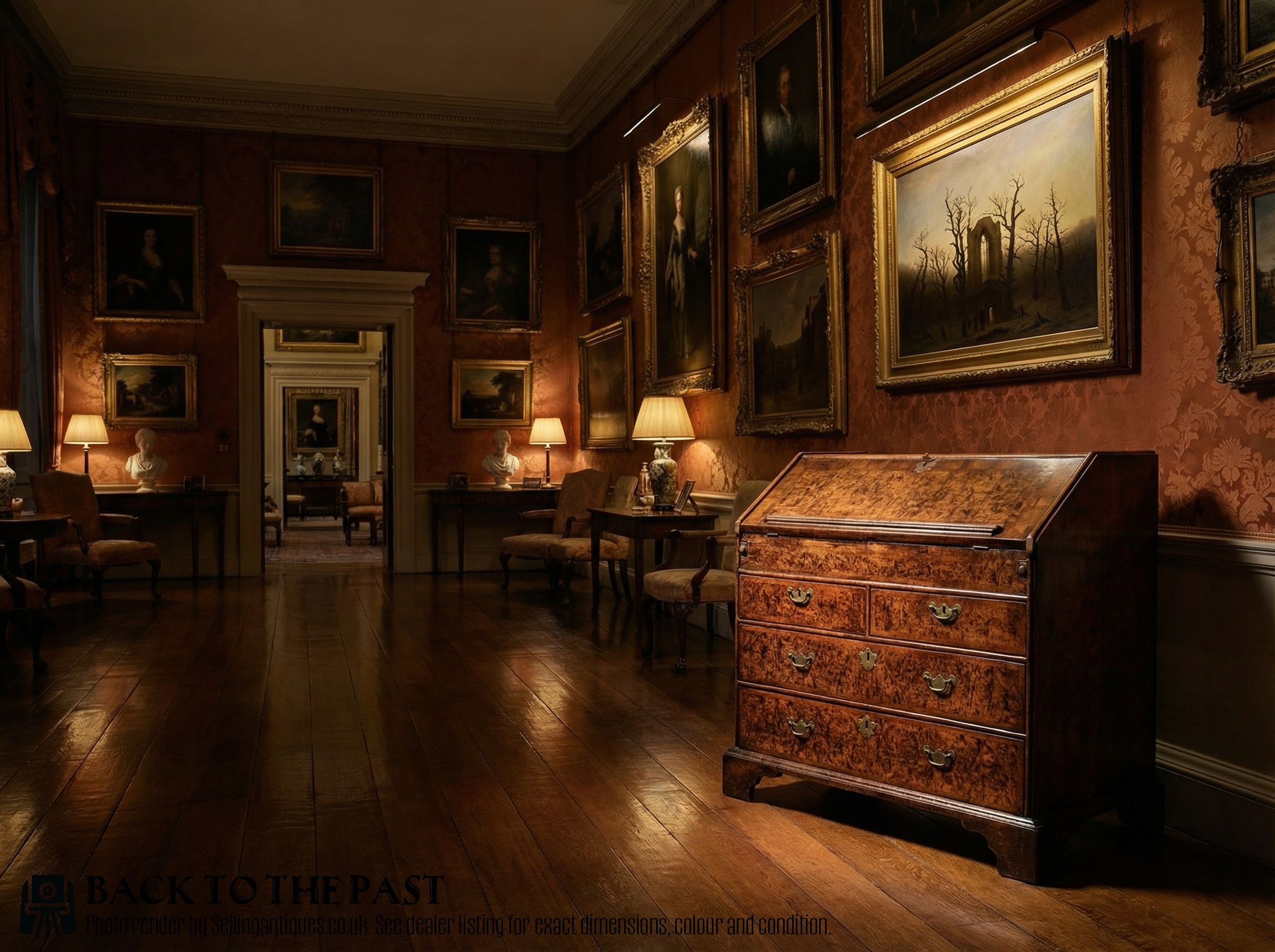
A slope front bureau desk provides a dedicated writing space that conceals inner pigeonholes and small drawers behind a hinged writing flap. The pieces gathered under the phrase slope front bureau desk span periods from the eighteenth century through to the Edwardian era and the 1920s.
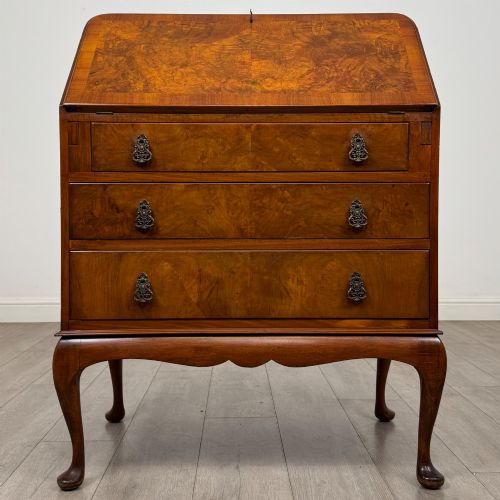
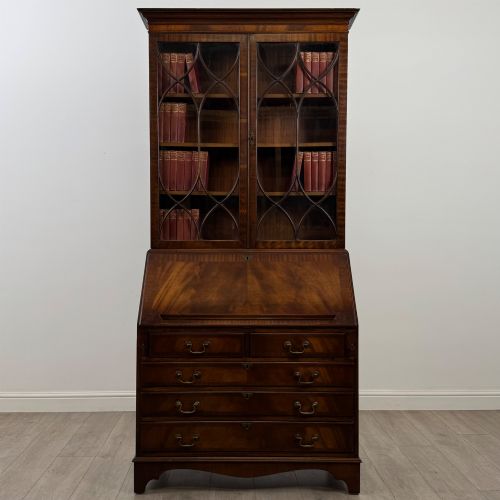
Georgian and eighteenth-century examples frequently appear in mahogany, oak, walnut, and yew wood, often resting on bracket feet or stands. Later Edwardian and twentieth-century versions emerge widely in figured walnut, golden oak, and satinwood, alongside bureau bookcases and bureau cabinets.
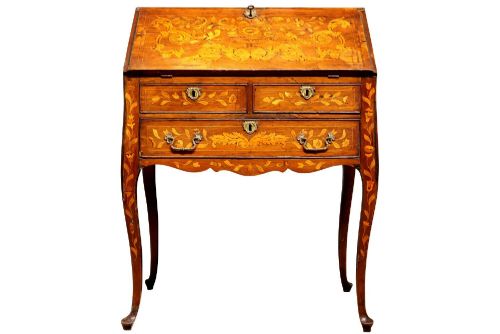
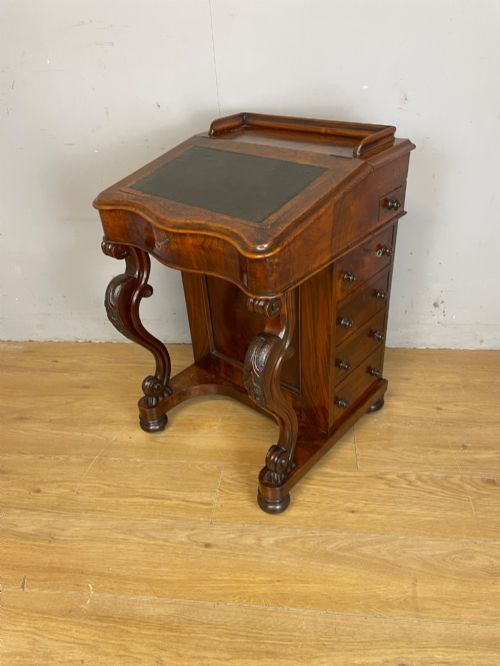
More specialised formats include Davenport desks in walnut and amboyna, table-top writing boxes, and painted or marquetry-decorated pieces from Dutch and English traditions.
Materials and construction
Cabinetmakers constructed these writing pieces using timbers such as mahogany, oak, walnut, and fruitwood, often selecting figured veneers for the fall-fronts and drawer faces. Brass handles, escutcheons, and occasional mounts secure the drawers and fall-fronts, while interior writing surfaces frequently incorporate fitted leather panels.
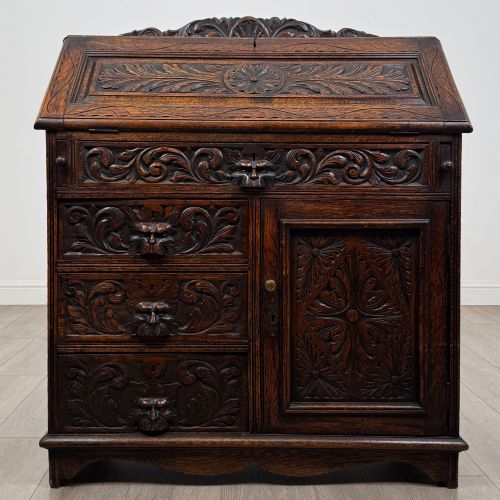
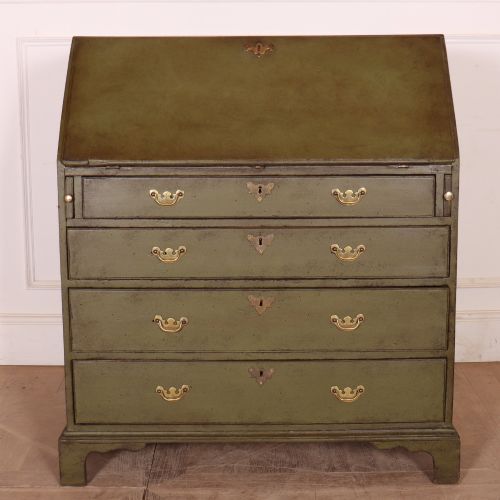
Decorative techniques recorded in the evidence range from carved oak linenfold panels and Green Man motifs to intricate Dutch floral marquetry, hand-painted finishes, and satinwood crossbanding. Structural support relies on traditional joinery, dovetail drawers, and fitted pigeonhole interiors built into the desk carcase.
Listings feature oak, mahogany, and walnut across Georgian, Victorian, and Edwardian periods.
Evaluating craftsmanship
Quality rests upon the choice of timber and the precision of the cabinetwork, visible in the grain matching across drawer fronts and the neatness of internal pigeonholes. Pieces featuring figured walnut, burr walnut, or fine mahogany display greater depth in the timber surface.
The sophistication of the secondary decoration distinguishes simpler utility furniture from finer examples. Hand-cut marquetry, carved detailing, and retained maker labels add distinct layers of craftsmanship to the finished bureau.
Heals of London·Stanley Webb Davies
The Slope Front Bureau Desk Glossary
- Fall-front
- The hinged sloping board that pulls down to form the writing surface of a bureau. It conceals the internal drawers and pigeonholes when closed.
- Bureau bookcase
- A tall furniture form combining a slope front writing desk on the lower section with glazed or panelled shelving doors above. This dual-purpose piece provides both storage and workspace.
- Davenport
- A compact form of writing desk featuring a sloped writing top, side drawers, and a pedestal base. These smaller desks appeared frequently during the Victorian period.
- Marquetry
- Inlaid wood veneers arranged to form decorative floral or pictorial patterns across the surface of the furniture. Dutch examples often display this technique prominently.
- Pigeonholes
- Small, open compartments fitted inside the upper section of a bureau desk for sorting letters and papers. They sit behind the main fall-front flap.
Slope Front Bureau Desk: Frequently Asked Questions
What is a slope front bureau desk?
A slope front bureau desk is a traditional form of writing furniture featuring an angled hinged flap that opens to reveal a fitted interior of small drawers and pigeonholes. Below this writing slope lie a series of storage drawers.
Such desks evolved to provide a private, concealable space for correspondence and record-keeping in domestic interiors. They combine the utility of a chest of drawers with the function of a writing table.
How do I identify a Georgian bureau?
Georgian and eighteenth-century bureaux typically employ solid timbers like mahogany, oak, or walnut with hand-cut dovetails on the drawer construction. Their interior fittings often feature secret compartments or shaped pigeonholes.
Proportions tend to be balanced, resting on bracket feet or short cabriole legs depending on the exact decade and regional workshop traditions.
Where were bureau bookcases used?
Bureau bookcases served as multifunctional furniture in reception rooms, libraries, and studies of larger homes. The upper bookcase section held volumes while the lower desk accommodated writing tasks.
Their substantial height and dual storage capabilities made them central fixtures for household administration and book collection storage.
How do Edwardian bureaux differ?
Edwardian and early twentieth-century examples frequently utilise figured walnut, golden oak, or satinwood veneers. They often incorporate decorative styles such as carved linenfold panels or painted satinwood finishes.
These later pieces reflect lighter domestic interiors and varied revival styles, including Jacobean and Arts and Crafts influences.
What is a Davenport desk?
A Davenport desk is a compact writing cabinet with a sloped, leather-inset writing surface and a set of drawers accessed from the side. These desks emerged in the nineteenth century in woods such as walnut and amboyna.
Their smaller footprint allowed them to sit comfortably in parlours and bedrooms where space was restricted.