




Slender Side Table
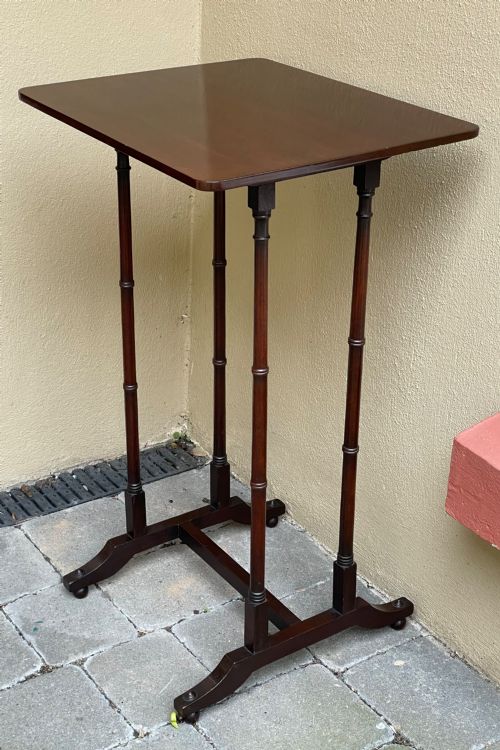
A slender side table gives you surface space without bulk, bringing refined proportions and period timber into compact rooms.
Slender Side Table
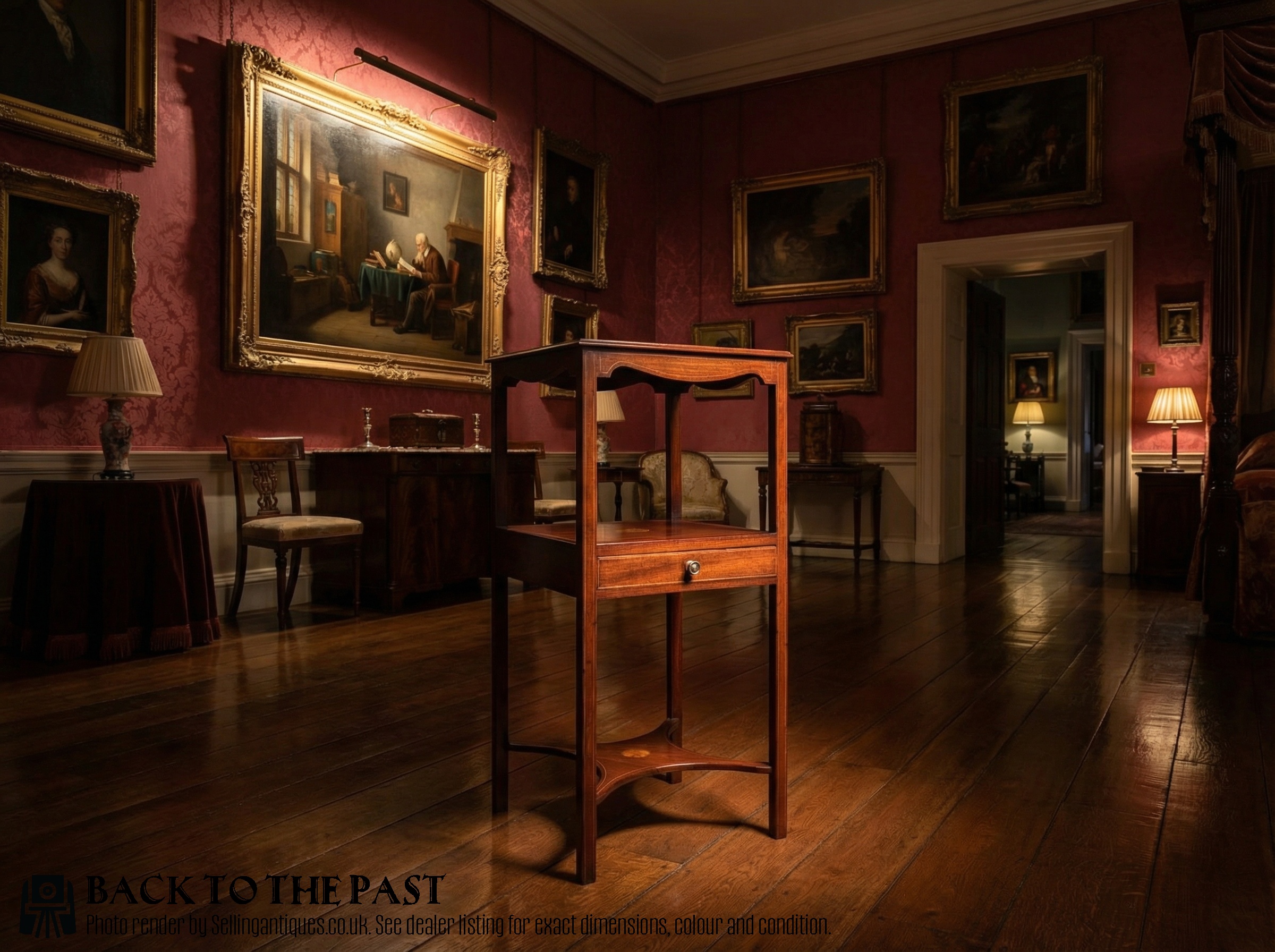
A slender side table is a practical piece of antique furniture designed to fit narrow spaces while providing a useful surface for lamps, books or tea. When you search for a slender side table, you encounter forms ranging from delicate occasional tables and bedside stands to narrow console tables and tripod urn stands.
The pieces appearing here span several centuries, with Georgian and eighteenth-century examples forming a strong contingent alongside later Edwardian and nineteen-twenty pieces. Mahogany dominates the selection, frequently accompanied by satinwood, oak, brass, lacquer and bone inlay.
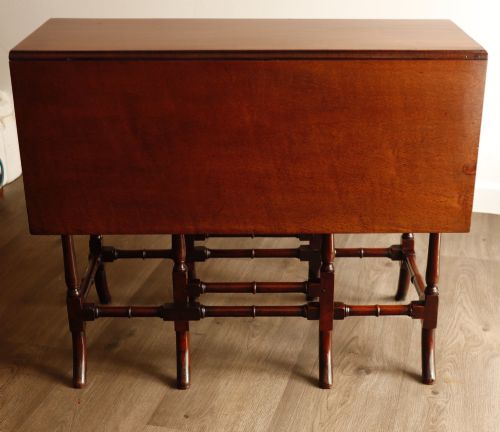
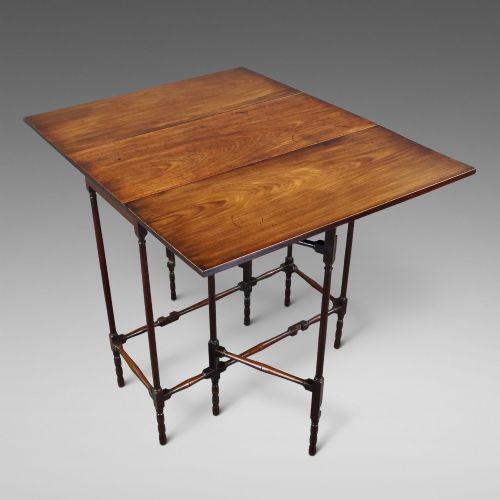
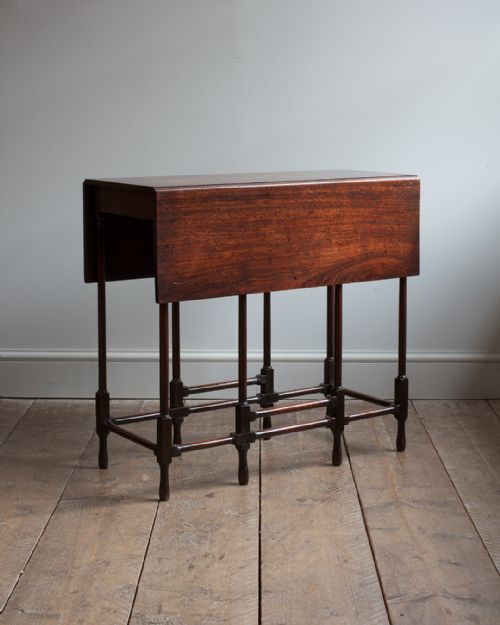
You will notice distinct variations in form, from spider leg drop-leaf tea tables with exceptionally thin supports to diminutive end tables and Chinoiserie decorated pieces. Each design reflects the domestic requirements of its period, prioritising lightness and mobility.
Materials and construction
Makers utilised dense timbers such as mahogany and oak to achieve structural integrity despite exceptionally thin legs and frames. Joinery relied on traditional methods like mortise and tenon joints to keep slender columns and tripod bases stable.
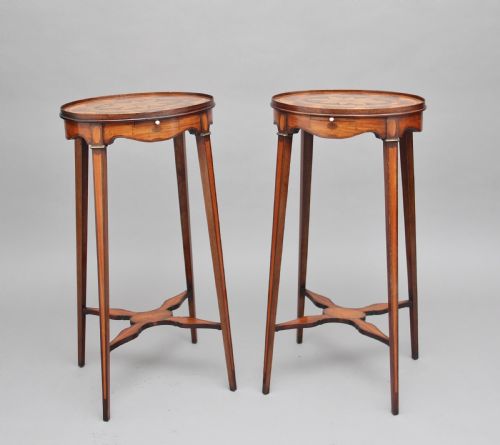
Surface decoration involved careful wood inlay, satinwood banding, gold leaf and lacquer work, particularly on Sheraton revival and Chinoiserie examples. Brass fittings, drop handles and subtle bone details added functional contrast to the dark timber surfaces.
Listings feature mahogany as the predominant timber, spanning eighteenth-century Georgian designs through to nineteen-twenties occasional tables and brass stands.
Assessing quality and craftsmanship
Quality in these pieces rests upon the crispness of the timber turning and the precision of the joinery where slender legs meet the frieze. Superior examples maintain structural rigidity despite delicate proportions, avoiding excessive wobble or clumsy reinforcement.
The refinement of secondary details distinguishes finer specimens, such as the subtlety of wood inlay, the accuracy of brass mounts and the preservation of original polish. Age and period appropriate materials further elevate a piece above standard domestic utilitarian ware.
The Slender Side Table Glossary
- Spider leg table
- A drop leaf occasional table featuring exceptionally thin turned legs and slender stretchers designed to fold flat. This form gained popularity during the eighteenth century for tea service and light use.
- Tripod table
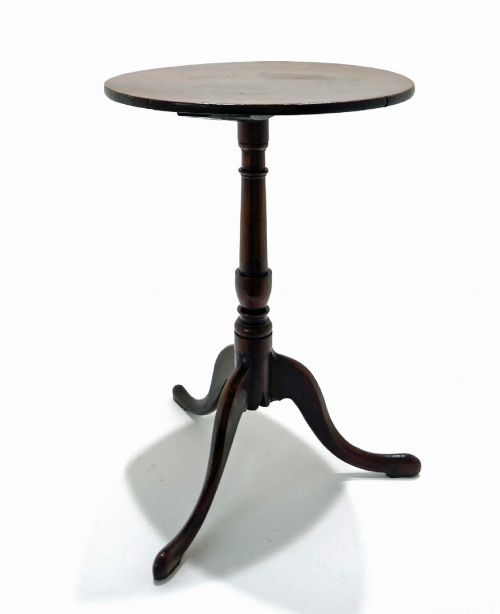
- A small freestanding table supported by a central pillar resting on three legs. They often feature tilting tops and slender columns.
- Chinoiserie
- European decorative art imitating Chinese artistic styles, commonly featuring painted lacquer landscapes and figures. It appears on eighteenth-century furniture and frames.
- Urn stand
- A small tall table traditionally used for holding a hot water urn during tea preparation. They frequently exhibit neoclassical proportions and delicate legs.
- Inlay
- A technique where pieces of contrasting material like satinwood or bone are inserted into a recessed surface to form decorative patterns. It defines much of the finer cabinet work.
Slender Side Table: Frequently Asked Questions
What is a spider leg table?
A spider leg table is a compact drop-leaf table characterised by an intricate network of very thin turned legs and stretchers. They are designed to fold away neatly when not in use.
These pieces were particularly favoured in the eighteenth century for tea service and small parlours where floor space was at a premium.
Where should I place a slender side table?
These tables suit narrow hallways, tight bedside spaces or beside a sofa where a standard table proves too bulky. Their minimal footprint allows them to occupy awkward gaps.
They function well as decorative display surfaces for lamps, ceramics or small collections without overwhelming a room.
How do I date an 18th-century table?
Dating relies on examining the timber species, construction techniques, tool marks and overall style conventions of the period. Eighteenth-century examples often utilise solid mahogany with hand-cut joinery.
Comparing the turning style and hardware to documented pieces from Georgian or Sheraton periods helps confirm the era.
Are these tables sturdy?
Despite their delicate appearance, period tables were built using dense hardwoods like mahogany and oak to ensure structural stability. The network of stretchers on spider leg designs specifically reinforces the thin legs.
Careful handling and placement on even floors keep these historical pieces secure during everyday use.
What is the difference between a console and a side table?
A console table traditionally attaches to a wall or stands flat against it, often featuring a decorative frieze and slender legs. Side tables are generally freestanding and designed to sit beside seating or beds.
Both serve similar functional roles in providing surface space within narrow architectural layouts.