





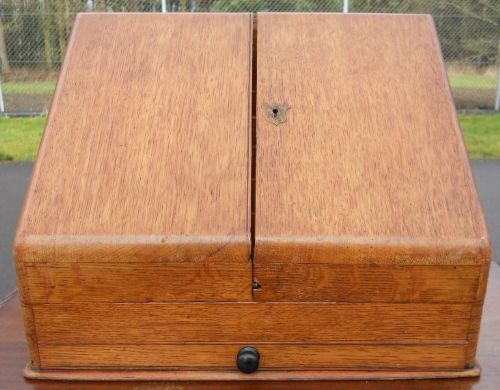


Slanted Oak Desk Box
These slanted oak desk box examples span centuries of practical writing furniture, offering compact storage and a sloping surface for the writer.
Slanted Oak Desk Box
When you search for a slanted oak desk box, you encounter pieces designed for correspondence and storage, ranging from compact table boxes to miniature bureaux. The selection here includes items originating across the seventeenth, eighteenth, and nineteenth centuries.
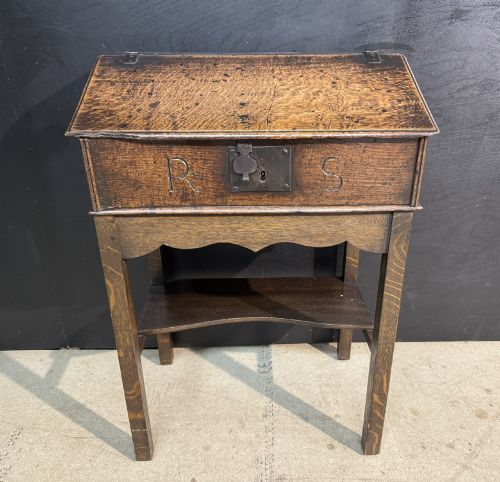
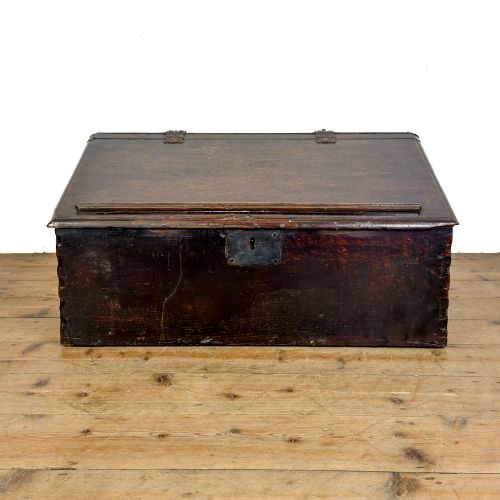
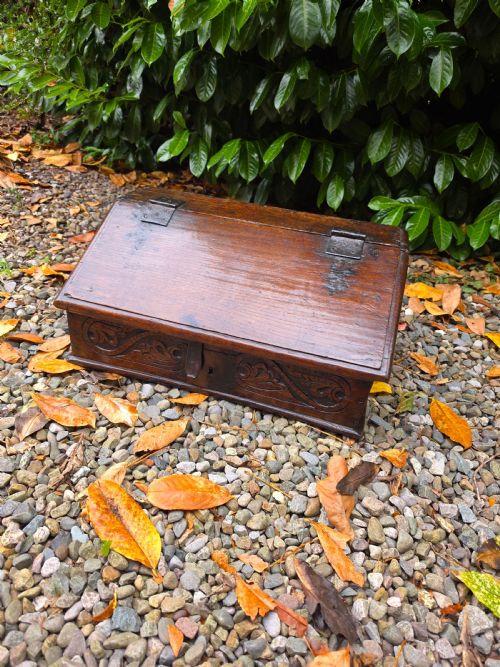
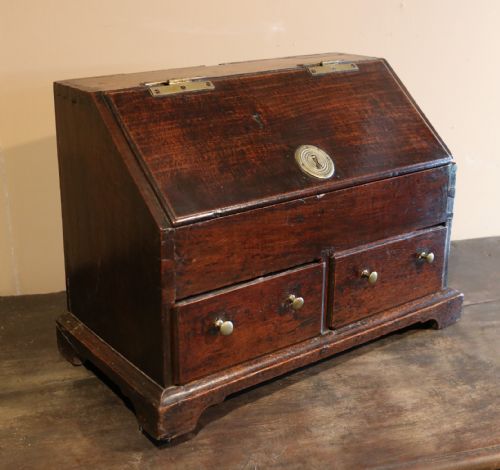
The forms encompass slope front bible boxes, table top bureaux, stationery cabinets, and small desks on stands. Most examples rely on solid timber construction suitable for domestic or ecclesiastical use.
Earlier pieces often display simple hinged lids with sloping writing surfaces, whilst later Victorian and Edwardian iterations incorporate fitted interiors, compartments, and date mechanisms.
How they were made
Construction relies primarily on oak, sometimes accompanied by elm, shaped with brass or iron hinges, locks, and handles. Secondary elements incorporate glass, leather, paper, and fabric linings.
Joinery techniques from the seventeenth and eighteenth centuries utilise pegged frames and panelled construction to house documents and books securely.
Slanted Oak Desk Box Retail Price Guide 2026
Typical asking prices for slanted oak desk box among the pieces listed under this phrase on Sellingantiques today, from the lower quarter to the upper quarter. They describe what is for sale here now, not the wider market.
Some early Welsh boxes carry owner initials and dates carved directly into the timber by past hands.
What varies in quality
Differentiation across the range depends on the integrity of the timber, the retention of original hardware such as brass lockplates and hinges, and the survival of fitted interior compartments. Early dated examples and those retaining original stands demonstrate greater documentary interest.
Proportion and execution distinguish standard utilitarian pieces from finer table top bureaux and miniature forms, whilst alterations like later stands influence the overall character of the piece.
The Slanted Oak Desk Box Glossary
- Bible box
- A lidded wooden box traditionally used to store folio volumes, often featuring a sloping lid that doubles as a reading rest. These form the early precursors to later writing desks.
- Table top bureau
- A small desk designed to sit on a larger table or stand, featuring a slanted fall front that opens to reveal internal pigeonholes and drawers. This form allows for compact writing storage.
- Stationery cabinet
- An upright tabletop container with compartments and doors designed to hold writing paper and envelopes. These emerge more frequently in Victorian and Edwardian examples.
- Slant front
- An angled lid hinged at the top or bottom which provides an ergonomic surface for writing. It lifts or folds down to grant access to the interior compartment.
Slanted Oak Desk Box: Frequently Asked Questions
What is a slanted oak desk box?
It is a portable or tabletop wooden container featuring an angled lid designed to facilitate writing and store correspondence.
These pieces range from early seventeenth-century bible boxes to later Victorian stationery cabinets and miniature bureaux.
How were these boxes used?
They served as portable writing surfaces and secure storage for letters, documents, and important books before dedicated writing rooms became common.
Owners placed them on tables or desks, using the sloping lid to write letters and the interior space to organise papers.
How do I date an oak desk box?
Dating relies on construction methods, hinge types, lock mechanisms, and stylistic clues such as carving or panel design.
Earlier pieces from the seventeenth century often show pegged joints and simple board construction, whilst nineteenth-century examples display machine-sawn elements and fitted stationery dividers.
Are original stands common?
Most early slanted desk boxes were made to sit on existing tables rather than possessing their own dedicated stands.
When a piece retains an original stand or incorporates owner initials and dates, it provides clear evidence of its period and intended use.