



Six Seat Dining Table
A proper six seat dining table grounds the room, offering enough room for family suppers without overwhelming the floor plan.
Six Seat Dining Table
A six seat dining table is built to host a half-dozen diners comfortably, forming the heart of the home across various historical periods. When searching for a six seat dining table, buyers encounter formats ranging from sturdy oak refectory boards to sleek walnut Art Deco suites.
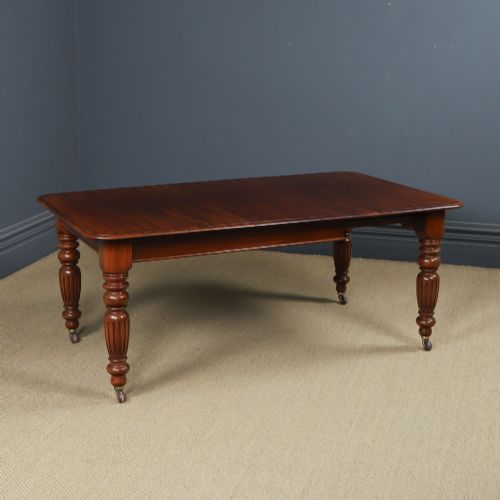
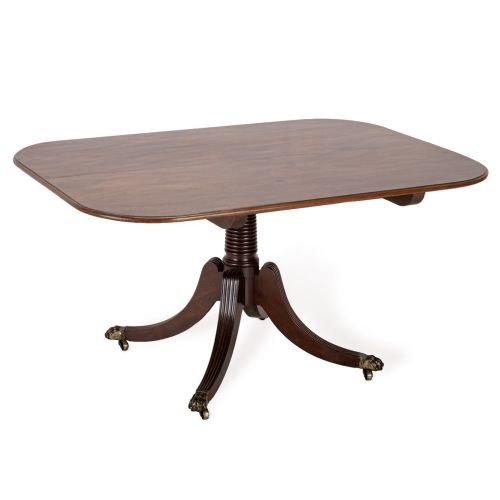
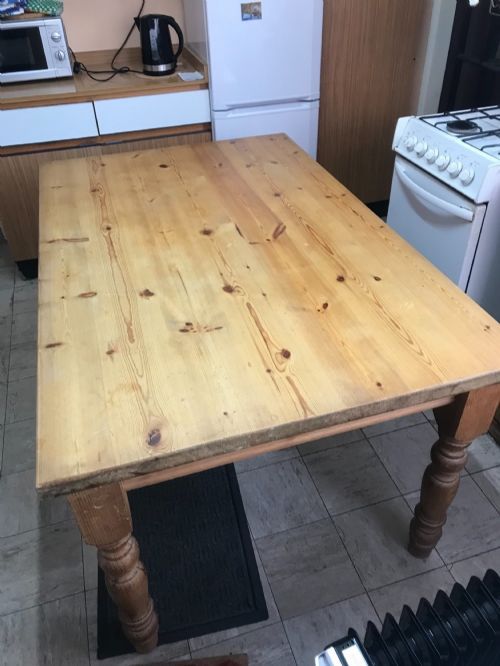
The pieces on this page span several centuries of British craftsmanship, drawing heavily on Georgian elegance and Victorian solidity. Formal mahogany pedestal designs sit alongside rustic pine and bleached oak farmhouse versions.
Many examples incorporate clever mechanical extensions or drop leaves to accommodate daily life and larger gatherings alike. Buyers find both standalone boards and complete dining suites paired with matching chairs.
How They Were Made
Cabinet makers relied primarily on dense timbers like mahogany and English oak, often selecting burr walnut or walnut veneer for decorative surfaces in later Art Deco pieces. Brass fittings appear frequently on castors and extension mechanisms.
Construction techniques evolved from traditional gateleg and dropleaf frames to sophisticated wind-out mechanisms and sturdy twin pedestal supports. Pine and bleached oak served simpler rustic forms, whilst finely carved mahogany defined formal dining rooms.
Six Seat Dining Table Retail Price Guide 2026
Typical asking prices for six seat dining table among the pieces listed under this phrase on Sellingantiques today, from the lower quarter to the upper quarter. They describe what is for sale here now, not the wider market.
Listings feature oak, mahogany, walnut, and pine across periods spanning the eighteenth, nineteenth, and twentieth centuries.
What Varies in Quality
The distinction between tiers rests upon the choice of timber and the precision of the joinery rather than mere age. Solid mahogany and quarter-sawn oak exhibit superior structural integrity compared to secondary softwoods.
Refinement in carving, the smooth operation of winding mechanisms, and the preservation of original polished finishes elevate certain examples above standard utility pieces.
Harry and Lou Epstein·Matthew Lawson
The Six Seat Dining Table Glossary
- Refectory table
- A long, narrow dining table historically used in monasteries and large halls, characterised by sturdy legs joined by a low stretcher. These pieces offer exceptional stability and legroom.
- Tilt-top table
- A table with a top that pivots on a central pillar to store flat against a wall when not in use. This clever mechanism saves valuable floor space.
- Wind-out table
- An extending dining table operated by a detachable metal crank handle that turns an internal screw mechanism. It separates the leaves evenly to insert extra panels.
- Pedestal table
- A table supported by one or more central columns rather than corner legs. This design maximises seating capacity around the perimeter.
- Dropleaf table
- A table with a fixed centre section and hinged flaps on either side that drop down when lowered. Brackets or swing legs support the leaves when raised.
Six Seat Dining Table: Frequently Asked Questions
How do I measure for a six seat dining table?
Allow approximately sixty centimetres of linear edge per diner to ensure elbows do not crowd one another during a meal. Remember to leave at least ninety centimetres of clear floor space around the entire perimeter for chairs to pull out.
Consider the placement of table legs or pedestals, as corner placement affects how many chairs slide neatly underneath. Extending models provide flexibility if you occasionally host larger gatherings.
Are antique dining tables practical for daily use?
Solid timber construction makes antique tables exceptionally robust for everyday family life. Simple maintenance, such as using coasters and placemats, protects aged polished surfaces from heat and moisture rings.
Many period pieces feature durable oak or mahogany surfaces that develop a rich patina over decades of handling. Regular waxing preserves the wood against drying and minor scuffs.
What is the difference between a refectory and a pedestal table?
A refectory table utilises four corner legs connected by low stretchers, providing a distinctly architectural and rustic silhouette. This format originates from monastic dining halls and suits country kitchens.
A pedestal table rests on one or more central columns, which frees up legroom around the perimeter. This style is typically associated with formal Regency and Victorian dining rooms.