





Silverware Tea Service
These silverware tea service pieces are functional historical vessels in sterling silver, silver, and plated metal, prized for traditional table service.
Silverware Tea Service
A silverware tea service brings together coordinated silver and silver plated vessels designed for pouring tea and serving milk, cream, and sugar. When exploring this phrase, collectors encounter items spanning the Georgian, Victorian, Edwardian, and Regency periods.
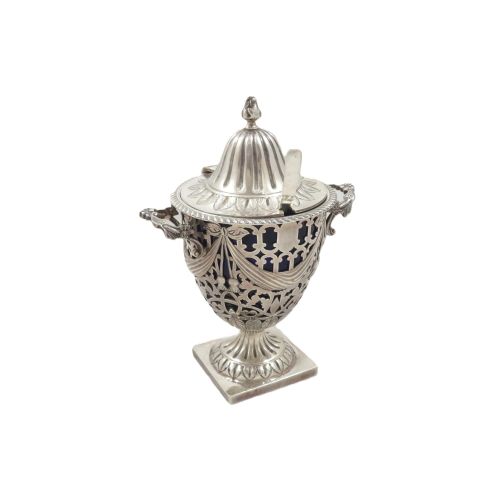
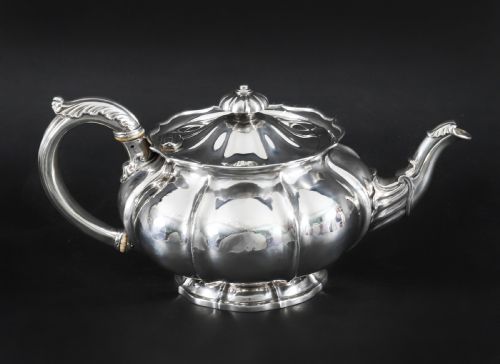
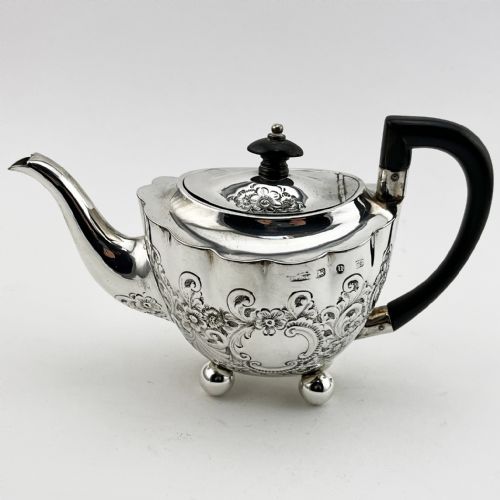
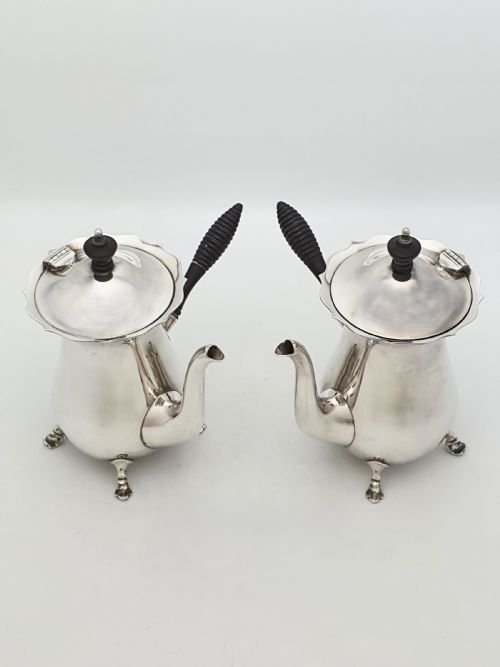
The objects on this page range from complete tea sets and individual teapots to specialised vessels such as café au lait pots, bachelor teapots, and sugar urns with lids. Pieces emerge in distinct stylistic iterations including Georgian style, George IV, and regional English and Irish provincial designs.
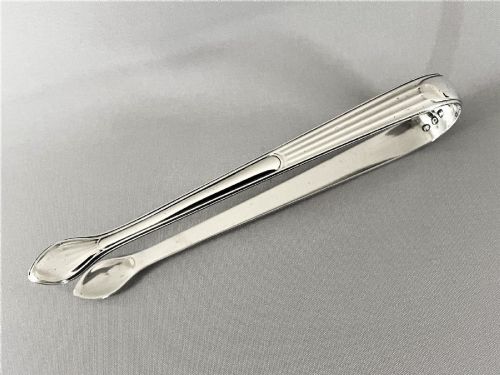
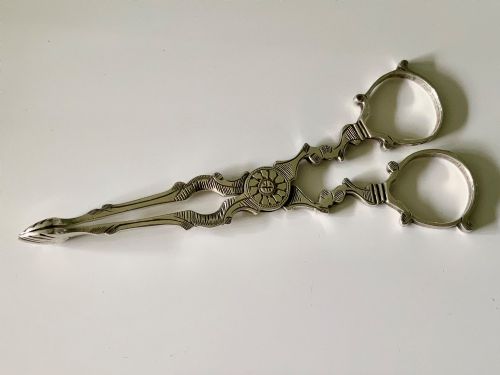
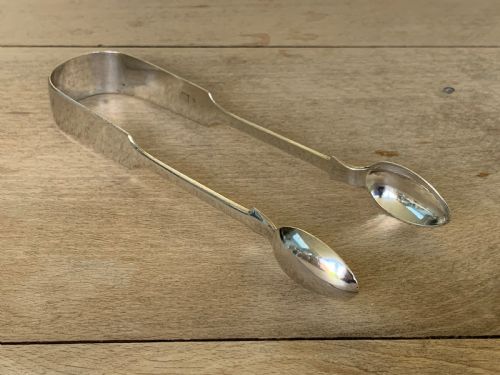
Smaller accoutrements frequently accompany the primary pots, including silver sugar tongs, sugar nips, milk jugs, and cream jugs. These auxiliary pieces complete the service, often featuring cobalt glass inserts or paired materials like bone and wood.
Materials and Construction
Silversmiths constructed these vessels using sterling silver, standard silver, and silver plate, frequently incorporating functional elements made from wood, ebonised wood, and ebony for insulation. Handles and finials utilised these dark woods to prevent heat transfer during use.
Gilt highlights and cobalt glass liners added interior colour and contrast to open sugar baskets and cream jugs. Bone appeared in specific handle and fitting applications across Victorian and Edwardian examples.
Sugar tongs sometimes feature delicate spring arms shaped like tiny claws to firmly grasp hard sugar lumps during afternoon tea.
Assessing Quality and Execution
Quality rests in the weight of the metal, the crispness of chased or engraved ornamentation, and the structural integrity of hinges on teapot lids. Master silversmiths achieved balanced proportions and secure handle attachments that survived heavy domestic use.
Provincial marks and distinguished maker attributions elevate certain pieces, distinguishing standard commercial production from exceptional silversmithing output. The integration of auxiliary materials like cobalt glass liners further separates standard items from elaborate service components.
Bateman Family·Paul Storr·Josiah Williams & Co
The Silverware Tea Service Glossary
- Sterling silver
- A silver alloy containing 92.5 percent pure silver by mass, forming the primary material for high quality tea service pieces.
- Bachelor teapot
- A smaller scale teapot designed for solitary use or small sittings, commonly produced during the Victorian and Edwardian eras.
- Café au lait pot
- A tall vessel specifically shaped for pouring warm milk alongside coffee or tea, often found in paired sets from the Edwardian period.
- Sugar nips
- Small hinged tools used for grasping and serving sugar lumps, distinct from sprung sugar tongs.
- Cobalt glass
- Deep blue glass utilised as a decorative liner within open sugar baskets and cream jugs.
Silverware Tea Service: Frequently Asked Questions
What pieces make up a silverware tea service?
A standard service typically comprises a teapot, a milk or cream jug, and a sugar bowl or basket. Additional items like café au lait pots and sugar tongs often complete the grouping.
Individual pieces appear frequently, allowing collectors to assemble services across different periods such as Georgian, Victorian, and Edwardian.
How do I care for antique silver tea items?
Regular gentle cleaning with appropriate silver polish preserves the finish without wearing down engraved details. Storing pieces in dry environments prevents tarnishing.
Items with wooden handles, bone fittings, or glass liners require hand washing to protect delicate secondary materials.
How can I date a silver teapot?
Hallmarks stamped directly onto the metal provide the most reliable dating evidence, showing assay office locations, date letters, and maker marks. Stylistic cues also help.
Georgian pieces display different handle contours and decorative motifs compared to later Victorian or Edwardian designs.
Were these sets used daily?
Many of these vessels served daily domestic functions in wealthy households throughout the nineteenth and early twentieth centuries. Sturdier sterling and plated items handled regular pouring and cleaning.
More ornate decorative pieces saw use primarily during formal social gatherings and afternoon tea rituals.