



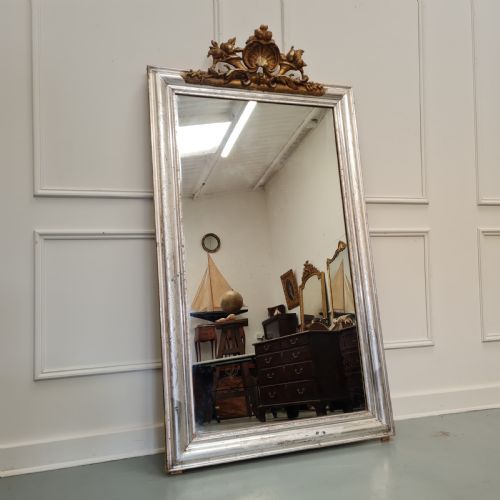


Silvered Overmantel Mirror
A silvered overmantel mirror brings a luminous reflective surface and architectural presence to a room, drawing the eye naturally above a fireplace.
What They Are
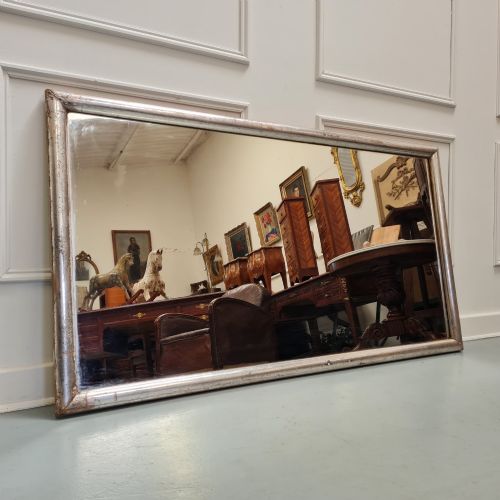
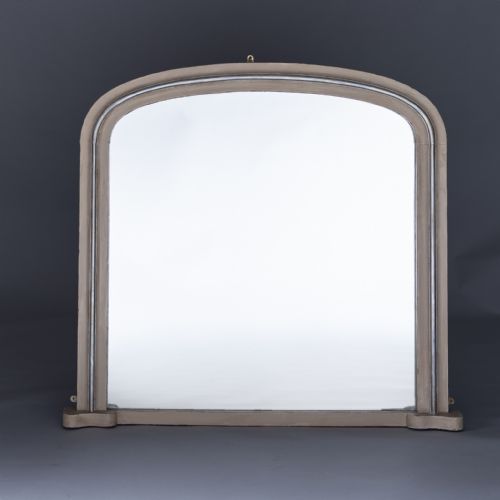
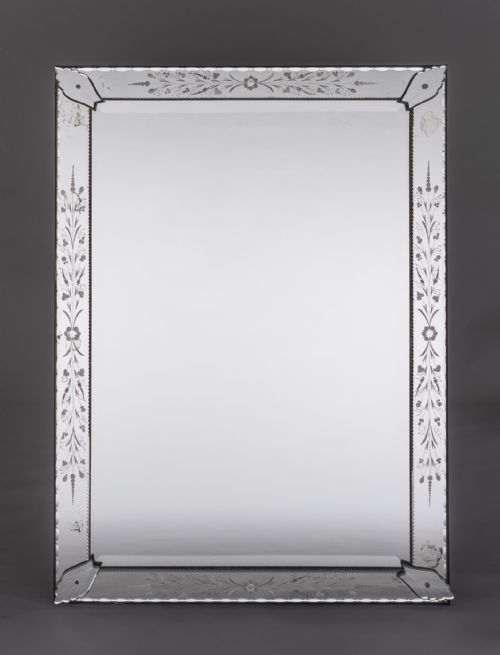
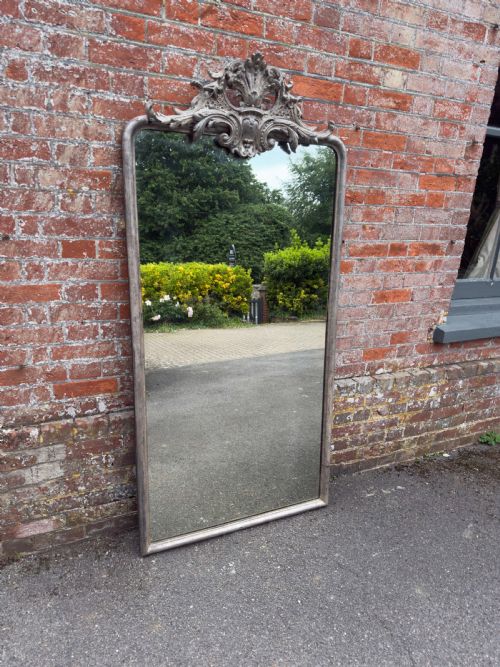
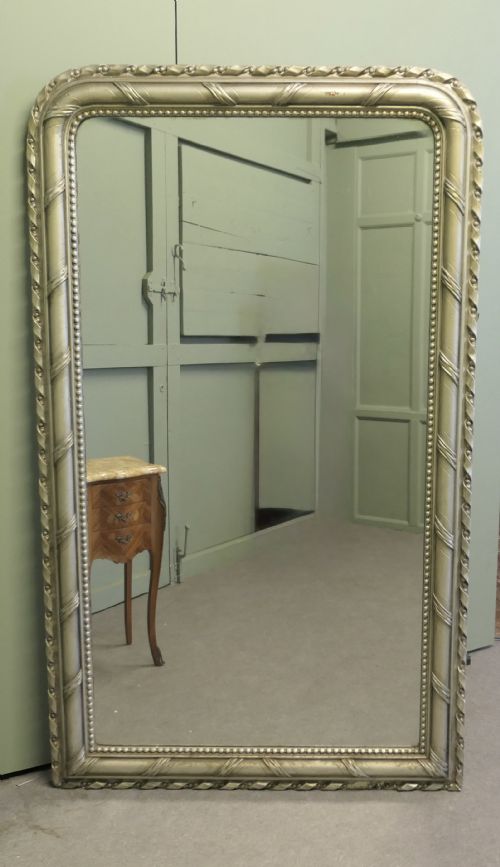
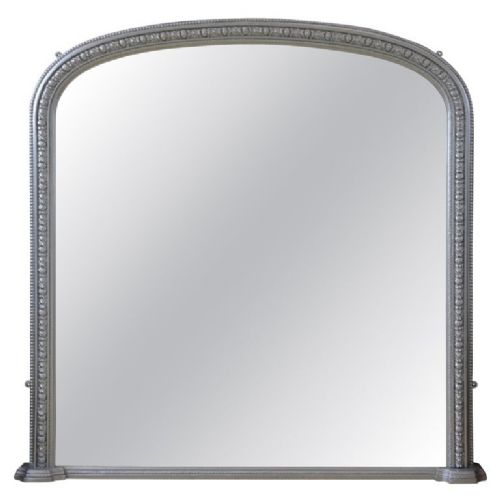
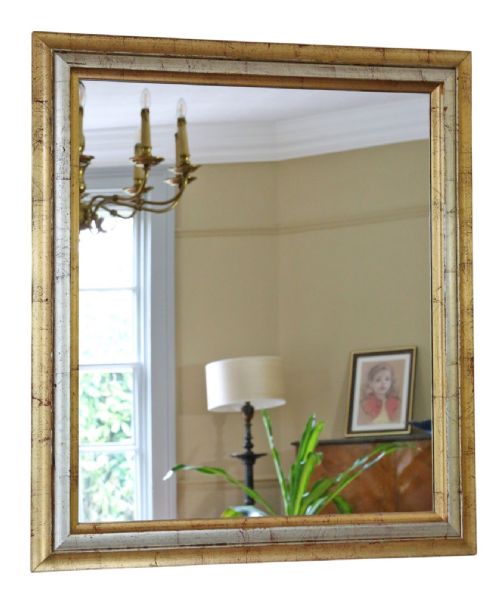
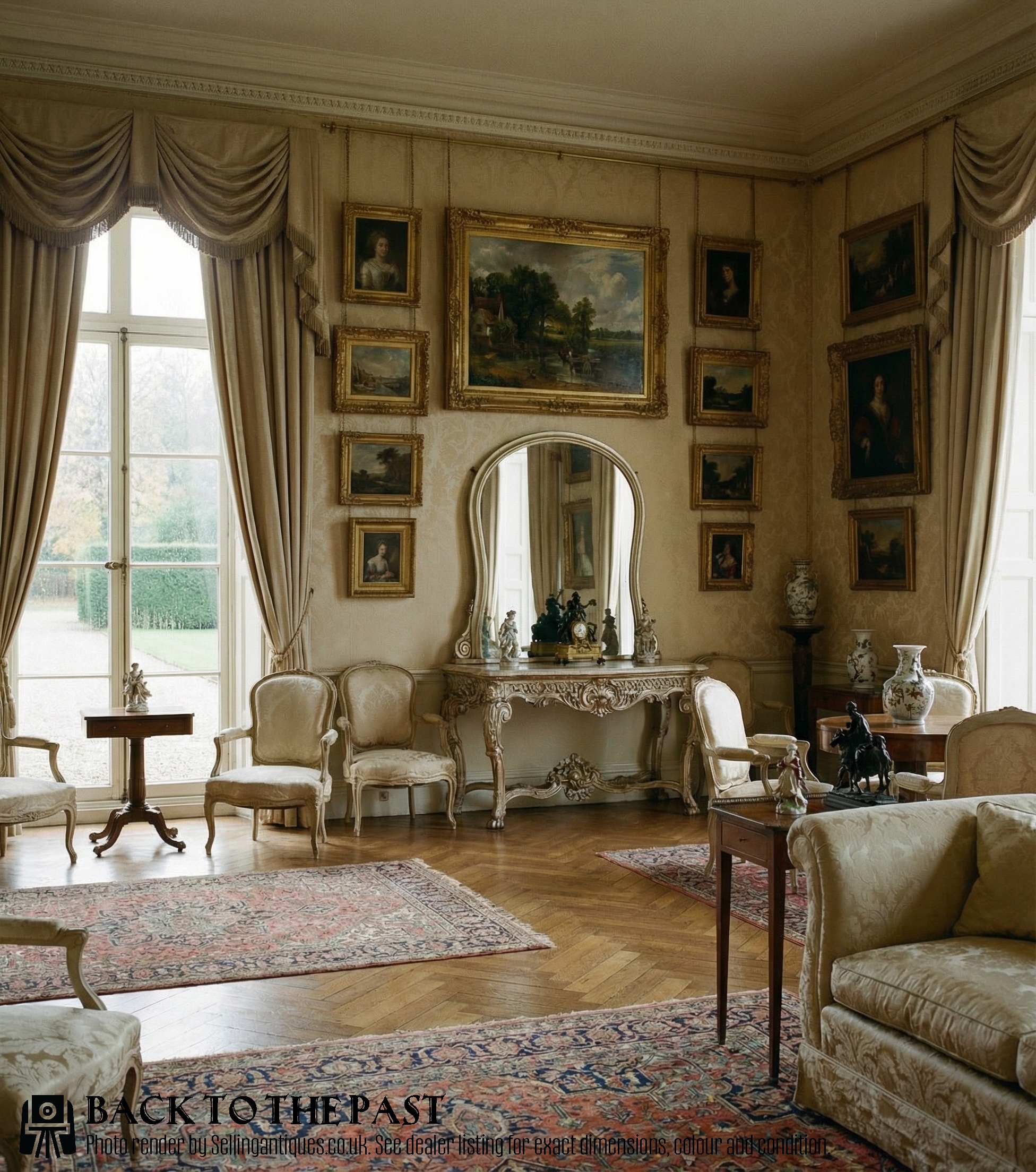
When you search for a silvered overmantel mirror, you are looking at large decorative looking glasses designed specifically to sit on the chimney breast above a fireplace. The examples on this page span the eighteenth century, the Victorian era, and the nineteen thirties, encompassing both English and French origins.
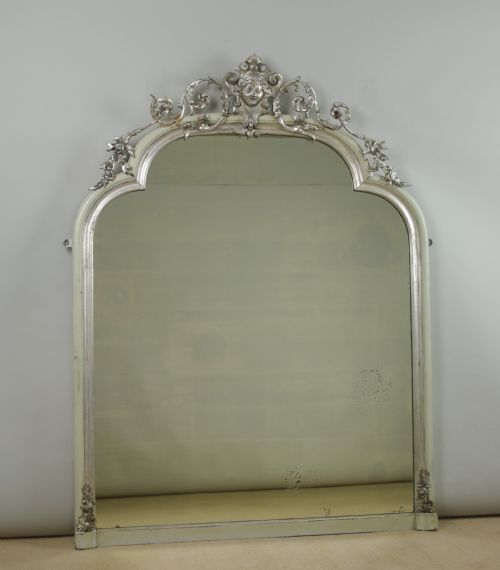
The dominant form on this page is the Victorian mirror, often large in scale and constructed from carved wood, gesso, and silvered wood. These pieces reflect the prevailing aesthetic tastes of the nineteenth century, ranging from ornate decorative framing to simpler architectural proportions.
You will also encounter distinct stylistic influences such as Rococo and Louis Philippe, alongside earlier eighteenth-century examples and later twentieth-century French silver leaf pieces. Each version offers a specific combination of period proportion and reflective glass designed to enhance interior light.
How They Were Made
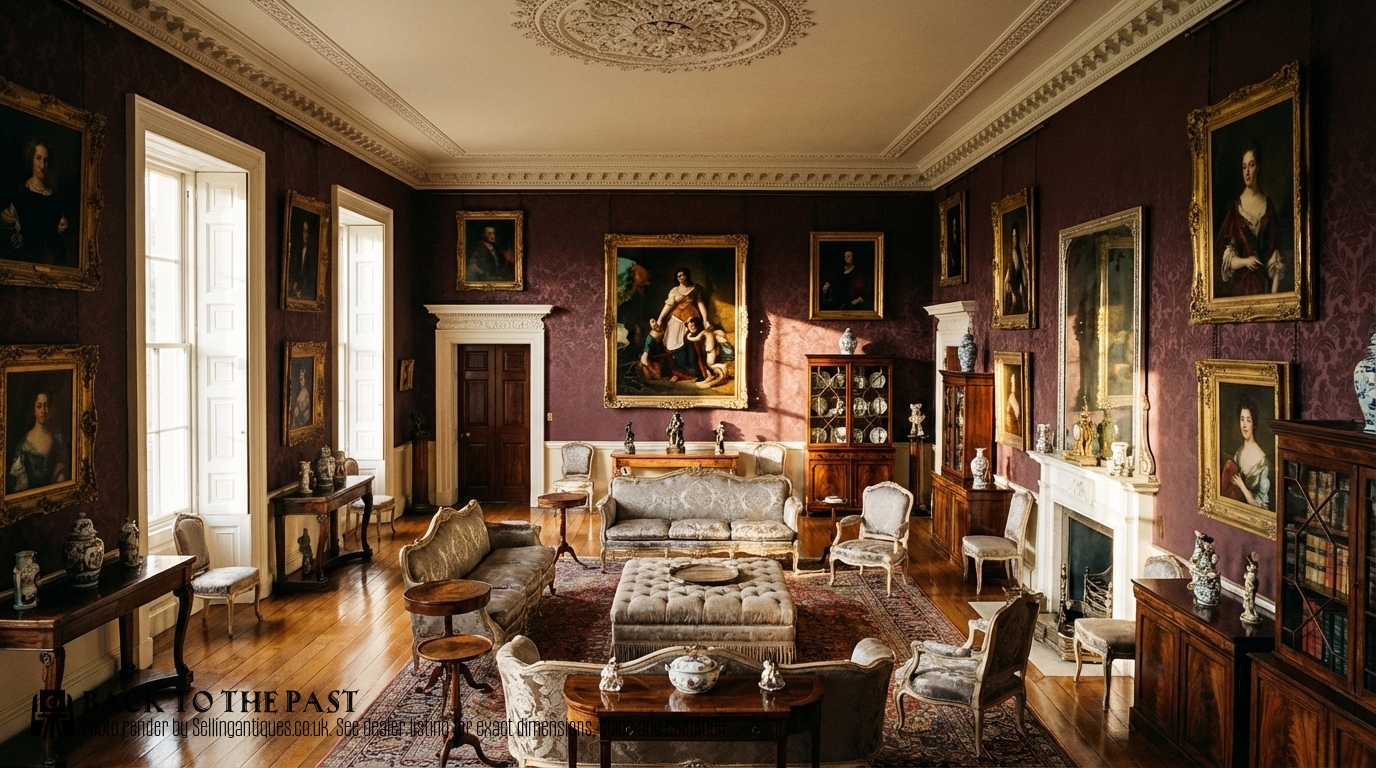
Makers built the structural frames using wood, mahogany, ebonised timber, and carved wood, applying gesso to create crisp surface relief and decorative detail. Overmantel mirrors from the Victorian period frequently utilise silver leaf or composition mouldings to achieve their finished metallic appearance.
The optical qualities rely upon mirror glass and silvered plate, with archive pieces specifically noting the survival of original silvered plates. Water gilding techniques appear in the broader historical context alongside painted and silvered surface treatments.
Retail Price Guide 2026
Typical UK retail prices for silvered overmantel mirror, calculated from the Sellingantiques database of over a million retail prices indexed since 2003. This retail price guide relies exclusively on Sellingantiques data; no external sources or auction records are used, so the figures do not describe the wider market.
Materials recorded across the selection include silver leaf, wood, gesso, glass, mirror glass, carved wood, silvered wood, and composition.
What Varies in Quality
The distinction between tiers of quality rests upon the integrity of the original materials and the depth of the hand-applied surface finish. Mirrors retaining their original silvered plate exhibit an authentic historical character that replacement glass simply cannot replicate.
Carving definition and the application of silver leaf or gesso also dictate the visual strength of the piece. Superior examples display crisp detail in the wooden framework and harmonious proportions between the frame and the reflective plate.
The Silvered Overmantel Mirror Glossary
- Silver leaf
- Extremely thin sheets of beaten silver applied to a prepared wooden or gesso surface. This material provides a softer, warmer metallic sheen than modern industrial plating.
- Gesso
- A plaster-like mixture applied to wood frames to create a smooth surface for gilding or silvering. Skilled carvers used it to build up crisp decorative relief details.
- Water gilding
- A traditional technique using liquid size to adhere metal leaf to gesso, allowing the surface to be burnished to a high polish. It represents a hallmark of superior craftsmanship on antique frames.
Frequently Asked Questions
Where should an overmantel mirror be placed?
These mirrors are traditionally positioned directly on the mantelpiece above a fireplace to reflect light and anchor the room's proportions.
They also function effectively on large principal walls where their substantial scale can create a similar focal point.
How do I identify a Victorian silvered overmantel mirror?
Victorian examples are typically characterised by large wooden frames finished with silver leaf, gesso, or painted treatments.
Evidence from this period also shows the use of mahogany and ebonised timbers alongside traditional silvered glass plates.
What is an original silvered plate?
An original silvered plate refers to the historic mirror glass that was installed in the frame during the period of manufacture.
Over time, these plates develop natural foxing and patination that distinguish them clearly from modern replacement mirror glass.
How do French overmantel mirrors differ?
French overmantel mirrors in the record include specific stylistic traditions such as Rococo and Louis Philippe, alongside twentieth-century silver leaf execution.
They frequently employ distinct decorative curves and framing techniques compared to contemporary English pieces.