

Silvered Handle Walking Stick
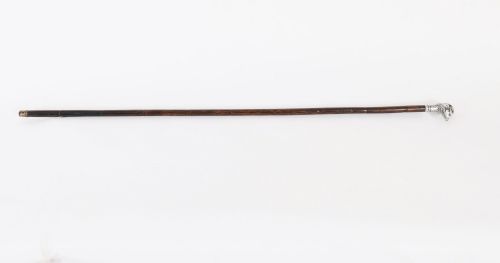
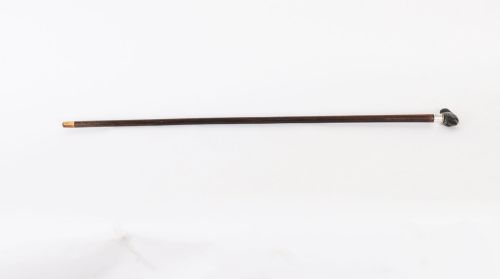
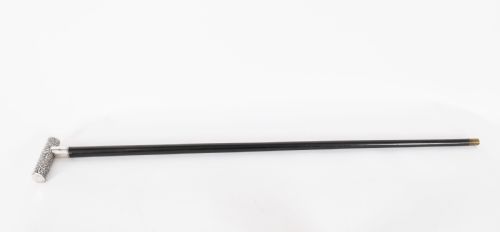
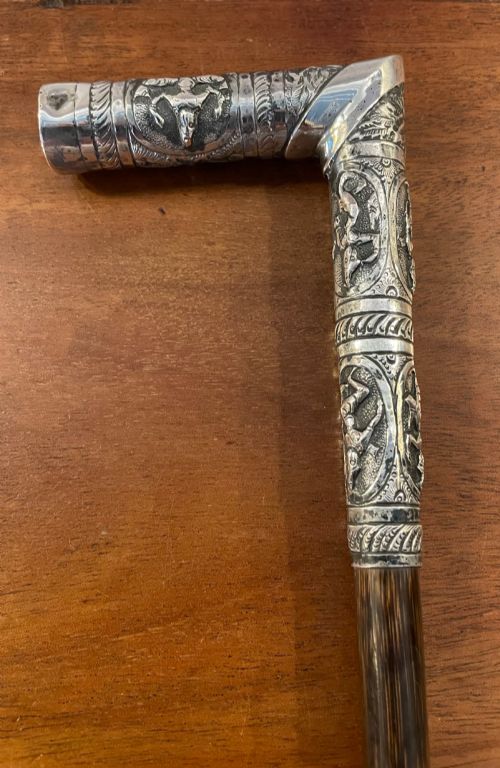
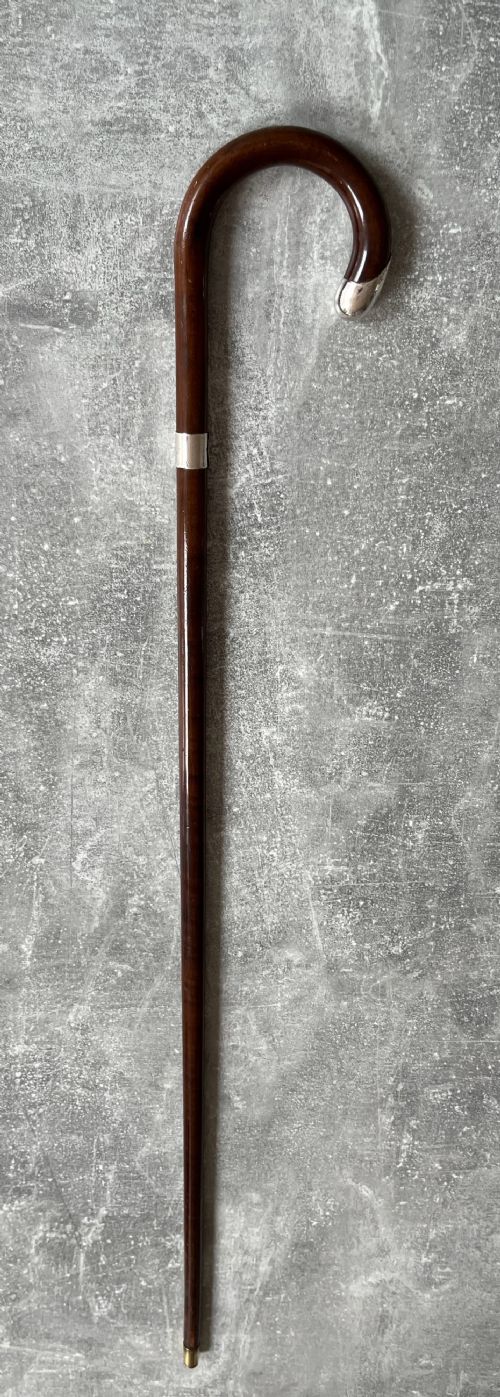
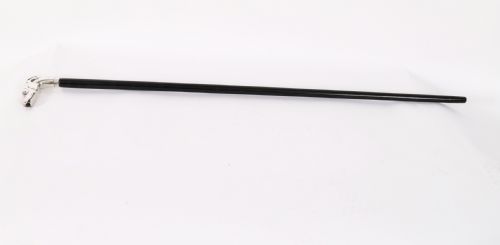
These silvered handle walking stick examples combine functional support with sculptural handles, ranging from simple collars to figurative animal carvings.
Silvered Handle Walking Stick
A silvered handle walking stick is a traditional support aid featuring a decorative metal grip mounted on a wooden or bamboo shaft. When you examine a silvered handle walking stick on this page, you encounter pieces spanning the nineteenth century through the early twentieth century, including Edwardian and Art Deco examples.
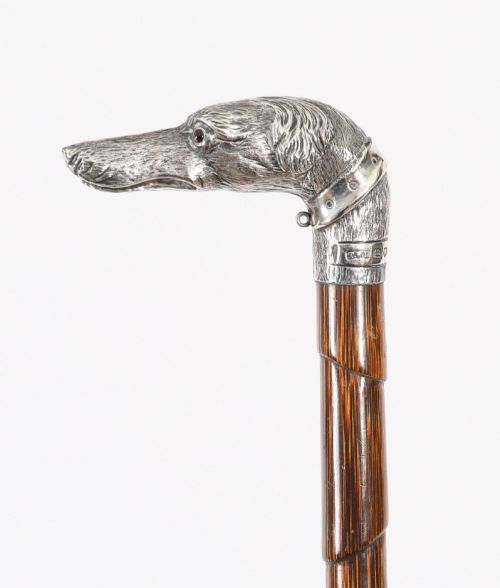
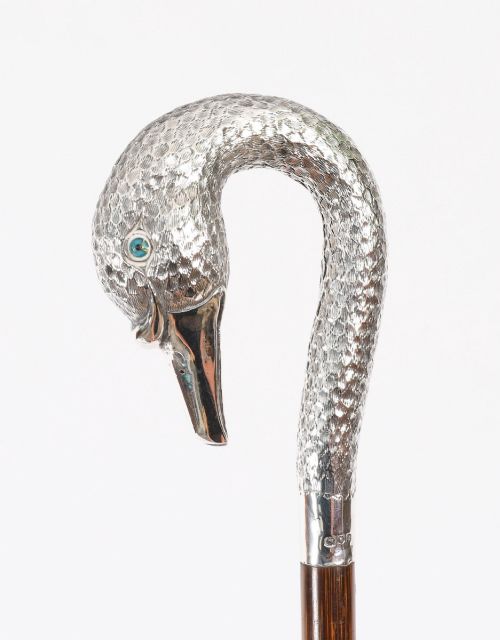
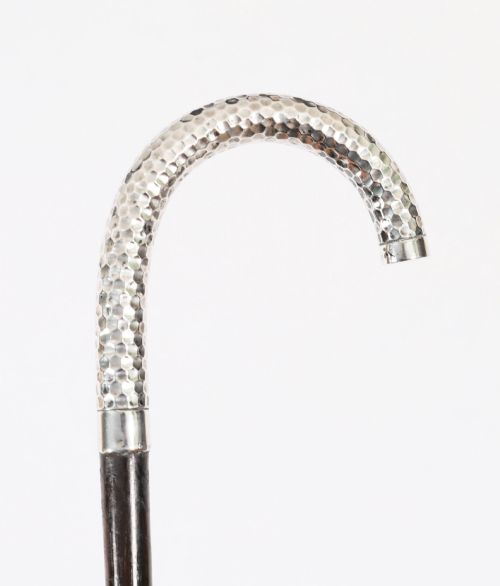
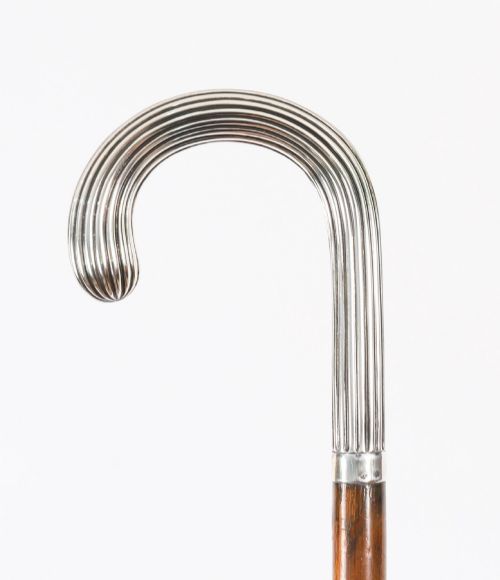
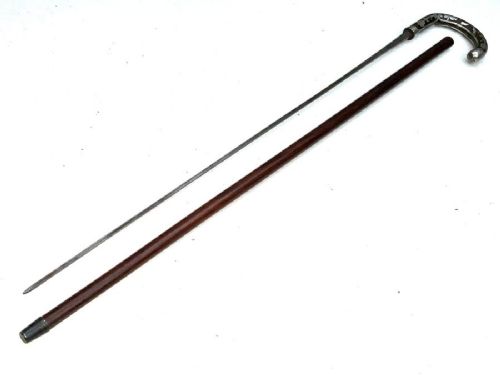
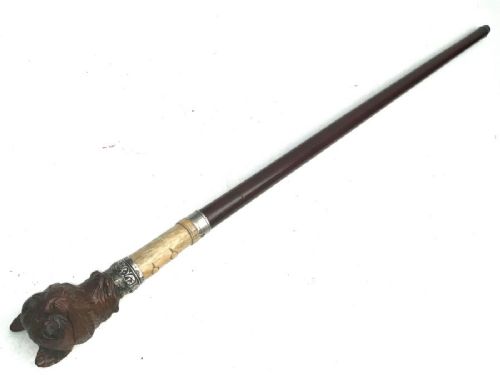
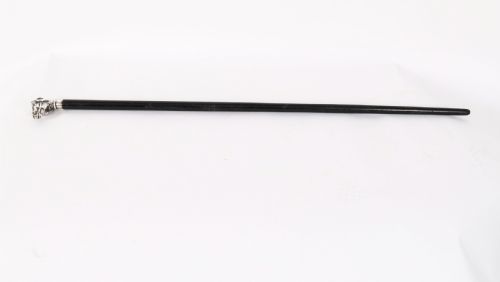
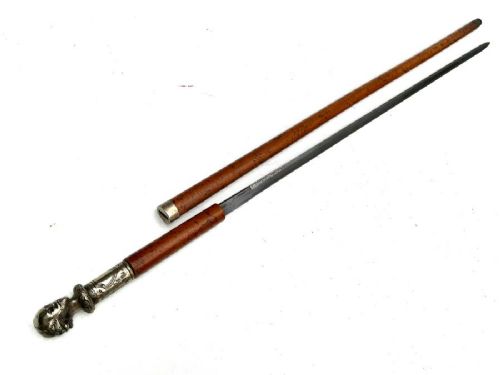
The selection encompasses standard walking canes alongside specialised forms such as sword sticks, gadget sticks with hidden compartments, and parasol handles. Many feature shaped grips depicting animals like greyhounds, ducks, swans, and horses, alongside floral motifs and plain embossed mounts.
How They Were Made
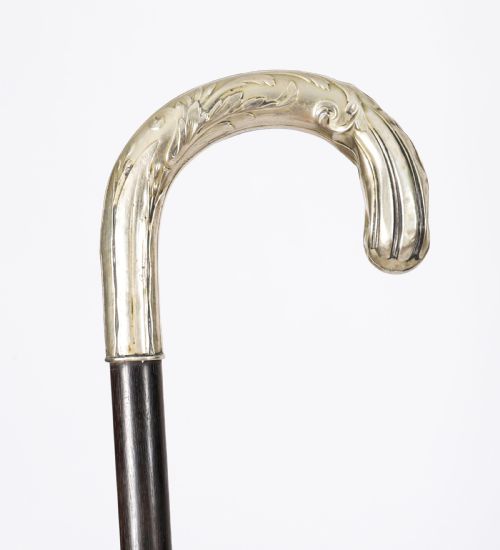
Handles comprise solid silver, silver plate, or continental silver, frequently shaped through casting, repoussé, or detailed hand-chasing. These grips sit atop shafts fashioned from hardwoods like malacca, palm, ebonised wood, rosewood, and bamboo, occasionally paired with horn, bone, or root ball components.
Internal mechanisms in gadget sticks incorporate concealed blades, corkscrews, or snuff boxes fitted securely within the wooden shafts. Mounts and collars attach to the upper shaft using pins or adhesives, securing the metal grip to the main body.
Several walking sticks double as portable bars by hiding corkscrews or snuff boxes inside the handle.
What Varies in Quality
Shaft selection and overall structural integrity influence the piece, with dense hardwoods and straight bamboo providing greater durability than softer timbers. Hallmarks and maker stamps on the silver components add historical context and verifiable origin.
BRIGG·Wilkinson·Asprey
The Silvered Handle Walking Stick Glossary
- Silver collar
- A metal band encircling the upper shaft below the handle, often bearing hallmarks or maker marks. This band reinforces the wood where the handle joins the shaft.
- Sword stick
- A walking stick containing a concealed blade within the shaft, secured by a locking mechanism. These pieces served as dual-purpose gentleman's accessories in the nineteenth and early twentieth centuries.
- Gadget cane
- A walking stick incorporating a hidden functional utility such as a corkscrew, snuff box, or timepiece. These items reflect Victorian and Edwardian ingenuity.
- Knop
- A rounded knob or handle at the top of a walking stick. This grip provides the primary point of contact for the user's hand.
- Repoussé
- A metalworking technique where the silver is hammered from the reverse side to form a raised design in relief. This method creates decorative floral or figurative patterns on the handle.
Silvered Handle Walking Stick: Frequently Asked Questions
What are sword sticks?
A sword stick is a walking cane that conceals a metal blade inside the wooden shaft. The blade is held securely in place by a friction fit or a locking catch until released by the user.
These pieces were carried by officers and gentlemen during the nineteenth and early twentieth centuries for personal protection or utility during travel.
How do I identify the period?
Dating relies on assay office hallmarks stamped on the silver handles or collars, which record the exact year of manufacture and city of testing. Stylistic cues such as Art Deco geometric lines or Victorian naturalistic animal carvings also indicate the era.
Shaft materials and construction methods further help narrow down the decade in which the cane was assembled.
What woods were used for shafts?
Common shaft timbers include dense tropical hardwoods like malacca, alongside native woods such as oak, chestnut, and rosewood. Ebonised wood and bamboo also appear frequently across the inventory.
Makers selected these materials for their straight grain, flexibility, and strength under weight.
How do I display a collection?
Walking sticks display well grouped upright in heavy ceramic or metal umbrella stands, allowing the detailed animal and novelty handles to remain visible. Wall-mounted horizontal racks also showcase the full length of the shafts and collars.
Keeping canes away from direct sunlight and excessive humidity protects the timber shafts and preserves the silver finish.