



Silvered Glass Mirror
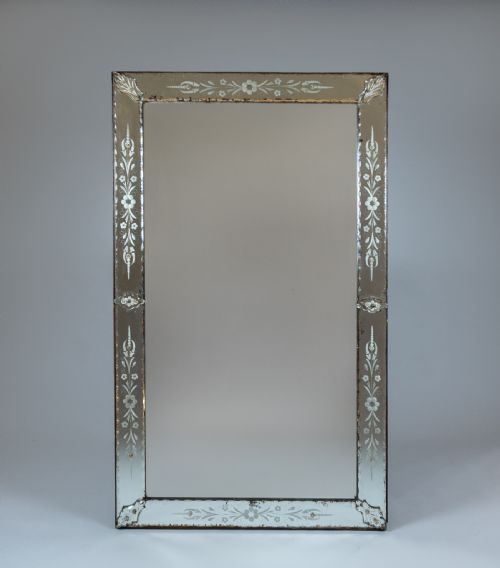
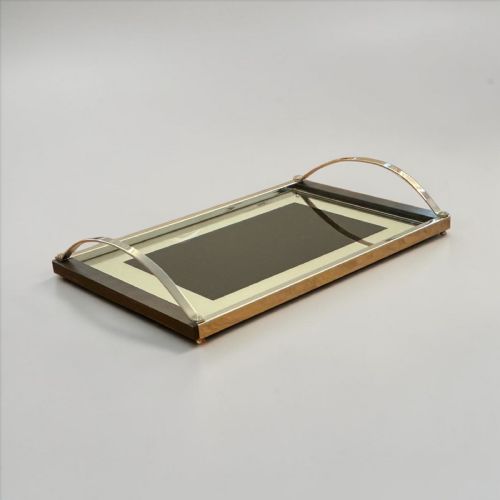
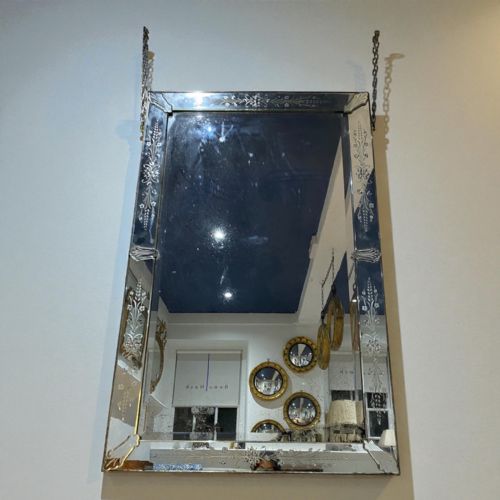
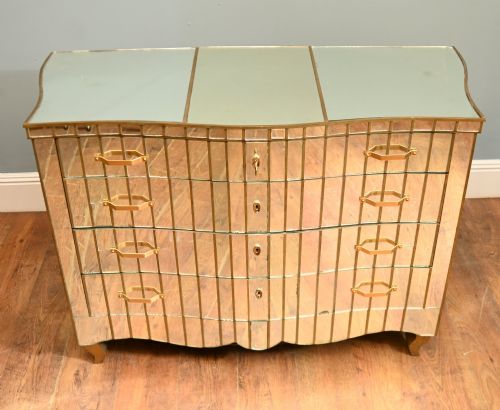
A silvered glass mirror brings a reflective, luminous depth to an interior, whether you encounter a grand Venetian cushion piece or a geometric 1930s wall hanging.
Silvered Glass Mirror
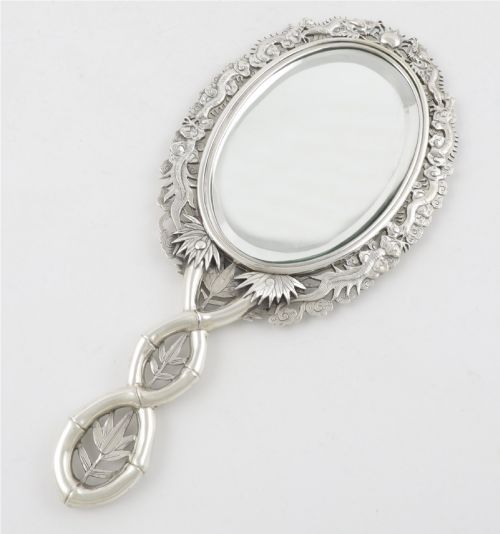
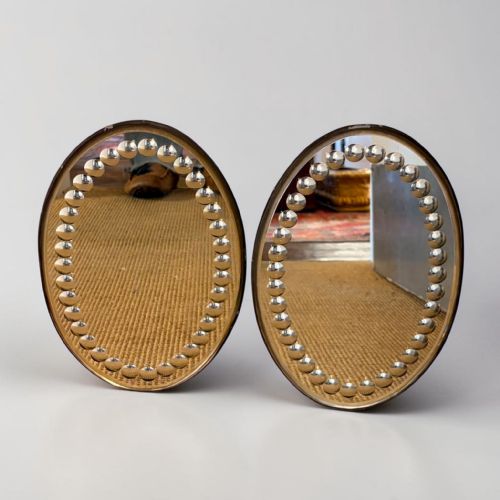
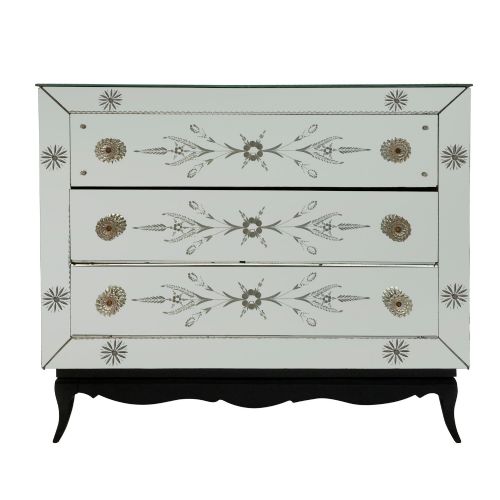
A silvered glass mirror encompasses everything from 17th-century devotional plates to 1930s Art Deco vanity trays and overmantel looking glasses. When searching for a silvered glass mirror, buyers encounter a wide variety of forms that span centuries of domestic and decorative design.
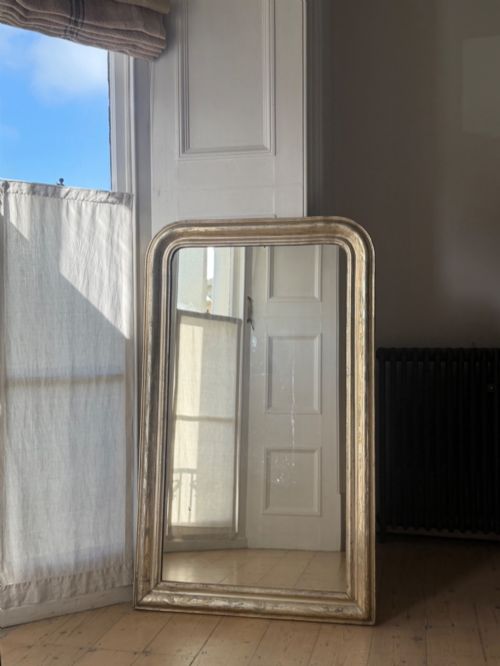
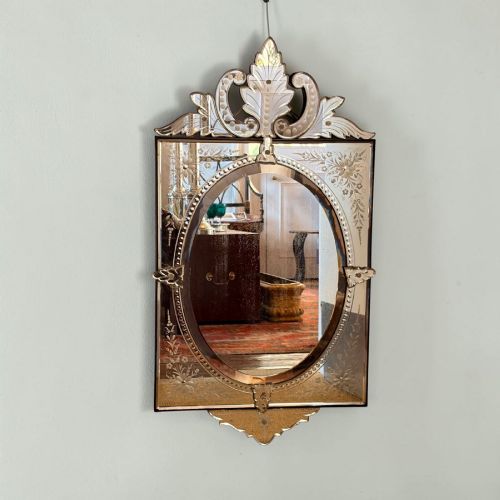
The most common examples on this page are Venetian plates, French bistro frames, and geometric Art Deco wall mirrors. These pieces utilise mercury backing, silver leaf, or traditional silvering methods to achieve their characteristic reflective surface.
Originating from diverse traditions including Victorian England, French chateaus, and Chinese export workshops, these objects serve as functional furnishings and decorative focal points. Their forms range from simple round plates to arched overmantels and triptych dressing table mirrors.
Materials and construction
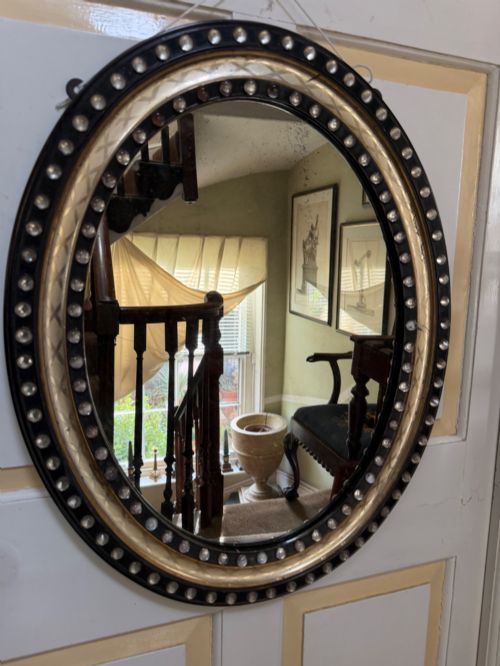
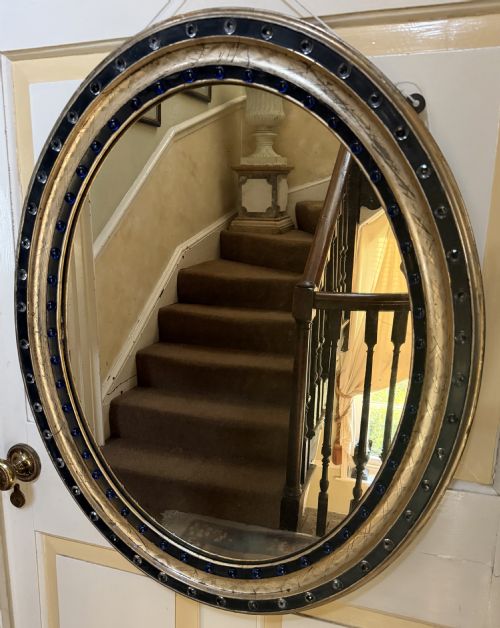
Makers constructed these frames using timber, carved gesso, metal, and brass, often applying silver leaf or parcel gilt finishes to catch the light. The supporting structures rely on durable woods such as oak and burr walnut, while decorative elements utilise cast spelter or carved wood.
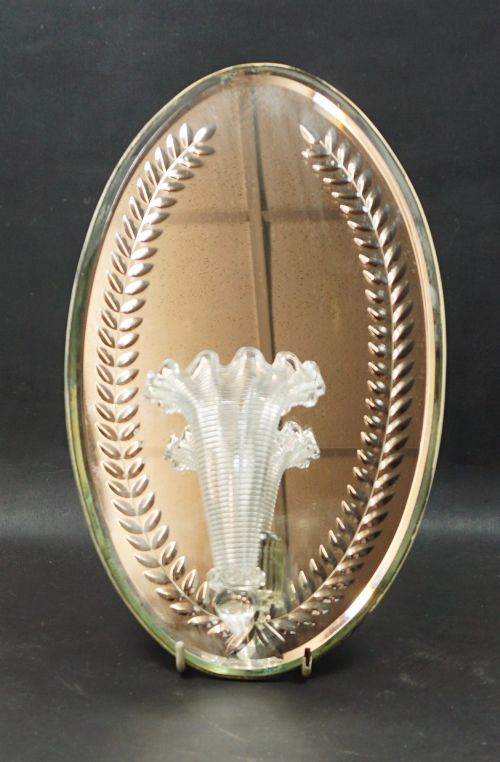
Glass plates were silvered using mercury amalgams in earlier centuries before transitioning to chemical silvering processes by the Victorian era. Artisans frequently bevelled the edges of the glass and applied hand-engraved motifs to the surface, creating complex plays of light across the looking glass.
Silvered Glass Mirror Retail Price Guide 2026
Typical asking prices for silvered glass mirror among the pieces listed under this phrase on Sellingantiques today, from the lower quarter to the upper quarter. They describe what is for sale here now, not the wider market.
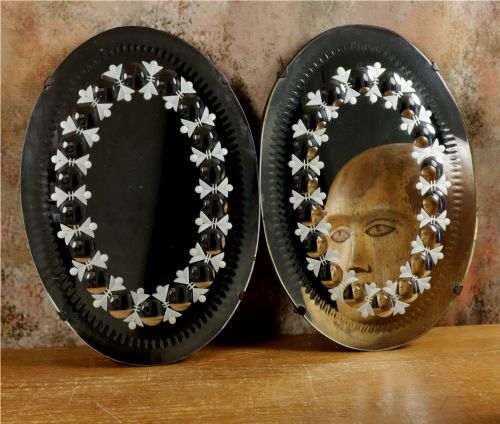
Sorcerer's mirrors were once used as charming optical novelties to distort reflections and amuse guests in Victorian drawing rooms.
Distinguishing quality
Quality rests upon the crispness of the hand-carved gesso, the depth of the original mercury or silver backing, and the integrity of the structural frame. Superior examples display intricate bevelling, crisp engraving on Venetian plates, and original fittings that remain undisturbed.
The distinction between ordinary and exceptional pieces lies in the harmony between the glass plate and its housing. Hand-silvered surfaces showing natural foxing interact with well-preserved wooden or gilt frames to create a cohesive object of significant decorative presence.
Gillows Of Lancaster
The Silvered Glass Mirror Glossary
- Foxing
- The natural age-related spots and discoloration that develop within the silvered backing of antique mirrors over decades.
- Cushion mirror
- A frame style with a convex, sloping border that directs the eye inward toward the central glass plate.
- Gesso
- A plaster-like mixture applied to wooden frames and carved or gilded to create ornate decorative mouldings.
- Overmantel mirror
- A large horizontal looking glass designed specifically to hang on the wall directly above a fireplace mantel.
- Triptych
- A hinged three-panel dressing table mirror that allows the user to adjust the side wings for different angles.
- Mercury glass
- A double-walled blown glass object silvered on the interior with a mercury mixture, often seen in pendant lights.
Silvered Glass Mirror: Frequently Asked Questions
What causes foxing on antique glass?
Foxing occurs when moisture and atmospheric air penetrate the protective backing of the mirror plate over many decades. This chemical reaction alters the silver layer, producing characteristic dark spots and cloudy patches.
Many collectors prize this natural ageing process as evidence of genuine antiquity and authenticity. It adds a soft, atmospheric quality to the reflection that modern glass cannot replicate.
How should I clean silvered glass?
Clean silvered glass gently using a soft, dry microfibre cloth to remove dust without disturbing fragile surfaces. Avoid commercial glass cleaners containing harsh ammonia or abrasive chemicals that can seep behind the edges and damage the silvering.
If moisture is necessary, apply a tiny amount of distilled water to the cloth rather than spraying the glass directly. Careful maintenance preserves both the historic silver backing and any delicate hand-engraved details.
Are Venetian mirrors fragile?
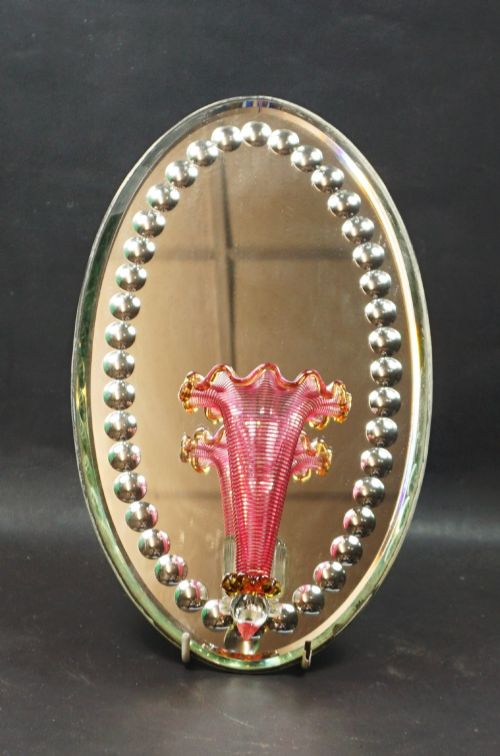
Venetian mirrors are delicate due to their intricate glass frame elements, applied floral motifs, and detailed edge engravings. The individual glass pieces are often held in place by small clips and pins that require gentle handling during transport.
Placing these mirrors away from high-traffic areas and doors prevents accidental knocks that could fracture the surrounding glass work. Regular inspection of the mounting pins ensures the decorative components remain securely attached.