





Silvered Glass Jar
A silvered glass jar brings together polished precious metal and reflective or coloured glass for dressing tables and dining rooms.
Silvered Glass Jar
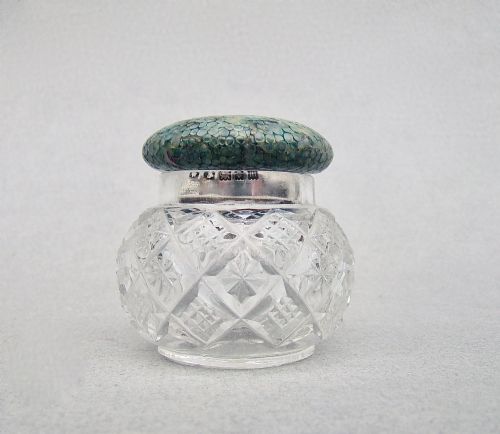
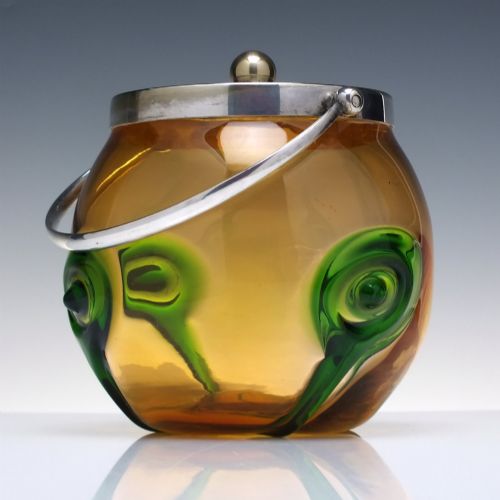
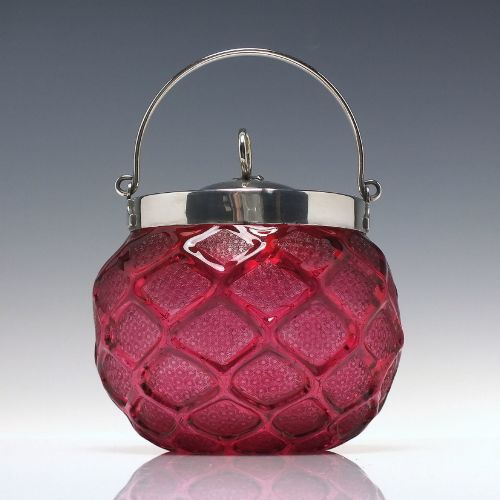
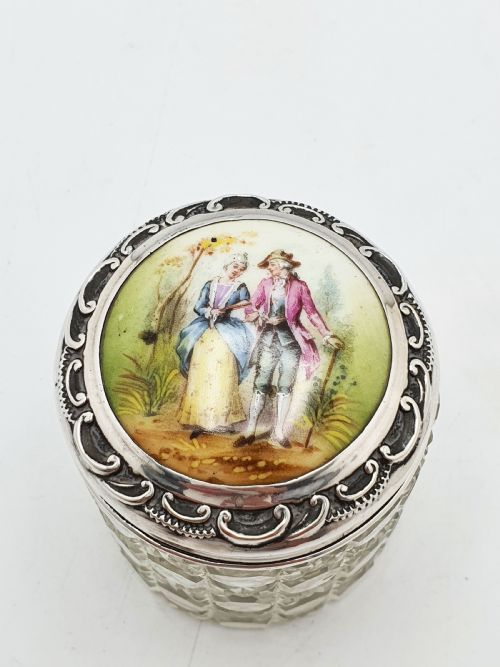
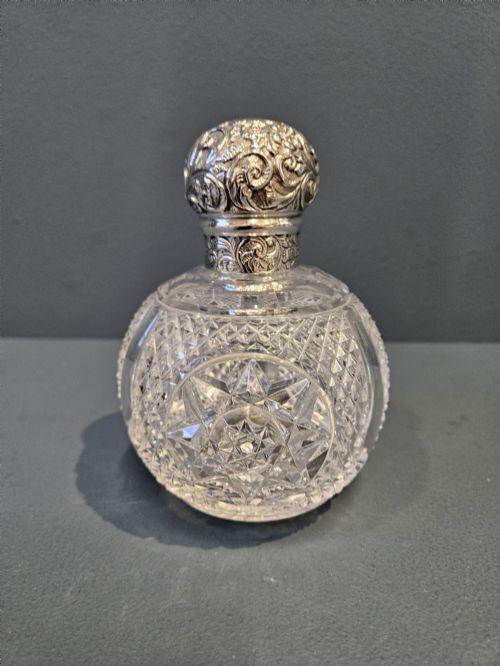
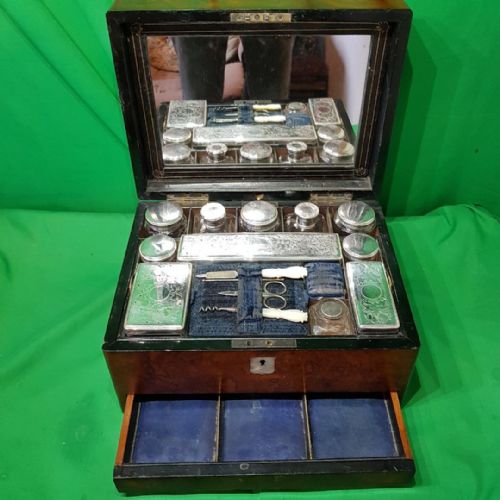
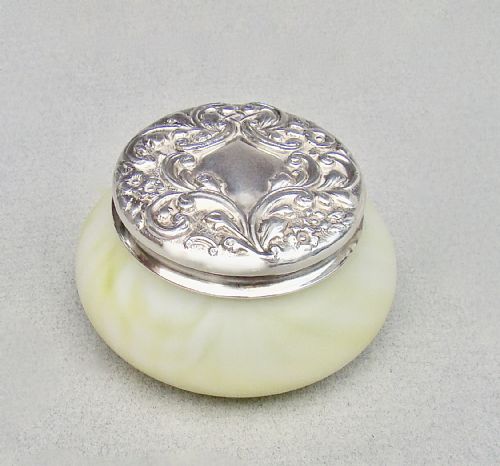
The most common examples on this page are Edwardian and Art Deco dressing table jars and trinket boxes featuring glass bodies paired with sterling silver or silver plated mounts. These range from simple cut crystal containers to vibrant cranberry, satin and Kralik glass vessels adorned with enamel or tortoiseshell lids.
How they were made
The glass components were produced through techniques such as heavy cutting, moulding, overlay and frosting, utilising clear crystal alongside coloured varieties like cranberry, amethyst and blue glass. Metal mounts and lids in sterling silver or silver plate were then fitted to the rims, often bearing hallmarks from silversmithing hubs like Birmingham and London.
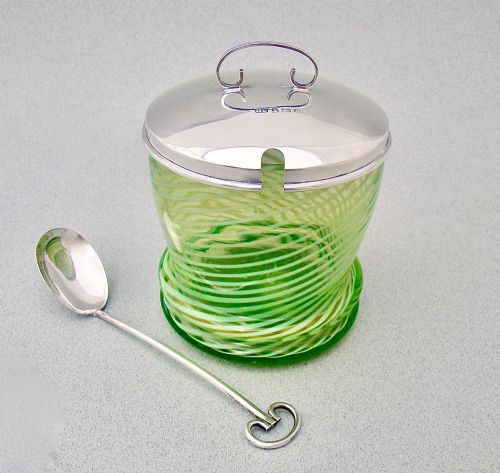
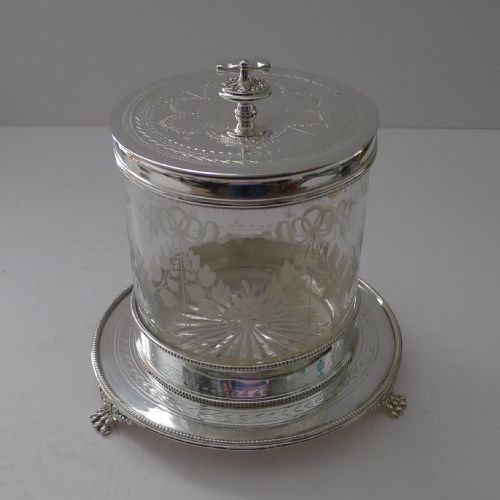
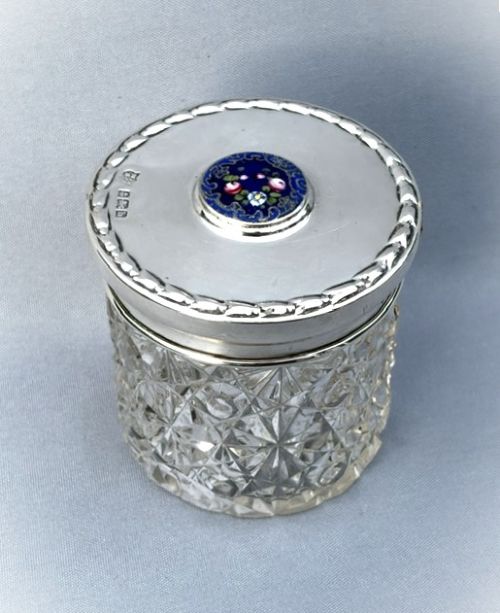
Many lids incorporate decorative details including guilloché enamel, tortoiseshell panels and silver gilt highlights. Biscuit barrels and mustard pots frequently included swing handles or specialised interior liners made of glass or blue glass.
Silvered Glass Jar Retail Price Guide 2026
Typical asking prices for silvered glass jar among the pieces listed under this phrase on Sellingantiques today, from the lower quarter to the upper quarter. They describe what is for sale here now, not the wider market.
One particularly charming silver jam pot takes the literal form of an apple.
What varies in quality
The distinction between standard containers and finer examples lies in the weight of the metal, the crispness of the glass cutting and the complexity of supplementary materials like enamel and tortoiseshell. Heavy gauge sterling silver mounts and intricate hobnail or deep wheel cuts indicate superior craftsmanship.
Named makers and assayed hallmarks from prominent silversmiths elevate specific pieces above unmarked domestic wares. The integration of specialty glass types, such as Kralik or layered overlay glass, further separates basic vessels from collector grade objects.
A. J. Pepper & Co·Henry Clifford Davis·A. Bromet & Co·Elkington·WMF·Hukin and Heath·Henry Perkins·Hasset & Harper·Posen of Frankfurt and Berlin
The Silvered Glass Jar Glossary
- Guilloché enamel
- A decorative technique involving precise engine-turned patterns beneath a translucent layer of coloured enamel. This finish is frequently found on Art Deco dressing table jar lids.
- Biscuit barrel
- A covered ceramic or glass container used for storing biscuits on the dining table or sideboard. These often feature swing handles and silver plated or sterling silver mounts.
- Scent bottle
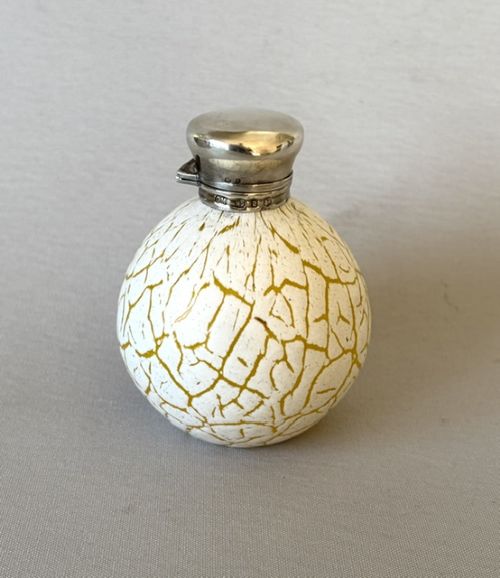
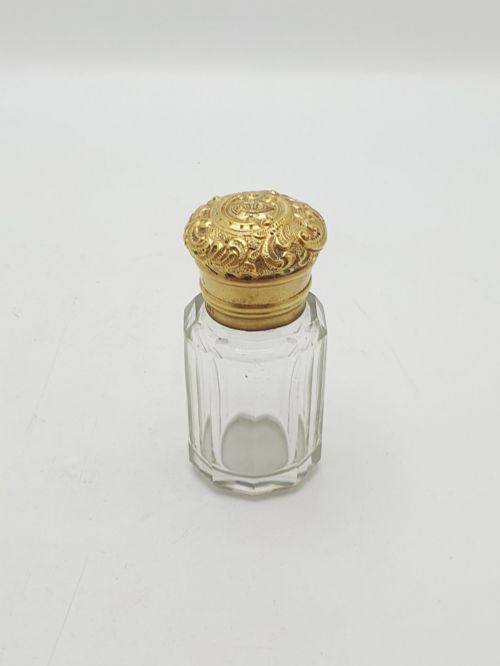
- A small vessel designed to hold perfume, typically fitted with a hinged or screw-on silver lid. Examples range from simple cut crystal to bohemian and overlay glass.
- Trinket box
- A small lidded box utilised for storing jewellery and small personal items on a dressing table. They appear in materials including cut glass, satin glass and burr walnut.
- Hobnail cut
- A faceted geometric glass-cutting pattern resembling the head of a hobnail boot. It creates a textured, highly reflective surface across the body of jars and barrels.
Silvered Glass Jar: Frequently Asked Questions
What were silver lidded jars used for?
These vessels served practical and decorative functions in the Victorian and Edwardian home, primarily holding cosmetics, perfumes, pins and small trinkets on dressing tables. Dining room variants such as mustard pots and biscuit barrels stored condiments and dry goods during meals.
Many remained on display as part of matching vanity sets alongside brushes and trays. Their combination of glass and precious metal reflected light in gaslit or early electric rooms.
How do I date a silver mounted jar?
Dating relies heavily on the hallmarks stamped onto the silver mounts, which indicate the assay office, the specific year letter and the maker's mark. Birmingham and London were major centres for these components.
Stylistic indicators also help, as heavy ornamentation points to Victorian pieces, clean geometric lines suggest Art Deco, and softer floral motifs often align with the Edwardian and Art Nouveau eras.
What is guilloché enamel?
Guilloché is a decorative mechanical engraving process that etches precise geometric patterns into a metal surface. Enamel is then applied in translucent layers over the engraving so the pattern shows through.
This technique was widely utilised by silversmiths during the Art Deco period on the lids of powder jars, trinket boxes and vanity items.
Are glass liners original?
Many mustard pots and biscuit barrels were manufactured with fitted glass liners to protect the metal from corrosive contents like mustard. Original liners fit the interior contours precisely and often match the specific period of the outer frame.
Replacement liners are common in utilitarian tableware, so checking the fit against the rim helps determine originality.