




Antique Chemist Shop Display
These antique chemist shop display pieces bring heavy glass jars, mahogany counters and oak cabinets straight from nineteenth-century dispensaries into modern rooms.
Antique Chemist Shop Display
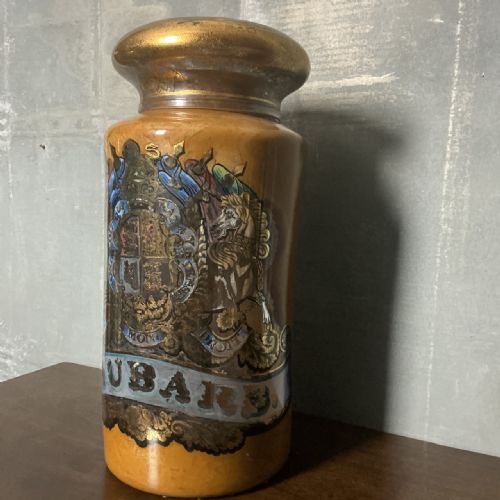
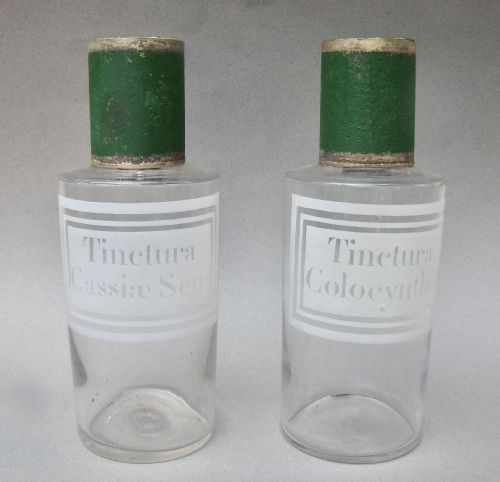
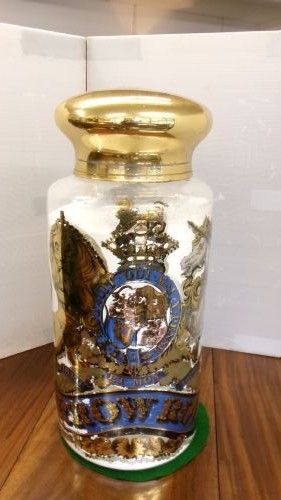
When you search for an antique chemist shop display, you are looking at utilitarian retail furniture and storage vessels originating from nineteenth-century and early twentieth-century pharmacies. The selection commonly includes large glass apothecary jars, tall mahogany shop counters, countertop display cabinets and banks of wooden drawers.
You are most likely to meet tall glass jars with covers, often marked with contents like arrowroot or gelatine, alongside Victorian commercial shop fittings. These pieces range from substantial Edwardian retail display cabinets down to smaller brass and iron stands and polished apothecary boxes.
Originating largely from Victorian and Edwardian English and French interiors, these items reflect the practical needs of dispensing chemists. Their robust construction and utilitarian forms suit domestic spaces needing substantial storage or striking glass accents.
Judging quality in pharmacy furnishings
Quality separates through the integrity of the original timber and the clarity or blow quality of the glass. Superior pieces retain their original surface patination, genuine gold leaf lettering and untouched brass hardware rather than heavy modern restoration.
The scale and proportion dictate the value, with exceptionally large jars and complete modular banks of drawers commanding stronger presence. Finer craftsmanship shows in tight dovetail joints on drawers and crisp etching on apothecary glass.
Antique Chemist Shop Display Retail Price Guide 2026
Typical asking prices for chemist shop display among the pieces listed under this phrase on Sellingantiques today, from the lower quarter to the upper quarter. They describe what is for sale here now, not the wider market.
Listings feature items spanning the Victorian era through the 1930s, constructed from mahogany, pine, brass and blown glass.
Kemps Pharmacy Chemist And Opticians
The Antique Chemist Shop Display Glossary
- Apothecary jar
- A large vessel originally used by chemists to store medicinal herbs, liquids or powders. These often feature ground glass stoppers or matching covers.
- Carboy
- A very large glass bottle or jar, historically used in dispensaries to hold bulk liquids or chemicals. They frequently sit in protective iron or brass stands.
- Bank of drawers
- A multi-drawer cabinet designed for organising small stocks of dry ingredients and pills. These pieces utilise numerous shallow timber drawers.
- Shop counter
- A substantial retail table often fitted with glazed display cases facing customers. They combine working surfaces with secure display space.
- Mercury glass
- A blown double-walled glass type coated with a silvering mixture inside. It creates a reflective, mirror-like appearance distinct from clear glass.
Antique Chemist Shop Display: Frequently Asked Questions
What did chemist shop displays hold?
These pieces stored dry drugs, liquids, herbs and proprietary medicines in daily dispensary work. Large jars held window displays while drawers organised smaller ingredients.
Cabinets and counters served to showcase goods safely to customers while keeping working apparatus close to hand.
How do I style a chemist jar at home?
Place large glass carboys or jars near natural light sources to emphasise the depth and colour of the glass. They stand well on deep windowsills or open floor spaces.
Smaller apothecary boxes and jars suit sideboards and mantelpieces. Ensure heavy glass vessels rest on stable surfaces away from traffic.
How do I date a Victorian shop counter?
Examine the timber species, construction methods and drawer joints to determine the period. Nineteenth-century pieces typically feature hand-cut dovetails and solid pine secondary woods.
Commercial fittings often bear maker stamps, brass plaques or ledger markings inside the cabinetry. These details help link the furniture to specific regional chemists.