


Silver Topped Scent Bottle
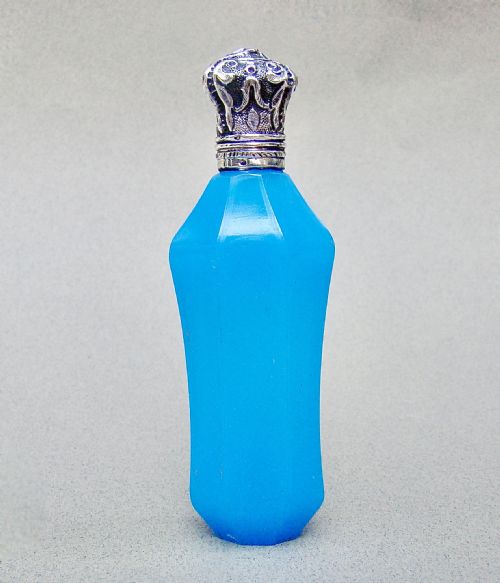
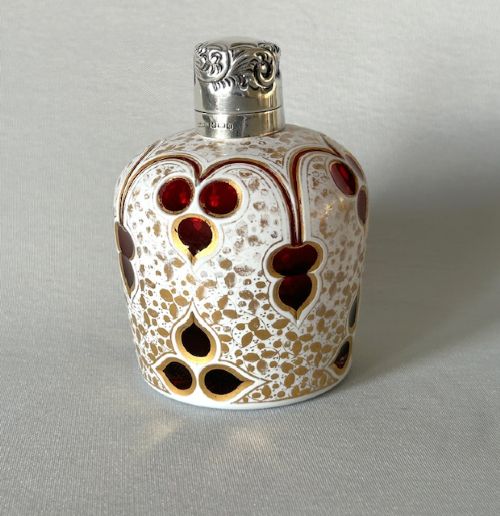
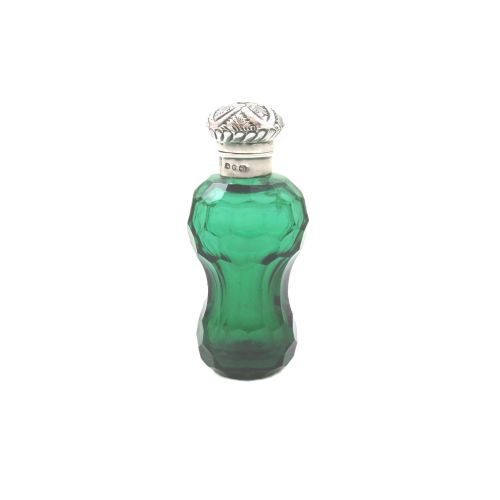
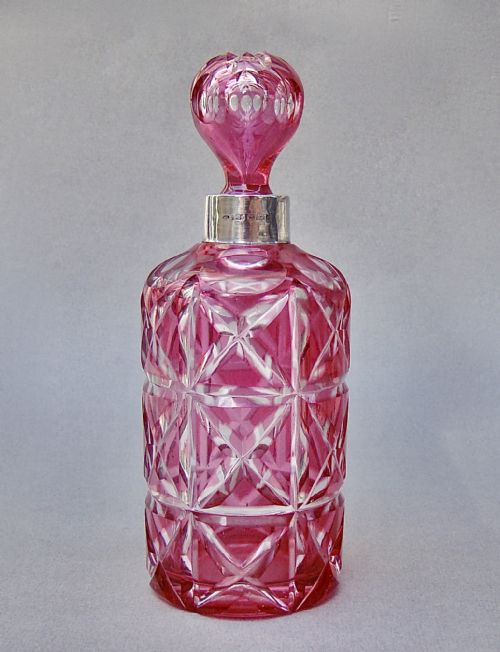
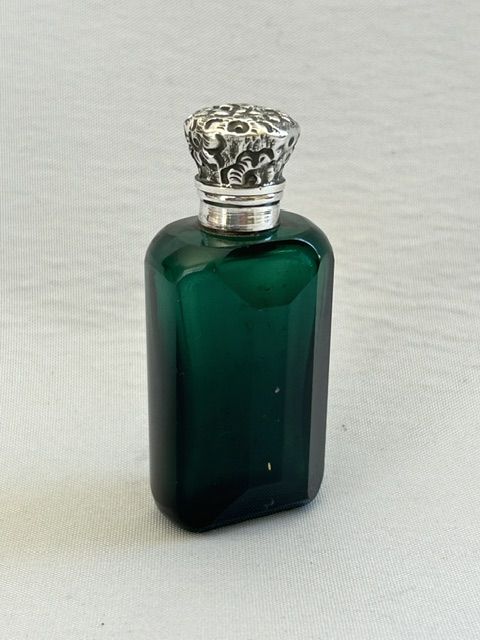
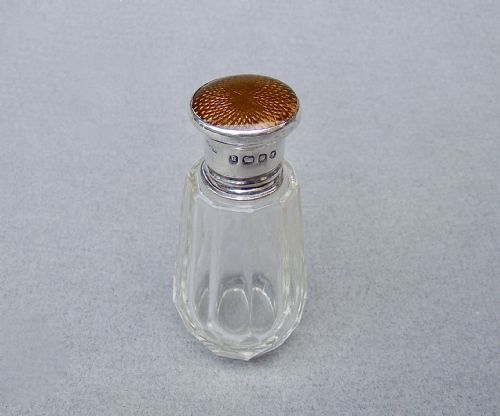
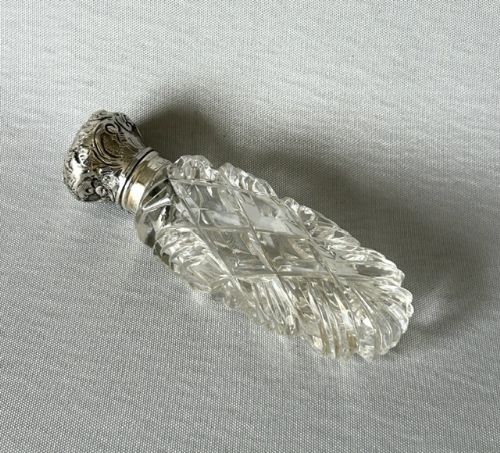
A silver topped scent bottle brings dressing table elegance into focus through the combination of precious metal and coloured glass.
Silver Topped Scent Bottle
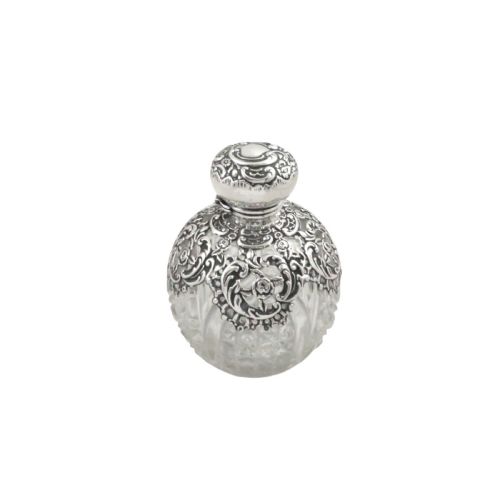
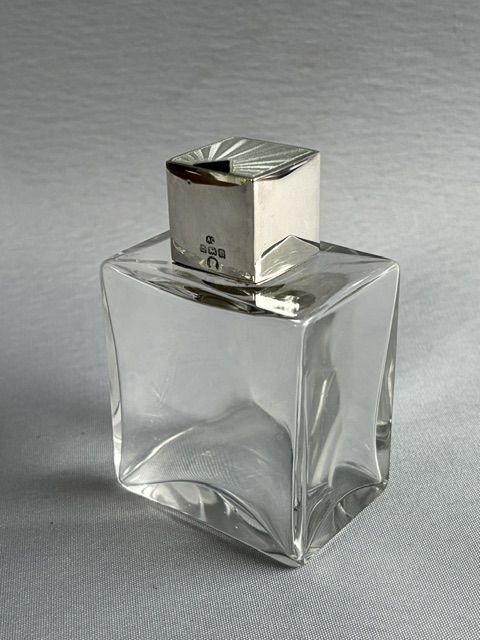
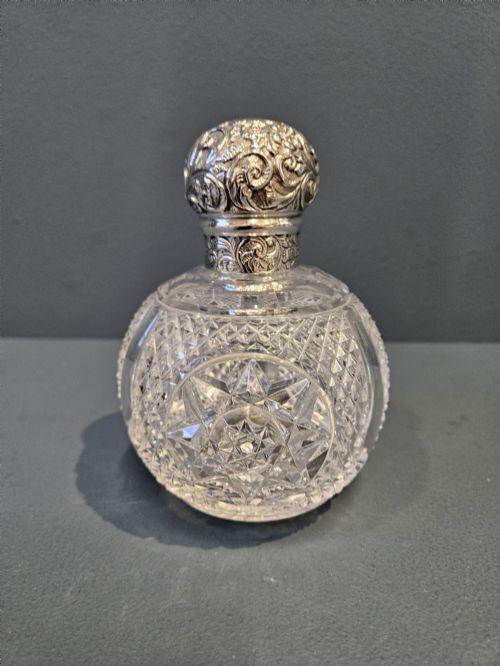
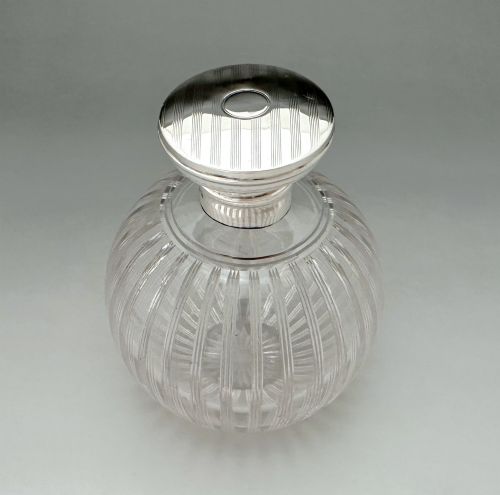
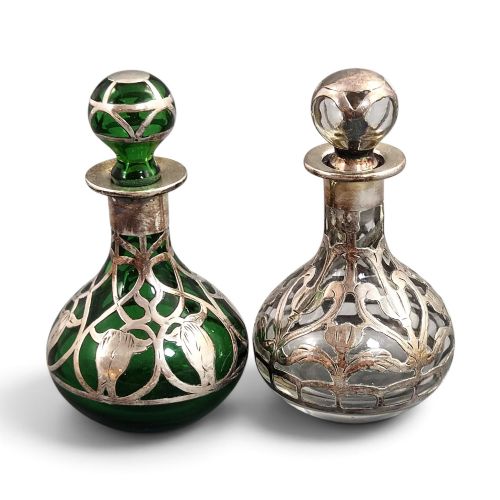
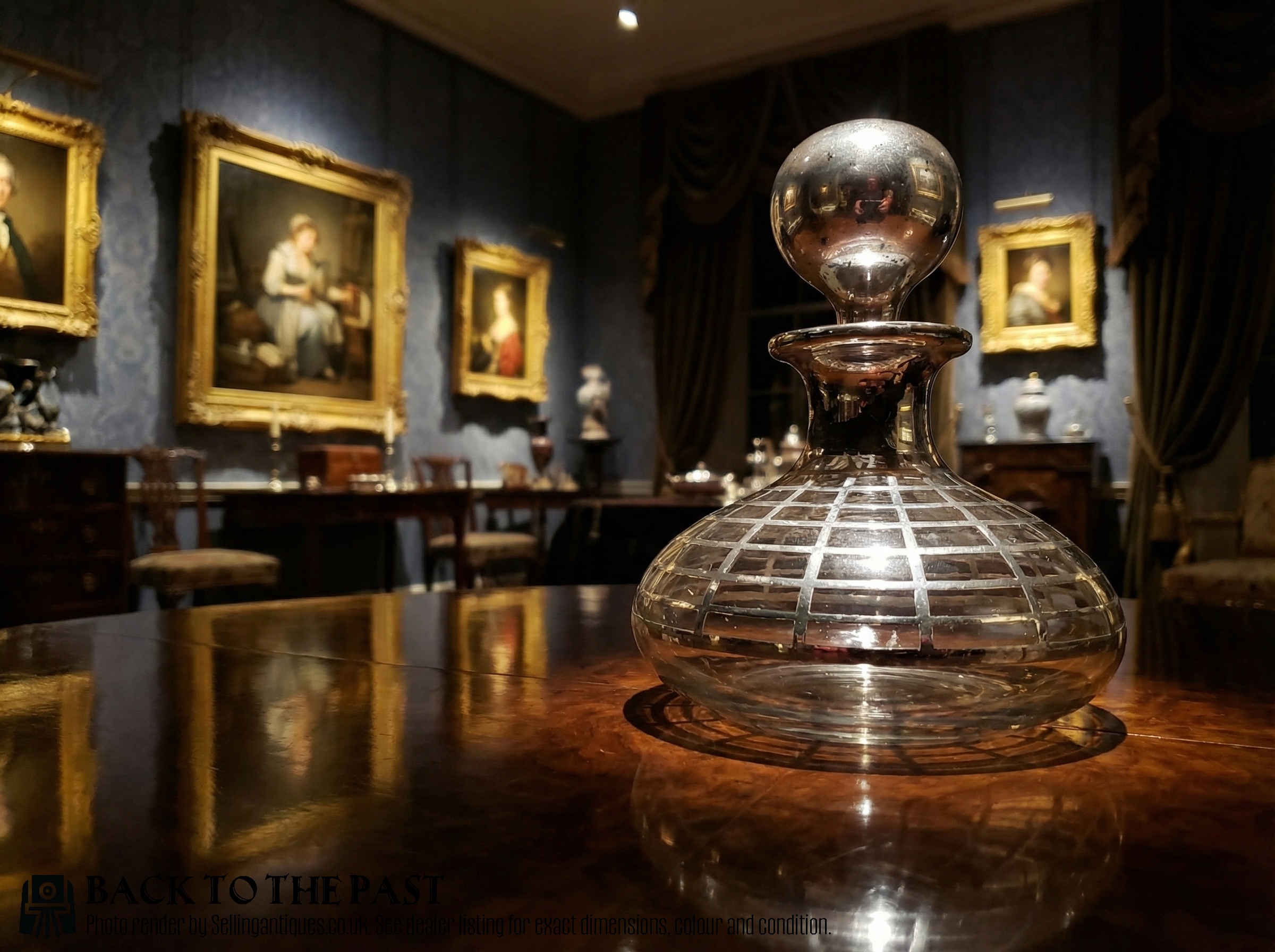
A silver topped scent bottle combines a functional vessel for fragrance with decorative metalwork produced across the Victorian, Edwardian, and Art Deco periods. These pieces appear on this page primarily as small glass containers paired with hallmarked sterling silver lids, collars, or full overlays.
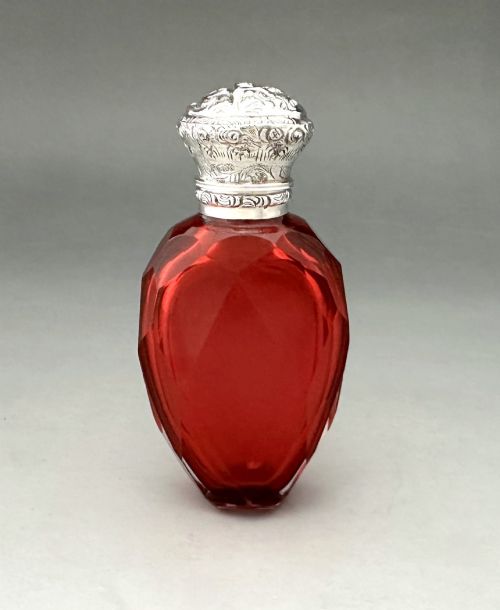
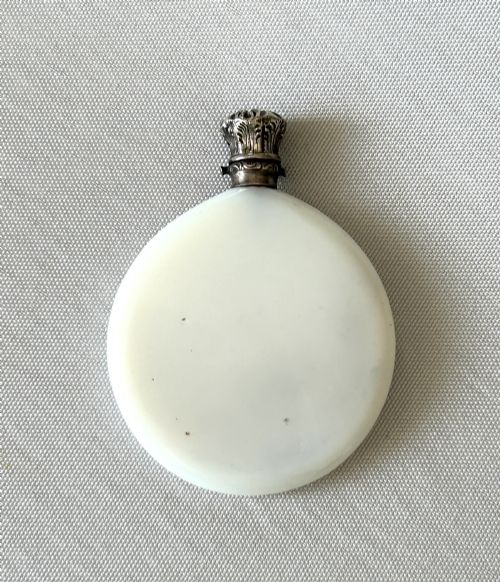
Makers utilised various glass types including cranberry, opaline, and cut crystal to house perfumes, often shaped as globular or cylindrical bottles. Examples range from simple travelling cologne containers to elaborate dressing table accessories designed for display.
The historical scope spans from the mid nineteenth century through the interwar years, encompassing British workshops alongside continental European glasshouses. Buyers encounter both single specimens and cased sets intended for personal grooming or domestic use.
Materials and Techniques
Glass production relied on blowing, moulding, and cutting techniques to achieve coloured or clear bodies in hues like teal, ruby, and Bristol green. Artisans applied casing or overlay methods to layer contrasting glass colours before cutting geometric patterns through the exterior layer.
Metal components involved forming sterling silver via stamping, casting, or repoussé work, frequently complemented by guilloché enamel or inset tortoiseshell. Silversmiths then threaded or hinged these metal mounts directly onto the glass necks to create a secure closure.
Silver Topped Scent Bottle Retail Price Guide 2026
Typical asking prices for silver topped scent bottle among the pieces listed under this phrase on Sellingantiques today, from the lower quarter to the upper quarter. They describe what is for sale here now, not the wider market.
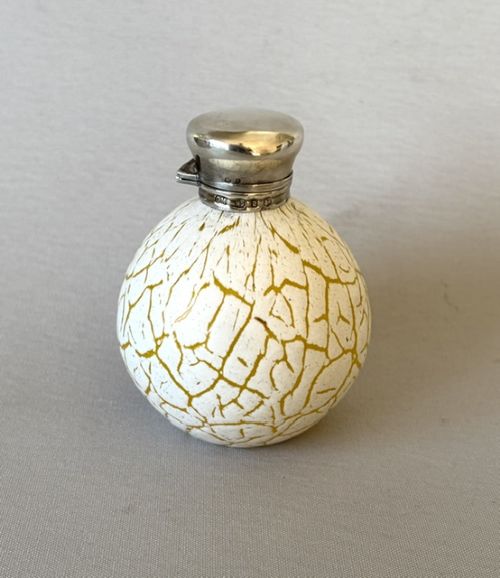
Some Victorian specimens took the form of speckled eggs, designed to sit secretly among domestic curiosities.
Markers of Quality
Quality rests upon the weight and precision of the silver mount alongside the clarity and depth of the glass body. Thicker glass cuttings and crisply executed hallmarks indicate superior manufacturing standards.
The integration between metal and glass dictates overall excellence, where well fitted hinged lids or properly threaded screw caps maintain structural integrity. Enamel work displaying undamaged guilloche patterns and free from chips elevates the standing of an individual piece.
Gorham·Harold Bushell and Co·Henry Perkins·Franchini and Bigaglia·Barnsley and Co
The Silver Topped Scent Bottle Glossary
- Sterling silver
- A silver alloy containing 92.5 percent pure silver by mass, standard in British hallmarked items.
- Guilloché enamel
- Decorative mechanical engraving beneath transparent enamel, frequently applied to silver lids.
- Opaline glass
- An opaque or translucent glass developed in various pastel shades during the nineteenth century.
- Cranberry glass
- A rich red glass produced by adding gold chloride to the molten batch.
- Silver overlay
- Sterling silver decoration applied directly onto the exterior surface of a glass vessel.
Silver Topped Scent Bottle: Frequently Asked Questions
How do I date a silver topped scent bottle?
Dating relies heavily upon the assay office marks and date letters stamped into the sterling silver mounts. These hallmarks reveal the exact year and city of manufacture for the metal component.
Stylistic shifts in the glass body and cap design provide supplementary clues. Victorian pieces often favour deep jewel tones, while Art Deco examples display geometric enamel patterns.
Were these bottles meant for travel?
Many examples served as travelling companions, housed in fitted leather cases designed to protect fragile glass during journeys. These specific trio sets or single flasks kept cologne secure inside luggage.
Larger specimens remained stationary on dressing tables as permanent vanity accessories. Their substantial bases prevented tipping during daily grooming routines.
How should I clean the silver and glass?
Care requires keeping polish away from glass surfaces and enamel panels to prevent chemical damage. A soft cloth removes dust from the body without abrasion.
Silver mounts need gentle attention using a non abrasive cleaner applied with care around hinged collars. Prevent moisture from entering the interior through compromised stoppers.
What glass colours are most common?
Cranberry and various shades of opaline glass dominate surviving inventory from the Victorian era. Green and blue tinted glass also appear regularly across nineteenth century production.
Clear cut crystal gains prominence in Edwardian and later pieces. Overlay techniques frequently combine clear glass bodies with coloured outer layers.