



Silver Top Walking Stick
A silver top walking stick combines practical support with decorative metalwork, offering a glimpse into nineteenth and early twentieth-century personal accessories.
Silver Top Walking Stick
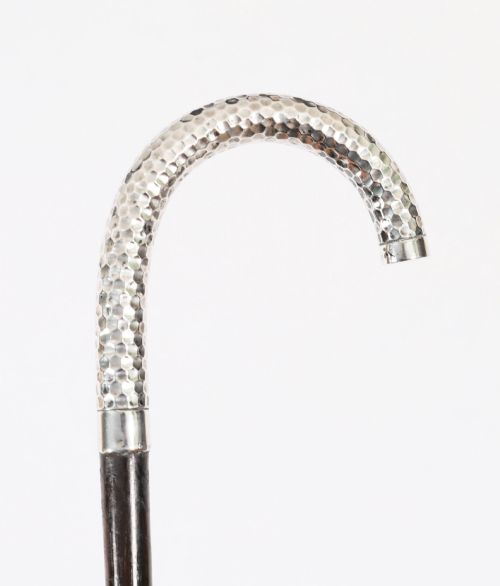
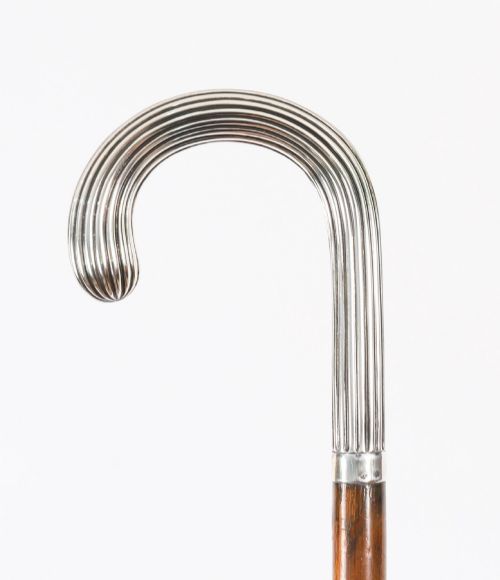
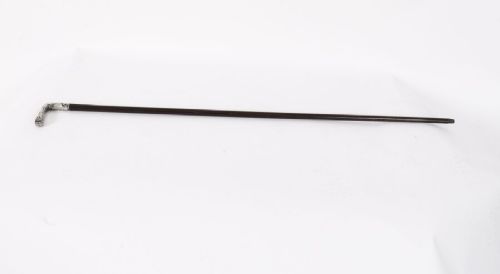
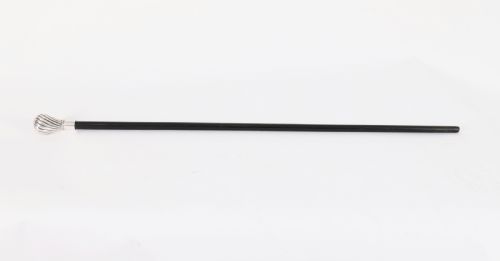
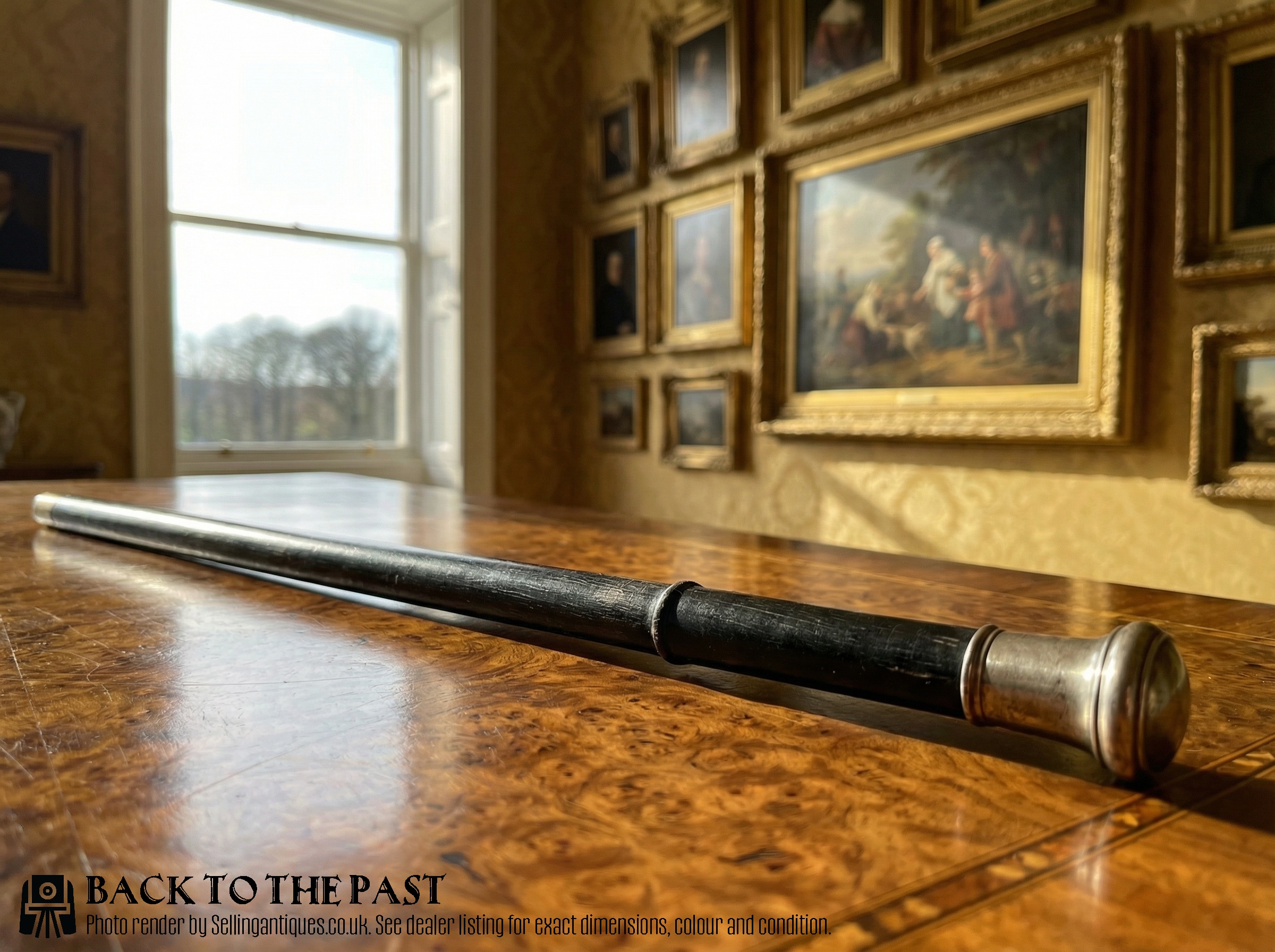
A silver top walking stick serves as a traditional gentleman's or lady's accessory, featuring a precious metal handle mounted to a wooden shaft. These items appear across the nineteenth and early twentieth centuries in various regional styles, from continental European examples to Chinese export pieces.
The objects span standard walking canes, swagger sticks, and specialised formats such as sword sticks or watch canes. Most examples pair a shaped metal grip with materials like ebonised wood, malacca, bamboo, or hardwoods.
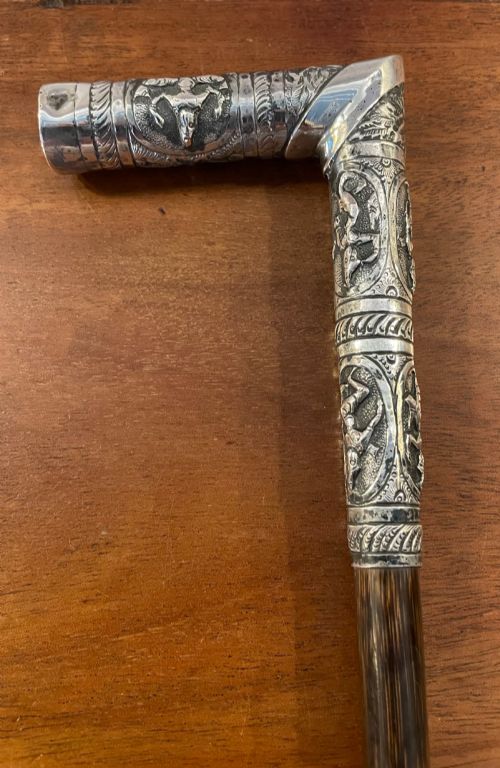
Continental workshops, British makers, and Asian export silversmiths all contributed to the variety seen in these pieces. Buyers encounter both plain round pommels and elaborate repoussé or figural handles shaped as animals or deities.
How they were made
Silversmiths formed the handles using techniques like repoussé, chasing, and casting to shape sterling or continental grade silver into detailed mounts and pommels. Hallmarks, maker marks, and silver-plating methods vary depending on the country of origin and the workshop responsible.
Shafts rely on resilient natural materials including malacca, bamboo, palm wood, snakewood, and ebonised oak or hardwood to ensure structural integrity. Metal ferrules protect the lower tip of the cane from ground wear during daily use.
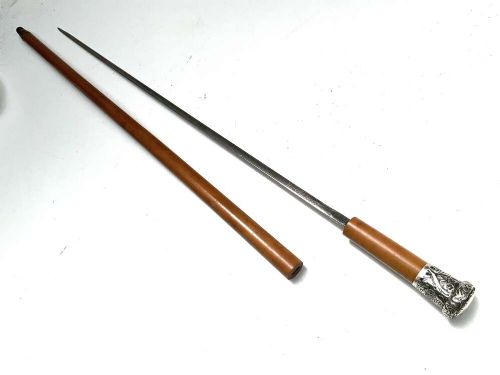
Internal mechanisms occasionally conceal functional surprises, such as concealed blades in sword sticks or integrated timepieces within watch canes.
Some walking sticks double as timepieces or conceal opera glasses inside the handle, adding a clever hidden function to the daily stroll.
What varies in quality
Quality depends heavily on the weight and sculptural depth of the silver handle, with heavier cast or deeply chased mounts representing superior craftsmanship. Plain thin sheet metal covers contrast against substantial solid silver tops and detailed figural carvings.
The choice and condition of the shaft wood dictate the overall integrity and balance of the stick. Straight, tightly grained woods like malacca and snakewood hold higher regard than spliced or heavily altered replacement shafts.
Maker attribution and legible hallmarks elevate specific pieces by confirming exact dates, assay offices, and prominent retail houses.
Wang Hing and Company·Briggs of London·Asprey
The Silver Top Walking Stick Glossary
- Repoussé
- Metalworking technique where the silversmith hammers the design from the reverse side to form a raised relief on the front. This method creates the tactile floral and animal motifs found on many cane handles.
- Malacca
- A slender, durable stem derived from the rattan palm featuring characteristic spaced nodes. It remains a preferred material for walking stick shafts due to its flexibility and strength.
- Swagger stick
- A short, light cane traditionally carried by military personnel rather than used for physical support. These often feature distinctive regimental metal tops.
- Sword stick
- A cane designed with a concealed blade locked securely inside the wooden shaft. They require precise joinery to maintain a seamless exterior appearance.
- Ferrule
- The protective metal cap fitted to the bottom end of a walking stick. It prevents the wood from splintering against hard pavements.
Silver Top Walking Stick: Frequently Asked Questions
How do I identify a sword stick?
A sword stick conceals a steel blade inside the wooden shaft, typically released by a subtle screw or catch mechanism near the collar.
Examining the seam where the handle meets the shaft reveals the join line characteristic of these dual-purpose items.
What woods were used for shafts?
Common shaft materials include malacca, bamboo, ebonised wood, palm wood, and snakewood chosen for their durability and straight grain.
Each timber offers distinct weight and flexibility properties suited to daily walking support.
How do I date a silver handle?
Silver handles often feature hallmarks indicating the assay office, metal purity, and year of production for pieces made in Britain.
Continental and export pieces rely on style markers, regional stamps, or maker signatures when official date letters are absent.
Were these used as daily walking aids?
Many examples served as functional support aids for gentlemen and ladies during the nineteenth and early twentieth centuries.
Others functioned purely as fashion accessories or military symbols, reflecting the social status of the bearer.