

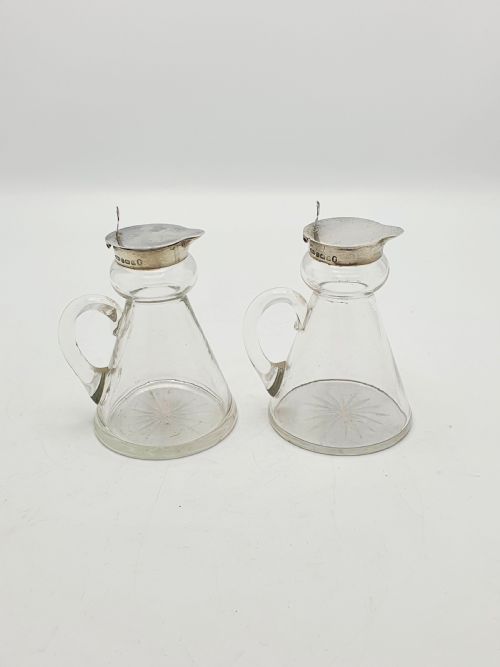


Silver Top Glass Pitcher
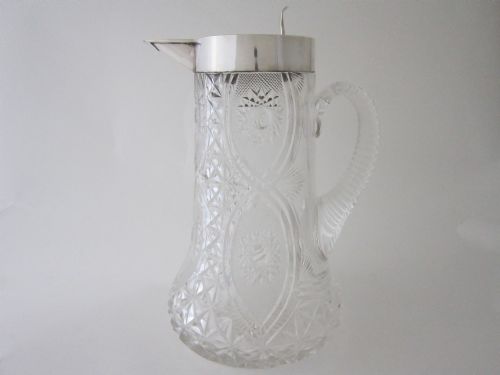
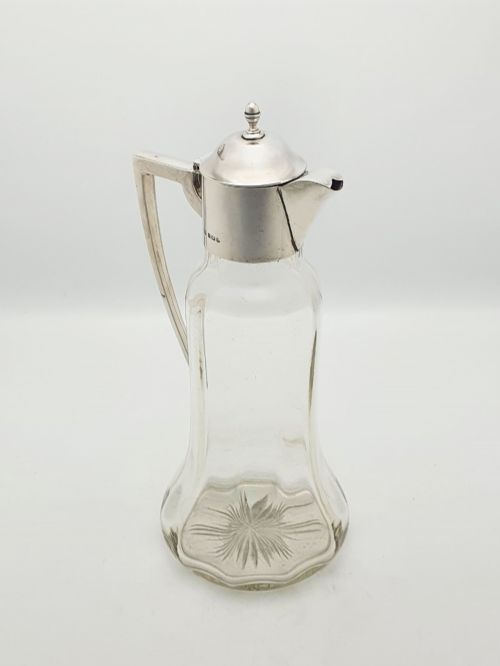
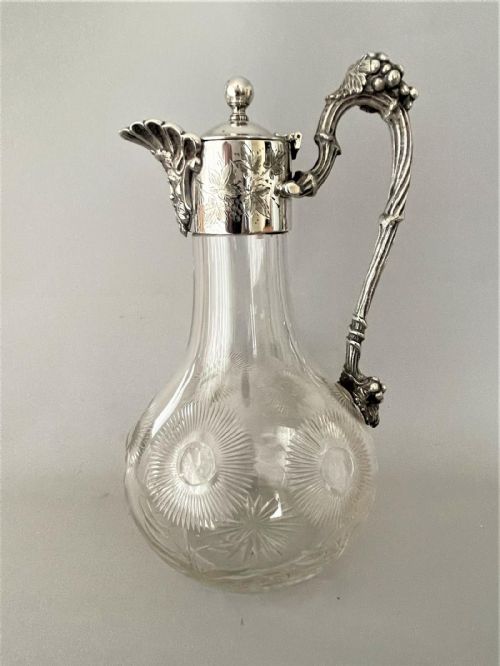
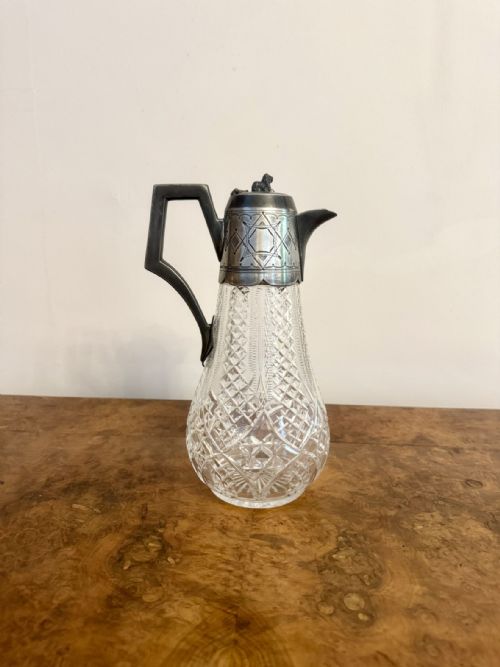
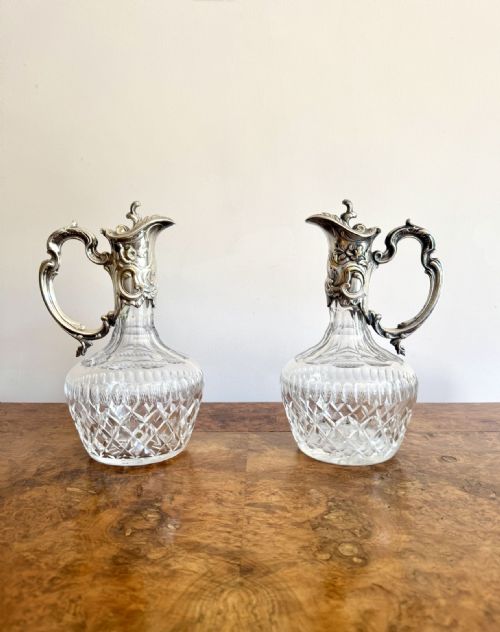
A silver top glass pitcher combines heavy pressed or cut glass with gleaming metal mounts to serve wine and water with distinction.
Silver Top Glass Pitcher
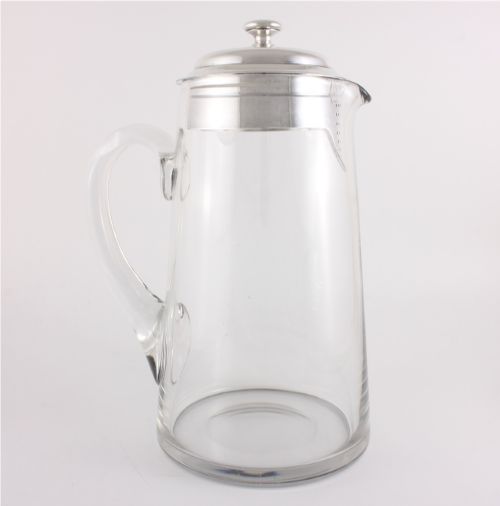
A silver top glass pitcher, frequently found in forms such as claret jugs, water ewers, and whiskey noggins, brings together glass vessels and metal fittings. Buyers exploring this phrase encounter pieces spanning the Victorian and Edwardian eras, alongside George V and mid-century examples.
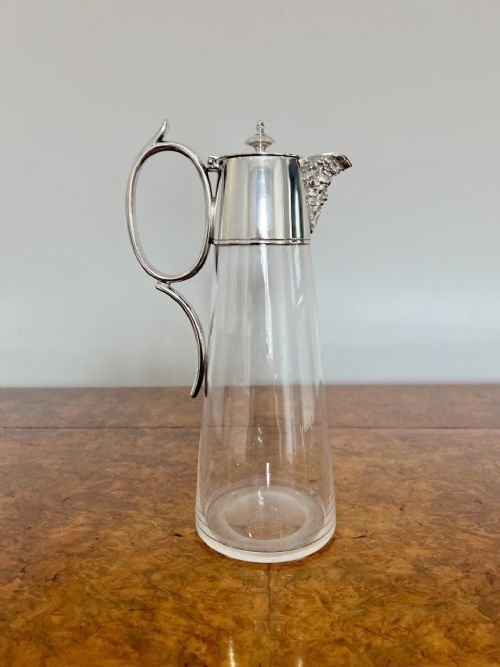
The objects take several shapes, from tall, slender claret jugs designed for dining tables to smaller noggins meant for spirits. Most combine transparent glass bodies with silver plate or sterling silver covers, collars, and handles.
Victorian and Edwardian versions dominate the selection, showing how these vessels evolved from formal dining accessories into versatile barware. Makers ranged from prominent retailers like Asprey to unknown workshops producing sturdy plated wares for everyday hospitality.
Materials and construction
The glass body of a silver top glass pitcher is typically formed through heavy cutting, etching, or moulding to create deep light-catching facets or delicate floral patterns. Crystal and cranberry glass appear alongside standard clear material, providing a heavy, stable base for the liquid inside.
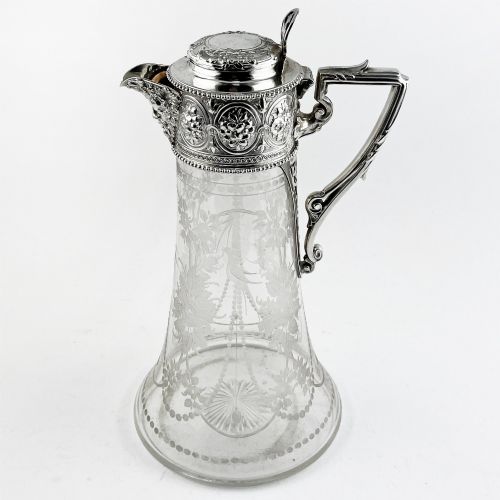
Mounts are fashioned from either sterling silver or durable silver plate, attached securely around the neck and lip of the glass vessel. Hinged lids often feature thumbpieces and elaborate spouts, connected by collars that fit tightly to the glass rim.
Silver Top Glass Pitcher Retail Price Guide 2026
Typical asking prices for silver top glass pitcher among the pieces listed under this phrase on Sellingantiques today, from the lower quarter to the upper quarter. They describe what is for sale here now, not the wider market.
Several jugs hide small bearded Bacchus masks beneath their spouts, watching over the wine.
Separating ordinary vessels from exceptional works
Quality in a silver top glass pitcher rests primarily on the depth and clarity of the glass cutting and the weight of the metal mount. Heavier crystal bodies and thick sterling silver collars indicate higher grade manufacturing than thin pressed glass and light plating.
Design ambition also divides the range, separating standard commercial jugs from pieces bearing detailed chased decoration, Bacchus masks, or specific maker marks. The precision with which the metal collar fits the glass neck dictates the overall integrity of the piece.
Asprey and Co. Ltd·Christofle·Tiffany
The Silver Top Glass Pitcher Glossary
- Claret jug
- A specialised vessel designed specifically for serving red wine at the table, usually featuring a generous body and a hinged metal lid.
- Whiskey noggin
- A small pitcher or jug intended for serving spirits, often associated with Edwardian and George V drinking habits.
- Silver plate
- A layer of silver fused to a base metal core, widely utilised during the Victorian period to produce decorative tableware.
- Sterling silver
- An alloy containing a high proportion of pure silver, hallmarked to indicate official standard and origin.
- Cut crystal
- Glass with a high lead content that is deeply wheel-cut to enhance brilliance and weight.
Silver Top Glass Pitcher: Frequently Asked Questions
How do I clean a silver top glass pitcher safely?
Wash the glass body gently using warm soapy water and a soft bottle brush to avoid scratching the interior surfaces.
Polish the silver mounts separately with a dedicated cloth, taking care to keep abrasive creams away from the glass.
Can I use these pitchers for daily dining?
Most sturdy Victorian and Edwardian examples remain fully functional for serving water, wine, or cocktails at the modern table.
Hand washing is essential to preserve the vintage silver plate and prevent clouding on older glass.
How do I date a silver mounted jug?
Examine the hallmarks stamped on the silver mounts for specific date letters and assay office symbols.
Stylistic clues such as floral engraving styles and heavy hobnail cutting also help point towards Victorian or Edwardian origins.
What is the difference between a claret jug and a water pitcher?
Claret jugs traditionally feature narrower necks and spouts tailored for pouring still red wine without sediment.
Water pitchers tend to offer wider mouths and larger capacities suited for general beverage service.