


Silver Top Dressing Bottle
A silver top dressing bottle brings together functional vanity glass and precious metal mounts.
Silver Top Dressing Bottle
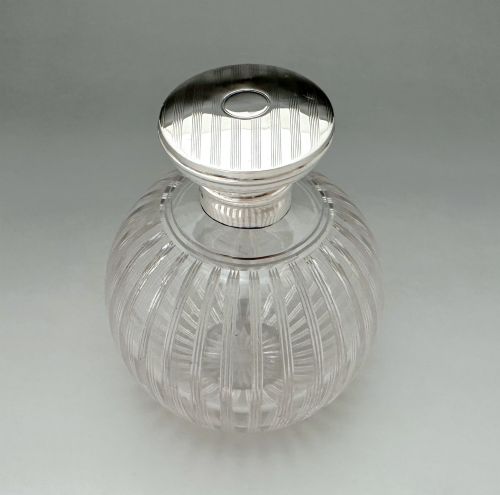
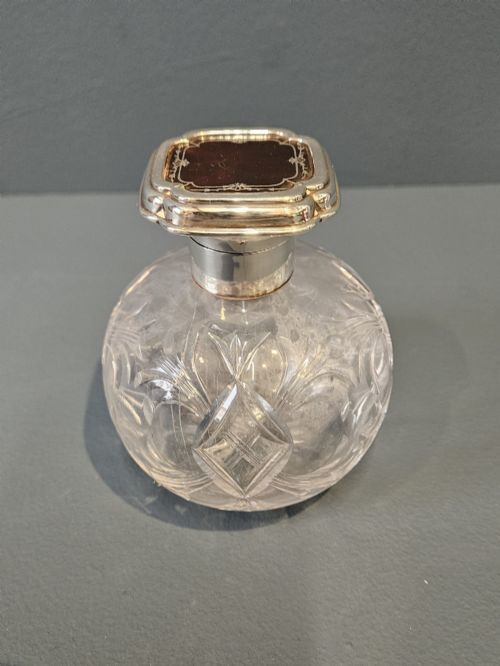
A silver top dressing bottle serves as a container for cologne, perfume, or salts, sitting upon a dressing table or travelling within a fitted case.
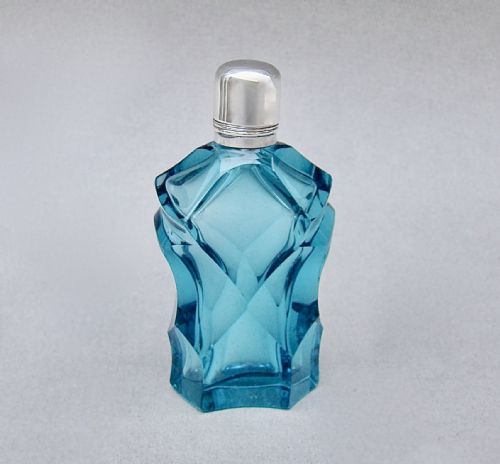
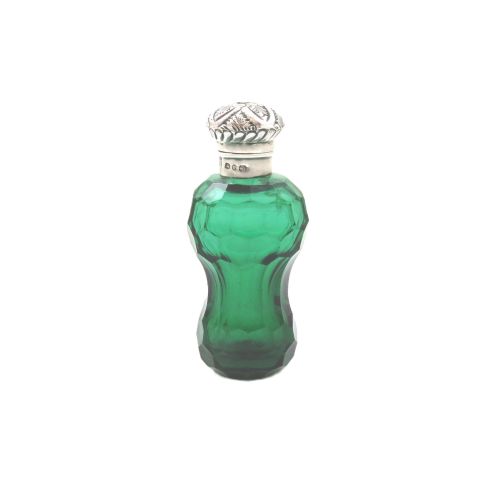
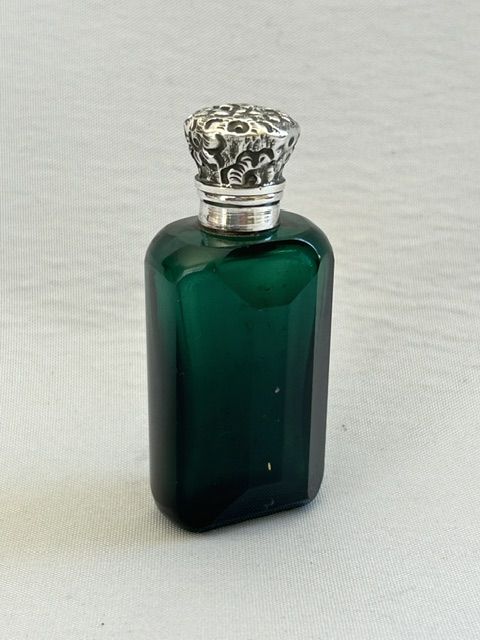
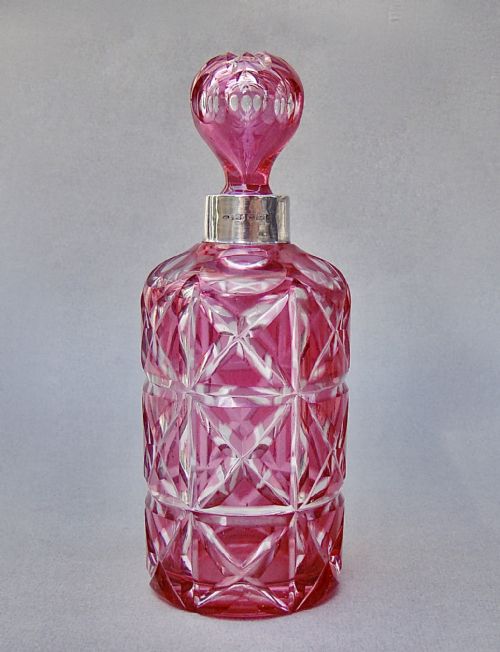
You will most frequently encounter Victorian and Edwardian examples featuring sterling silver lids paired with cut crystal, sliced-cut glass, or coloured glass bodies.
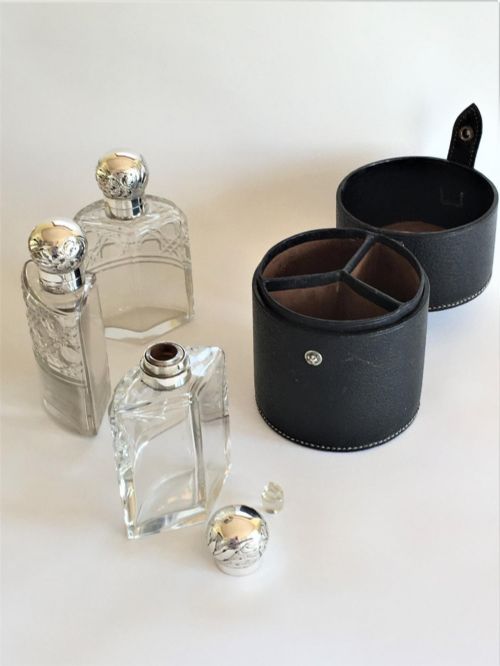
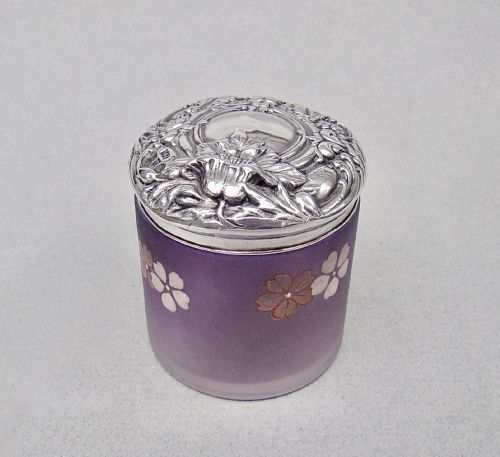
The selection extends to include matching dressing table jars, vanity sets, and travelling cologne bottle trios housed in coromandel or wood cases.
How they were made
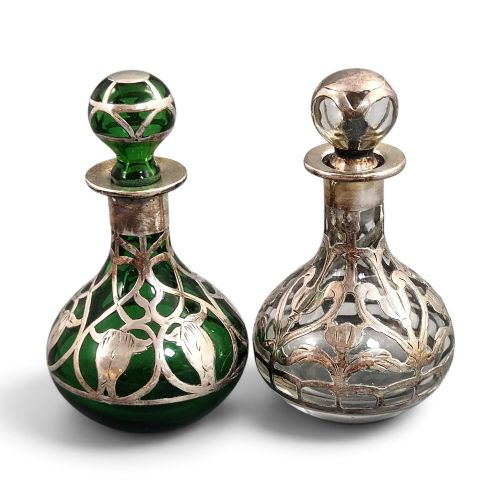
The glass bodies are formed through cutting, moulding, or blowing, utilising coloured, frosted, Bristol green, cranberry, amethyst, or clear crystal glass.
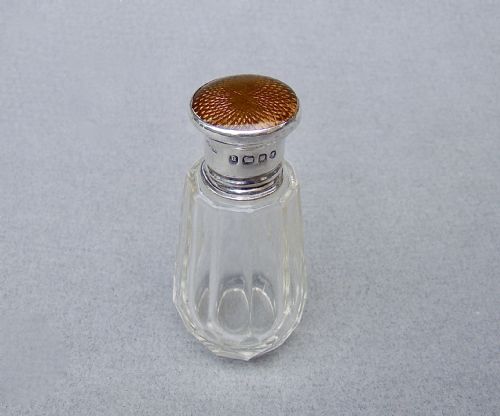
Silversmiths shape the sterling silver mounts and lids, often incorporating intricate embossing, Art Nouveau motifs, guilloché enamel, or inlaid tortoiseshell.
Many pieces bear hallmarks indicating manufacture in assay offices such as Birmingham, Chester, and London across the Victorian, Edwardian, and Art Deco periods.
Listings feature items from the Georgian period through the Victorian, Edwardian, and Art Deco eras, utilising sterling silver, brass, tortoiseshell, and enamel.
What varies in quality
Quality rests in the weight and depth of the glass cutting, the clarity of the crystal, and the richness of coloured glass variants like cranberry and green.
The refinement of the silver mount distinguishes standard items from superior productions, particularly where detailed handwork, heavy gauge sterling silver, or coloured enamel and tortoiseshell inserts are present.
Gorham·Harold Bushell and Co·Henry Perkins·Barnsley and Co·Adie Brothers Ltd
The Silver Top Dressing Bottle Glossary
- Sterling silver
- A silver alloy containing 92.5 percent pure silver and 7.5 percent other metals, typically copper, used for the lids and mounts.
- Guilloché enamel
- Decorative enamel applied over a mechanically engraved metal background, frequently seen on Art Deco lids.
- Tortoiseshell
- The shell of certain turtle species used as an overlay or inlay panel on silver-topped dressing containers.
- Sliced-cut glass
- A method of cutting flat, linear facets into the exterior surface of a glass bottle.
- Cologne bottle
- A vessel specifically shaped and sized for holding eau de cologne on a dressing table or within a travelling case.
Silver Top Dressing Bottle: Frequently Asked Questions
What is a silver top dressing bottle?
A silver top dressing bottle is a small glass container fitted with a hallmarked sterling silver lid, designed for holding perfumes, lotions, or salts on a vanity table.
These pieces reflect the grooming habits of the Victorian, Edwardian, and Art Deco periods, combining practical utility with decorative craftsmanship.
How do I date a dressing bottle?
Dating relies heavily upon the assay office hallmarks stamped onto the sterling silver mounts, which indicate the exact year of manufacture.
Stylistic indicators such as Art Nouveau curves, Art Deco geometric enamel, or heavy Victorian cutting also help determine the period.
Were these bottles meant for travel?
While many sat permanently on dressing tables, numerous examples were manufactured specifically for travel and fitted into leather or coromandel wood cases.
Travelling sets often included multiple cologne bottles and jars with secure screw or snap lids to prevent spilling.
What glass colours are typical?
Victorian and Edwardian makers utilised clear cut crystal alongside vibrant coloured glass including Bristol green, cranberry, amethyst, and frosted finishes.
Overlay techniques, where a layer of coloured glass is cut away to reveal clear glass beneath, also appear frequently.