
Silver Table Condiment Pot
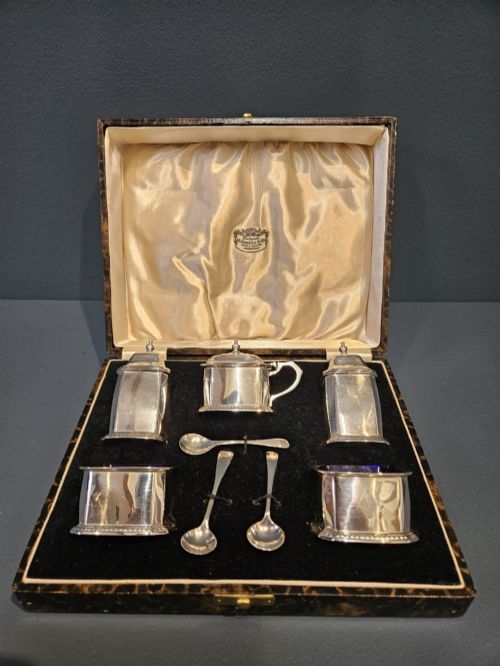
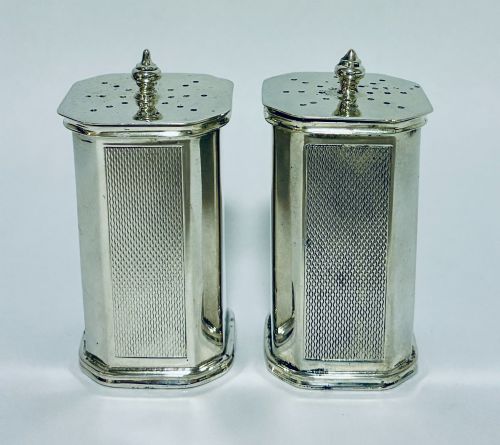
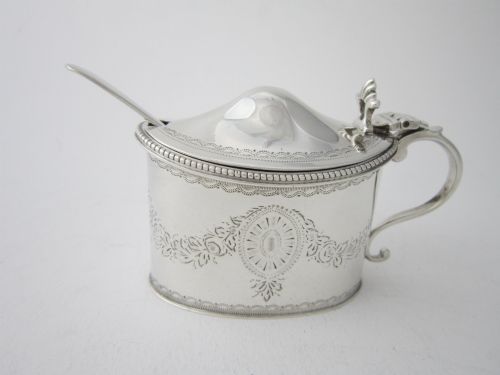
These silver table condiment pots bring practical grace to the dining room, offering fitted vessels for mustard, pepper and salt.
Silver Table Condiment Pot
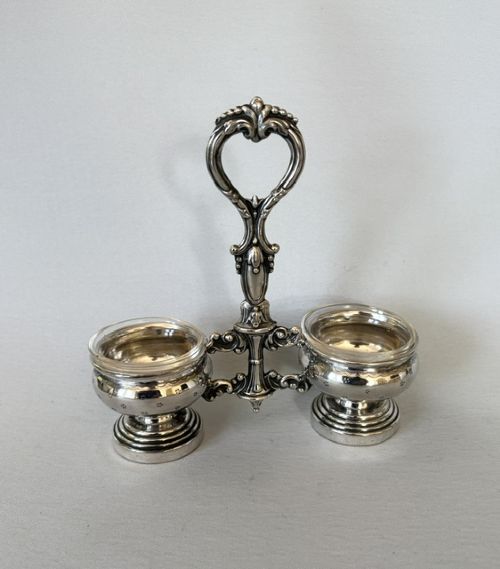
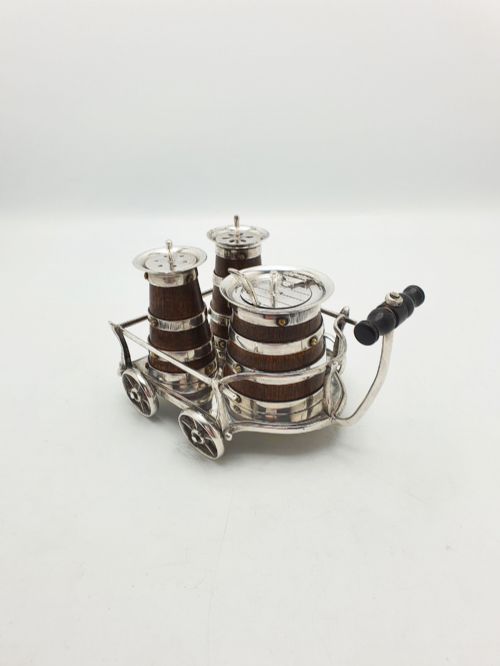
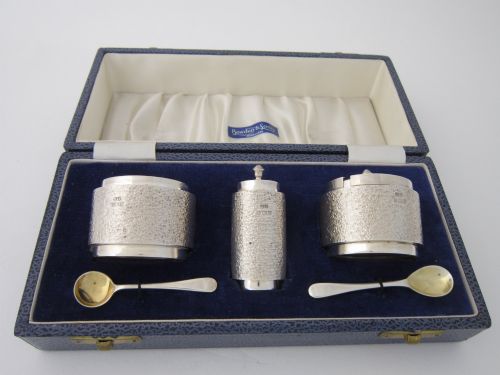
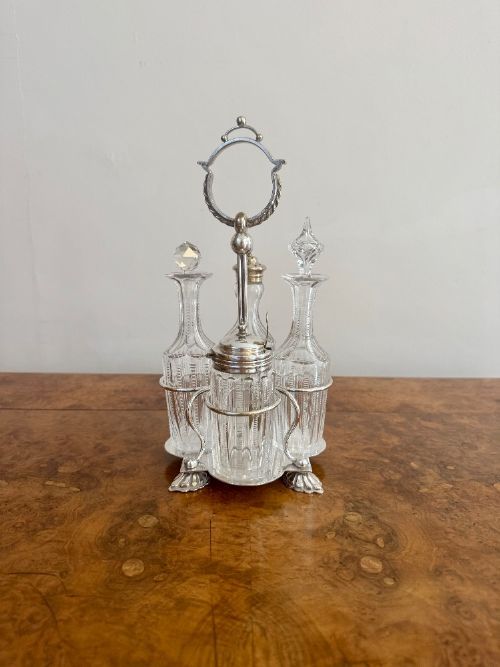
A silver table condiment pot serves as a container for mustard, pepper, or salt on the dining table. These pieces emerge in various forms, from single mustard pots to larger cruet sets holding multiple bottles.
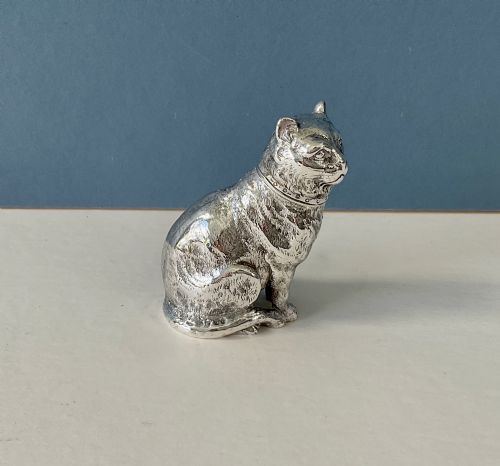
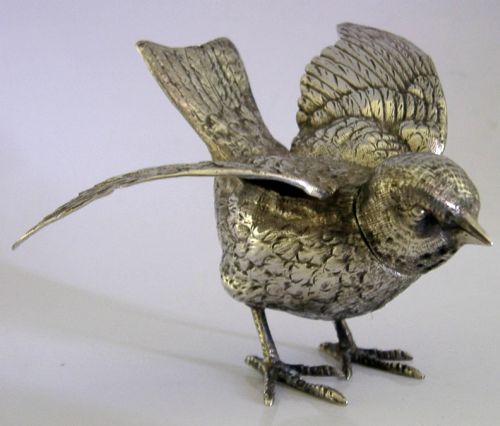
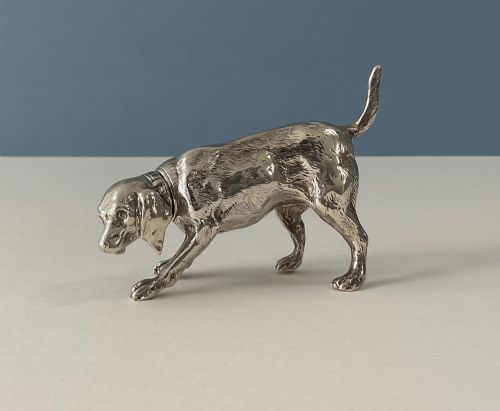
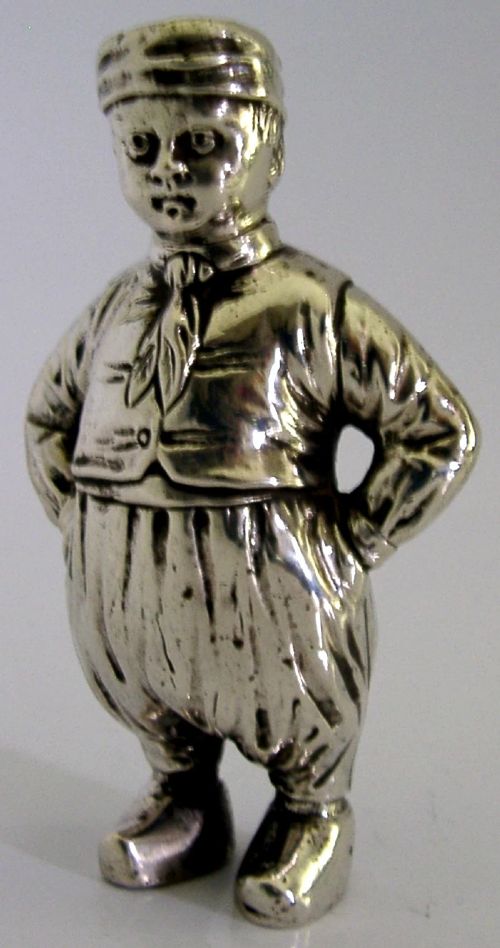
The pieces on this page span the Victorian, Edwardian, and Art Deco periods, alongside earlier Georgian revivals. Buyers encounter standard drum mustard pots as well as novelty animal shapes like cats, owls, and birds.
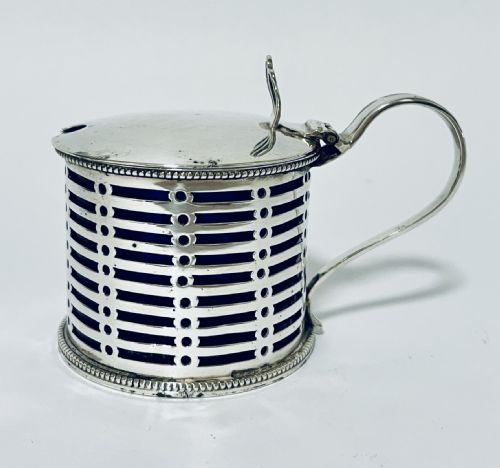
Materials range from solid sterling silver and silver plate to cut glass, cobalt glass, and oak. Many mustard pots include coloured glass liners designed to protect the metal from acidic condiments.
Materials and construction
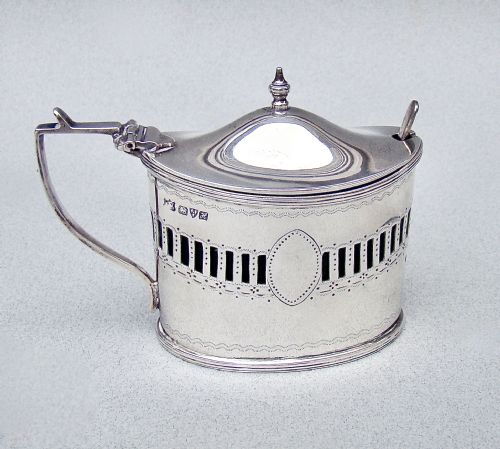
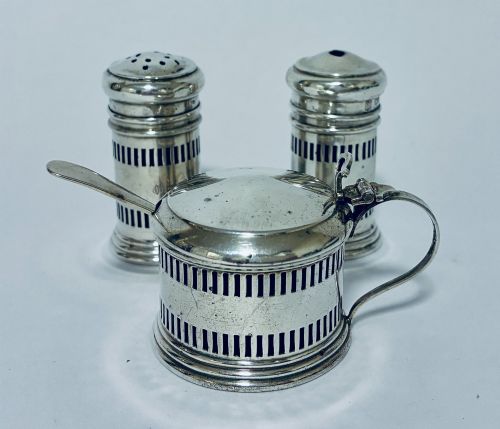
Silversmiths shaped sterling silver and silver plate through techniques such as piercing, casting, and repoussé work. Pierced mustard pots often reveal coloured glass or satin linings beneath openwork patterns.
Cut glass and crystal formed the bodies of many cruet bottles and condiment jars, mounted with silver collars and hinged lids. Artisans also combined silver with wood, utilising walnut and oak for stands and barrels.
Victorian dining tables gained personality through novelty animal cruets shaped as owls, cats, and farmyard birds with hinged heads.
Assessing quality and finish
Quality rests in the crispness of the casting and the weight of the metal. Substantial gauge silver and well-defined novelty details distinguish finer specimens from standard production wares.
The integrity of internal glass liners and the smooth operation of hinged lids influence desirability. Complete sets retaining matching bottles and original fitted presentation boxes hold greater distinction.
Goldsmith & Silversmith's·Alfred Marston·Charles Fox II·Mappin Brothers
The Silver Table Condiment Pot Glossary
- Cruet set
- A matched collection of bottles or pots for holding condiments such as oil, vinegar, mustard, pepper, and salt upon a stand.
- Mustard pot
- A small jar with a hinged lid and a spoon cutout, specifically intended for serving prepared mustard at the table.
- Pepperette
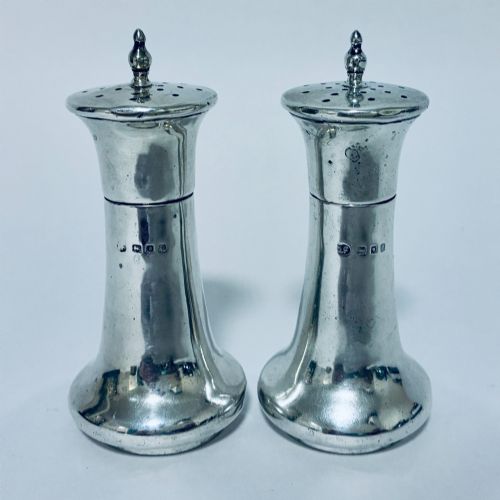
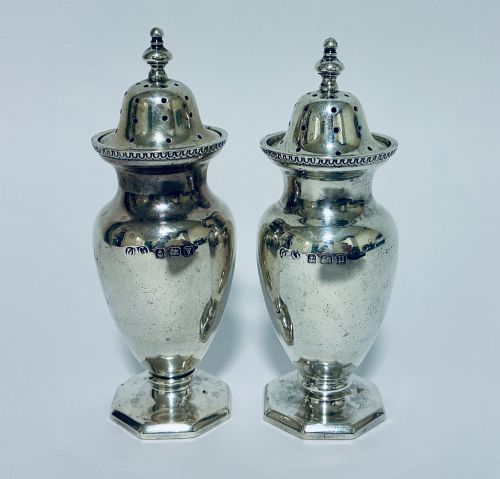
- A small shaker or pot designed for dispensing ground pepper, often formed as part of a multi-piece cruet set.
- Pierced work
- Metal pierced with decorative openwork patterns, frequently utilised on Victorian and Edwardian mustard pot bodies to display coloured glass liners.
- Silver plate
- A base metal, typically copper or white metal, coated with a layer of sterling silver through plating techniques.
Silver Table Condiment Pot: Frequently Asked Questions
What is a silver table condiment pot used for?
These vessels hold table seasonings including mustard, pepper, and salt during meals. They provide a controlled way to serve condiments from individual pots or larger cruet frames.
Many styles include fitted spoons or shaker tops for direct dispensing. They sit centrally on the dining table or sideboard for guests to use.
How do I care for silver and glass condiments?
Wash silver pieces gently in warm soapy water and dry them immediately with a soft cloth. Avoid harsh abrasive polishes that can wear away thin silver plating.
Remove glass liners before cleaning to prevent moisture trapping between the glass and metal. Store pieces in dry environments to keep the metal from tarnishing quickly.
How do I identify Victorian and Edwardian pieces?
Hallmarks stamped onto the silver provide the exact assay office, standard mark, and date letter. Examining these marks reveals the year of manufacture and the maker's initials.
Stylistic cues also help, as Victorian designs often feature heavy piercing and ornate rococo scrolls. Edwardian examples tend towards lighter Georgian revival forms and clean lines.
Why do some mustard pots have coloured glass liners?
Coloured glass, such as cobalt blue or cranberry glass, protected the sterling silver from the corrosive effects of mustard. Mustard contains acids that can stain and pit unlined silver over time.
These liners lift out easily for washing after use. They also added a decorative flash of colour through pierced silver walls.