

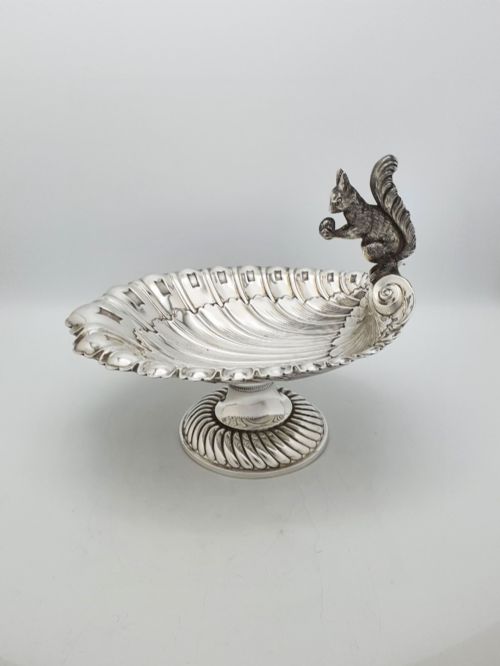


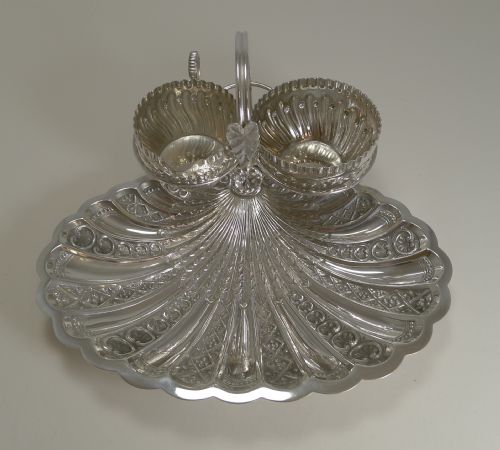
Silver Shell Servers
Silver shell servers are distinctive utensils designed for the table, prized for their marine form and utility in formal dining.
Silver Shell Servers
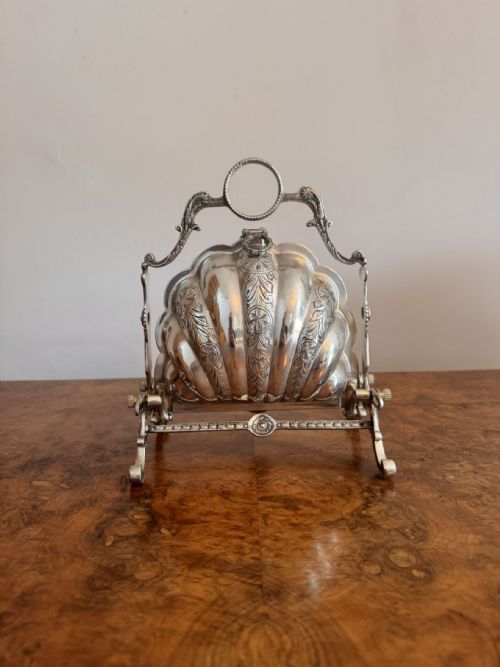
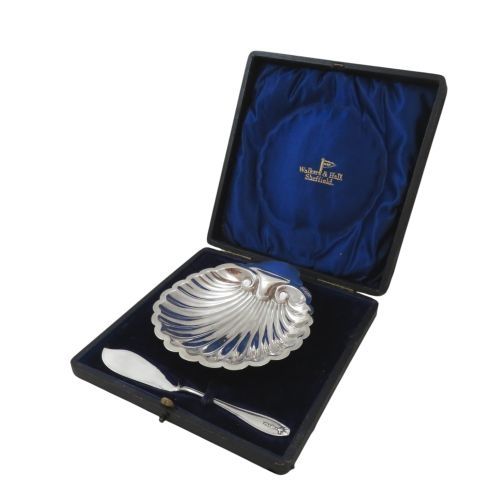
Silver shell servers appear across various dining forms, notably within serving utensils, butter dishes, and broader serveware categories. These pieces combine practical dining utility with naturalistic marine motifs derived from the shape of scallop or seashell bowls.
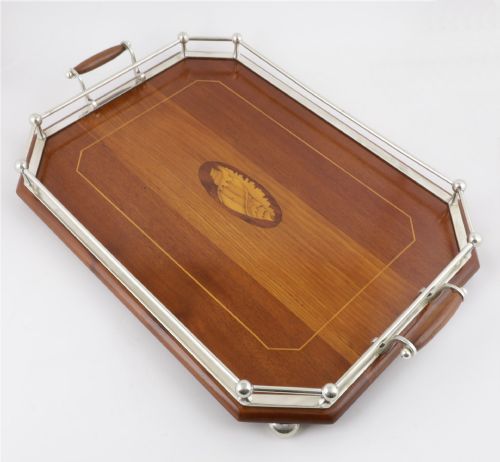
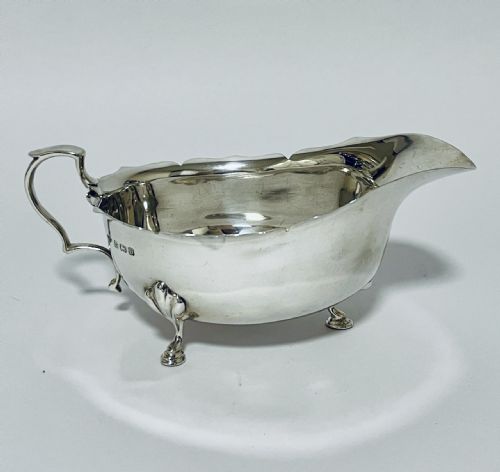
The selection on this page draws from multiple eras, spanning Georgian, Victorian, and Edwardian periods alongside early twentieth-century examples. Buyers encounter these items fashioned both as individual serving implements and within fitted cased sets alongside related silver tablewares.
While specific standalone servers share space with cased butter dishes and broader serving pieces in the evidence, the core characteristic remains the integration of the shell motif. Collectors select these items for their decorative utility on the dining table and their connection to historical dining customs.
Assessing quality and execution
Quality in these items rests upon the crispness of the repoussé or chased detail within the bowl and the weight of the metal. Finer examples display deeply defined ribs and substantial gauge silver that resists bending during use.
The distinction between solid sterling silver and silver plate influences the standing of a piece, alongside the presence of clear hallmarks indicating maker and origin. Superior craftsmanship shows in the balanced weight of the handle relative to the bowl.
Listings incorporate items spanning the Georgian, Victorian, and Edwardian periods, utilising sterling silver, silver plate, mahogany, and cut crystal.
The Goldsmiths & Silversmiths·Charles Boyton·Box Fenton Brothers·Roberts and Belk·Wang Hing
The Silver Shell Servers Glossary
- Sterling silver
- A silver alloy containing 92.5 percent pure silver and 7.5 percent other metals, usually copper, ensuring durability for tableware. This standard has governed British silver production for centuries.
- Silver plate
- A base metal, such as copper or Britannia metal, coated with a thin layer of silver through electroplating or older fusion methods like Old Sheffield plating. It offered an accessible alternative to solid silver.
- Old Sheffield plate
- An early method of fusing a sheet of silver to a thicker copper core by heat and pressure before rolling. This technique preceded modern electroplating and produces a distinct warm tone.
- Hallmark
- A series of official marks stamped on precious metal items in Britain to indicate the purity, the assay office, the maker, and the year of production. These stamps provide definitive dating evidence.
- Repoussé
- A metalworking technique where the artisan hammers the metal from the reverse side to form a raised design in relief on the front. It creates the textured surface often seen on decorative shell bowls.
Silver Shell Servers: Frequently Asked Questions
What are silver shell servers used for?
These utensils serve specific table functions, traditionally deployed for transferring seafood, butter, or delicate pastries during formal meals. Their shaped bowls provide both aesthetic appeal and practical support for moist or crumbly foods.
Over successive periods, their usage adapted to changing dining fashions, frequently appearing in cased presentation sets intended for gifting or special household occasions.
How do I clean antique silver servers?
Maintenance requires gentle washing in warm soapy water using a soft cloth, followed by thorough drying to prevent moisture spots. Avoid harsh abrasive dips that can strip historical patination from the metal.
Frequent light dusting preserves the polished appearance of sterling and plated surfaces better than aggressive scrubbing. Professional silver polish should be used sparingly and only when necessary.
Are these pieces made of solid silver?
The materials vary between solid sterling silver and silver plate depending on the specific piece and its period of origin. Hallmarks stamped directly into the metal usually confirm solid sterling construction.
Items described as silver plate utilise a base metal core beneath a protective silver coating. Both variations appeared across Georgian, Victorian, and Edwardian dining rooms.
How can I tell the period of a piece?
Dating relies heavily upon official hallmarking stamps, stylistic markers, and manufacturing techniques recorded in the piece. Georgian and Victorian examples exhibit distinct decorative motifs, such as elaborate scrollwork or specific revival styles.
Comparing the handle construction and the method of silver application helps distinguish eighteenth-century craftsmanship from later nineteenth or twentieth-century production.