


Silver Crystal Tableware
Silver crystal tableware combines bright metal mountings with heavy glass vessels to bring brilliance to the dining table.
Silver Crystal Tableware
Silver crystal tableware encompasses a range of dining accessories designed for serving condiments, biscuits, preserves, and beverages during formal meals. When searching for silver crystal tableware, you encounter functional serving pieces intended to hold salt, sugar, salad, or wine.
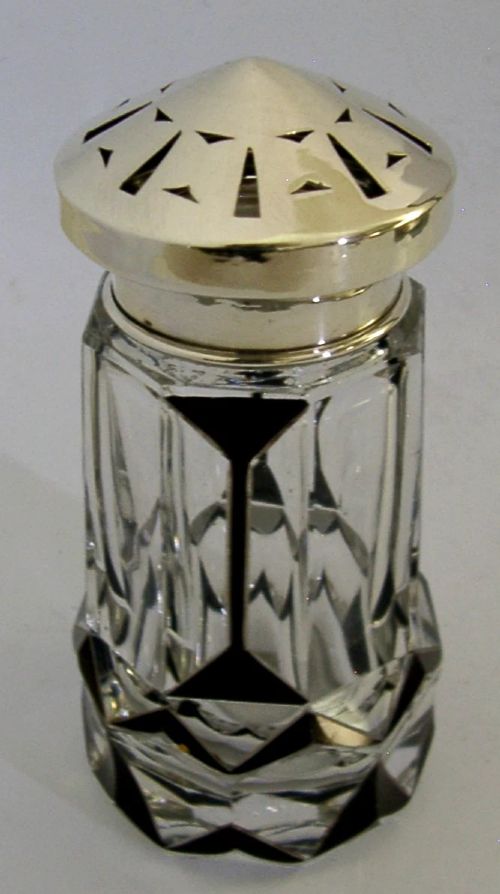
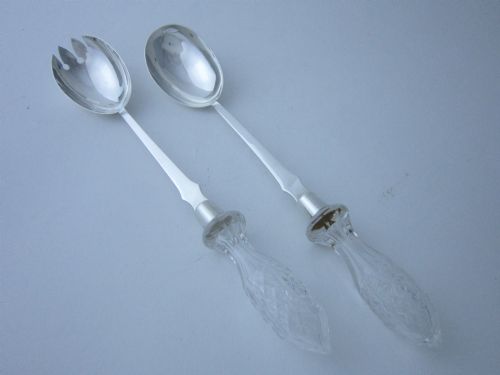
The selections span from the Georgian era through the Victorian and Edwardian periods up to the mid-twentieth century. Biscuit barrels, salt cellars, salad servers, condiment sets, knife rests, decanters, and sugar sifters represent the main forms found within this category.
Victorian and Edwardian examples dominate the offerings, showcasing elaborate metalwork paired with deeply faceted glass bodies. Traditional European styles and Art Deco designs also appear, reflecting the aesthetic preferences of their respective decades.
Materials and construction
Craftsmen combined sterling silver or silver plate with cut glass and cut crystal to create these functional objects. Metal mounts, rims, and lids were cast or stamped before being attached to heavy glass vessels.
Glass components relied on manual cutting techniques to produce deep facets and geometric patterns that refracted light. Silver elements frequently featured hallmarks or plated surfaces applied to base metals.
Listings feature items spanning from the Georgian period through the Victorian, Edwardian, and Art Deco eras.
Evaluating quality and craftsmanship
The distinction between standard utility items and superior pieces rests upon the crispness of the glass cutting and the weight of the silver mountings. Deeper facets on the crystal and thicker gauges of sterling silver indicate higher production standards.
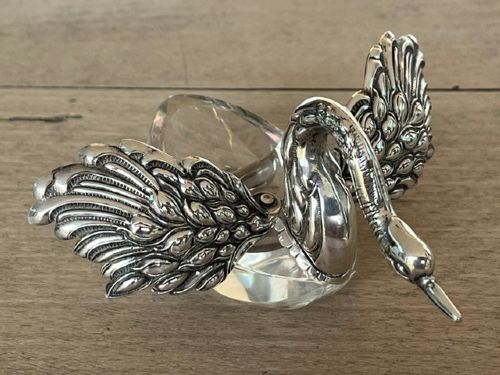
Design complexity also separates the tiers, seen in specialised additions such as movable wings on salt cellars or heraldic finials on biscuit barrels. Original cases and well-preserved plating further elevate the standing of individual items.
Walker & Hall
The Silver Crystal Tableware Glossary
- Biscuit Barrel
- A covered ceramic or glass container, often mounted in silver, designed for storing dry biscuits at the table. Victorian households utilised these vessels extensively during formal afternoon teas.
- Sterling Silver
- An alloy consisting of pure silver and other metals, traditionally copper, standardised for durability. Items made to this standard typically carry official assay office hallmarks.
- Silver Plate
- A base metal layer coated with a thin film of pure silver through chemical or electrochemical processes. This technique provided the appearance of solid silver at a lower cost.
- Cut Crystal
- High-clarity glass containing lead oxide, shaped by hand using abrasive wheels to produce sharp decorative facets. The lead content increases the refractive index, creating intense brilliance.
- Condiment Set
- A matching group of small vessels designed to hold seasonings such as salt, pepper, and mustard. These sets often rest on a dedicated silver-plated stand or frame.
Silver Crystal Tableware: Frequently Asked Questions
What is a silver crystal biscuit barrel?
A biscuit barrel is a lidded container used to store baked goods on the dining table or sideboard. These vessels combine glass bodies with silver or silver-plated mounts and lids.
Victorian examples often feature decorative finials and detailed metal framing, making them central display pieces during social gatherings.
How do I clean silver crystal tableware?
Cleaning requires washing the glass components separately from the metal parts to avoid scratching the surfaces. Warm soapy water and a soft cloth suffice for removing ordinary dust and grime.
Silver mountings benefit from occasional polishing with a dedicated cloth to prevent tarnish accumulation without harming the surrounding glass.
Are these pieces made of solid silver?
The metal components vary between sterling silver and silver plate depending on the specific object and its period. Hallmarks stamped into the metal usually indicate solid sterling silver construction.
Silver-plated items utilise a base metal core beneath a thin outer layer of pure silver, which was a common manufacturing method during the nineteenth and twentieth centuries.
How do I date a silver crystal decanter?
Dating relies on examining the style of the glass cutting, the shape of the vessel, and any accompanying metal mounts. Hallmarks on the silver collars provide definitive assay years for sterling components.
Stylistic cues such as Edwardian elegance or Victorian ornamentation also help place the object within a specific decade.