


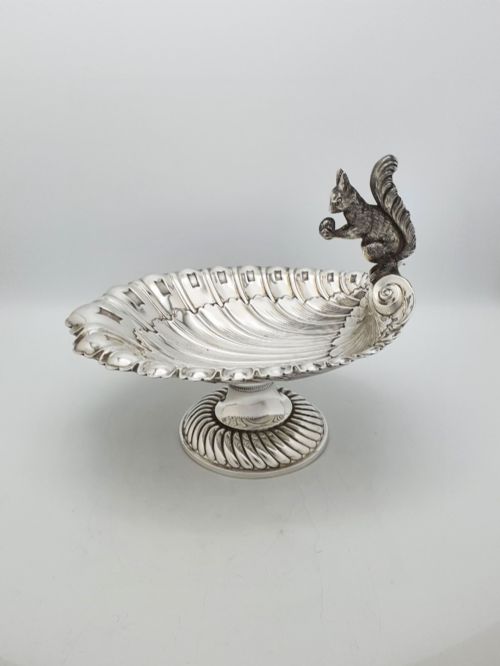


Silver Shell Bowl
When you collect a silver shell bowl, you acquire domestic metalwork shaped by natural marine forms across centuries of British and European design.
Silver Shell Bowl
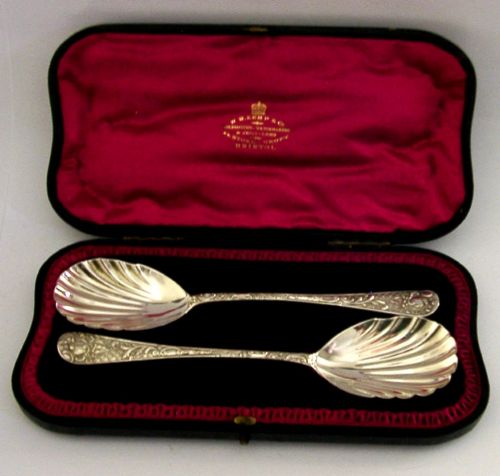
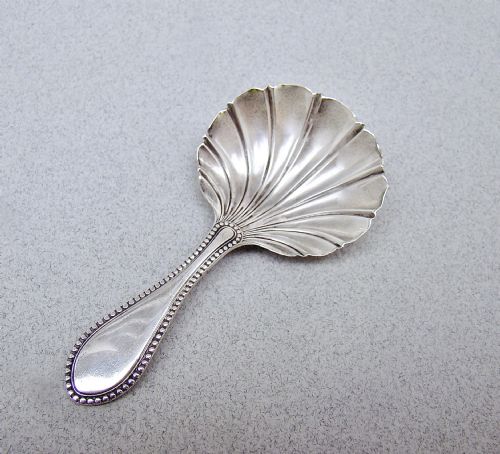
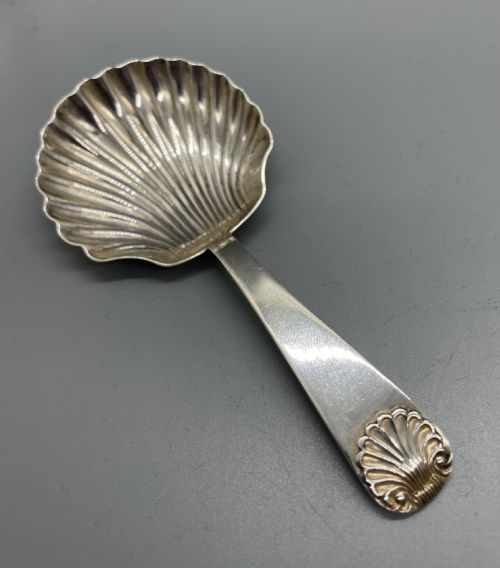
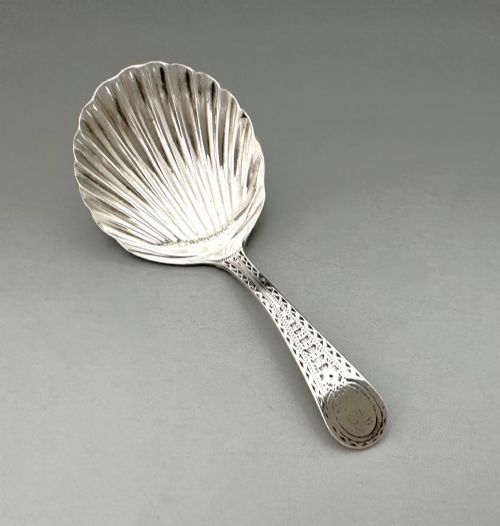
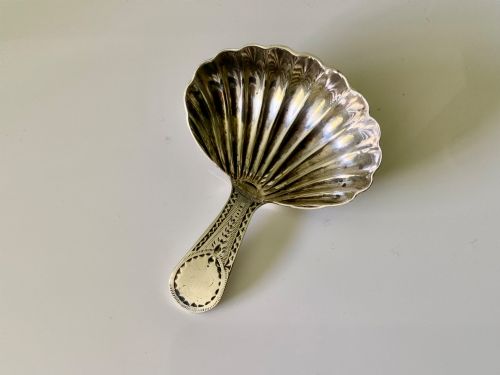
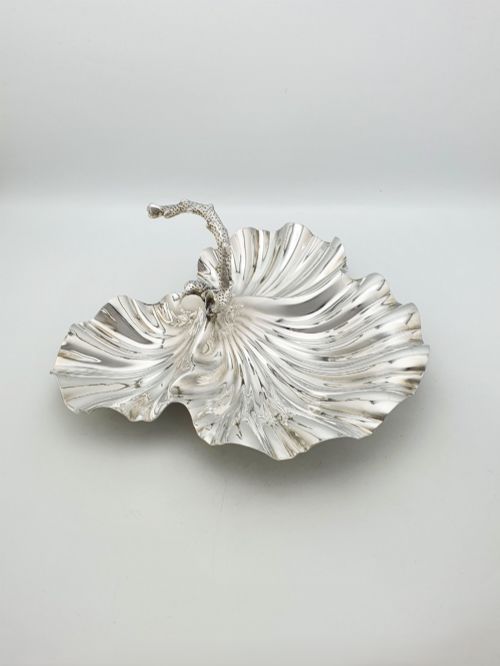
A silver shell bowl encompasses tableware designed around natural mollusc forms, appearing in inventories as everything from small condiment spoons to large centrepieces and lidded powder vessels.
The selections here span Georgian, Victorian, and Edwardian periods, crossing stylistic movements from Rococo Revival and Art Nouveau to Colonial Revival.
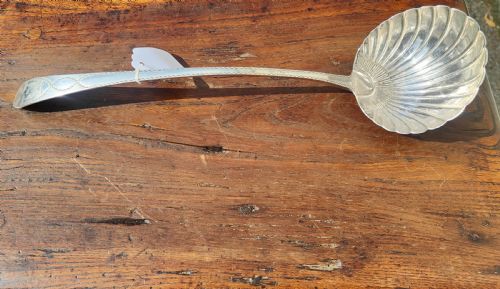
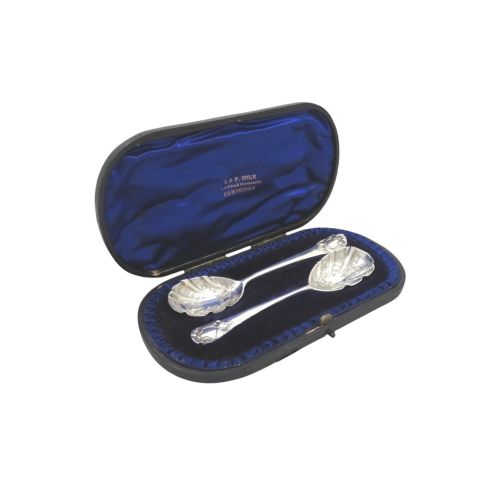
While many examples function as dishes and bowls, the broader category frequently incorporates spoons, ladles, and sugar tongs featuring distinct shell-shaped basins.
Materials and construction
Silversmiths utilised sterling silver and silver plate, often combining metalwork with interior silver gilt or pairing components with tortoiseshell, velvet, satin, and leatherette linings.
Forming the characteristic ribbed and fluted contours required disciplined hammering, chasing, and casting techniques executed by regional workshops in London, Sheffield, Birmingham, and Dublin.
Judging execution and finish
Quality rests upon the crispness of the fluting and the anatomical fidelity of the hinge or handle, distinguishing master silversmith output from mass-produced commercial stamping.
The gauge of the metal dictates structural integrity, separating substantial heavy pieces designed for functional service from lighter decorative novelties.
Martin Hall & Co·Goldsmiths & Silversmiths·WMF·Michael Smith·Tiffany & Co·Mappin & Webb·Garrard London·Robert Garrard·Atkin Brothers·William Devenport·Henry Hudson Plante
The Silver Shell Bowl Glossary
- Caddy spoon
- A short-handled spoon designed for measuring tea leaves from a canister, frequently formed with a shell bowl. These items became popular during the Georgian period.
- Silver gilt
- Silver that has been coated with a thin layer of gold on its surface. This technique provided a rich interior finish to salt cellars and bowls.
- Sifter spoon
- A pierced spoon used for dusting sugar over food. The bowl often takes a scalloped shell outline.
- Tortoiseshell
- The mottled brown and yellow shell of certain marine turtles, utilised extensively for backing lidded powder bowls and boxes with silver pique inlay.
- Onslow pattern
- A distinctive 18th-century flatware handle design featuring a scrolled terminal. It frequently accompanies shell-shaped bowls on ladles and spoons.
Silver Shell Bowl: Frequently Asked Questions
How were silver shell bowls used?
These vessels served various domestic functions ranging from holding loose tea and preserves to presenting bonbons, nuts, and powders at the dining or dressing table.
Smaller iterations functioned as specialised spoons or salt cellars, while larger formats acted as centrepieces or decorative dishes within formal room settings.
How do I date an antique silver bowl?
Dating relies heavily upon the stamped hallmarks found on the metal surface, which indicate the assay office, the reigning monarch or date letter, and the silversmith's mark.
Stylistic cues such as Georgian piercing, Victorian naturalism, or Art Nouveau linework provide secondary confirmation of the period of manufacture.
Are tortoiseshell and silver bowls fragile?
The combination of organic tortoiseshell and metal requires gentle handling and stable environmental conditions to prevent warping or splitting of the shell.
Displaying them away from direct sunlight and extreme humidity preserves both the structural integrity of the inlay and the polished finish of the silver.
What is the difference between sterling and plate?
Sterling silver denotes a high standard of solid metal composition, typically regulated at a specific millesimal fineness of pure silver content.
Silver plate involves a base metal core coated with a thin layer of silver, introduced widely in the 19th century as an accessible alternative.