

Silver Pocket Pill Box
These small silver pocket pill box examples span centuries of pocket-sized metalwork, offering portable containers intended for medicine, snuff and keepsakes.
Silver Pocket Pill Box
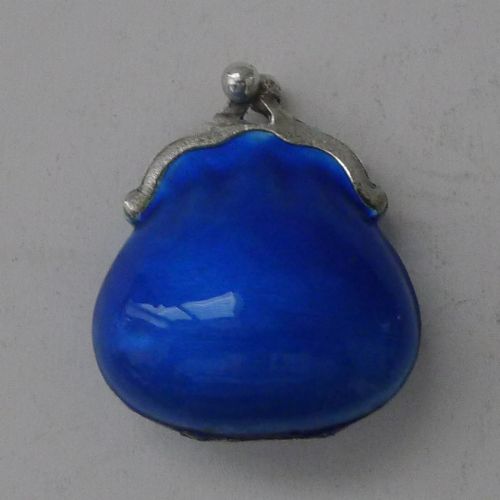
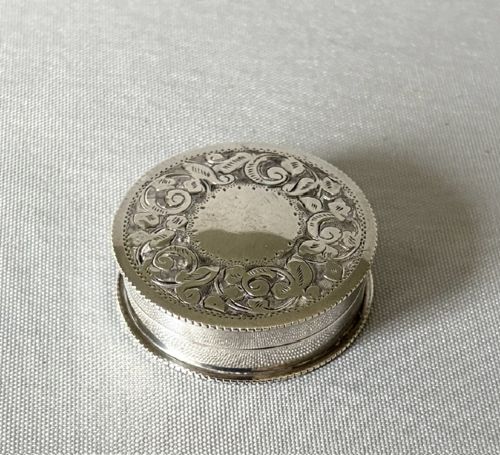
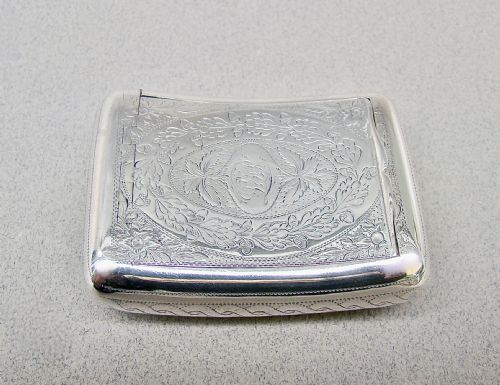
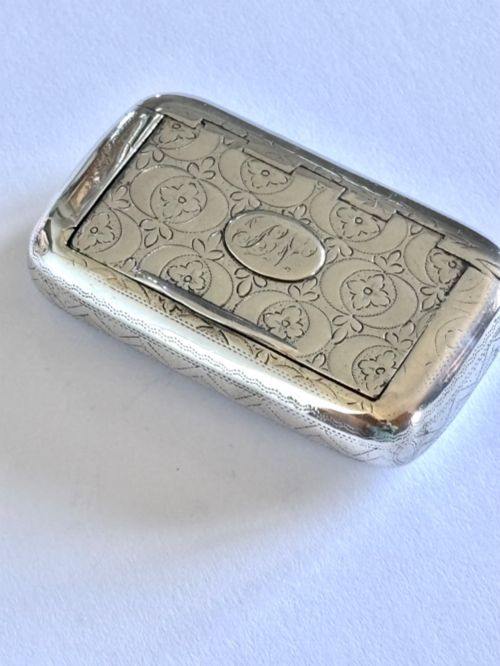
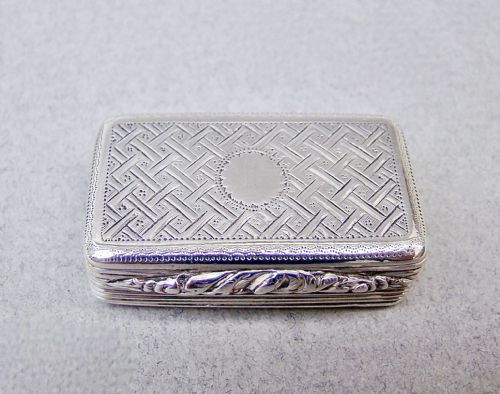
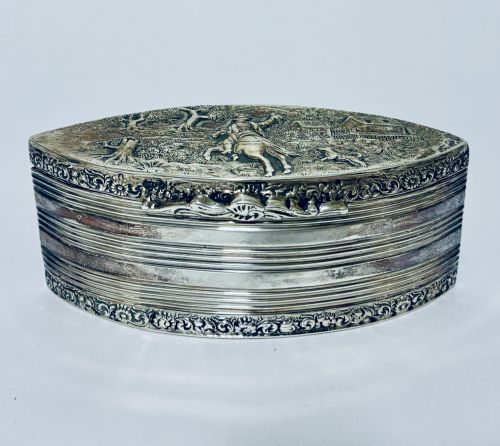
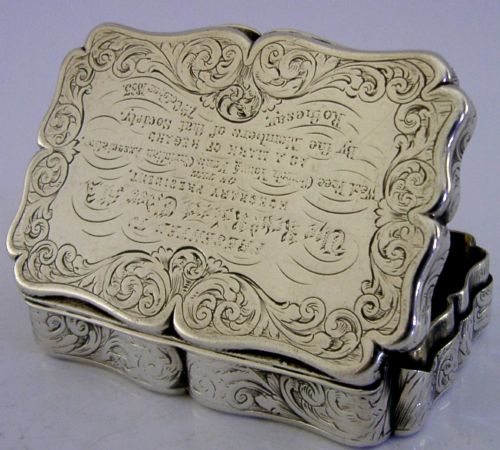
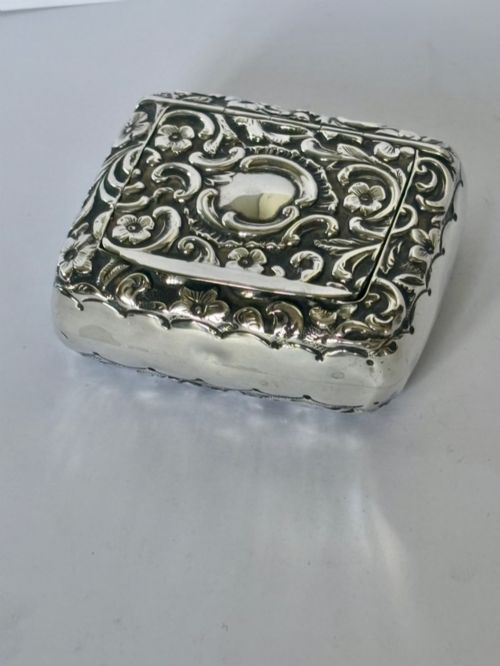
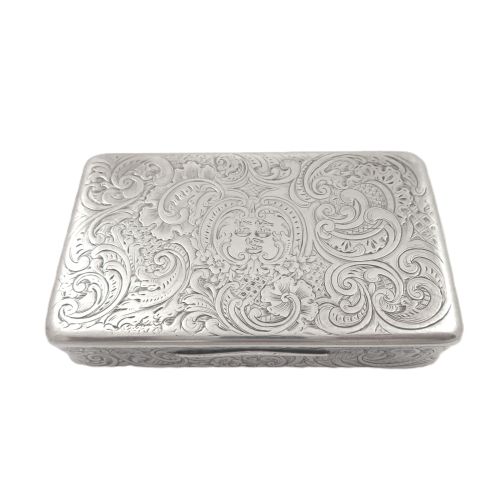
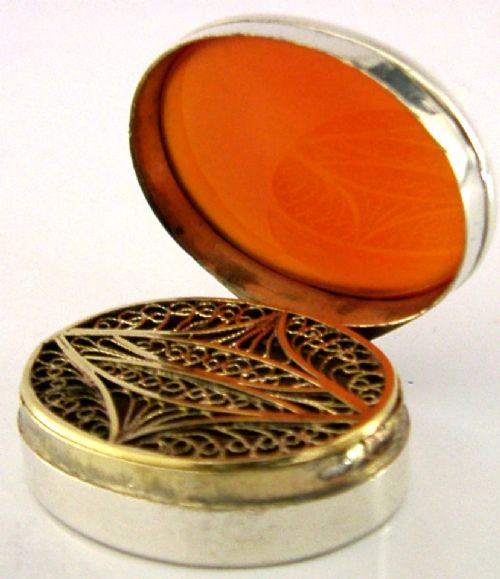
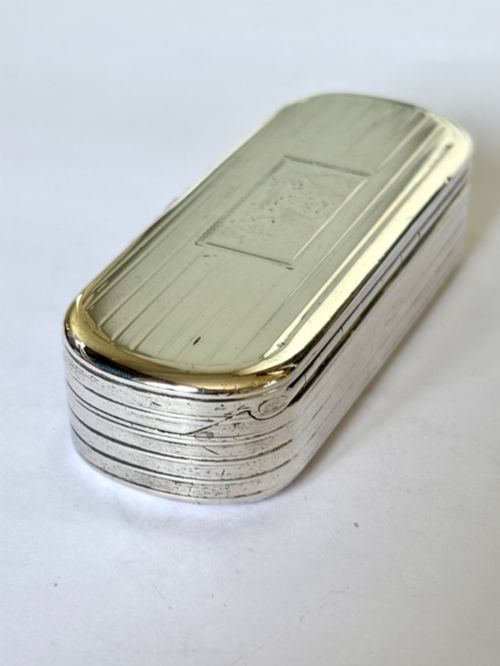
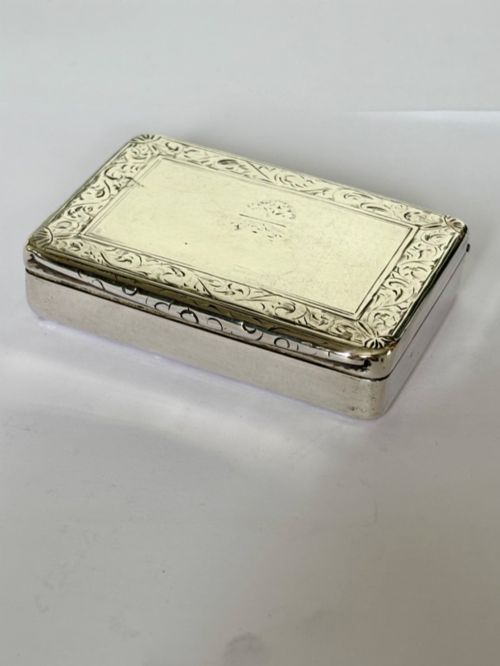
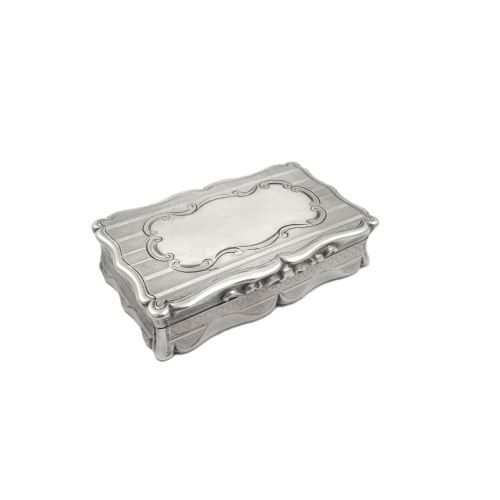
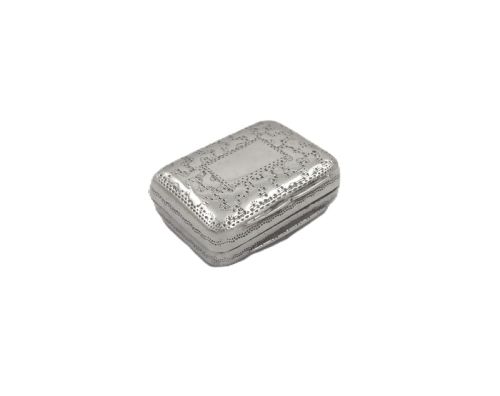
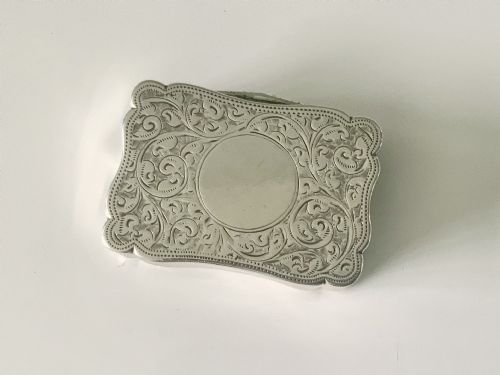
When you examine a silver pocket pill box, you are looking at small personal containers fashioned during the Georgian, Victorian, and Regency periods. The forms on this page include snuff boxes, vinaigrettes, combination pill boxes, and small pocket cases.
The versions you will most frequently encounter are sterling silver and silver gilt pocket pieces dating from the eighteenth and nineteenth centuries. These items reflect the personal accessories carried daily in waistcoats and pockets.
How they were made
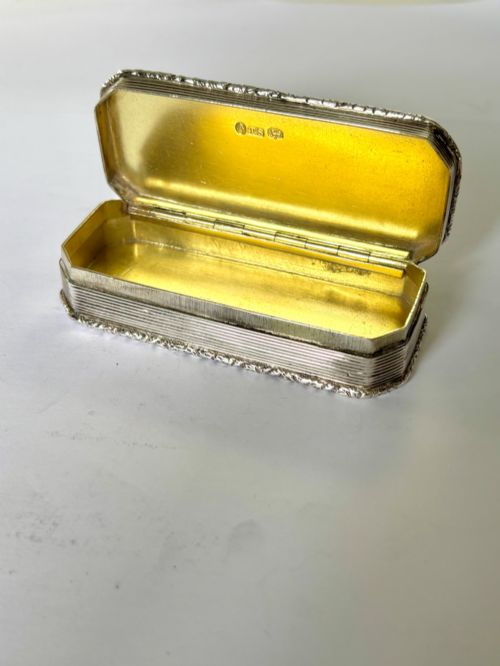
Makers shaped sterling silver and silver gilt using techniques such as bright-cut engraving, floral chasing, and casting to produce detailed exterior decoration. Interiors often received a gilt wash, known as vermeil, to protect the silver from corrosive contents.
Insets of orange agate, tortoiseshell, and shell appear alongside niello work, combining multiple materials into compact hinged constructions.
Silver Pocket Pill Box Retail Price Guide 2026
Typical asking prices for silver pocket pill box among the pieces listed under this phrase on Sellingantiques today, from the lower quarter to the upper quarter. They describe what is for sale here now, not the wider market.
Makers from Birmingham, London, Edinburgh, and Chester appear across the historical pocket containers.
What varies in quality
The standard of a silver pocket pill box rests upon the crispness of its chased or engraved decoration and the precision of the hinge work. Pieces featuring castle tops, figural scenes, or named regional makers demonstrate higher craftsmanship than plain utility containers.
Weight, gauge of metal, and the preservation of the interior gilt wash distinguish standard production items from master silversmith commissions.
Henry Matthews·Thomas Johnson·Robert Thornton·Thomas Shaw·Edward Smith·Joseph Willmore·Samuel Pemberton·William Eaton·Matthew Linwood·Joseph Ash
The Silver Pocket Pill Box Glossary
- Vinaigrette
- A small hinged box containing a perforated inner grille that held a sponge soaked in aromatic vinegar. These were carried to mask unpleasant odours or prevent fainting.
- Silver Gilt
- Sterling silver that has been coated with a thin layer of gold on its surface. This technique prevents the silver from tarnishing when in contact with medicinal powders or snuff.
- Bright-Cut Engraving
- A surface decoration technique utilising faceted angled cuts to reflect light from the metal. It creates crisp geometric or floral patterns popular on late eighteenth-century items.
- Niello
- A black metallic alloy used to fill engraved designs on silver. It provides a stark contrast against the polished metal background, common in nineteenth-century continental work.
- Castle Top
- A specialised style of box lid featuring a high-relief architectural engraving of a famous building or landmark. These pictorial lids represent desirable collector items.
Silver Pocket Pill Box: Frequently Asked Questions
What is a silver pocket pill box?
A silver pocket pill box is a small portable metal container designed to hold medicinal doses, lozenges, or snuff in a waistcoat pocket.
These pieces date primarily from the Georgian and Victorian eras, combining practical storage with intricate silversmithing.
How were vinaigrettes used?
Vinaigrettes held a small sponge soaked in scented vinegar behind an internal pierced grille.
Owners opened the lid to inhale the aromatic vapours when feeling faint or navigating foul-smelling streets.
How do I clean a silver pill box?
Silver pill boxes require gentle dusting with a soft cloth to preserve delicate engravings and gilt interiors.
Harsh dips or abrasive polishes should be avoided, especially on pieces with agate insets or niello work.
How can I date my silver box?
Dating relies on checking the hallmarks stamped on the metal, which indicate the assay office, standard, and date letter.
Stylistic clues such as bright-cut engraving or floral chasing also help narrow down the period of manufacture.