



Silver Plated Fruit Stand
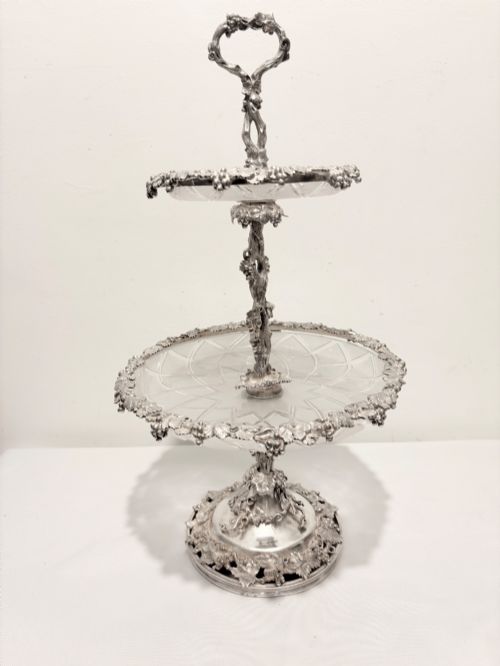
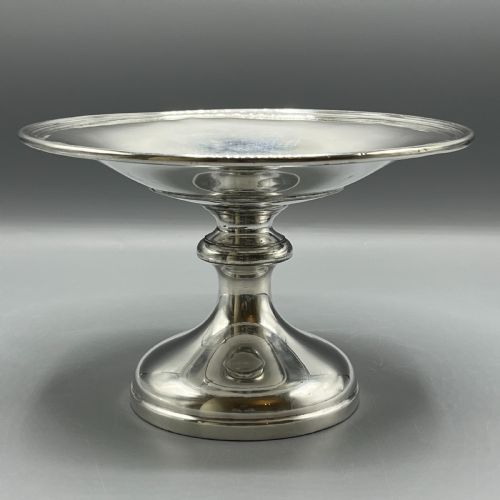
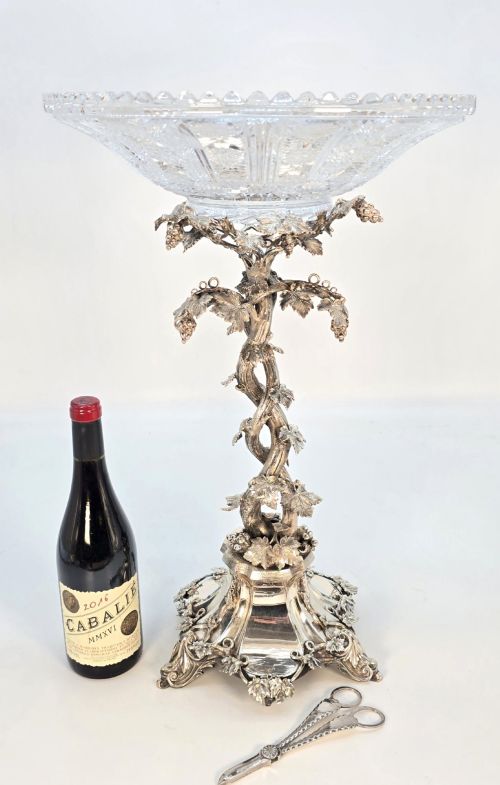
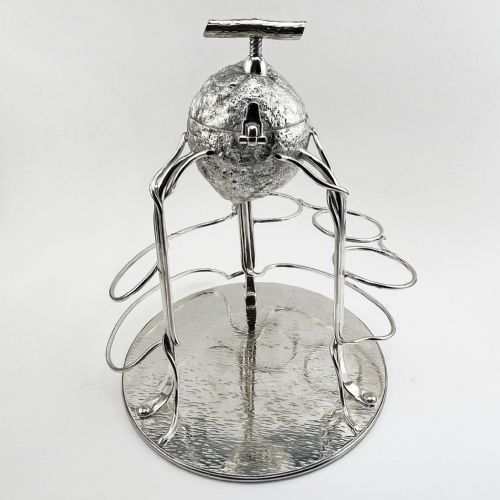
These silver plated fruit stand pieces bring centrepiece presence to the table, combining silver plate and cut glass.
Silver Plated Fruit Stand
A silver plated fruit stand serves as a table centrepiece, holding fruit or floral arrangements in dining rooms and parlours. These items emerge from the nineteenth and early twentieth centuries, spanning Victorian, Edwardian, and Art Nouveau periods.
The most common forms on this page include table centrepieces, épergnes, presentation bowls, and decorative baskets. Makers combined silver plate with cut glass, cut crystal, or opaline glass to create striking display vessels.
How they were made
Silversmiths applied silver plate or Old Sheffield Plate over base metals, often mounting the framework on wooden or metal pedestals. Many pieces incorporate blown glass that was subsequently cut, etched, or moulded to fit the metal stands.
Manufacturers utilised specialised techniques for figural mounts and organic Art Nouveau framing, securing glass bowls within intricate silver plated baskets and stands.
Silver Plated Fruit Stand Retail Price Guide 2026
Typical asking prices for silver plated fruit stand among the pieces listed under this phrase on Sellingantiques today, from the lower quarter to the upper quarter. They describe what is for sale here now, not the wider market.
Sailors and princes make an unexpected joint appearance in the grand nautical centrepieces.
What varies in quality
Quality rests in the crispness of the metalwork, the weight of the silver plate, and the clarity of the cut crystal or glass. Pieces featuring complex figural elements or integrated glass liners demonstrate higher craftsmanship.
The distinction between standard production items and premier workshop examples lies in the depth of etching, the stability of the pedestal mounts, and the preservation of the original plating.
Hukin & Heath·Walker & Hall·WMF·James Deakin·Christofle et Cie·James Dixon
The Silver Plated Fruit Stand Glossary
- Silver Plate
- A thin layer of silver bonded to a base metal core. This technique allowed makers to produce large decorative items at a lower cost than solid silver.
- Épergne
- A large table centrepiece featuring a central bowl surrounded by multiple smaller hanging baskets or dishes. These pieces dominated formal dining tables during the Victorian era.
- Old Sheffield Plate
- An early method of fusing a sheet of silver to a copper core before rolling and shaping. This process produced distinct edge lines visible on older items.
- Cut Glass
- Glass decorated by cutting facets or patterns into the surface using a wheel. Deeper cuts provide greater refraction and weight.
- Opaline Glass
- An opaque or translucent pale glass popular in the nineteenth century. It provides a soft background for fruit displays.
Silver Plated Fruit Stand: Frequently Asked Questions
How do I clean a silver plated fruit stand?
Wash the glass inserts gently in warm soapy water and dry them thoroughly with a soft cloth. Use a specialist silver polish sparingly on the plated metal to preserve the finish.
Avoid harsh abrasives or soaking the metal parts for extended periods, as this can damage the underlying plating and delicate mounts.
Can I use these stands for actual fruit?
These vessels were designed for dining table presentation, making them suitable for displaying fresh fruit or floral arrangements. Ensure that acidic fruits are not left in direct contact with the metal for long periods.
Using glass liners protects the silver plate from moisture and sticky residues, keeping the interior clean and well maintained.
How do I date a Victorian centrepiece?
Examine the style of the metalwork, manufacturer marks, and the accompanying glass type to determine the period. Victorian pieces often display robust floral motifs or aesthetic movement patterns.
Comparing the manufacturing technique against known factory timelines helps narrow down the production decade between the mid nineteenth and early twentieth centuries.
What is the difference between an épergne and a bowl?
An épergne incorporates multiple suspended arms and detachable baskets radiating from a central pillar. A standard fruit bowl sits directly on a pedestal or base without extra hanging tiers.
Both forms served as formal table centrepieces, but épergnes allowed for complex multi level arrangements of fruit, sweets, or flowers.