



Silver Plated Breakfast Rack
A silver plated breakfast rack brings morning table service together, holding toast or eggs in orderly fashion.
Silver Plated Breakfast Rack
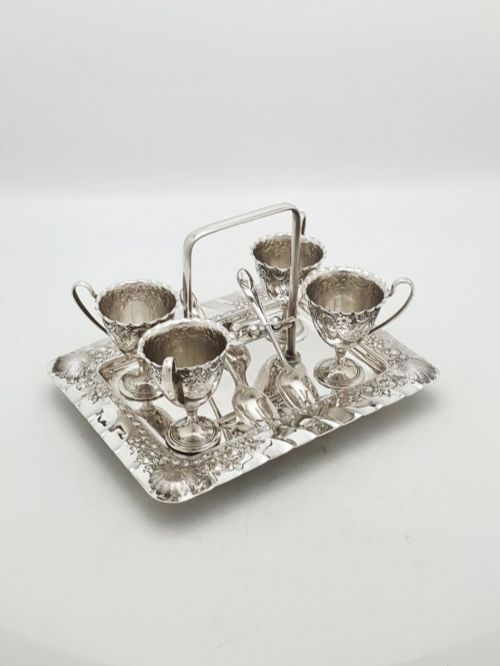
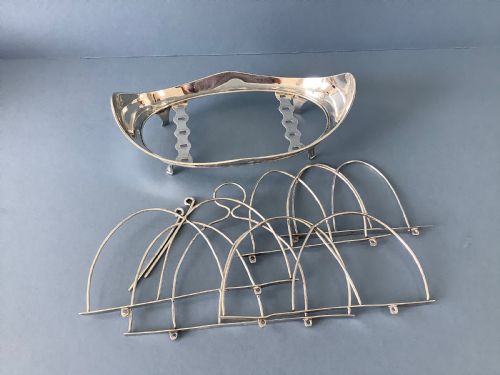
A silver plated breakfast rack is a functional tableware piece designed to hold toast, eggs, or breakfast accessories neatly on the dining table. When searching for a silver plated breakfast rack, buyers encounter domestic serveware originating from periods including the Georgian, Victorian, Edwardian, and 1930 eras.
The most common forms on this page include toast racks, egg cruet sets, and breakfast sets combining both functions. Materials span silver plate, electroplated nickel silver, base metal, and occasionally oak accents.
Styles range from straightforward Victorian and Edwardian iterations to Aesthetic Movement designs, Art Deco pieces, and novelty pieces shaped like wagons or caravans.
How they were made
Construction relies primarily on base metals or nickel silver coated with a layer of silver plating, often using electroplating techniques developed during the nineteenth century. Makers shaped wire and plate metal into arches or dividers to hold pieces of toast upright.
Some multi-piece breakfast sets incorporate turned oak bases fitted with silver plated frames to hold eggs and toast simultaneously. Detail work includes embossed patterns, trefoil wire shapes, and registration markings stamped into the metal.
Early morning toast found a formidable protector in the novelty wagon rack, ensuring breakfast arrived with wheels attached.
What varies in quality
Quality in these breakfast items rests on the integrity of the silver plating over the underlying base metal and the crispness of any applied decoration or maker marks. Pieces attributed to notable designers or established firms demonstrate superior balance and heavier gauge wire construction.
Unusual structural forms, such as novelty shapes or combined egg cruet sets incorporating oak, separate standard domestic wares from more ambitious workshop productions.
Elkington·Hukin and Heath·Christopher Dresser
The Silver Plated Breakfast Rack Glossary
- Silver Plate
- A thin layer of silver bonded to a base metal core such as copper, brass, or nickel silver. This technique allowed makers to produce tableware with the appearance of solid silver at a lower cost.
- Electroplated Nickel Silver
- A copper, nickel, and zinc alloy coated with silver through an electrolytic process. It served as a durable foundation for Victorian and Edwardian domestic items.
- Egg Cruet Set
- A matched table service arrangement holding boiled eggs alongside condiment containers, spoons, and frequently a central toast rack. These sets sat at the centre of formal morning meals.
- Trefoil
- A three-lobed decorative shape often seen in the wirework frames of Victorian metalware. It provided both structural rigidity and a distinct aesthetic pattern.
- Novelty Toast Rack
- A breakfast rack formed in a whimsical or pictorial shape, such as a wagon or caravan. These conversation pieces reflect the playful design interests of the nineteenth century.
Silver Plated Breakfast Rack: Frequently Asked Questions
What is a silver plated breakfast rack used for?
These pieces hold slices of toast upright on the dining table, allowing air circulation to keep the toast crisp rather than soggy.
They appear alongside breakfast sets and egg cruets designed to organise morning meals efficiently.
How do I identify a Victorian breakfast rack?
Victorian examples often feature heavy silver plating over nickel silver, sometimes accompanied by registration marks stamped into the metal.
Design styles range from simple wire arches to elaborate trefoil shapes and novelty forms.
What materials are used in these breakfast sets?
The primary materials are silver plate and electroplated nickel silver supported by base metal frameworks.
Some breakfast cruet sets also incorporate turned oak bases alongside metal framework.
Are Edwardian breakfast racks different from Georgian ones?
Edwardian pieces tend to feature lighter wirework and embossed decoration typical of the early twentieth century.
Georgian examples reflect earlier domestic dining customs through simpler, utilitarian forms.
How should I clean silver plated tableware?
Clean silver plate gently using a dedicated silver cloth or mild cleaning agents suited to plated surfaces.
Avoid harsh abrasives that can wear away the thin silver layer over the base metal.