


Silver Plated Brass Light
These silver plated brass light pieces bring period illumination to a room, offering the warmth of metalwork combined with durable silver plating.
Silver Plated Brass Light
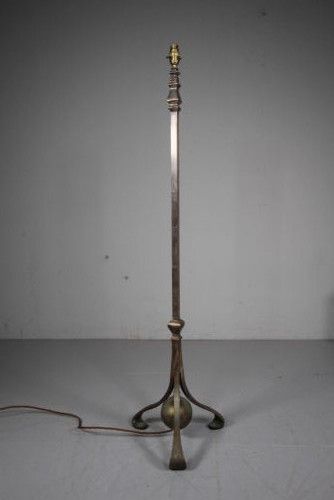
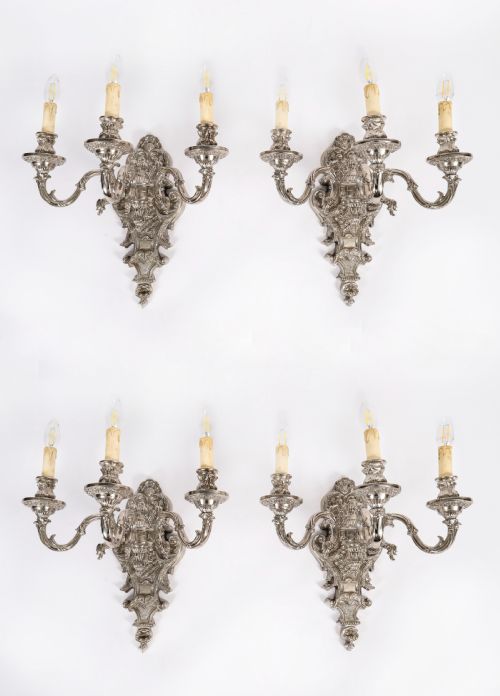
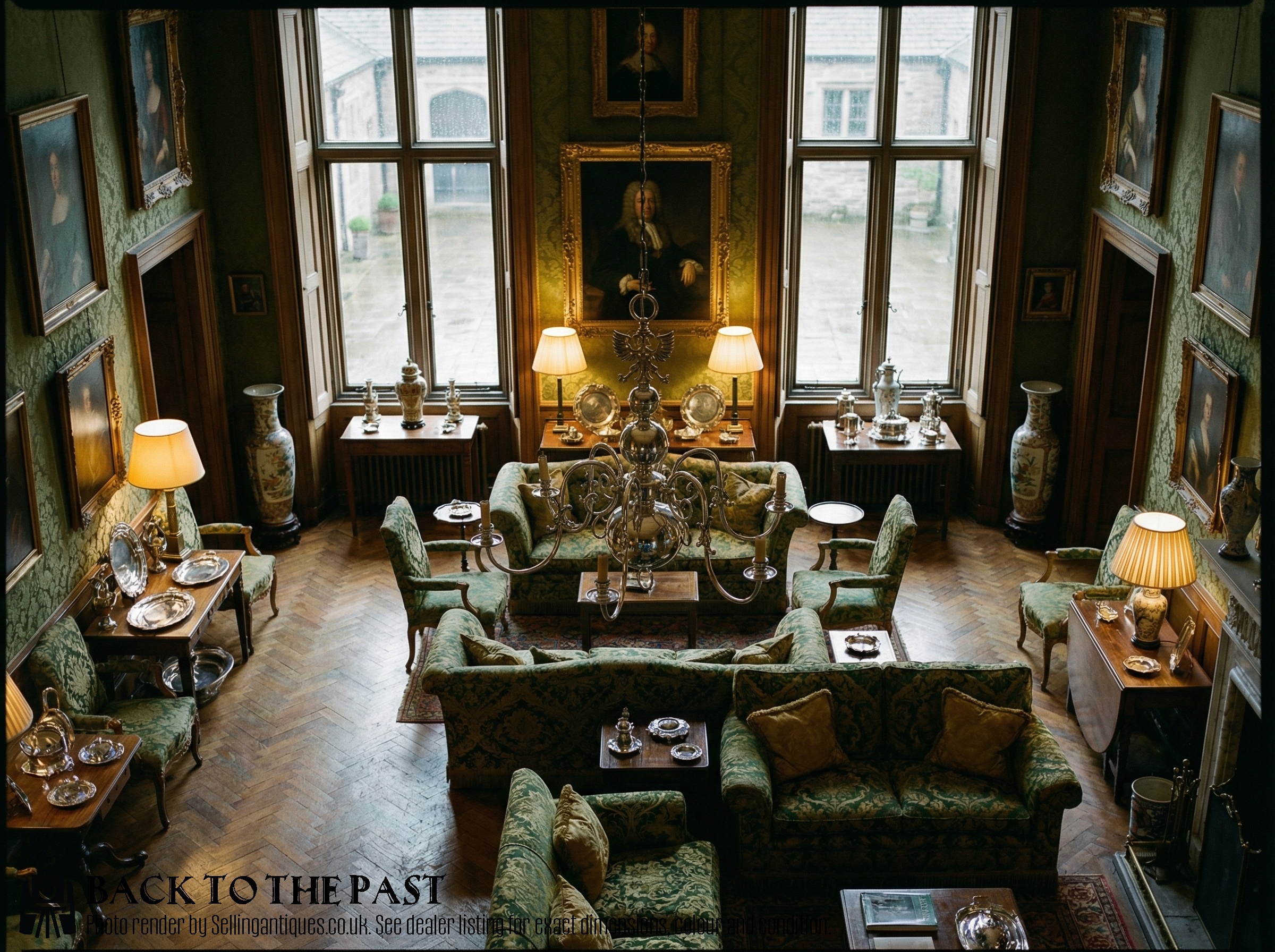
A silver plated brass light spans a variety of domestic forms from the Victorian and Edwardian periods, including floor lamps, table lamps, and multi-armed chandeliers. Buyers searching for a silver plated brass light encounter items designed for practical illumination as well as decorative statement pieces.
Materials and construction methods
The underlying structure relies primarily on brass, metal, and copper, which provides a rigid and durable armature for each fitting. Artisans then applied silver plate or nickel plate to the base metal surfaces to achieve a bright, reflective finish.
Certain items incorporate additional components such as fabric shades, satin glass reservoirs, or specialised gimbal mechanisms. These mixed materials were assembled to create functional lighting suited for domestic interiors or maritime use.
Listings feature items spanning the Georgian, Victorian, and Edwardian periods, utilising brass, copper, nickel, and silver plate.
Distinctions in manufacture and design
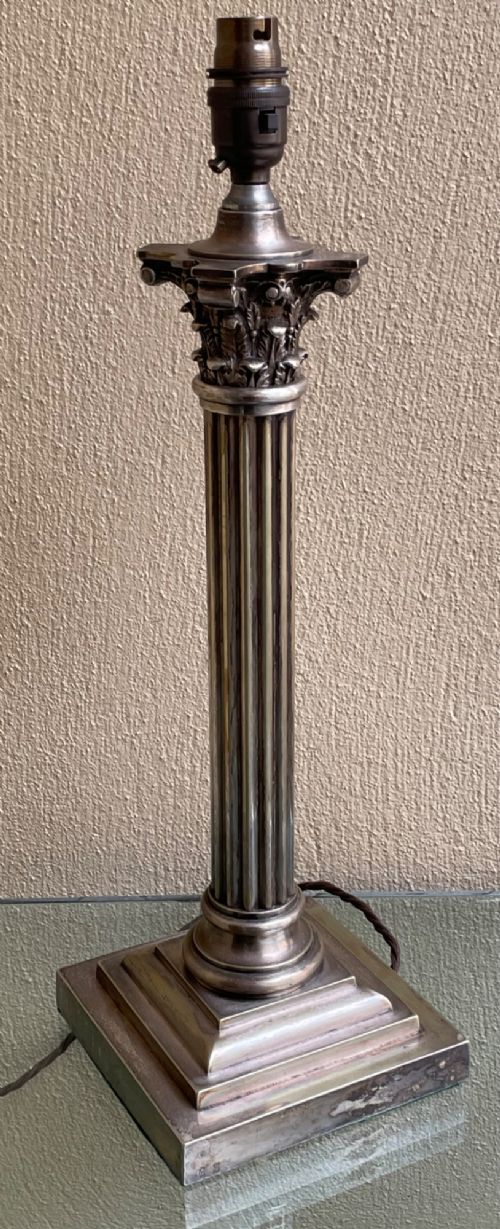
Quality in these lighting pieces depends on the precision of the metal casting and the integrity of the original plating layer. Fine examples display crisp architectural details, such as fluted columns or balanced multi-armed frames.
Makers' marks, stamped initials, or attribution to known makers such as Veritas Lamp Works elevate an item's standing. The complexity of the mechanism, such as adjustable height stems or gimbal mounts, also distinguishes standard production from superior output.
Veritas Lamp Works
The Silver Plated Brass Light Glossary
- Silver Plate
- A thin layer of silver bonded to a base metal such as brass or copper. This technique offered the aesthetic appeal of solid silver at a more accessible cost during the nineteenth and early twentieth centuries.
- Gimbal
- A pivoted ring mounting that allows a lamp or compass to remain horizontal despite the motion of a ship. These fixtures are frequently found in maritime lighting from the Edwardian era.
- Peg Oil Lamp
- A font designed to fit into the socket of a candlestick or base. They often feature glass reservoirs paired with silver plated metal stems.
- Old Sheffield Plate
- An early form of plating created by fusing a sheet of silver to a copper ingot before rolling them into sheets. This method preceded modern electroplating.
- Chamberstick
- A short candlestick fitted with a pan to catch dripping wax and a handle for carrying through a house. They were essential for lighting bedrooms before electric wiring.
Silver Plated Brass Light: Frequently Asked Questions
How do I date a silver plated light?
Dating relies on stylistic clues, manufacturing techniques, and any stamped maker marks found on the metal body. Victorian and Edwardian examples often feature distinct period revival styles or structural patents.
Examining the construction of the fittings, wiring apertures, and the method of silver application helps narrow down the decade of production.
Were these lamps originally electrified?
Many early pieces began as oil lamps, gas fixtures, or candle holders before being converted for modern electricity. Floor lamps, chandeliers, and table lamps frequently show evidence of adaptation from earlier fuel sources.
Rewired examples retain their vintage metalwork while meeting contemporary electrical safety standards for domestic use.
What is a ship's gimbal light?
A ship's gimbal light uses concentric pivoting rings to keep the lamp level while a vessel rolls at sea. These utilitarian fixtures were built with sturdy brass and nickel plated components to withstand maritime environments.
Collectors prize them for their mechanical ingenuity and distinct industrial aesthetic.
How should I clean silver plated brass?
Maintenance requires gentle cleaning with a soft cloth to preserve the thin metallic coating over the brass base. Avoid harsh abrasive polishes that can wear away the silver layer entirely.
Regular dusting and non-abrasive metal care will maintain the reflective surface without damaging antique finishes.