


Silver Brass Pendant Light
These silver brass pendant light selections bring together period metalwork and glass to illuminate a room with genuine antique character.
Silver Brass Pendant Light
A silver brass pendant light covers suspended ceiling fixtures that combine brass structures with silver finishes, alongside related forms like lanterns, chandeliers, and ceiling lights. These pieces span periods from the Victorian era and Edwardian times through to 1930s designs.
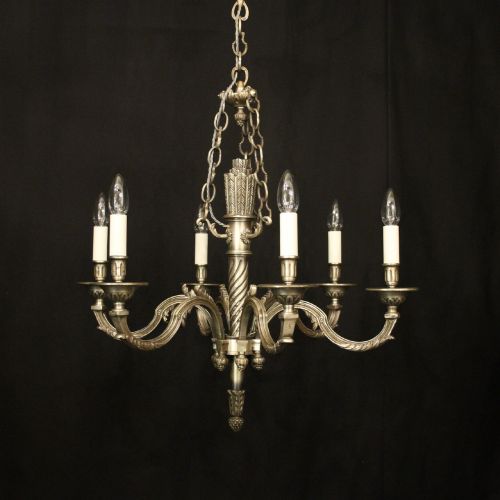
French styles heavily influence the selection, featuring French Chateau, French Neoclassical, and French Rococo aesthetics alongside English Edwardian and Victorian works. Buyers encounter items ranging from multi-armed chandeliers to large hanging lanterns and glass pendant lights.
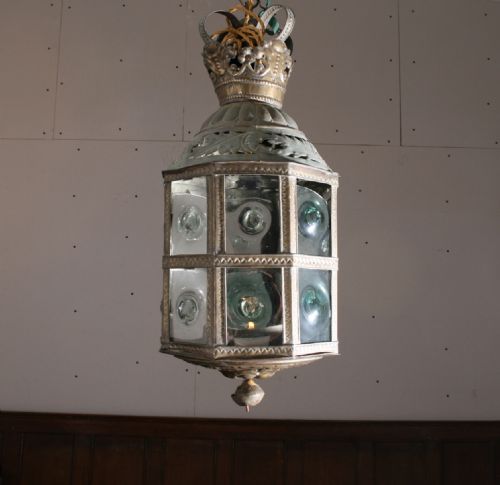
The objects serve as overhead illumination for living spaces, hallways, and dining rooms, incorporating materials such as cut glass, mercury glass, and hand-blown bull's eye glass into the suspended frame.
Materials and construction
The construction relies heavily on combinations of brass, steel, and bronze, often enhanced through silver plating or silver gilding to create a dual-tone metallic surface. Workshops utilised cast and forged metal elements to build the structural frames for lanterns and chandeliers.
Glass components form a vital part of the manufacture, employing hand-blown bull's eye glass, cut glass, and mercury mirrored glass panels that diffuse the light from internal candle fittings or electrical conversions.
Some lanterns feature bull's eye glass originally designed to let a single candle throw distorted, dramatic patterns across the hallway walls.
Distinctions in quality
Quality rests in the heaviness of the metal casting and the crispness of the chased or moulded detail on the brass and bronze frames. Superior examples display substantial gauge metal rather than thin pressed sheeting.
The integrity and origin of the glass elements dictate the tier of the piece, with hand-blown panes and original mercury mirrored glass commanding greater appreciation than later replacements.
The Silver Brass Pendant Light Glossary
- Mercury glass
- A double-walled blown glass object coated on the inside with a silvering mixture to create a reflective mirror effect. It gained popularity during the nineteenth century for decorative lighting.
- Bull's eye glass
- A round pane of glass featuring a central thick circular protrusion, formed from the centre of a blown glass disc. It creates distorted, patterned refractions when used in lantern doors.
- Silver gilding
- The application of thin silver leaf or powder onto a base metal or bronze substrate to achieve a lustrous silver appearance over a warm metal foundation.
- Chandelier
- A branched, suspended lighting fixture designed to hold multiple light sources, whether configured for candles or wired for electricity in later periods.
Silver Brass Pendant Light: Frequently Asked Questions
How do I hang a heavy brass lantern?
Hanging a substantial metal lantern requires fixing directly into ceiling joists or using a suitable weight-bearing ceiling rose to support the combined mass of the brass, steel, and glass.
Professional installation ensures the electrical wiring safely manages the multi-light capacity of these period fixtures.
Can these antique lights use modern bulbs?
Most period fixtures can accommodate modern LED bulbs providing the lamp holders match standard domestic fittings and the internal wiring has been checked by a qualified electrician.
Lower wattage bulbs help protect delicate antique glass and silver-plated surfaces from excessive heat.
How should I clean silver-plated brass?
Cleaning requires a soft microfibre cloth and a gentle, non-abrasive metal cleaner formulated specifically for silver plate or brass to avoid stripping the finish.
Avoid harsh chemical dips that can damage the underlying metal or discolour historical patination.
What rooms suit a large French chandelier?
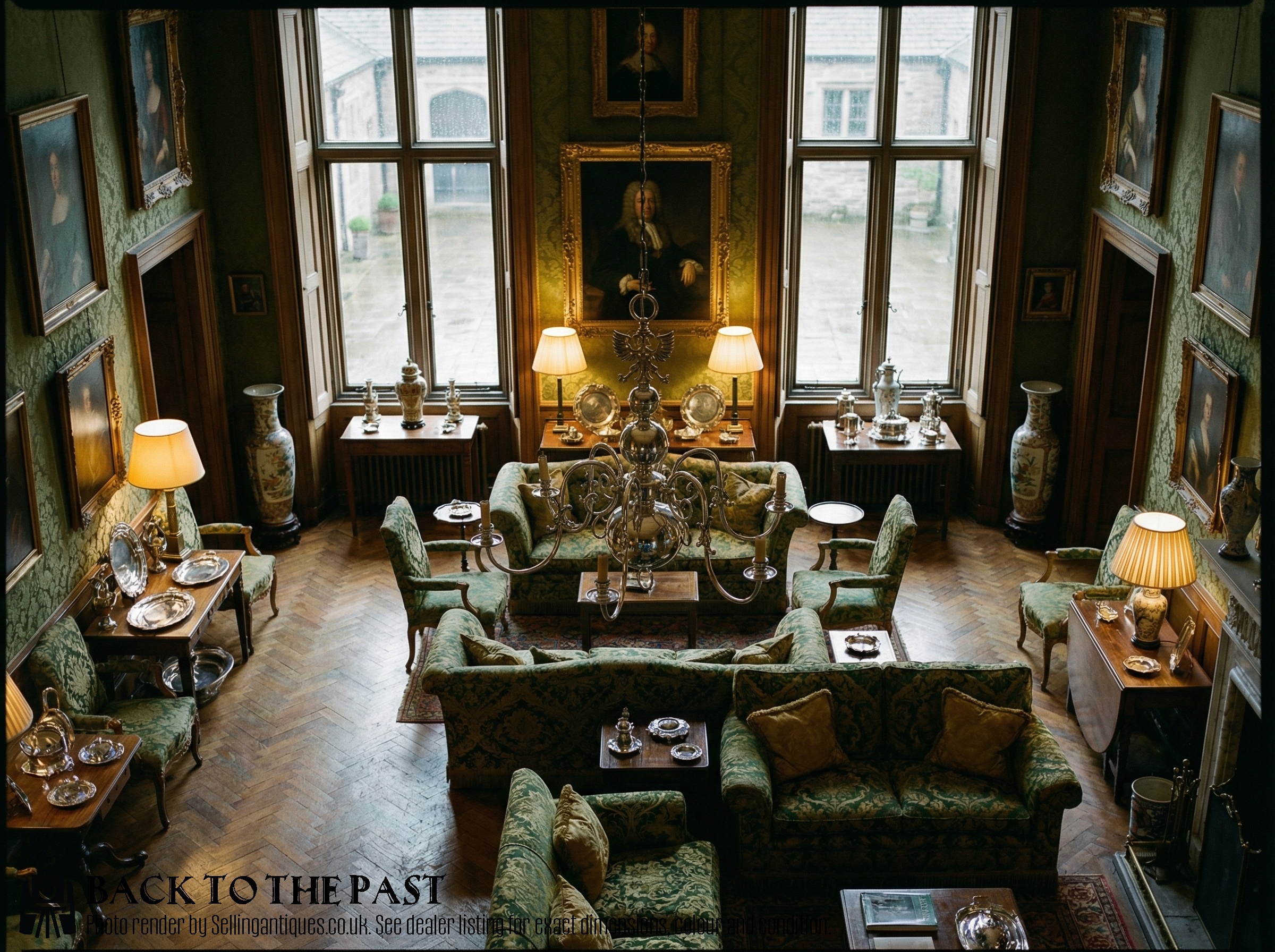
Large chandeliers with multiple arms suit rooms with high ceilings, such as principal reception rooms, grand hallways, or spacious dining areas where the scale can be fully appreciated.
Dropping the fixture to the correct height above furniture creates a balanced focal point in the interior.