





Traditional Dutch Light Fixture
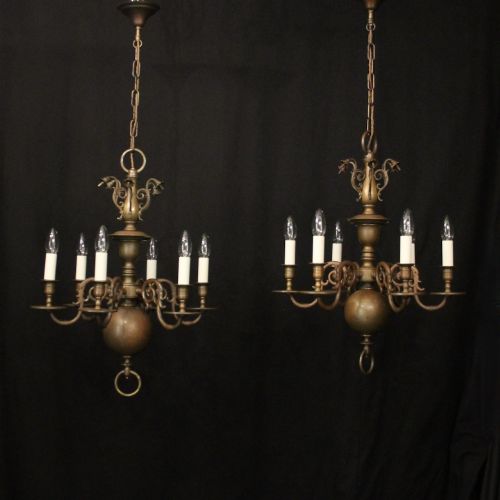
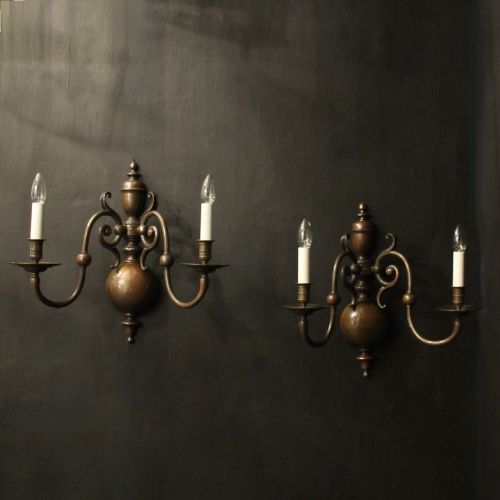
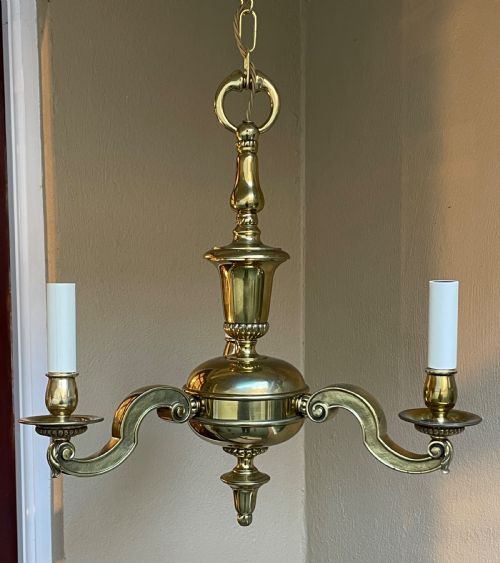
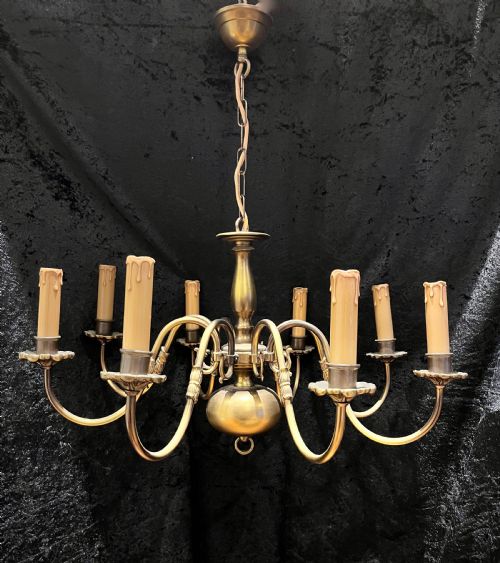
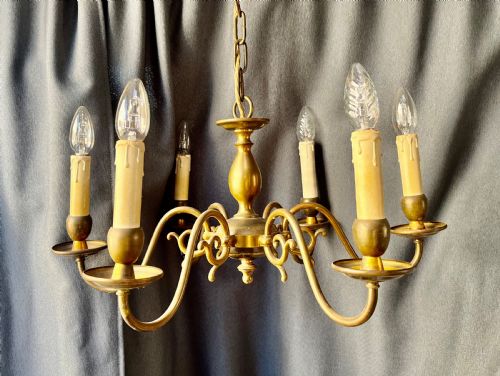
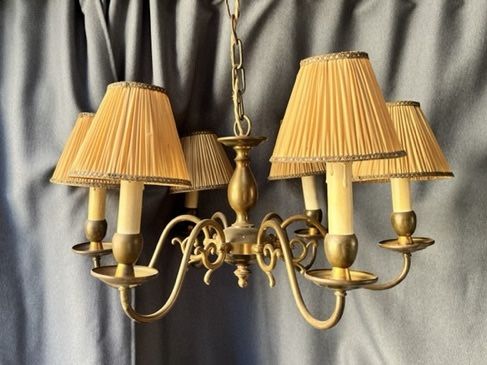
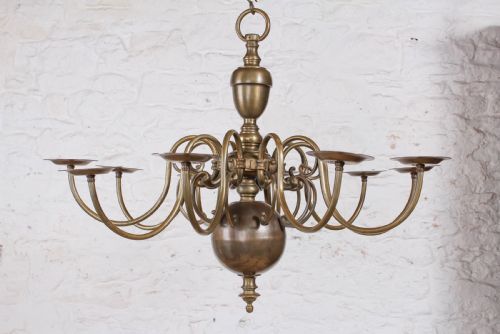
These traditional dutch light fixture examples are period chandeliers and wall lights built from brass, bronze and copper, offering genuine historical lighting for historic interiors.
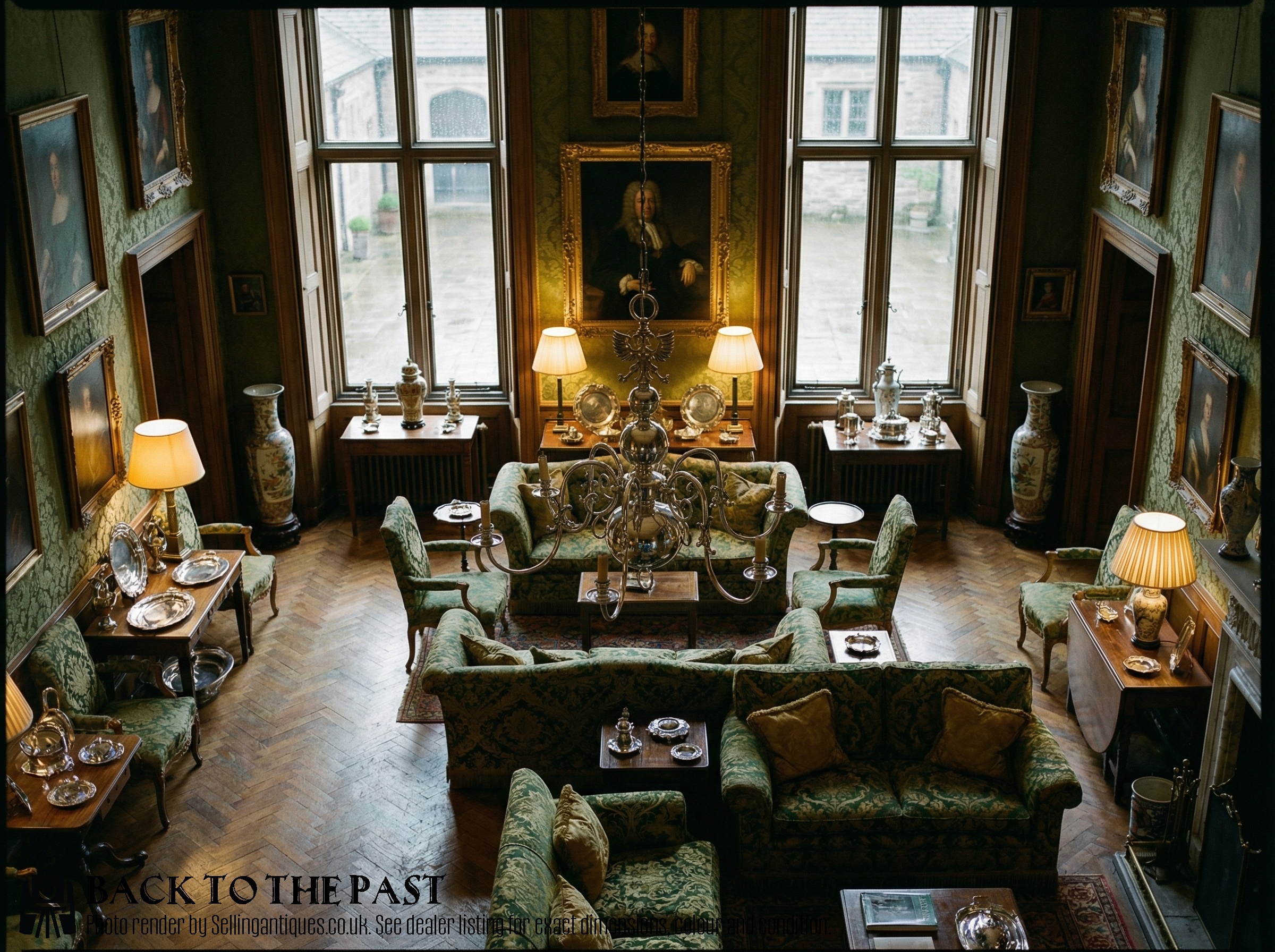
Traditional Dutch Light Fixture
When searching for a traditional dutch light fixture, buyers encounter period chandeliers and wall lights originating across the nineteenth and twentieth centuries. The selection includes multi-armed fixtures referencing Dutch Baroque, Flemish Renaissance, and Victorian styles.
Most examples found here date from the Edwardian era through the nineteen-thirties, constructed as heavy brass or bronze ceiling pendants and wall-mounted brackets. These pieces carry multi-branch arrangements ranging from three to twelve lights.
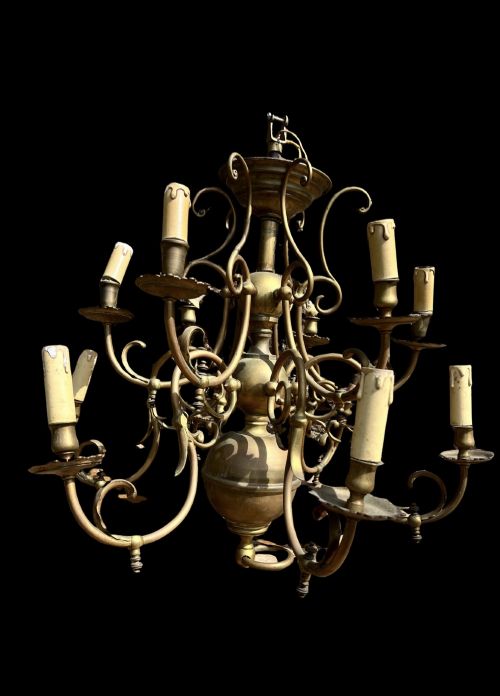
Forms span large two-tier chandeliers with scroll arms down to smaller six-light pendants and single pair wall lights. English and Flemish interpretations frequently cross paths with Dutch revival designs in this group.
How they were made
Metalworking defines the construction of these fixtures, relying heavily on solid brass, cast brass, bronze, and copper components. Makers formed multi-armed chandeliers using cast and turned elements joined together to support multiple candle-style or electrified branches.
Selected examples incorporate silver plating over brass foundations, alongside glass elements and occasional fabric components. Surface finishes developed through traditional foundry techniques, leaving honest metal textures and aged patinas across the arms and central stems.
Some heavy twelve-branch brass chandeliers require an entire weekend just to polish every single scroll arm.
What varies in quality
Quality rests on the weight of the metal casting and the complexity of the arm configuration, distinguishing simple two-branch brackets from monumental twelve-branch two-tier chandeliers. Finer examples display crisp detail in the cast brass components and harmonious proportions across the scroll arms.
The integrity of the original construction, including the stability of the central stem and the matching nature of the arms, separates standard production from superior pieces. Material choice also plays a role, with solid brass and heavy bronze commanding greater substance than lighter plated alternatives.
The Traditional Dutch Light Fixture Glossary
- Chandelier
- A branched ornamental light fixture suspended from the ceiling. These pieces hold anywhere from three to twelve arms.
- Gasoliere
- A lighting fixture originally designed to burn coal gas before being converted to electricity. These date back to the mid nineteenth century.
- Scroll arm
- A curved, ornamental metal branch extending from the central stem of a light fixture. They direct the candle-holders or lamp holders outward.
- Pendant chandelier
- A hanging light fixture suspended by a single chain or rod from the ceiling rose. This term covers standard single-tier hanging lights in this collection.
- Two tier
- A chandelier structure featuring arms arranged on two distinct vertical levels. Large examples utilise this layout to hold twelve branches.
Traditional Dutch Light Fixture: Frequently Asked Questions
How do I clean an antique brass chandelier?
Dust the metal gently with a soft, dry cloth to prevent accumulation without disturbing the historic surface. Avoid harsh chemical polishes that strip away the aged patina built up over decades.
Check that the fixture is securely isolated from the mains power supply before undertaking any maintenance work near the wiring or bulb holders.
Are these light fixtures wired for modern use?
Many period fixtures arrive with modern electrical wiring or require professional rewiring to meet current safety standards. A qualified electrician should inspect and adapt the internal channels before installation.
Original gas fixtures often carry later conversions to electricity, blending historical metalwork with modern lamp fittings.
How do I distinguish Dutch revival from earlier styles?
Revival pieces from the early twentieth century recreate seventeenth and eighteenth-century Flemish and Dutch Baroque forms using contemporary casting methods. Look at the uniformity of the brass components and fixing screws for clues to the actual date.
Earlier nineteenth-century examples often display simpler Victorian or transitional gasoliere construction methods.