





Dutch Style Chandelier
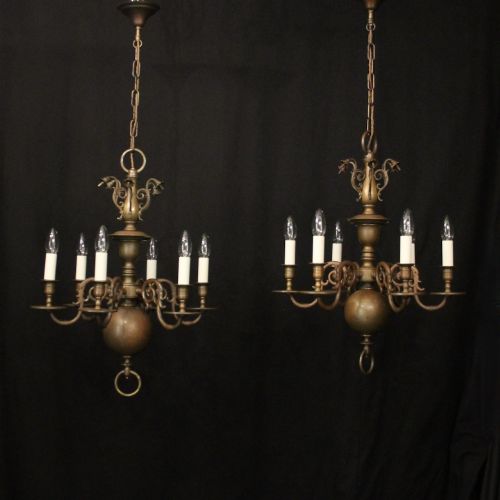
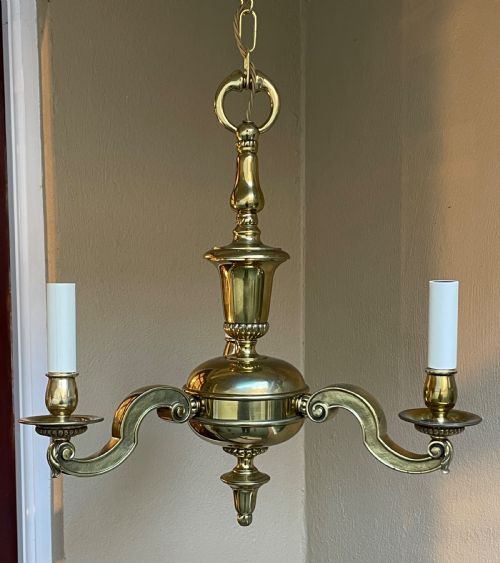
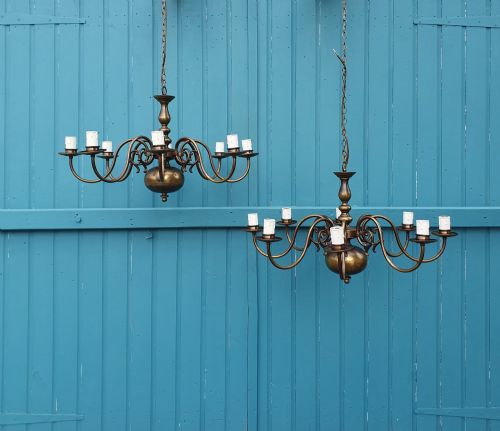
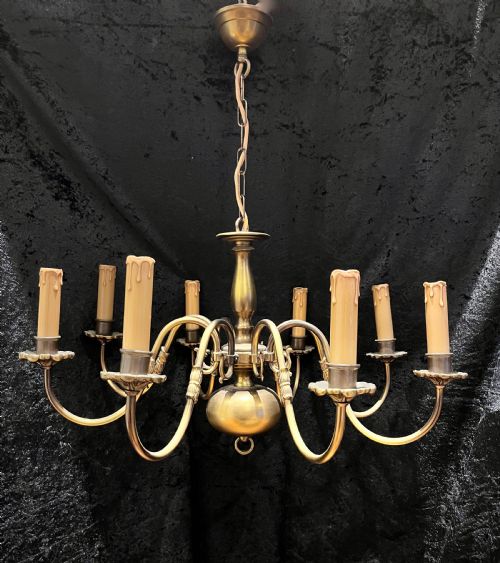
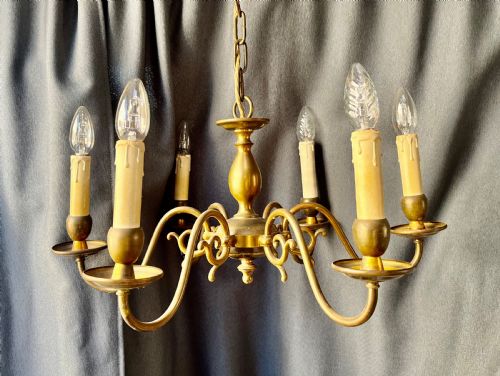
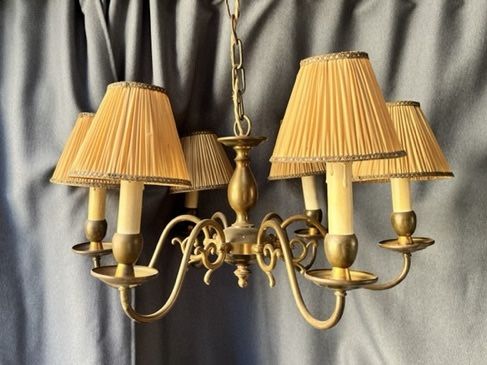
These heavy brass and bronze pieces bring the character of a Dutch style chandelier to high-ceilinged rooms.
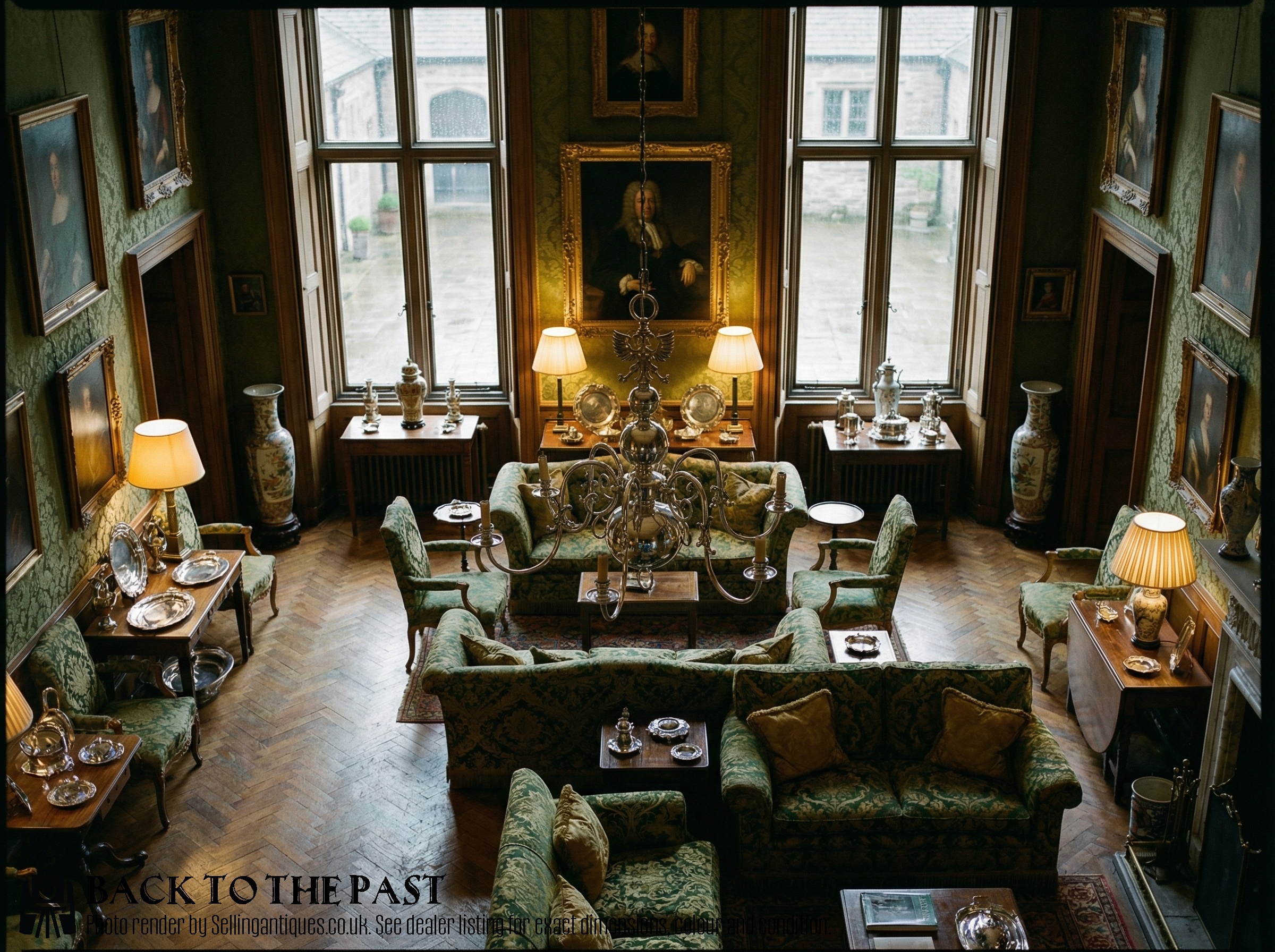
Dutch Style Chandelier
When you search for a dutch style chandelier, you encounter substantial metal light fixtures rooted in 18th century and 19th century design traditions. The pieces on this page span Edwardian revivals and early 20th century interpretations alongside authentic 18th century examples.
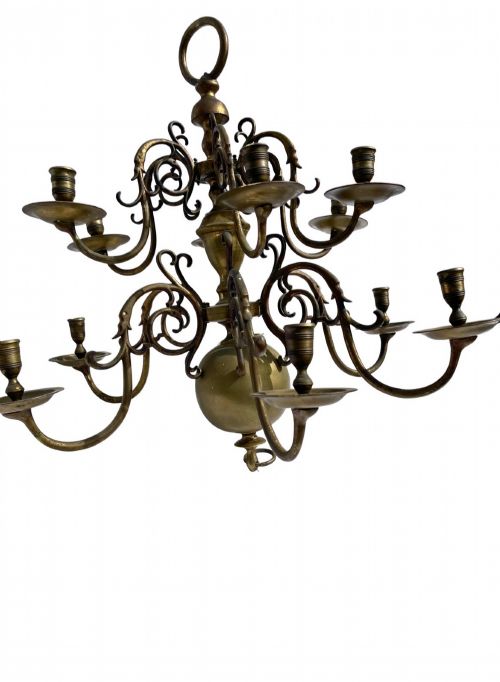
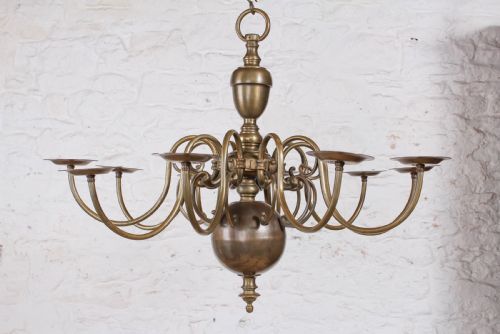
Most items you meet here are cast or solid brass, often featuring multiple scrolled arms arranged across single or double tiers. These designs draw directly upon Dutch Baroque, Flemish Renaissance, and Georgian lighting forms found in historic interiors.
How they were made
The construction relies heavily on cast brass, solid brass, and bronze components shaped into sweeping scroll arms and central baluster stems. Artisans utilised traditional metalworking techniques to produce multi-branched frames, occasionally incorporating copper elements or silver plating.
Engraved decoration often adorns the central body or drip pans of the heavier fixtures, while surface finishes range from bright polished metal to patinated antique bronze.
Some multi-tier heavy brass fixtures possess enough metal mass to require structural ceiling reinforcement before hanging.
What varies in quality
The distinction between ordinary and exceptional pieces lies in the weight and crispness of the casting. Better examples display deeply chased scrollwork, well-proportioned multi-tier arrangements, and harmonious arm counts reaching up to twelve branches.
Simpler models offer fewer branches and plainer stems, whereas the top of the range commands attention through sheer scale, intricate engraved decoration, and substantial bronze or solid brass construction.
The Dutch Style Chandelier Glossary
- Baluster
- The central vertical shaft of a chandelier, shaped with ornamental turnings. It supports the radiating arms and anchors the entire metal structure.
- Scroll arm
- A curved branch extending outward from the central stem to hold a candle socket or bulb holder. These arms often terminate in distinct drip pans.
- Tier
- A horizontal level of branches on a multi-layered chandelier. Large examples frequently feature two tiers to accommodate numerous lights.
- Drip pan
- A small circular plate positioned beneath the light source to catch melted wax. On antique metal fixtures, these plates form an integral part of the arm design.
- Patina
- The surface sheen and colour developed by metal over decades of exposure and handling. A natural patina distinguishes older brass and bronze from modern reproductions.
Dutch Style Chandelier: Frequently Asked Questions
How do I clean an antique brass chandelier?
Dust the metal gently with a soft dry cloth to protect the existing surface finish. Avoid harsh chemical polishes that strip away historical patina.
Regular light maintenance keeps the bronze and brass components looking correct for their age without damaging the original metalwork.
Are these chandeliers suitable for low ceilings?
Most of these fixtures are substantial in drop and width, designed primarily for rooms with generous vertical space. Smaller examples exist, but proportion remains vital.
Review the listed dimensions carefully before hanging one in a standard residential room to ensure adequate clearance below the lowest tier.
Can I rewire an Edwardian brass chandelier?
Wiring methods on early 20th century and older fixtures generally require updating to meet modern safety standards. Professional electricians can run internal flex through the hollow central stems and arms.
This process preserves the exterior historical appearance while ensuring the piece functions safely in a modern home.
What is the difference between single and double tier chandeliers?
Single tier models arrange all branch arms on one horizontal plane around the central baluster. Two tier versions stack an upper ring of arms above a larger lower ring, creating a much heavier visual presence.
Double tier designs were traditionally used to illuminate larger halls and public spaces.