
Vintage Bronze Light
A vintage bronze light brings enduring warmth and classical proportion to a room, ranging from grand chandeliers to refined wall sconces.
Vintage Bronze Light
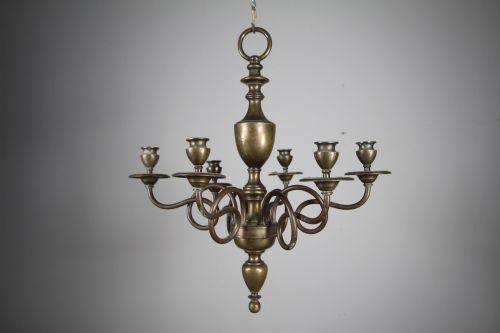
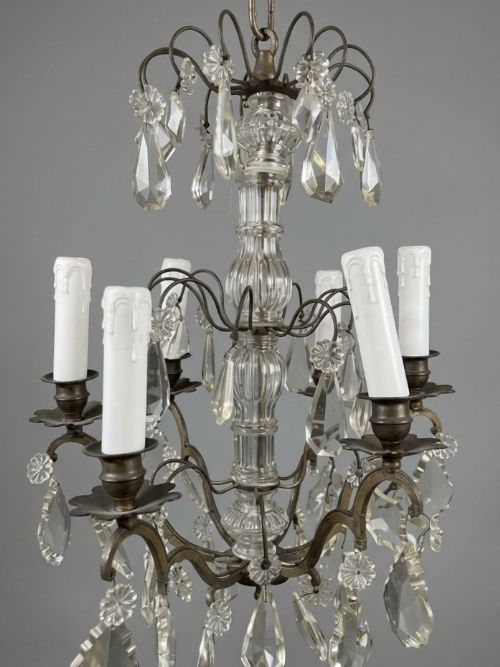
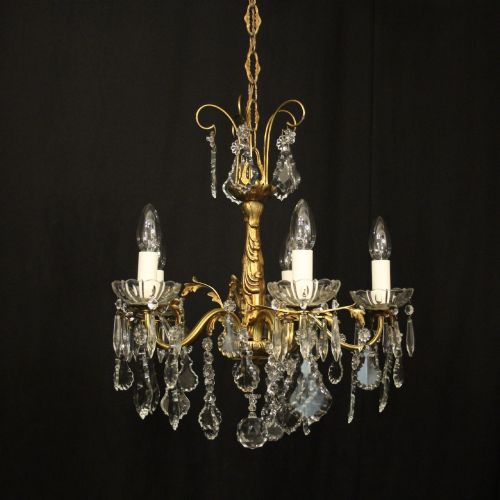
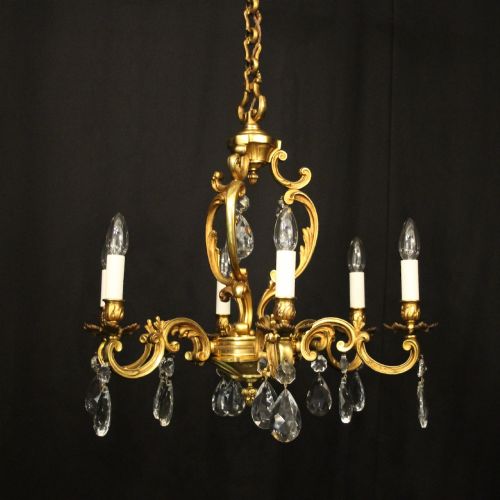
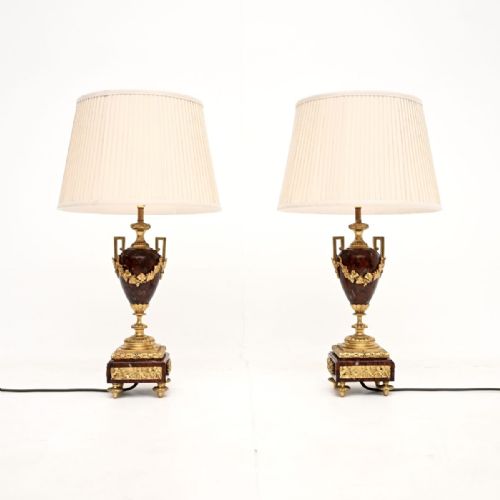
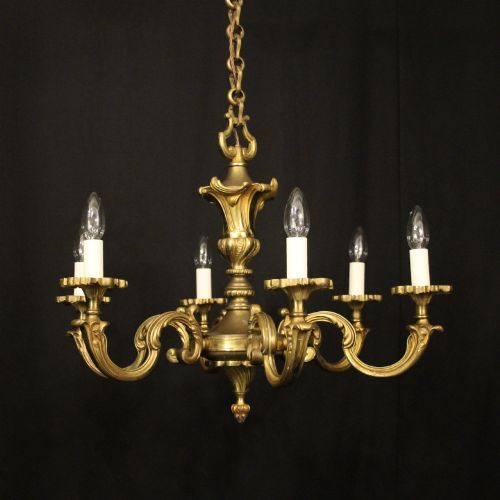
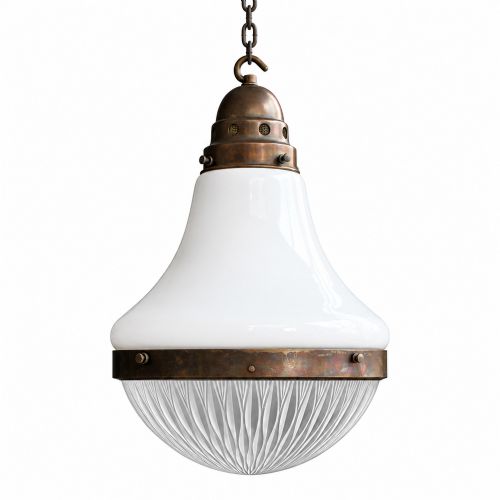
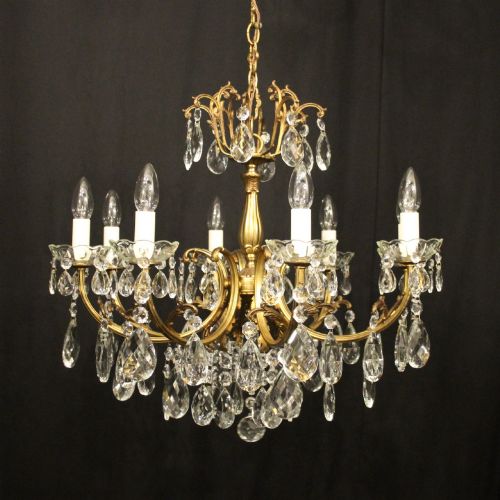
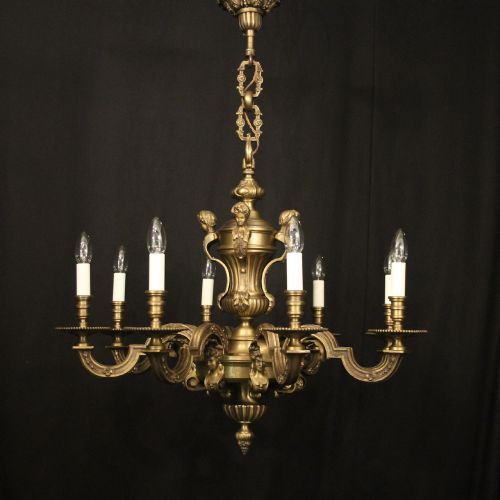
A vintage bronze light encompasses everything from grand multi-armed chandeliers to modest candlesticks and wall lights, shaped by decades of design from the nineteenth century into the nineteen-thirties. You will encounter French Rococo, Art Deco, and Empire pieces alongside English and Scottish lighting.
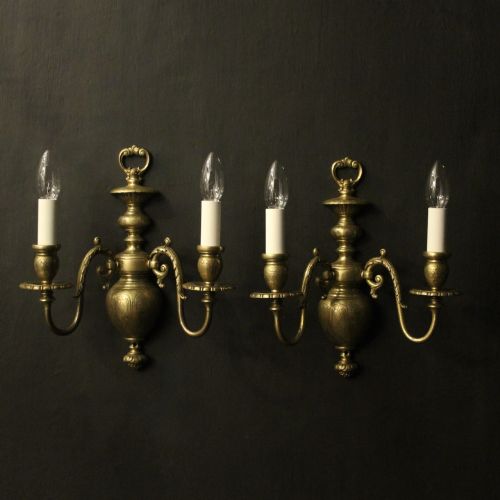
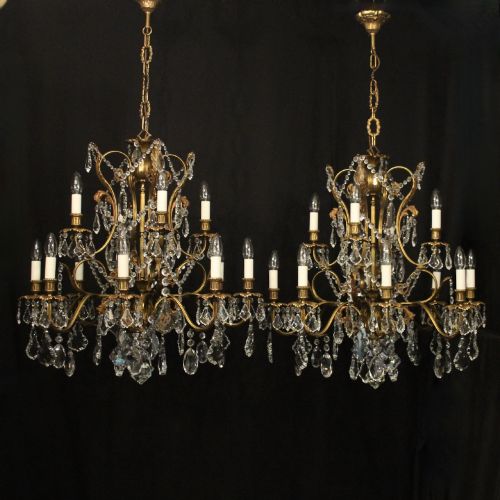
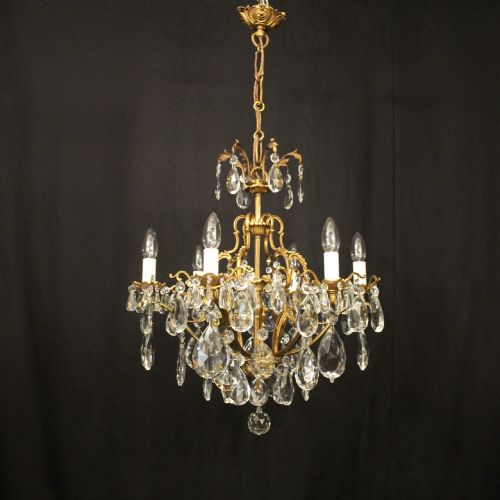
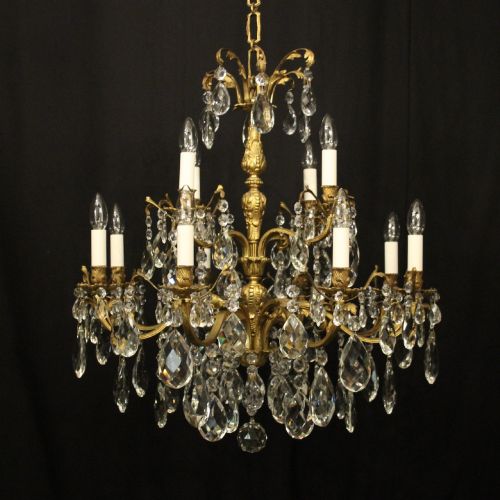
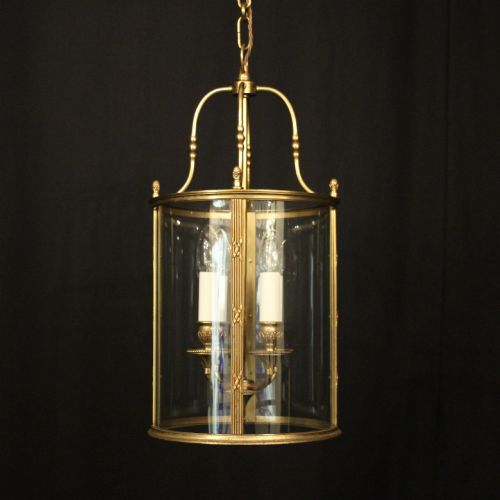
The selection on this page leans heavily toward French chandeliers and wall sconces, alongside table lamps and hall lanterns. These fixtures utilise materials like gilt bronze, crystal, marble, and brass to create distinct focal points.
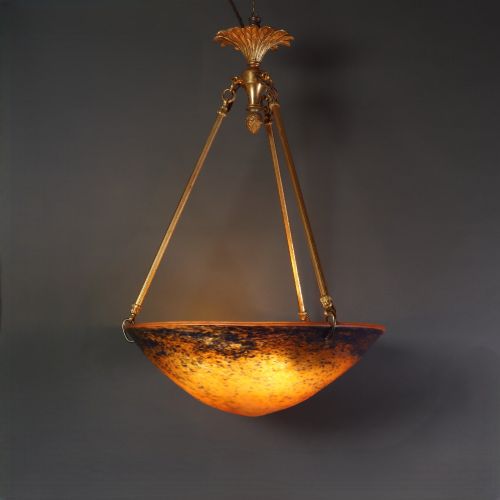
Makers such as Charles Schneider and Degué represent the Art Deco period, while others remain anonymous nineteenth-century works. Forms range from ceiling pendants and birdcage chandeliers to standard lamps and heavy wall lights.
How they were made
Foundry work combined cast bronze and brass with applied mercury gilding or ormolu to achieve a lasting metallic surface. Metal components were often patinated or cast in heavy iron for structural floor and standard lamps.
Glass elements, particularly cut crystal drops and moulded Art Deco plafonniers, were integrated directly into the metal armature. Secondary materials like marble, onyx, and champlevé enamel added texture and colour to table lamps and decorative mounts.
Common object forms include multi-armed chandeliers, wall sconces, hall lanterns, and heavy standard floor lamps.
What varies in quality
The refinement of the casting and the crispness of the chased detail separate standard commercial production from exceptional pieces. Heavier bronze frames and deeply cut crystal drops distinguish finer nineteenth-century work.
The integrity of the gilding and the harmony between the metalwork and the glass components dictate the overall presence of a fixture. Original matching crystals and unrubbed ormolu surfaces command higher regard among collectors.
Charles Schneider·Degué
The Vintage Bronze Light Glossary
- Ormolu
- A gilded bronze technique used extensively on French decorative objects and lighting mounts. It involves applying a finely ground gold-mercury amalgam to a bronze base.
- Champlevé
- An enamelling technique where troughs are dug into a metal surface and filled with vitreous enamel before firing. It appears frequently on Japanese-influenced and turn-of-the-century table lamps.
- Plafonnier
- A ceiling-mounted bowl light that sits flat against the surface, popular during the Art Deco era. Makers like Charles Schneider utilised this form for coloured glass lighting.
- Tent and waterfall
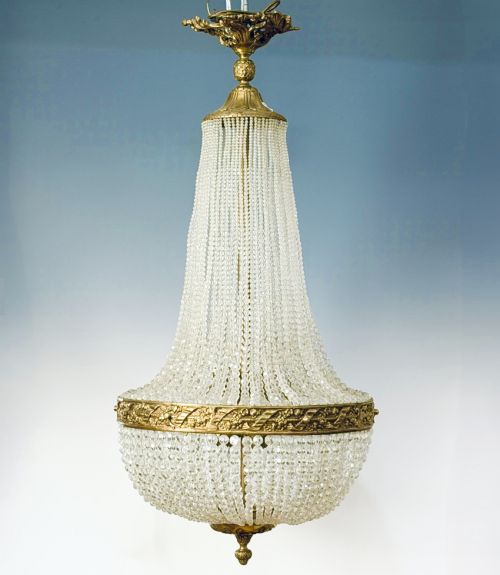
- A chandelier configuration featuring strings of crystal beads rising in a tent shape to the crown and cascading outwards over the arms. This style was favoured in grand French interiors.
- Spelter
- An alloy of zinc and lead used as a cheaper substitute for bronze in decorative figures. It often mimics bronze through patination on less expensive table pieces and lamp mounts.
Vintage Bronze Light: Frequently Asked Questions
How do I hang a heavy antique chandelier?
Heavy bronze and crystal fixtures require direct joist support rather than standard plaster fixings. A professional electrician should install a steel ceiling hook rated well above the weight of the chandelier.
Ensuring the electrical wiring meets modern safety standards is essential before mounting any period piece. Many vintage fixtures have been rewired to accommodate standard modern lamp holders.
Can I clean crystal drops at home?
Crystal prisms can be washed gently in warm water with mild washing-up liquid using a soft cloth. They should be dried thoroughly with a lint-free towel before being re-attached to the frame.
Avoid submerging wired metal parts or antique brass components in water to prevent corrosion. Cleaning the crystals individually while still attached to the fixture is often safer for fragile brass pins.
What is the difference between ormolu and gilt bronze?
Ormolu specifically refers to the historical French process of applying gold amalgam to bronze, which was banned due to mercury toxicity. Gilt bronze is a broader term encompassing various gold-colouring methods applied to a bronze base.
Both finishes yield a rich, warm metallic lustre that distinguishes higher-quality nineteenth-century lighting. Over time, genuine ormolu develops a distinct mellow tone rather than flaking.
How do I date a bronze wall light?
Stylistic cues such as acanthus leaves, ribbon motifs, or geometric Art Deco lines offer the clearest indication of a piece's era. French Rococo revival and Empire styles point to the nineteenth century, while cleaner geometric forms suggest the nineteen-twenties.
Examining the construction of the backplate and the type of screw threads can also help verify the period. Older fixings often feature hand-cut threads rather than uniform modern machine milling.