





Cast Bronze Fixture
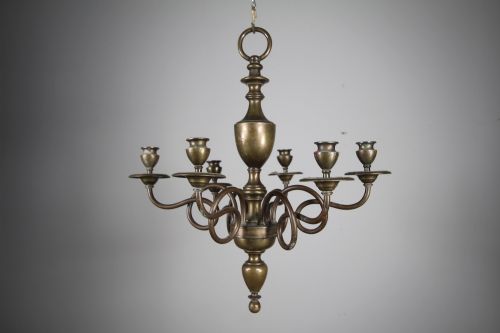
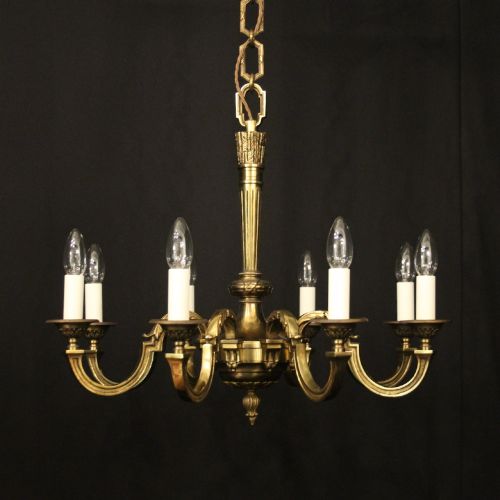
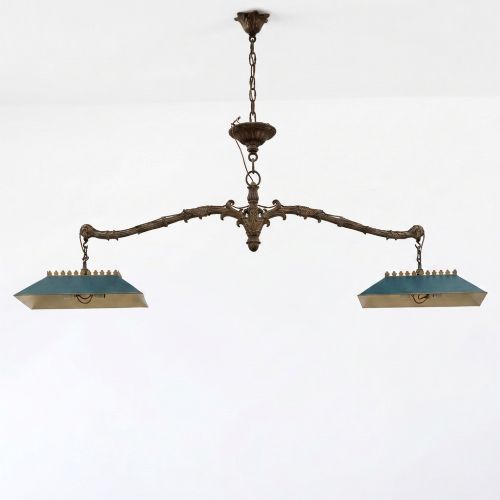
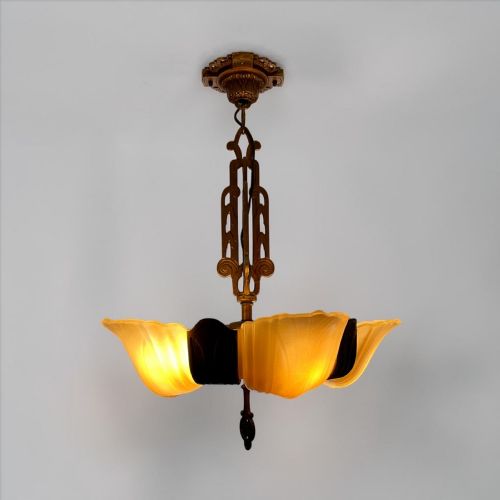
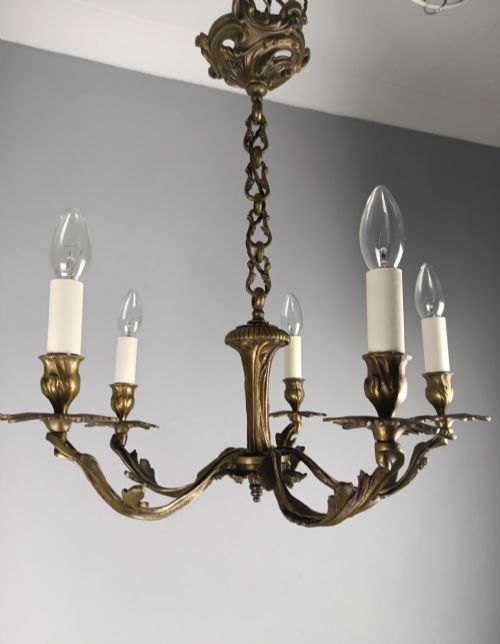
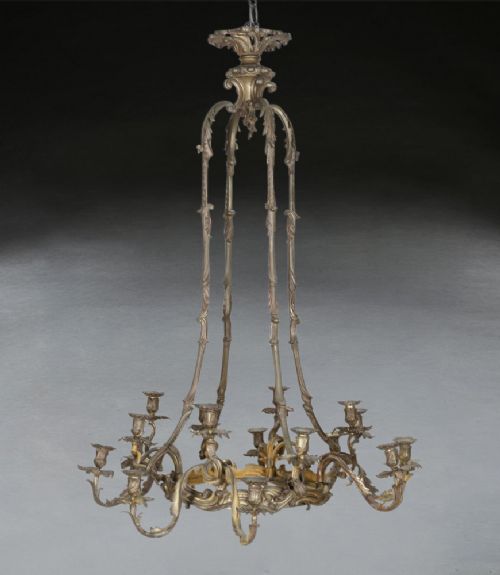
These cast bronze fixture examples bring heavy metal work and period lighting into a room, spanning French styles to Victorian designs.
Cast Bronze Fixture
A cast bronze fixture represents heavy metal lighting spanning the nineteenth century through the art deco period, taking forms such as multi light chandeliers, wall sconces, and table lamps. Buyers hunting for a cast bronze fixture encounter pieces shaped by french rococo, art nouveau, and classical revival aesthetics.
The selection ranges from large sixteen light chandeliers down to boudoir wall lights and individual lamp bases. Materials move between cast bronze, gilt bronze, silvered bronze, and brass alongside frosted glass elements.
Origins stretch across French workshops and English makers like Liberty, offering heavy quality construction designed for ceiling and wall placement.
Materials and Construction
Makers utilised bronze, brass, and spelter as base metals, often applying gilt, silver, or ormolu finishes to the cast forms. Metal components were combined with cut glass and amber frosted glass shades in various ceiling lights and wall sconces.
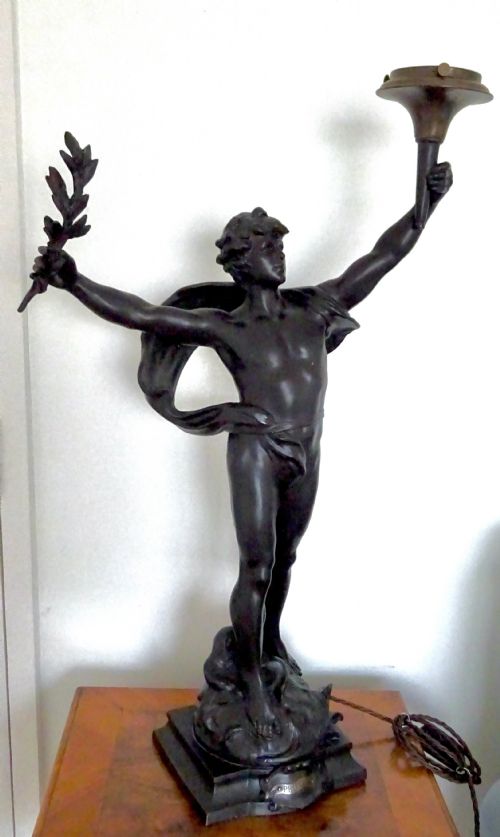
Foundry work involved casting heavy bronze and brass into arms, branches, and backplates, sometimes incorporating figurative spelter elements by sculptors like Moreau. Surface treatment relied on heavy gilding, silvering, and patination to achieve dark bronze or bright gilt effects.
Cast Bronze Fixture Retail Price Guide 2026
Typical asking prices for cast bronze fixture among the pieces listed under this phrase on Sellingantiques today, from the lower quarter to the upper quarter. They describe what is for sale here now, not the wider market.
The inventory records lighting forms ranging from single wall sconces and boudoir lights to sixteen light chandeliers.
Evaluating Quality and Detail
Weight and thickness of the cast bronze distinguish heavy quality pieces from lighter metal alternatives, with substantial chandeliers showing greater definition in their ornamentation. The precision of the chasing and the finish of the gilt or silvered bronze layers determine the refinement of the work.
Integration of glass components, such as cut glass crystals or slip shades, affects the visual balance of the ceiling light or wall sconce. The complexity of the branch structure, from simple pairs to twelve or sixteen branch configurations, reflects the original ambition of the design.
Liberty·Moreau
The Cast Bronze Fixture Glossary
- Cast bronze
- Metal poured into a mould to form rigid shapes and structural components. This technique allows for intricate ornamentation on chandeliers and wall lights.
- Gilt bronze
- Bronze treated with a fine layer of gold leaf or gold paint. This finish provides a bright, reflective surface seen on French and Victorian pieces.
- Spelter
- An alloy primarily of zinc used as a cost effective substitute for bronze. It appears in figurative lamp bases and table lamps.
- Ormolu
- Gilt bronze mounted or finished objects created through mercury gilding or modern plating methods. The term denotes high status French lighting pieces.
- Slip shade
- A moulded piece of glass that slides into a metal frame on a ceiling light. These shades diffuse light in art deco and later designs.
Cast Bronze Fixture: Frequently Asked Questions
How do I clean a bronze fixture?
Dust the metal gently with a soft dry cloth to preserve the original patina and finish. Avoid harsh chemical cleaners that strip gilt or silvered layers.
Check connections regularly to ensure the heavy metal parts remain secure on ceilings or walls without putting strain on the wiring.
Are these lights wired for modern use?
Many older pieces retain their historical wiring or require rewiring to meet current electrical standards. A qualified electrician can adapt the internal fittings safely.
Original lamp holders and sockets can often be retained while updating the internal cable for daily operation.
How do I identify French styles?
French lighting often displays rococo scrolls, louis style symmetry, or neoclassical proportions executed in gilt bronze and ormolu. Look for cast details like acanthus leaves and urn motifs.
English and American pieces tend toward heavier structural forms with distinct regional interpretations of classical or art deco motifs.
What is the difference between brass and bronze?
Bronze is an alloy of copper and tin, yielding a heavier and darker natural metal body that takes patination well. Brass is an alloy of copper and zinc with a brighter golden tone.
Both materials were cast and finished with gilt or silver layers in period lighting fixtures.