
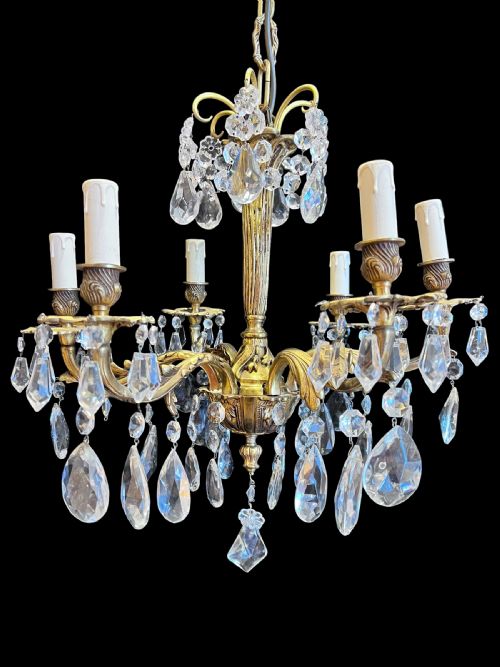
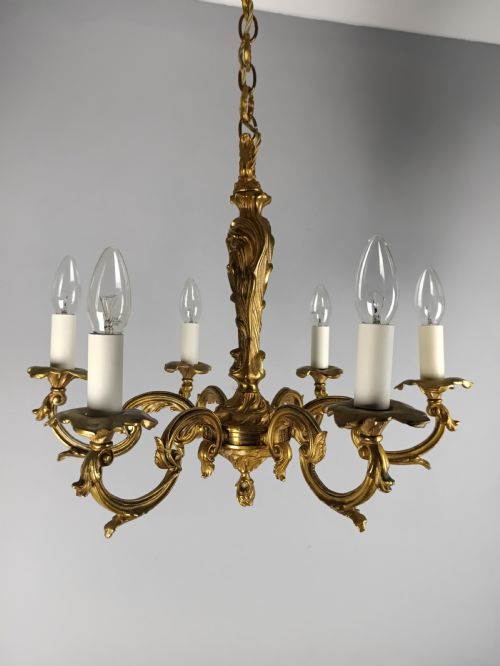
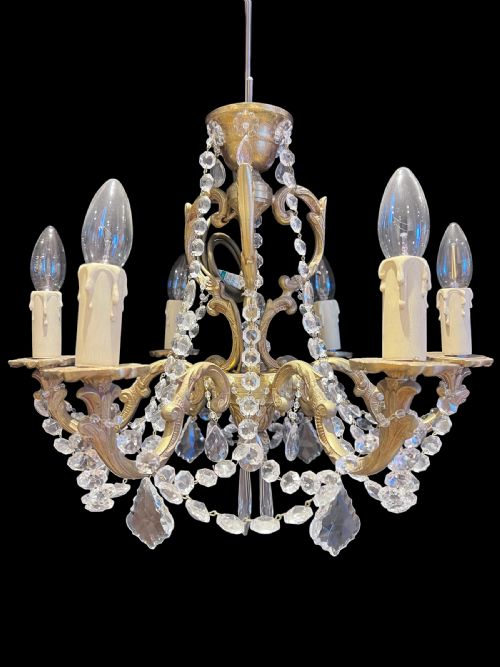
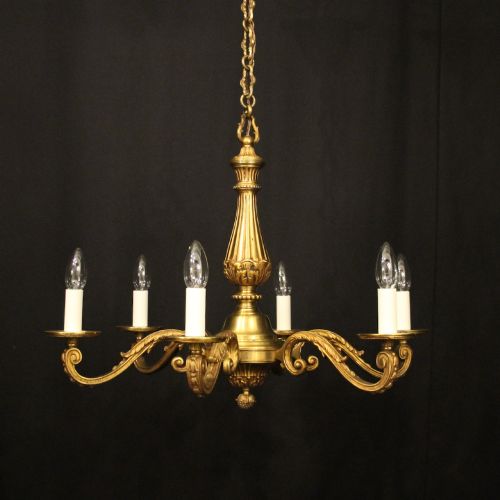
Six Light Pendant Fitting
A six light pendant fitting brings structural elegance and balanced illumination to high ceilings, drawing the eye upwards with period distinction.
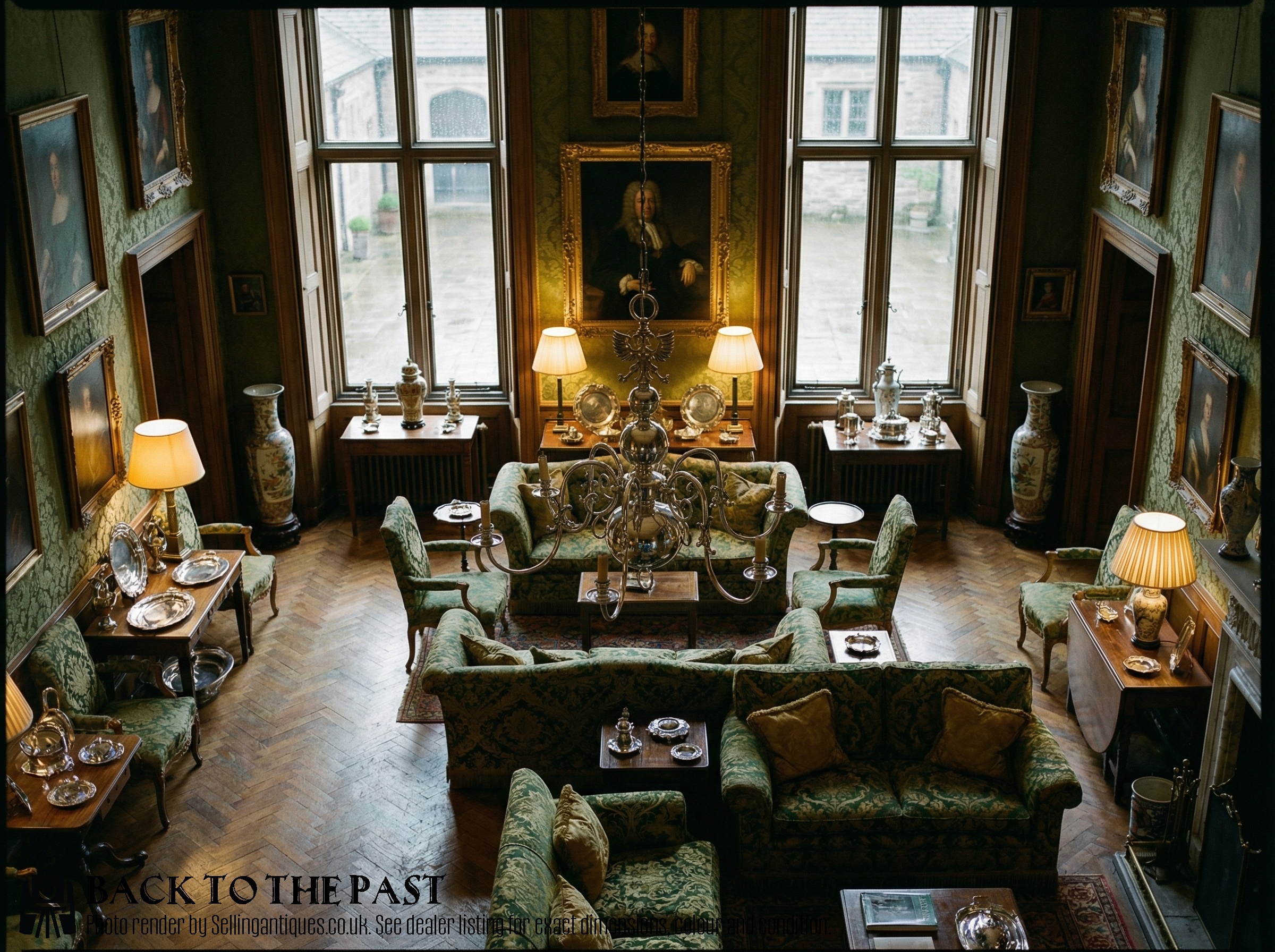
Six Light Pendant Fitting
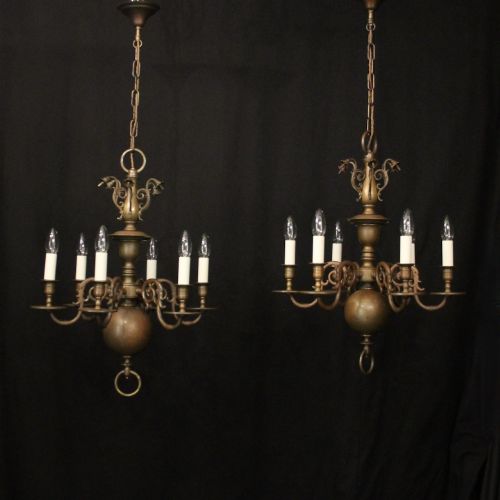
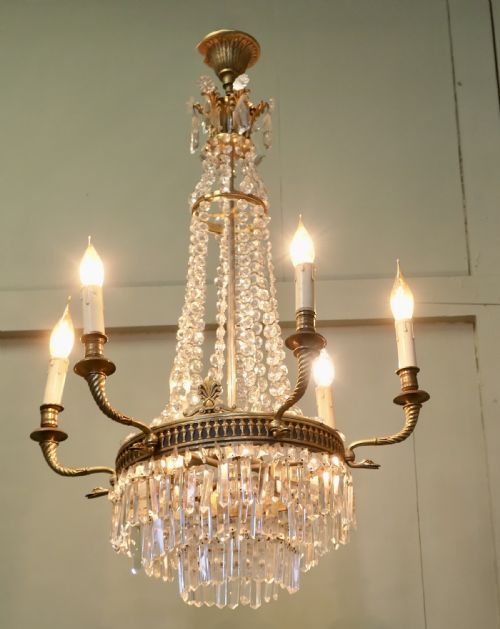
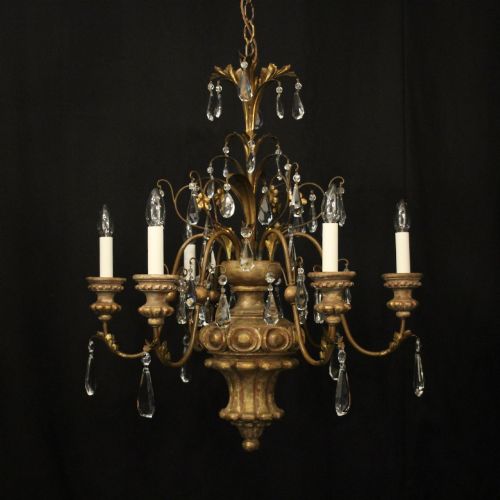
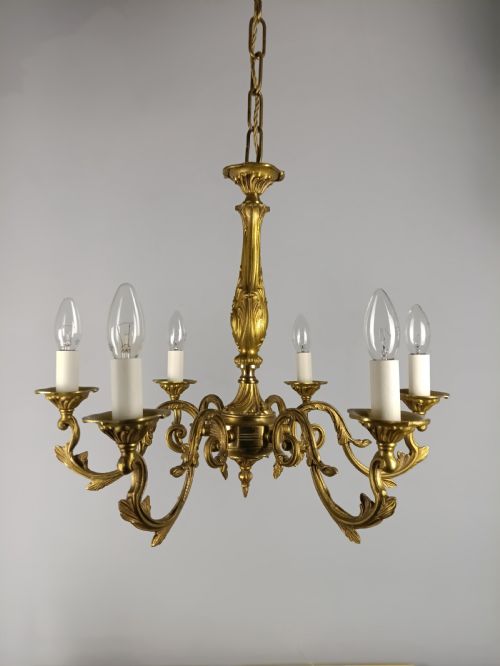
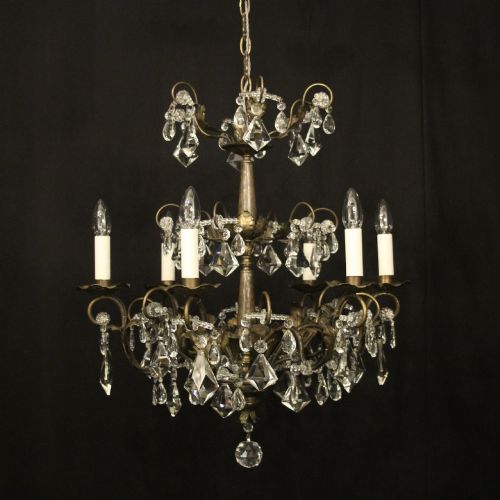
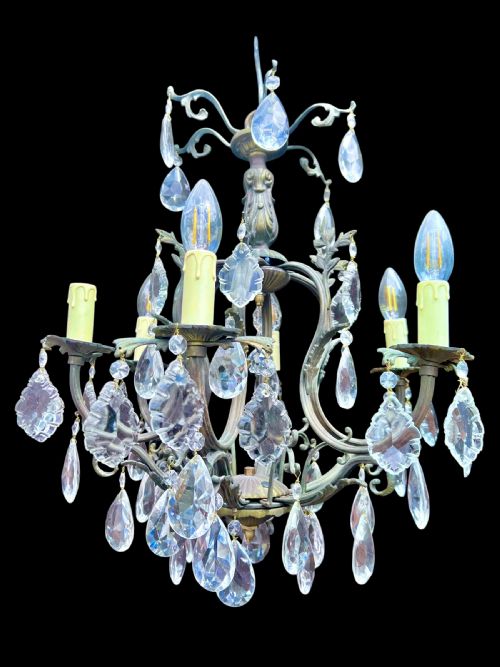
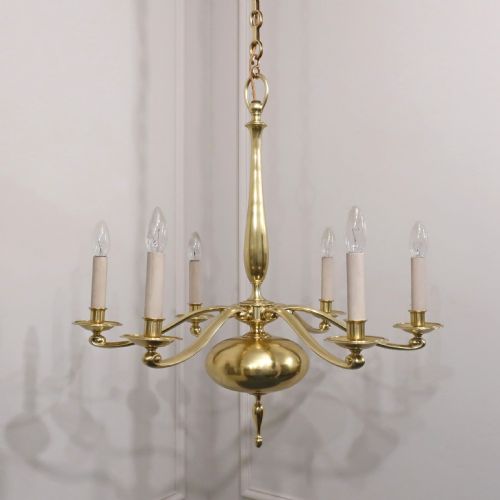
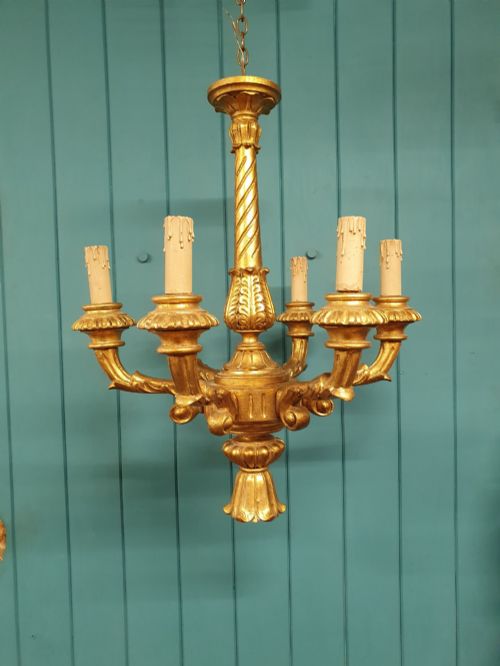
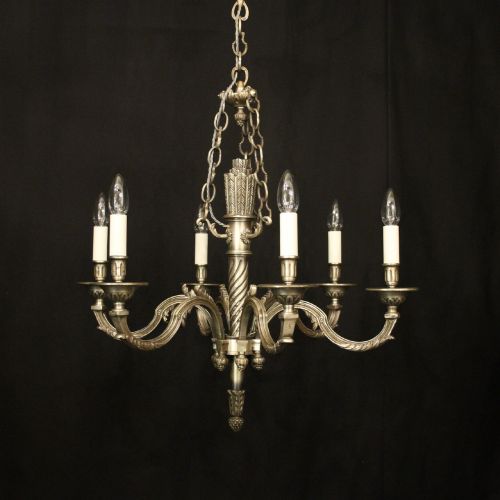
A six light pendant fitting encompasses multi-armed ceiling lights and chandeliers spanning the nineteenth century through the nineteen-thirties. Buyers seeking a six light pendant fitting encounter substantial French and Italian chandeliers configured with six arms, branches, or lights. The selection includes regional variations such as Florentine baroque pieces, French empire tent designs, and classical brass frames.
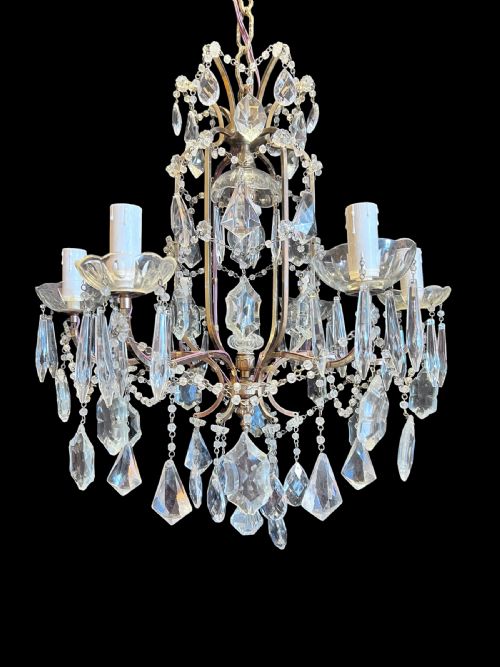
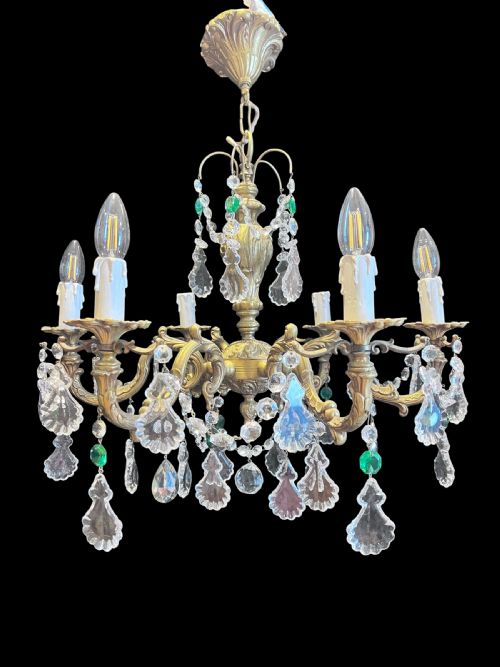
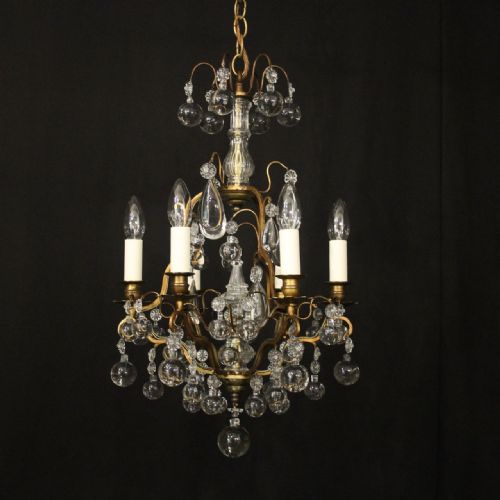
These fixtures serve principal reception rooms and hallways where a grand scale is required. The predominant forms appearing in the inventory are French brass, gilt bronze, and crystal chandeliers from the nineteen-twenties and nineteen-thirties. Examples range from ornate birdcage crystal structures to simpler wrought iron and polychrome frames.
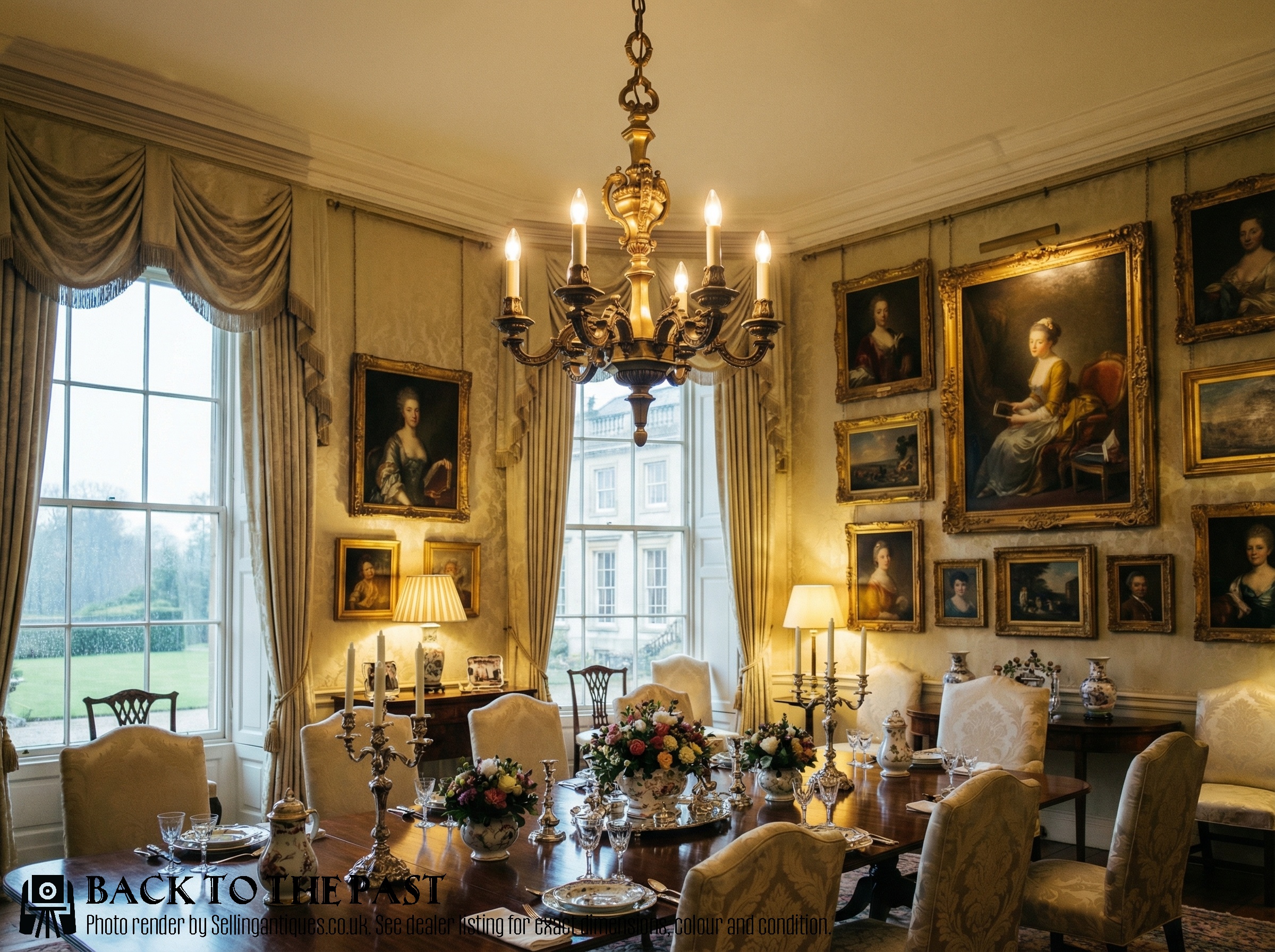
Evaluating Quality and Craftsmanship
The refinement of the casting and chasing separates standard production from superior examples. Heavy cast brass or hand-chased gilt bronze demonstrates crisp detail in the floral and foliate motifs along the arms.
The integration of the glass components defines the upper tier of execution. Precision cut glass drops and uniform crystal strands reflect light with clarity, whereas lower quality fittings rely on moulded glass with softer edges and less optical brilliance.
At least one nineteenth-century billiard snooker light waits to cast a very long, very focused glow over your game.
G.E.C
The Six Light Pendant Fitting Glossary
- Chandelier
- A branched ornamental light fixture suspended from the ceiling. These fixtures hold multiple light sources across symmetrical arms.
- Gilt Bronze
- Bronze metal coated with a thin layer of gold or gold-coloured alloy. This technique provides a durable, lustrous surface finish.
- Tent and Waterfall
- A chandelier configuration featuring an upper canopy of cascading crystal strands shaped like a tent. This drops down to a central ring of lights.
- Birdcage
- A wirework frame enclosing a chandelier's central column, resembling an avian cage. Crystal swags typically drape over the exterior framework.
- Gesso
- A plaster-like mixture applied to wood frames before gilding. It provides a smooth surface for carving and gold leaf application.
Six Light Pendant Fitting: Frequently Asked Questions
How do I hang a heavy chandelier safely?
Installation requires anchoring directly into ceiling joists or structural timber using a heavy-duty steel hook and electrical box rated for the fixture's weight. Professional electricians should assess the ceiling load capacity before mounting.
Heavier bronze and crystal fittings demand secure mechanical support independent of the electrical supply wire. Ensuring proper weight distribution protects both the ceiling plaster and the antique metalwork.
Can these antique fittings use modern bulbs?
Most antique fixtures accept standard screw or bayonet base lamps once rewired to modern safety standards. LED alternatives provide lower heat output to protect delicate nineteenth-century lacquered brass and silk cords.
Consulting a specialist restorer ensures the internal wiring matches contemporary voltage requirements without altering the exterior appearance. Preserving original socket covers maintains the historical integrity of the piece.
How do I clean crystal drops safely?
Crystal pendants and strands should be washed individually using a mild solution of warm water and professional glass cleaner. Removing each drop prevents stress on the aged wire fastenings during the cleaning process.
Drying the glass with a lint-free cloth restores maximum refractive brilliance before rehanging the pieces on the frame. Avoid harsh chemical solvents that can strip original gilt surfaces on the metal arms.
What ceiling height suits a six arm fitting?
Rooms with ceilings exceeding three metres provide adequate clearance for larger chandeliers and tent-and-waterfall configurations. Positioning the bottom of the fixture approximately two metres above the floor ensures safe passage underneath.
Shorter spaces accommodate compact brass or iron frames measuring fifteen inches across. Proportional hanging depends on room dimensions and whether the light suspends over furniture or open floor space.