


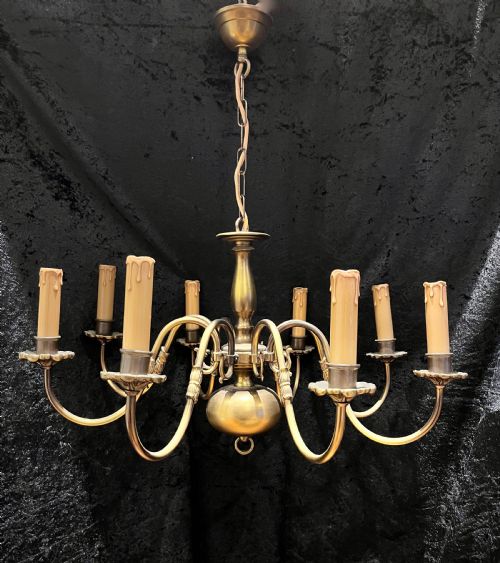
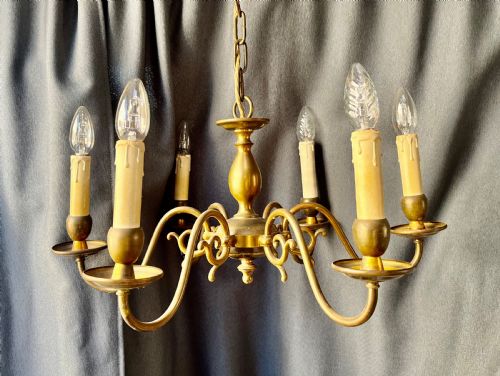
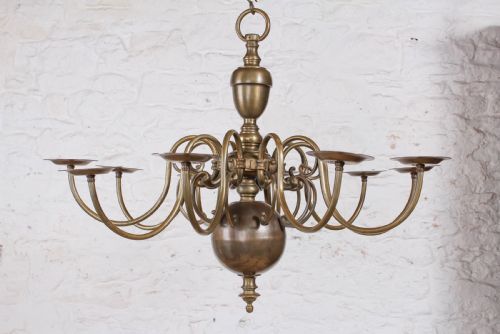


Antique Flemish Ceiling Light
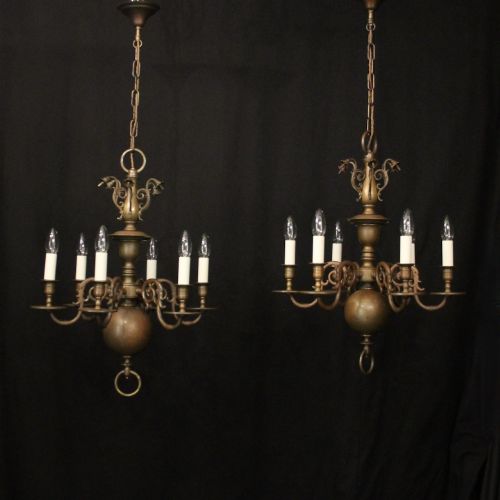
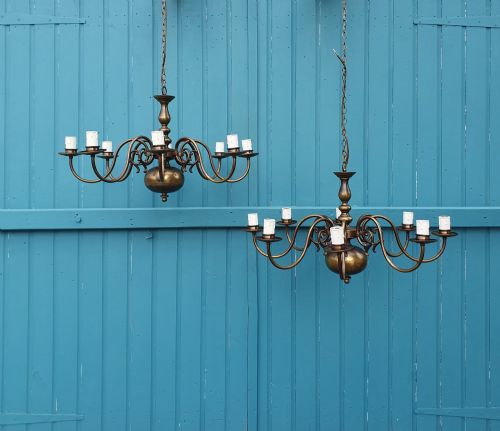
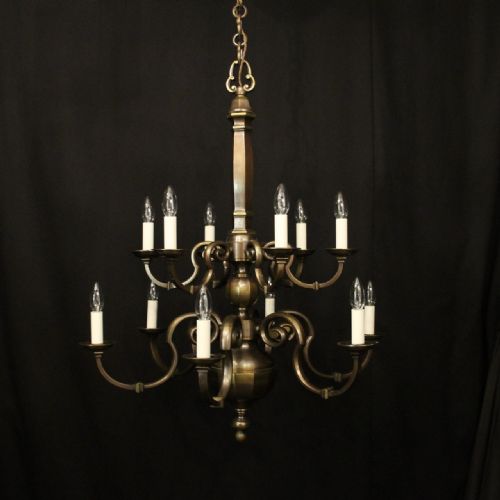
An antique flemish ceiling light brings heavy brass and bronze branching and candle-arms into a room, offering warm overhead presence.
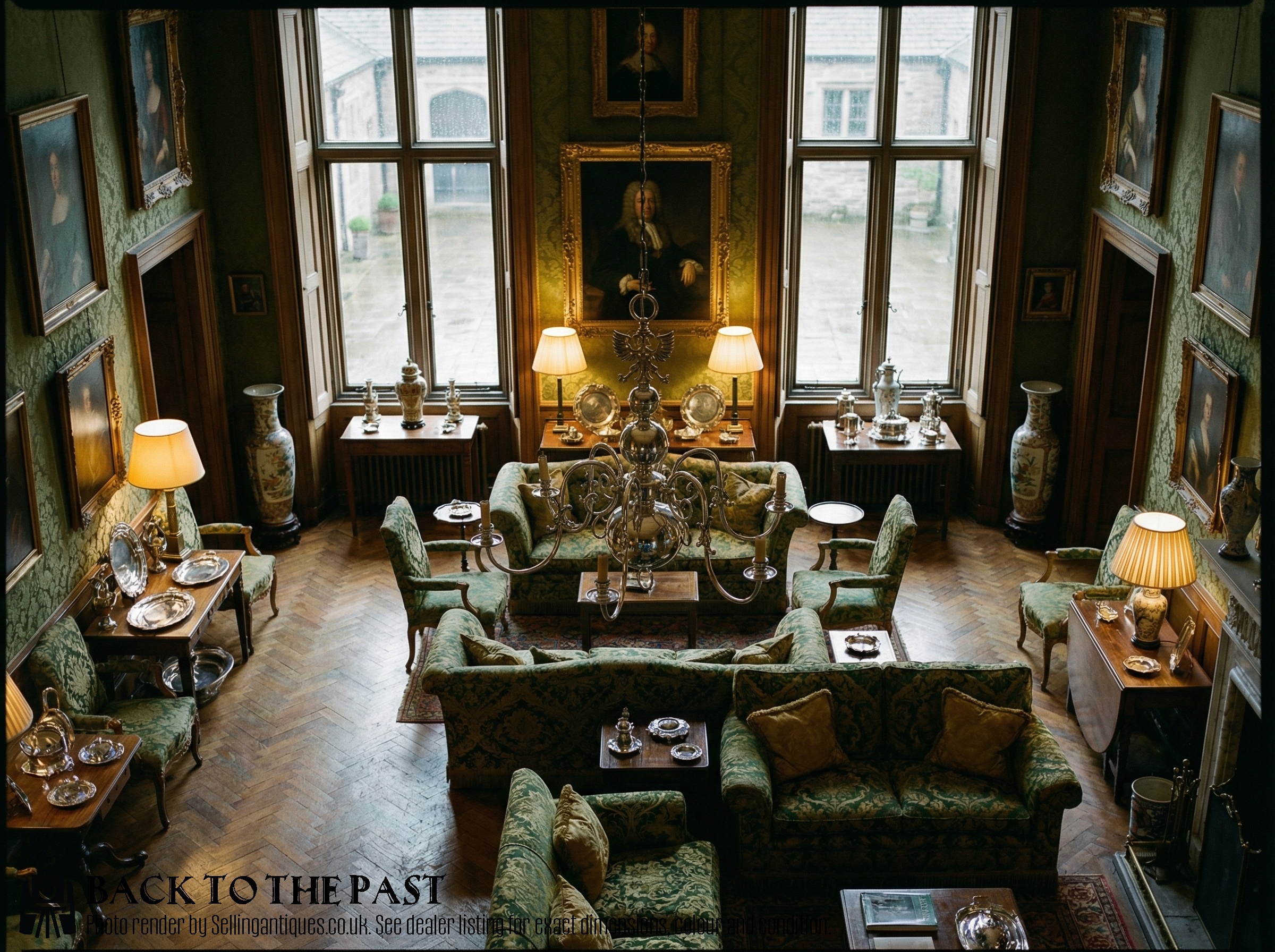
Antique Flemish Ceiling Light
When you search for an antique flemish ceiling light, you are looking at substantial multi-armed brass or bronze chandeliers spanning from the eighteenth century through to the interwar decades. These grand fixtures draw heavily upon Dutch and Flemish Baroque traditions, filling large spaces with tiered branching and metal work designed to catch and reflect light.
On this page, the pieces you are most likely to meet range from Edwardian and early twentieth-century interpretations down to eighteenth-century examples. Forms vary from compact single-tier brass models to massive twelve-branch constructions in bronze and silver-plated brass, reflecting both English country interiors and continental styling.
How these fixtures were constructed
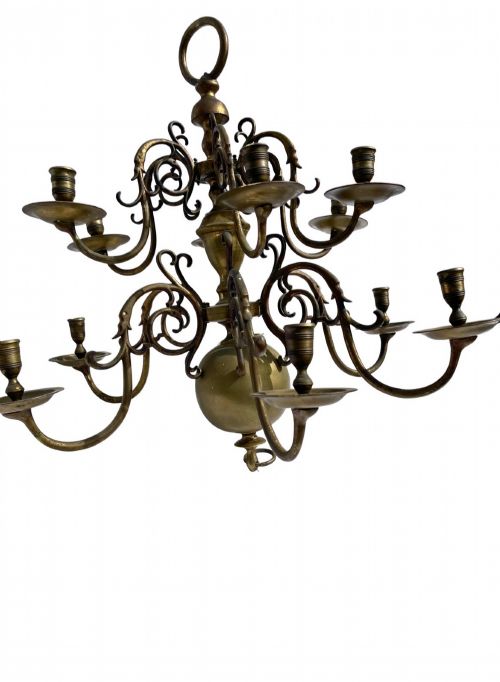
The primary metals shaping these chandeliers are cast and spun brass and heavy bronze, formed into central stems, curved arms, and drip pans. Many feature multiple branches configured across single or double tiers to support several lights.
Surface treatments range from polished solid brass to silver plating and patinated bronze, showing the structural metalwork directly without excessive applied ornamentation.
Listings span from the eighteenth century to the nineteen-thirties, dominated by brass and bronze construction.
What separates the finest examples
Quality in these chandeliers rests upon the heft of the cast metal and the crispness of the turning on the central stem and branch sockets. Heavier gauge brass and solid bronze components hold their shape and support multiple tiers of branching with greater authority than lighter, thinner constructions.
The complexity of the tiering and the harmony of the arm distribution dictate the visual weight of the fixture. Finer examples balance numerous branches evenly across single or double tiers, creating a coherent silhouette from every angle.
The Antique Flemish Ceiling Light Glossary
- Chandelier
- A branched ceiling-mounted lighting fixture designed to hold multiple lamps or candles. These pieces often feature prominent central stems and spreading arms.
- Tier
- A single horizontal level of branching on a chandelier. Large examples frequently utilise two tiers to distribute twelve or more light points.
- Bronze
- A heavy copper and tin alloy prized for its dark patination and strength. It forms the structure of substantial multi-light fixtures.
- Silver Plate
- A thin layer of silver applied over a base metal such as brass. This finish brightens the overall appearance of the chandelier.
- Drip Pan
- A small metal disc positioned beneath each light point to catch melted wax from candles. In electric conversions, these plates remain as a traditional decorative element.
Antique Flemish Ceiling Light: Frequently Asked Questions
How do I wire an antique flemish ceiling light?
Most of these fixtures are hollow-stemmed and can be channelled for electrical wiring by a qualified electrician without altering the visible brass or bronze exterior. They accommodate standard internal flex running down to each candle arm.
Because these chandeliers were originally built for candles, modern conversions typically use small candelabra-style lamps that fit neatly into the existing brass sockets and drip pans.
How do I clean heavy brass chandeliers?
Dusting with a soft, dry cloth is usually sufficient to maintain the surface without stripping away the age patination that develops on older brass and bronze over decades. Avoid harsh chemical polishes that remove the desirable darker tones.
If the metal requires deeper cleaning, warm water and mild soap applied sparingly will lift grease without harming the historic finish of the chandelier.
What ceiling height do I need?
These multi-armed chandeliers require high ceilings to allow clearance beneath the lowest tier of branches and drip pans, particularly the larger twelve-branch and double-tier editions. Measuring the drop from the ceiling rose to the base of the fixture is essential before installation.
Rooms with standard modern ceiling heights may only accommodate the smaller single-tier models without feeling cramped or obstructing movement below.
How do I date an older brass chandelier?
Dating relies on examining the casting methods, the assembly screws, and the style of the central stem turning, which shifts from heavy eighteenth-century sand castings to twentieth-century production methods. Earlier examples often show hand-finished irregularities in the brass work.
Comparing the arm junctions and the construction of the drip pans against known periods like the Edwardian era or the eighteenth century helps narrow down the manufacturing decade.