


Flemish Brass Light
Flemish brass light fixtures bring centuries of Low Countries metalwork into a room, offering warm illumination and deep historic character.
Flemish Brass Light
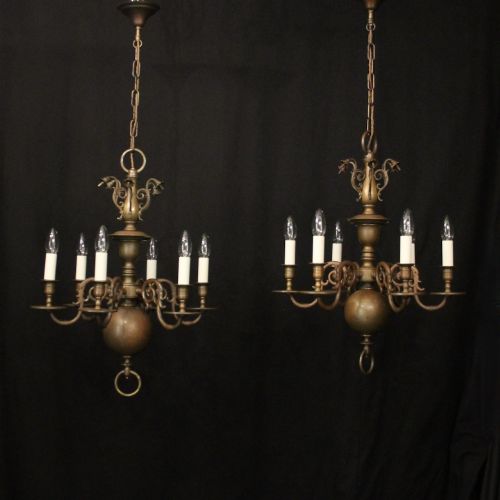
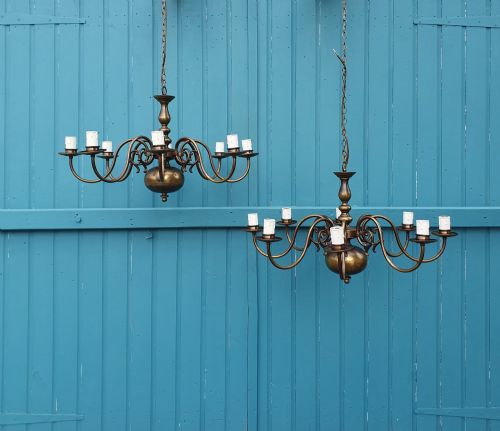
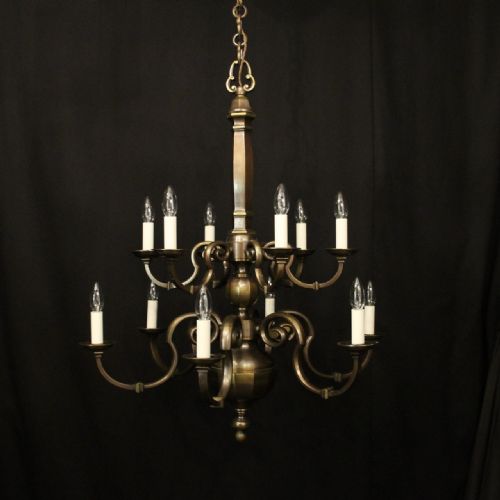
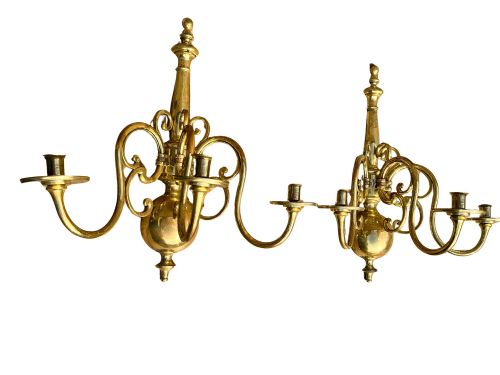
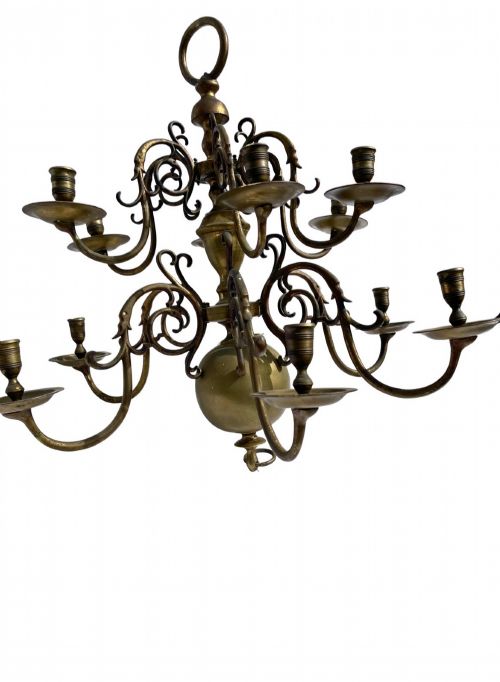
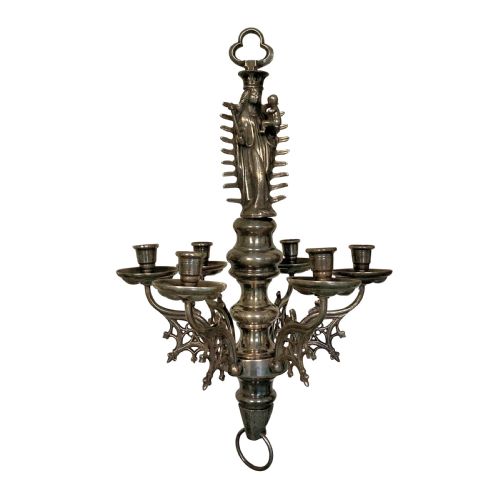
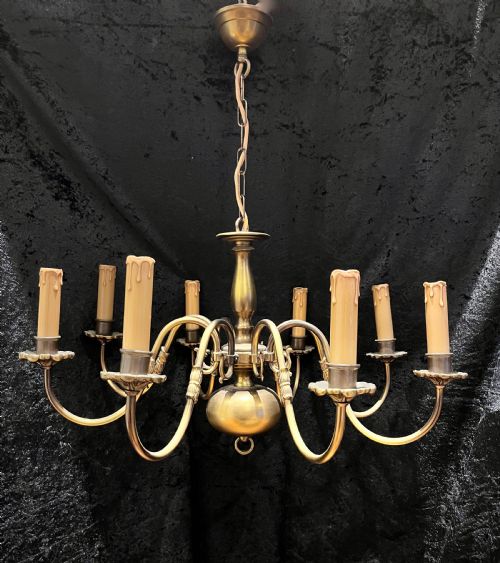
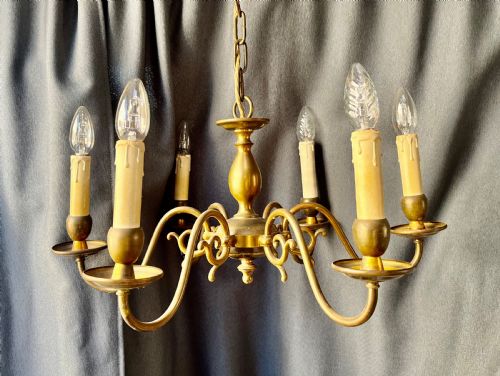
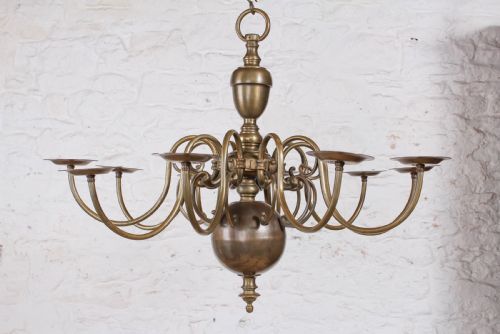
When you search for flemish brass light, you encounter a range of chandeliers, wall lights, sconces, and candlesticks originating from the Low Countries and Britain. The selection spans from seventeenth-century pricket sticks to twentieth-century Revival chandeliers.
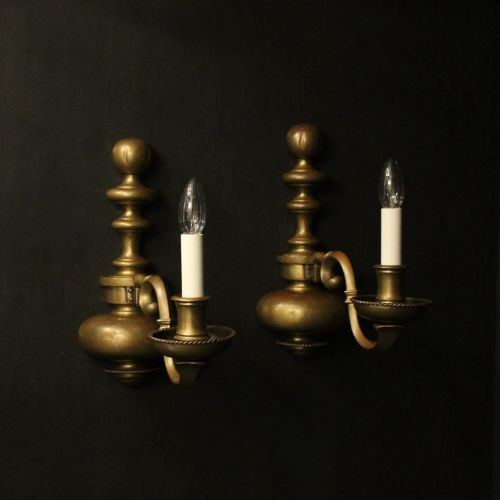
Chandeliers form the core of what is available, frequently featuring multiple arms configured across single or double tiers. Wall lights and pairs of brass brackets also appear regularly alongside occasional oak or silver-plated examples.
How they were made
The objects are constructed predominantly from cast brass, often supported by iron components or mounted on carved oak bases. Certain pieces combine these base metals with silver plating or glass elements to achieve varied surface textures.
Foundry techniques involve casting the metal in sections before assembling the arms and central stems by hand. Artisans finished these surfaces through polishing or patination to accentuate the detailed shaping of the arms and drip pans.
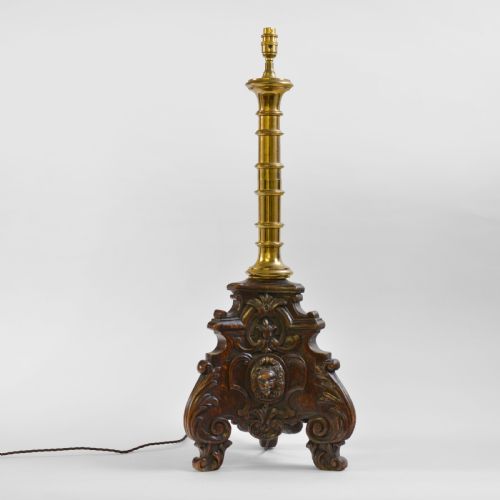
A seventeenth-century candlestick once served to guide monks through dim corridors before becoming a decorative table lamp.
What varies in quality
Quality rests in the crispness of the casting and the balance of the proportions across multi-armed tiers. Pieces with sharply defined details and substantial metal thickness stand apart from simpler commercial iterations.
The integrity of the construction and the age of the material dictate the standing of an example. Original seventeenth-century execution differs fundamentally from later twentieth-century Revival casting in both weight and patination.
The Flemish Brass Light Glossary
- Pricket
- A sharp metal spike on a candlestick designed to hold a candle in place. This form represents an older method of mounting wax before the development of sockets.
- Chandelier
- A branched hanging light fixture designed to hold multiple candles or bulbs. These fixtures typically suspend from chains or rods in larger rooms.
- Baroque Revival
- A nineteenth or twentieth-century style imitating the ornate forms of the seventeenth-century Baroque period. This aesthetic prioritises scrollwork and exuberant curves.
Flemish Brass Light: Frequently Asked Questions
How do I clean an antique brass light?
Dust the metal gently with a dry, soft cloth to remove surface particles.
Avoid using harsh chemical polishes that strip the natural historic patina accumulated over the decades.
Were these fixtures electrified later?
Many examples originating from earlier centuries have undergone conversion to electricity for modern domestic use.
Unconverted pieces such as early pricket candlesticks retain their original configuration without internal wiring.
What is the difference between Dutch and Flemish styles?
The distinctions lie in regional design preferences across the Low Countries during the Baroque and Renaissance eras.
Both traditions share heavy cast brass construction and multi-armed chandelier formats.
How do I hang a heavy brass chandelier?
These pieces require secure ceiling joist anchorage due to the substantial weight of solid cast brass.
Consulting a qualified electrician ensures the mounting point supports the load safely.