



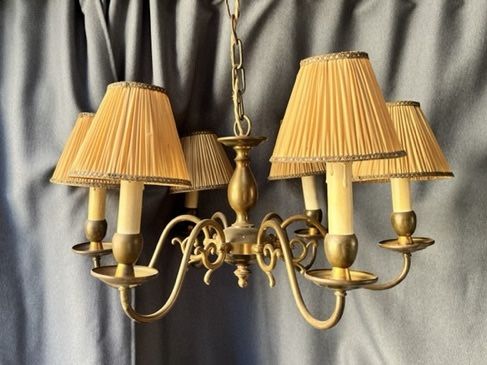


Dutch Brass Ceiling Fitting
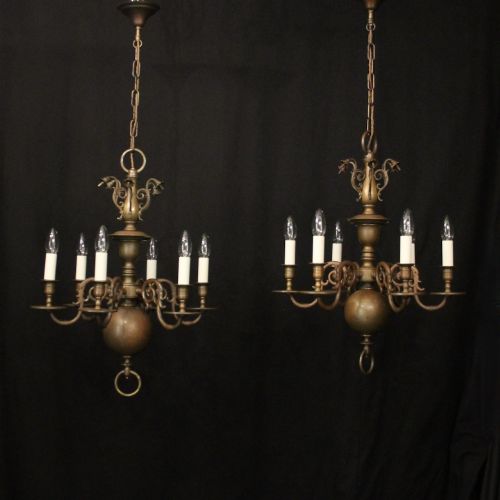
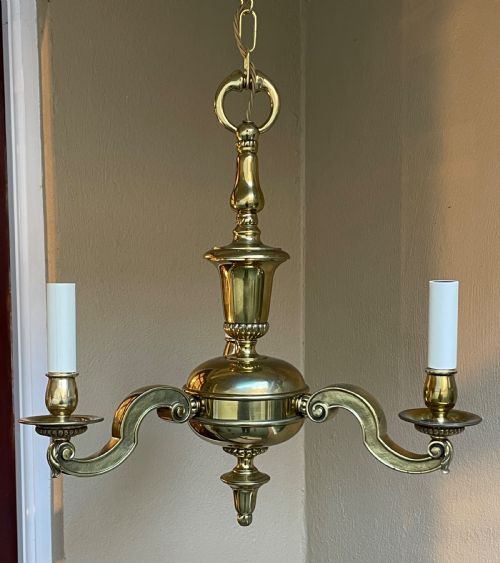
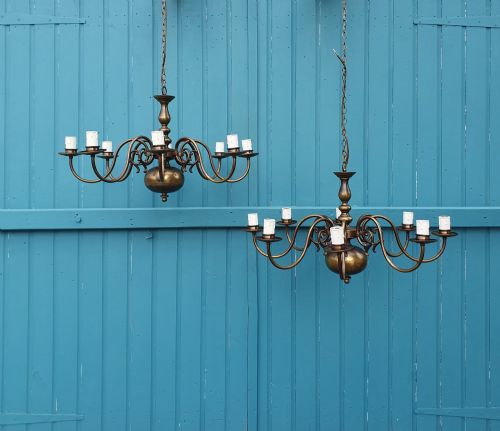
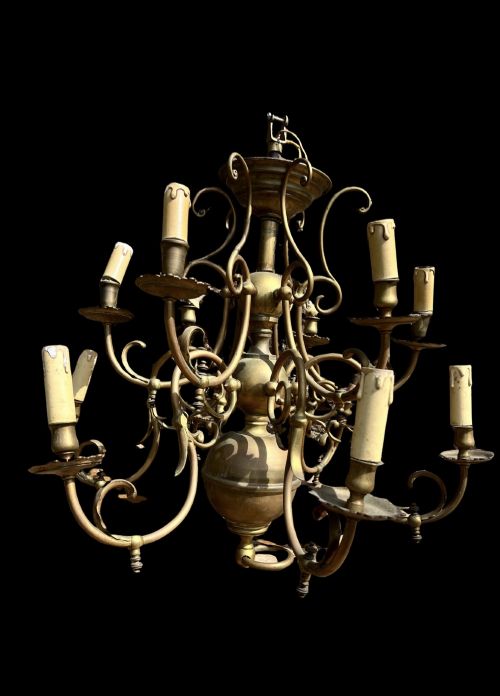
These dutch brass ceiling fitting examples are substantial brass and bronze fixtures designed to anchor historic interiors with warm metallic lustre.
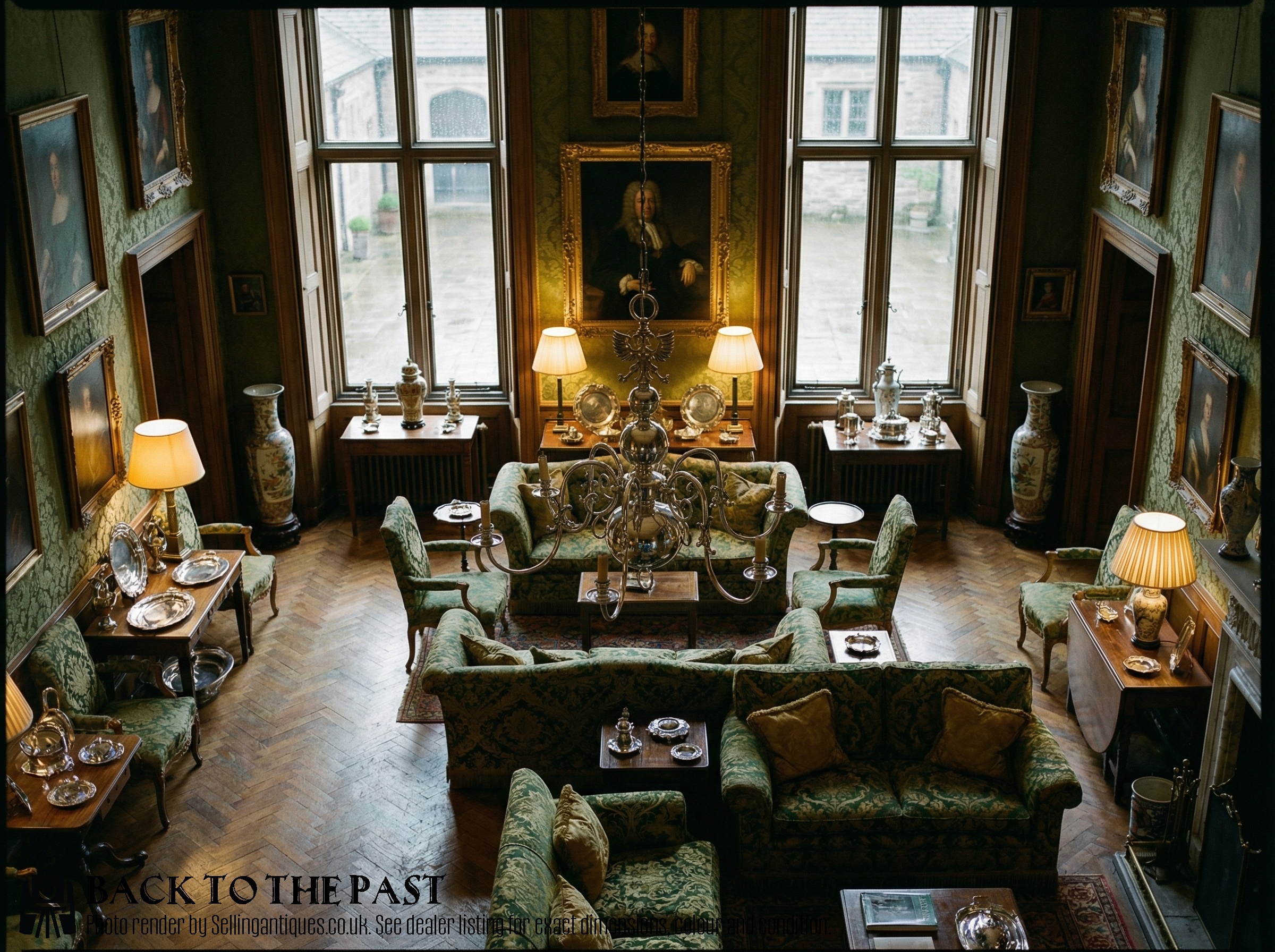
Dutch Brass Ceiling Fitting
Period examples span from eighteenth-century works to early twentieth-century revivals of Dutch Baroque and Flemish Renaissance styles. Buyers frequently encounter Edwardian interpretations and pieces influenced by the Amsterdam School alongside genuine eighteenth-century forms.
Object types on offer range from intimate three-branch configurations up to large twelve-tier multi-branch chandeliers. Materials generally pair brass or cast brass with bronze, copper, glass, fabric, and silver plate.
Materials and construction
Makers utilised solid brass, cast brass, and bronze as the primary structural metals for these ceiling fixtures. Copper and silver plate appear as supplementary components, contributing varied metallic tones to the designs.
Components incorporate multi-branch scrolling arms, tiered arrangements, and square centre light frames. Glass and fabric elements sometimes accompany the metalwork to diffuse the light output.
Some fixtures are described specifically as waterfalls, bringing an unexpected rush of metalwork to the ceiling.
Assessing quality and character
Quality rests in the crispness of the casting and the structural complexity of the multi-branch or tiered layout. Heavier solid brass and detailed bronze work distinguish the more ambitious pieces from simpler domestic lights.
Stylistic cohesion matters significantly, particularly in revival pieces that emulate seventeenth and eighteenth-century Dutch Baroque or Flemish designs. The integration of secondary materials like copper, glass, or silver plate further defines the visual depth of the fixture.
The Dutch Brass Ceiling Fitting Glossary
- Brass
- An alloy of copper and zinc used extensively for its durable structure and bright golden appearance. It forms the primary body of these historic ceiling lights.
- Chandelier
- A branched decorative ceiling fixture designed to hold multiple lights. These examples feature configurations ranging from three to twelve branches.
- Gasoliere
- A historic gas-burning chandelier adapted or designed for illumination before general electrification. An 1850 example illustrates this specific lighting technology.
- Amsterdam School
- An architectural and design movement from the early twentieth century characterised by expressive forms. It inspires square brass centre light hanging lamps in this selection.
- Flemish Renaissance
- A historic design style featuring ornate scrolling work and substantial proportions. It heavily influences the aesthetic of several listed chandeliers.
Dutch Brass Ceiling Fitting: Frequently Asked Questions
Can these antique lights be rewired?
Most historic ceiling fittings require rewiring to meet modern electrical safety standards before installation. A qualified electrician can adapt the internal wiring while preserving the external period appearance.
Ensure the weight of the chandelier is supported independently of the electrical cord using an appropriate ceiling hook.
What is a gasoliere?
A gasoliere is a lighting fixture originally manufactured to burn coal gas rather than electricity. These pieces often date from the mid-nineteenth century.
Many surviving examples have since been converted to accept modern electric lamp holders while retaining their original gas-key valves and heavy brass tubing.
How do I tell Dutch Baroque Revival from original pieces?
Original pieces from the eighteenth century show deep patination and hand-finished casting marks consistent with period workshop practices. Revival pieces from the Edwardian era or the 1920s replicate these historic seventeenth-century styles with slightly different manufacturing uniformity.
Examining the construction joints and fixing methods helps determine the precise period of manufacture.