

Silver Plate Vessel
A silver plate vessel brings tactile weight and domestic utility to the table, spanning tankards, chalices, and claret jugs.
Silver Plate Vessel
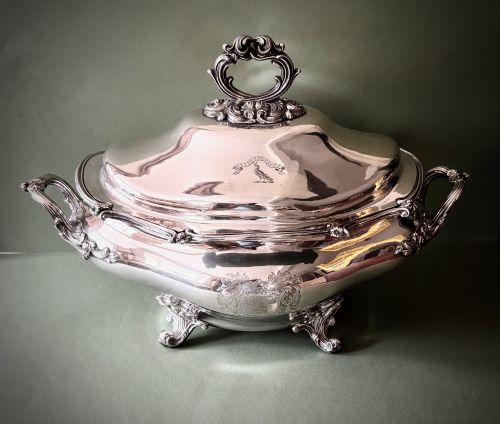
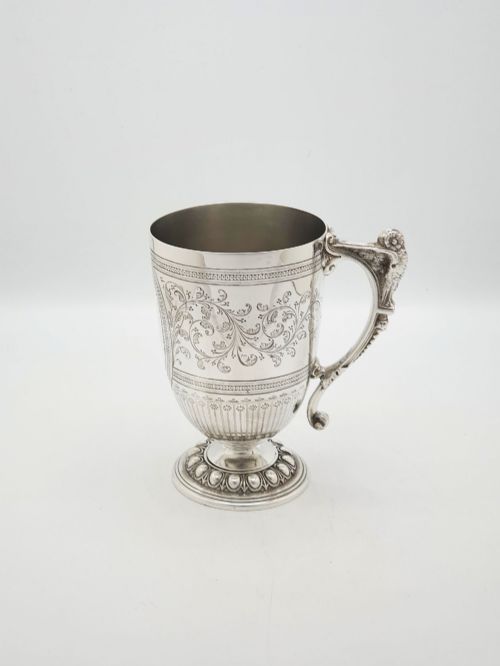
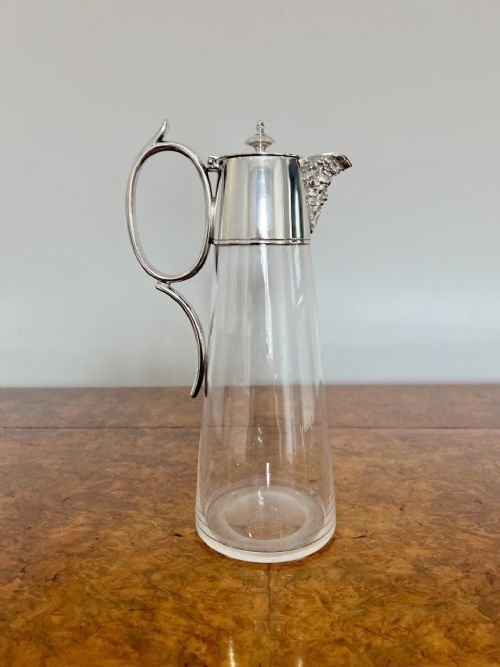
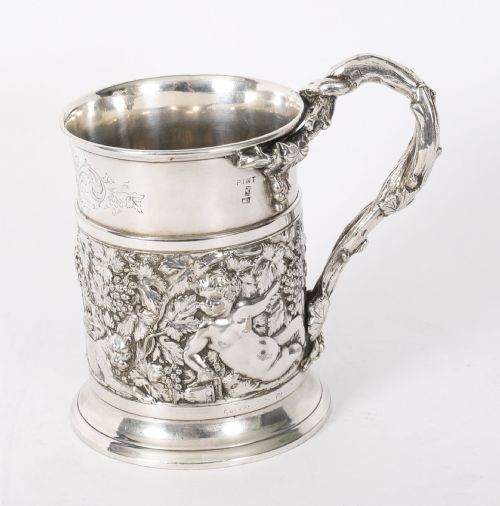
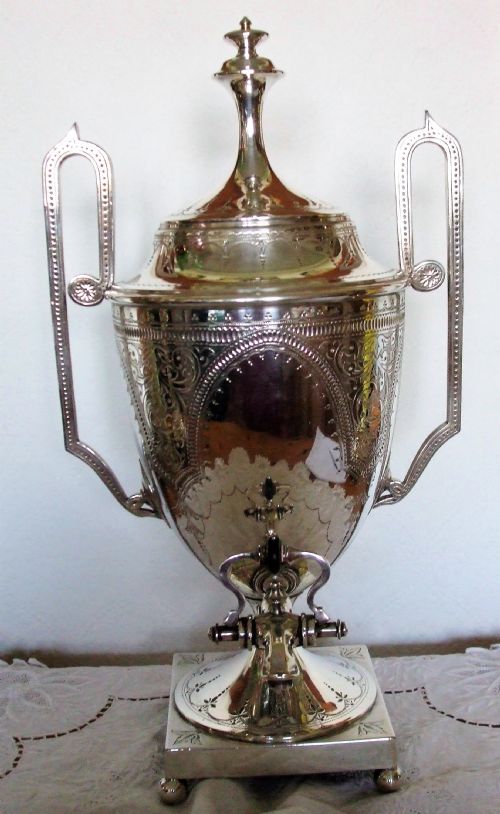
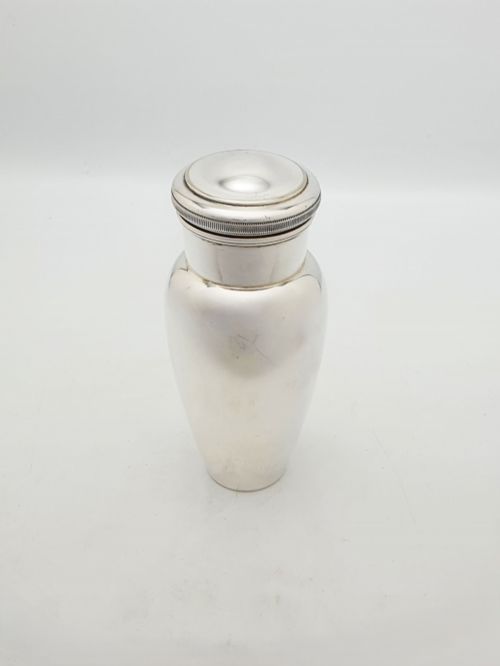
When you search for a silver plate vessel, you encounter a diverse array of utilitarian and decorative hollowware spanning multiple centuries. The selection on this page ranges from Georgian and Victorian serving pieces to Edwardian novelties and Art Deco cocktail equipment.
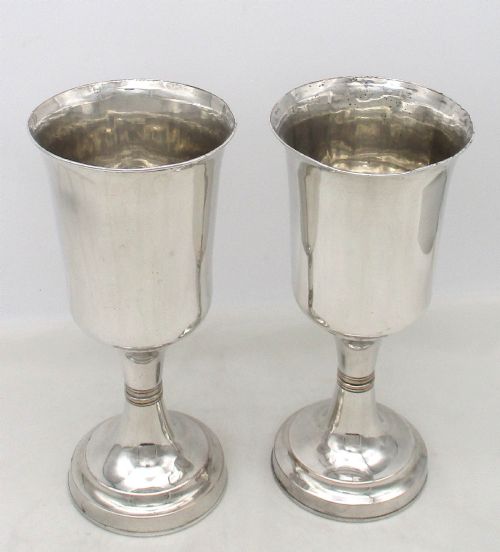
The most common forms you will meet include tankards, chalices, coffee pots, and claret jugs. These objects served functional roles in domestic dining, religious ceremony, and hospitality before evolving into decorative collectors' items.
Materials and construction
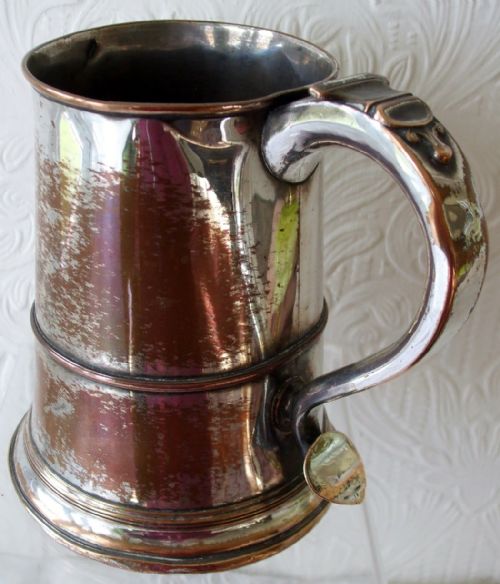
Many early examples utilise Old Sheffield Plate, a technique fusing a thin sheet of silver to a thicker copper base. Later pieces employ standard silver plating over copper, nickel silver, or metal alloys, frequently combined with cut glass and crystal liners.
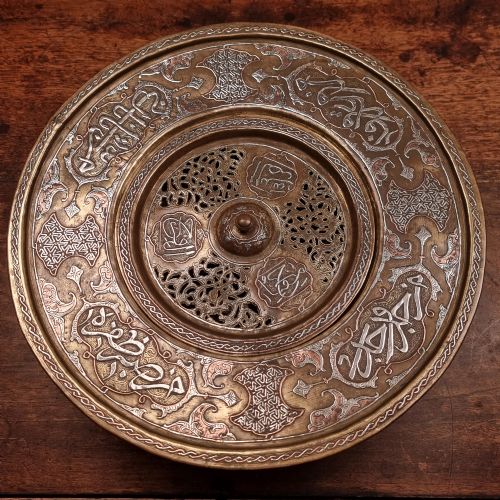
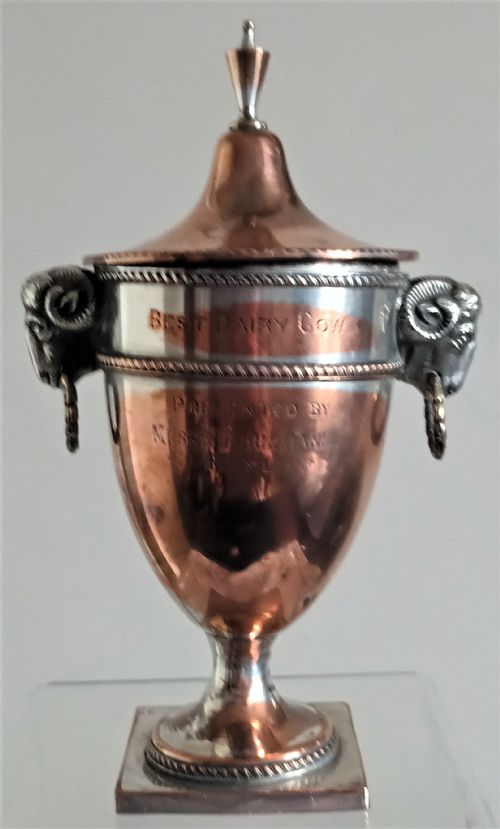
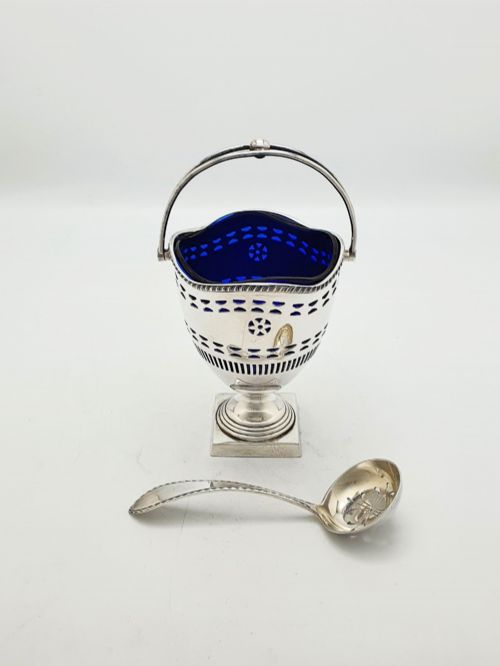
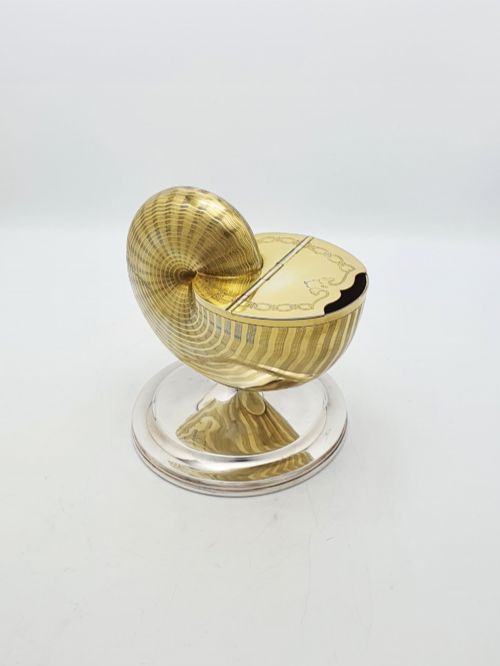
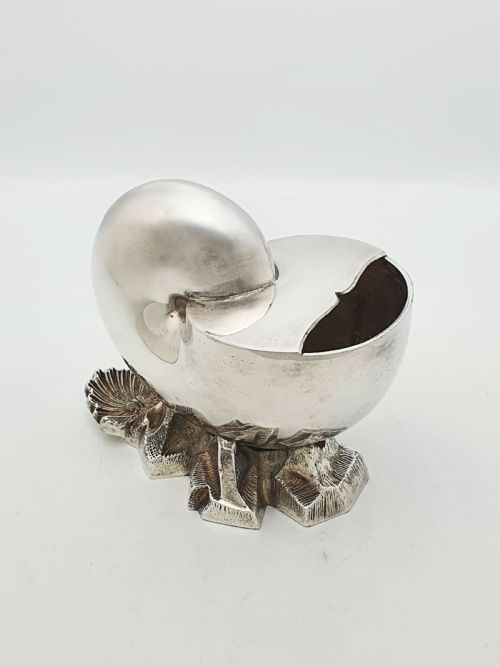
Surface decoration relies on embossing, engraving, piercing, and silver inlay. Makers shaped these metals into complex forms such as nautilus shells, urns, and sculptural animal handles.
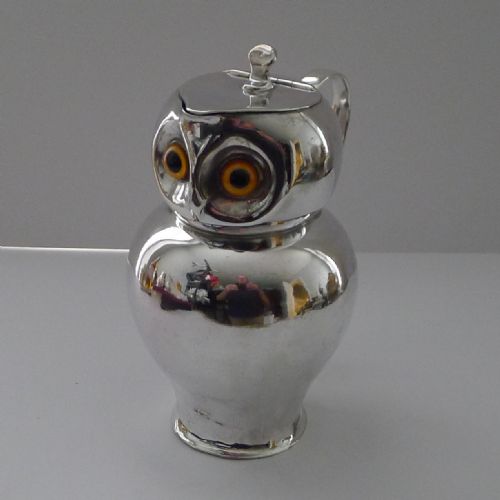
Several Victorian serving pieces take animal form, featuring glass-eyed owls perched on handles or lids.
Distinctions in quality
Quality rests in the crispness of chased and embossed detail and the integrity of the underlying metal. Pieces displaying sharp crests, deep engraving, and intact silver fusing demonstrate superior initial manufacture.
The integration of secondary materials such as cobalt glass liners, crystal bodies, and natural glass eyes distinguishes exceptional decorative novelties from standard utilitarian production.
G R Collis·Walker and Hall·Padley Parkin and Staniforth·Thomas Bradbury·Richard Morton·Mappin and Webb·Elkington Mason
The Silver Plate Vessel Glossary
- Old Sheffield Plate
- A fused metal technique involving a sheet of silver bonded to copper before shaping. This method produces characteristic copper edges visible on wear points.
- Argyle
- A vessel designed to keep gravy warm via an internal compartment for hot water. These pieces often feature crested plain bodies.
- Claret jug
- A pouring pitcher with a glass or crystal body and silver plated mounts. They are frequently encountered in Victorian and Edwardian dining settings.
- Spoon warmer
- A specialised container used in the nineteenth century to hold warm water for warming spoons. Common Victorian forms include shells and urns.
- Chalices
- Deep ritual goblets typically associated with church communion services. They appear in both nineteenth-century electroplate and Old Sheffield Plate.
Silver Plate Vessel: Frequently Asked Questions
What is Old Sheffield Plate?
Old Sheffield Plate is an early composite material created by fusing silver to a copper core through heat and pressure. This technique predates modern electroplating.
Items made this way often reveal subtle lines of copper beneath the silver surface along high-wear edges and rims.
How were silver plate vessels used?
These vessels fulfilled practical dining and ceremonial functions, from serving wine and coffee to warming gravy and heating spoons. Wealthy households displayed them during formal meals.
Religious examples like church chalices and communion sets served sacred roles in ecclesiastical settings.
How do I date a silver plate vessel?
Dating relies on a combination of manufacturing techniques, stylistic markers, and maker marks. Old Sheffield Plate generally points to the eighteenth or early nineteenth century.
Electroplated items marked with specific registry numbers or firm names align with Victorian, Edwardian, and Art Deco periods.
How should I clean silver plate?
Cleaning requires gentle care to preserve the thin silver layer over the base metal. Use non-abrasive silver cloths and mild cleaning agents specifically formulated for plated items.
Avoid aggressive polishing that can wear through the plating and expose the underlying copper or nickel silver.